Skip to content

More of China · Destination

Guangzhou

The vibrant Pearl River Delta metropolis blending ancient Lingnan culture with modern innovation

CityNotes updated October 2, 2025
Guangzhou
Guangzhou, ChinaField notes

6 guides · 6 places to start

The place

About Guangzhou

Guangzhou formerly known as Canton is the capital of Guangdong Province and one of Chinas most dynamic and historically significant cities With over 2200 years of history Guangzhou has served as a major trading port on the ancient Maritime Silk Road and continues to be a global economic powerhouse today The city beautifully balances its rich cultural heritage with cuttingedge modernity offering visitors a fascinating blend of ancient temples traditional Cantonese cuisine futuristic skyscrapers and lush subtropical gardens As the birthplace of Cantonese culture Guangzhou provides an authentic experience of Lingnan traditions from its distinctive architecture to its worldrenowned culinary scene

Things worth doing

A good place to begin

  1. 01Explore the historic Shamian Island with its European colonial architecture
  2. 02Visit the iconic Canton Tower for panoramic city views
  3. 03Experience traditional Cantonese opera at the Guangdong Cantonese Opera Art Center
  4. 04Wander through the Chen Clan Ancestral Hall a masterpiece of Lingnan architecture
  5. 05Discover the ancient Nanyue King Mausoleum Museum
  6. 06Stroll along the Pearl River and enjoy the spectacular night cruise
  7. 07Shop at the bustling Shangxiajiu Pedestrian Street for traditional goods
  8. 08Visit the Sacred Heart Cathedral one of Asias largest Gothic cathedrals
  9. 09Explore the Guangzhou Museum at Zhenhai Tower
  10. 10Enjoy authentic dim sum at a traditional teahouse

Worth the detour

Places to see
while you are here.

A starting point for Guangzhou — from the landmarks you already know to the quieter corners worth making time for.

Panxi RestaurantGuangzhou

Panxi Restaurant

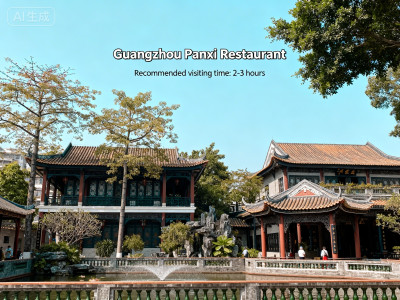
Panxi Restaurant is a legendary Cantonese dining establishment that has been serving authentic Guangzhou cuisine since 1947. Situated in the picturesque Liwan Lake Park, this restaurant is famous for its traditional Lingnan-style architecture featuring pavilions, corridors, and courtyards that create a serene dining atmosphere. The restaurant spans over 10,000 square meters with multiple dining halls and private rooms, some overlooking the tranquil lake. Panxi is renowned for preserving traditional Cantonese cooking techniques while offering a wide variety of dim sum, seafood dishes, and classic Guangzhou specialties. The restaurant has hosted numerous dignitaries and celebrities over the decades and remains a beloved institution for both locals and tourists seeking an authentic Cantonese dining experience.

Six Banyan Trees TempleGuangzhou

Six Banyan Trees Temple

Six Banyan Trees Temple also known as Liurong Temple is one of Guangzhous most ancient and culturally significant Buddhist temples Originally built in 537 AD during the Southern Dynasties period the temple has undergone numerous reconstructions throughout its long history The name Six Banyan Trees comes from the six magnificent banyan trees that once graced the temple grounds planted by the famous poet Su Shi during the Song Dynasty The temples most iconic feature is the Flower Pagoda a magnificent octagonal structure standing 57 meters tall with nine stories that appears to have thirteen stories from the outside This architectural marvel combines Chinese and Indian design elements and offers panoramic views of Guangzhou The temple complex includes several halls dedicated to different Buddhist deities including the Hall of Heavenly Kings the Mahavira Hall and the Hall of Six Patriarchs Throughout its history the temple has served as an important center for Buddhist learning and practice particularly for the Chan Zen tradition Today it remains an active place of worship and a peaceful oasis in the bustling heart of Guangzhou

Traditional TeahouseGuangzhou

Traditional Teahouse

Guangzhous traditional teahouses represent the heart of Cantonese culture where tea is not just a beverage but a way of life These establishments have been social hubs for centuries serving as meeting places for business discussions family gatherings and cultural exchanges The teahouse experience in Guangzhou is unique with its distinctive yum cha tradition which literally means drink tea but encompasses the entire ritual of enjoying tea with dim sum snacks The architecture often features traditional Lingnan style with wooden carvings antique furniture and serene courtyards creating an atmosphere that transports visitors back to ancient times

Hualin TempleGuangzhou

Hualin Temple

Hualin Temple also known as Hualin Chan Temple is a historic Buddhist temple located in the Liwan District of Guangzhou Guangdong Province Established during the Liang Dynasty in 526 AD during the reign of Emperor Wu of Liang it is one of the four great Buddhist temples of Guangzhou along with Guangxiao Temple Liurong Temple and Haizhuang Temple The temple has undergone numerous reconstructions throughout its history with the current structures mainly dating from the Qing Dynasty 16441912 The temple complex covers an area of approximately 14000 square meters and features traditional Chinese temple architecture with elegant halls courtyards and gardens Hualin Temple is particularly famous for its Five Hundred Arhats Hall which houses 500 life size gilded clay statues of arhats Buddhist saints each with unique facial expressions and postures representing different aspects of enlightenment The temple serves as an active Buddhist monastery and cultural heritage site offering visitors a peaceful retreat from the bustling city while showcasing traditional Chinese Buddhist art and architecture

Qingping MarketGuangzhou

Qingping Market

Qingping Market, established in the late Qing Dynasty, is a legendary open-air market located along the Pearl River in Guangzhou's historic Liwan District. This sprawling market covers several blocks and offers an authentic sensory experience of traditional Cantonese life. Known as the 'kitchen of Guangzhou,' it's where locals and chefs come to source the freshest ingredients, from exotic herbs and medicinal plants to live seafood and rare delicacies. The market is divided into sections specializing in different products - dried seafood and medicinal herbs in the northern section, fresh produce and meats in the central area, and traditional Chinese medicines in specialized shops. The atmosphere is lively and chaotic, with vendors calling out prices in Cantonese, the aroma of spices filling the air, and the sounds of bargaining creating a symphony of commerce. Qingping Market represents the heart of Guangzhou's food culture and serves as a living museum of traditional Chinese market practices that have remained largely unchanged for over a century.

Haixinsha IslandGuangzhou

Haixinsha Island

Haixinsha Island is a stunning man-made island located in the heart of Guangzhou's Pearl River. Created specifically for the 2010 Asian Games, this 176,000 square meter island has become one of Guangzhou's most recognizable landmarks. The island's name Haixinsha translates to Sea Heart Sand reflecting its position in the river. The island features a unique sail-shaped design with three main sections connected by bridges creating a harmonious blend of modern architecture and natural river scenery. The centerpiece is the magnificent Asian Games Park where the spectacular opening and closing ceremonies took place. Today Haixinsha serves as a multi-functional venue hosting major cultural events concerts and exhibitions while offering visitors breathtaking views of Guangzhou's skyline including the iconic Canton Tower and Guangzhou Opera House. The islands strategic location makes it a perfect spot to appreciate Guangzhou's transformation from a historic trading port to a modern metropolis.