Why go
About
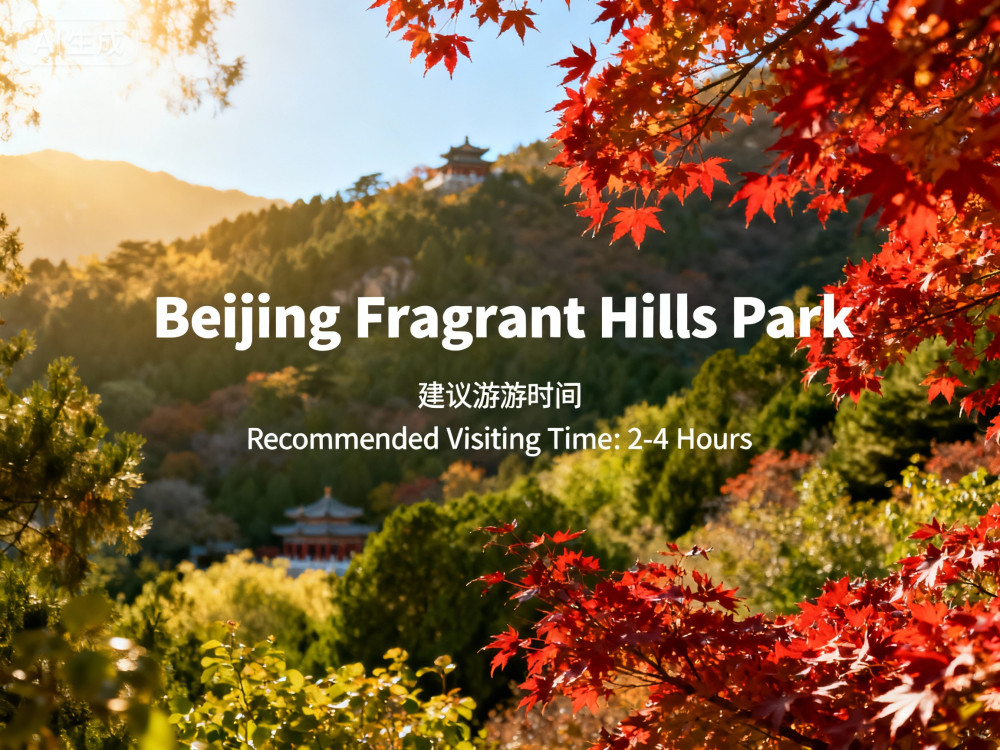
Fragrant Hills Park also known as Xiangshan Park is a sprawling imperial garden located at the eastern foot of the Western Hills in Beijing Covering an area of 160 hectares this scenic park was originally built in 1186 during the Jin Dynasty and later expanded during the Yuan Ming and Qing dynasties The park gets its name from the large incense burner shaped peak that resembles a censer emitting fragrant smoke at sunrise and sunset The most famous feature of Fragrant Hills Park is its spectacular autumn foliage when thousands of maple trees turn brilliant shades of crimson orange and gold creating a breathtaking sea of red leaves that has inspired poets and artists for centuries Beyond the autumn spectacle the park offers numerous historical sites including ancient temples pavilions and the remains of imperial palaces The park also features the Fragrant Hills Hotel designed by renowned architect IM Pei which beautifully blends modern architecture with traditional Chinese garden design
Make time for
Practical ideas, not a checklist
- Hike to the summit of Incense Burner Peak for panoramic views of Beijing
- Photograph the spectacular autumn foliage especially the famous red maple leaves
- Visit the Azure Clouds Temple a well preserved Buddhist temple complex
- Explore the Fragrant Hills Hotel designed by architect IM Pei
- Walk through the Double Pines Garden with its ancient pine trees
- Visit the Glazed Pagoda an octagonal seven story pagoda from the Qing Dynasty
- Enjoy the cable car ride for aerial views of the autumn colors
- Explore the Exhibition Hall of Fragrant Hills Revolutionary History
- Walk along the ancient paths used by emperors and court officials
- Visit the Fragrant Hills Snow scenic area for winter photography
Good to know
- Best Time to Visit
- Mid October to Early November for autumn foliage
- Park Size
- 160 hectares
- Established
- 1186 AD Jin Dynasty
- Main Attraction
- Autumn Red Leaves
- Highest Point
- Incense Burner Peak 557 meters
- UNESCO Status
- Part of Beijing Imperial Gardens
- Architectural Style
- Traditional Chinese Garden Design
- Historical Period
- Jin Yuan Ming Qing Dynasties