Skip to content

Beijing · Attraction

Siheyuan Courtyard

A traditional Chinese courtyard residence that embodies the essence of Beijing's architectural heritage and family culture

BeijingIn the destination guideBeijingExplore
Siheyuan Courtyard
Beijing, ChinaField notes · Attraction
BeijingTraditional ArchitectureCultural HeritageHistorical Residence

Why go

About Siheyuan Courtyard

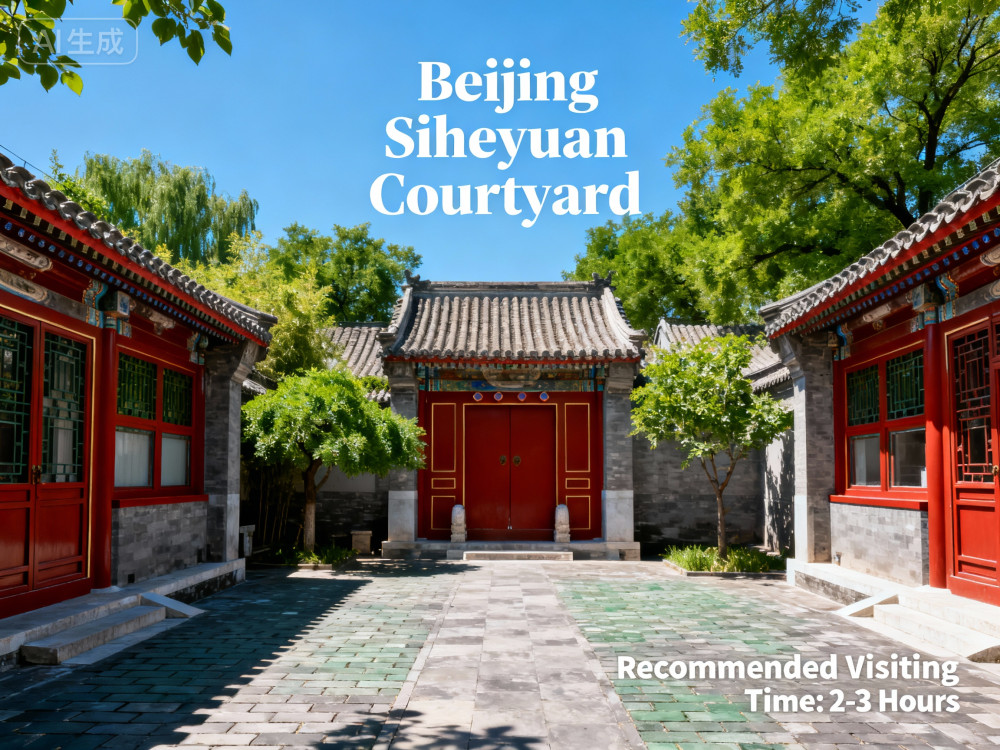
Siheyuan also known as Chinese quadrangles are traditional courtyard residences that have been an integral part of Beijing's urban landscape for over 700 years These symmetrical compounds represent the profound philosophy of Chinese architecture and family life The name Siheyuan literally means courtyard enclosed by buildings on four sides creating a harmonious square layout that follows Confucian principles of order hierarchy and family unity The typical Siheyuan consists of four main buildings arranged around a central courtyard with the main house facing south the most auspicious direction according to Feng Shui principles The layout reflects traditional Chinese social structure with the eldest family members occupying the main northern building while younger generations and servants lived in the side buildings Beyond their architectural significance Siheyuan courtyards served as microcosms of Chinese society where multiple generations lived together sharing meals stories and traditions within the enclosed private space Today these courtyards offer visitors a glimpse into old Beijing life with many converted into museums teahouses boutique hotels and cultural centers preserving the citys historical character amidst modern development

Make time for

Practical ideas, not a checklist

  1. 01Explore the architectural layout and learn about traditional Chinese courtyard design principles
  2. 02Visit a restored Siheyuan museum to see authentic period furniture and household items
  3. 03Experience traditional Chinese tea ceremony in a courtyard teahouse setting
  4. 04Attend cultural workshops on Chinese calligraphy painting or paper cutting
  5. 05Enjoy Beijing opera performances or traditional music in courtyard theaters
  6. 06Participate in dumpling making classes or traditional cooking demonstrations
  7. 07Photograph the intricate wood carvings lattice windows and moon gates
  8. 08Learn about Feng Shui principles applied in traditional courtyard design
  9. 09Visit courtyard art galleries showcasing contemporary and traditional Chinese art
  10. 10Stay overnight in a boutique courtyard hotel for an immersive experience

Good to know

Historical Period
Yuan Ming and Qing Dynasties 13th-20th centuries
Architectural Style
Traditional Chinese courtyard architecture
UNESCO Status
Part of Beijing historic hutong areas
Best Time to Visit
Spring and Autumn seasons
Cultural Significance
Represents traditional Chinese family values and social structure
Preservation Status
Many restored some converted to modern uses
Accessibility
Varies some have steps and narrow passages

More in Beijing

Keep the day
unfolding.

Quanjude Roast Duck RestaurantBeijing

Quanjude Roast Duck Restaurant

Quanjude is the most famous Peking Duck restaurant in the world, known for its meticulous preparation using open-wood fire ovens and time-honored recipes passed down through generations. The restaurant offers an authentic imperial dining experience.

Cultural StudioBeijing

Cultural Studio

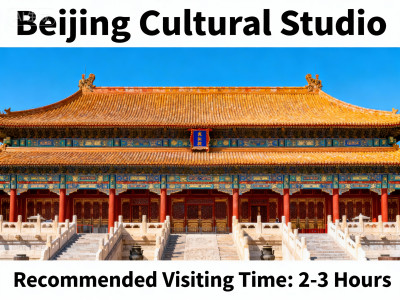
Cultural Studio is a unique destination in Beijing that offers visitors an authentic and interactive experience of traditional Chinese culture. Located in the heart of the city, this studio provides a comprehensive introduction to various aspects of Chinese heritage including calligraphy, painting, pottery, paper cutting, and traditional music. The studio is designed as both an educational space and a creative workshop where visitors can learn directly from master artisans who have dedicated their lives to preserving these ancient arts. The environment combines traditional Chinese aesthetics with modern facilities, creating a perfect setting for cultural immersion. Visitors can participate in guided workshops, watch live demonstrations, and create their own cultural artifacts to take home as meaningful souvenirs. The studio also features a gallery showcasing exquisite works by contemporary Chinese artists who are keeping traditional techniques alive while adding modern interpretations. This is not just a tourist attraction but a living cultural institution that bridges the gap between ancient traditions and contemporary appreciation.

Artisan WorkshopBeijing

Artisan Workshop

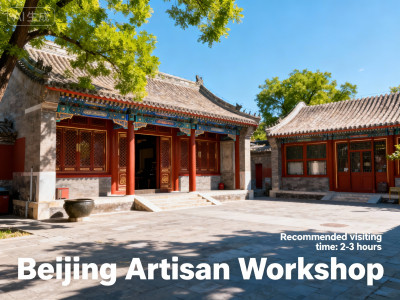
Nestled in the historic hutongs of Beijing, the Artisan Workshop offers visitors a unique opportunity to step into the world of traditional Chinese craftsmanship. This immersive cultural experience center showcases the living heritage of China's artisan traditions, from intricate cloisonné enamel work and delicate porcelain painting to traditional woodblock printing and silk embroidery. The workshop is housed in a beautifully restored courtyard residence that dates back to the Qing Dynasty, providing an authentic atmosphere for learning about China's rich artistic legacy. Master craftsmen and women, many from families with generations of experience, guide visitors through the processes that have defined Chinese art for centuries. The workshop not only preserves these endangered skills but also makes them accessible to international visitors through hands-on sessions, demonstrations, and cultural storytelling. Each activity is designed to connect participants with the philosophical and aesthetic principles underlying Chinese art, from the harmony of yin and yang to the balance of form and function.