Skip to content

Jinan · Attraction

Traditional Tea House

Experience authentic Chinese tea culture in the Spring City

JinanIn the destination guideJinanExplore
Traditional Tea House
Jinan, ChinaField notes · Attraction
JinanTea CultureTraditional CeremonyCultural Experience

Why go

About Traditional Tea House

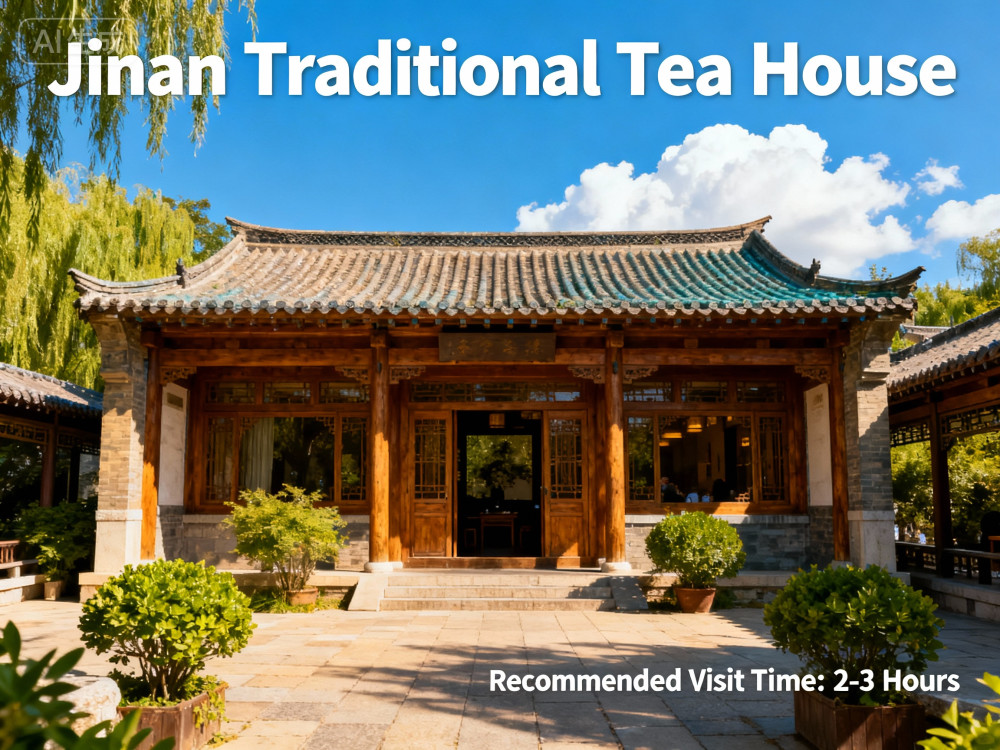
Jinan Traditional Tea House offers an immersive journey into Chinas ancient tea culture in the heart of the Spring City Known as the City of Springs Jinans pure spring water makes it the perfect place to appreciate fine tea This traditional tea house preserves centuries old tea ceremonies and brewing techniques providing visitors with a serene escape from modern life The experience combines tea tasting cultural education and relaxation in an authentic setting decorated with classical Chinese furniture calligraphy and tea ceremony artifacts

Make time for

Practical ideas, not a checklist

  1. 01Participate in traditional tea ceremony demonstrations
  2. 02Taste various premium Chinese teas including Longjing Tieguanyin and Pu erh
  3. 03Learn about tea brewing techniques and tea culture history
  4. 04Enjoy traditional Chinese music performances
  5. 05Purchase authentic Chinese tea and tea sets
  6. 06Experience tea pairing with local Jinan snacks

Good to know

Best Time to Visit
Spring and Autumn seasons
Recommended Tea
Longjing Green Tea and Jinan Local Tea
Cultural Significance
Part of Chinas Intangible Cultural Heritage
Architecture Style
Traditional Ming and Qing Dynasty Design
Special Feature
Uses Jinans Famous Spring Water for Brewing

More in Jinan

Keep the day
unfolding.

Hotel OrientationJinan

Hotel Orientation

Hotel Orientation is a well-established hospitality venue in Jinan, known for its strategic location, comfortable rooms, and comprehensive guest services catering to both business and leisure travelers.

Four Gate PagodaJinan

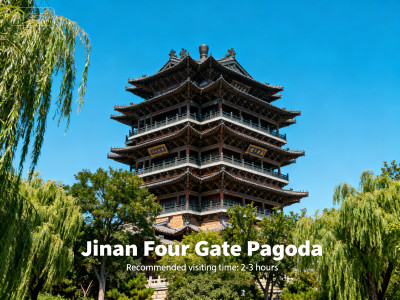
Four Gate Pagoda

The Four Gate Pagoda is a remarkable architectural treasure located at the foot of Mount Li in Jinan Shandong Province. Built during the Sui Dynasty around 581-618 AD this ancient stone pagoda stands as the oldest surviving pagoda in China and represents a significant milestone in Chinese Buddhist architecture. The pagoda gets its name from the four arched doorways that face the cardinal directions each leading to a central pillar carved with Buddhist statues. The structure is made entirely of bluish stone blocks without any mortar showcasing the advanced engineering skills of ancient Chinese craftsmen. Inside the pagoda visitors can see four exquisite stone Buddha statues each facing one of the four directions representing different aspects of Buddhist teachings. The surrounding area includes ancient pine trees one of which is over 1600 years old creating a serene atmosphere that transports visitors back to ancient times. The pagoda has survived numerous historical events including wars and natural disasters making it a testament to Chinese cultural resilience. Today it stands as a protected national cultural relic and a must-see destination for anyone interested in Chinese history Buddhism and ancient architecture.

Xiaogong IslandJinan

Xiaogong Island

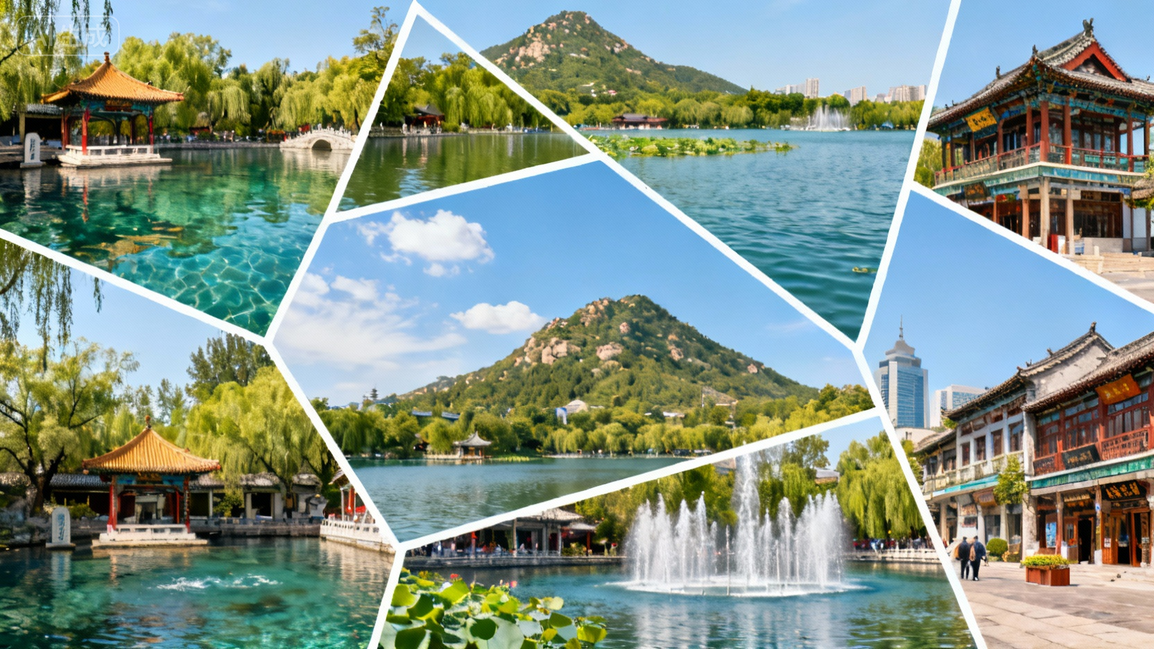
Xiaogong Island also known as Little Duke Island is a picturesque island located in the center of Daming Lake in Jinan Shandong Province This tranquil island has been a cultural landmark since the Ming Dynasty when it was established as a private retreat for the Duke of Dezhou The island features traditional Chinese architecture including the famous Xiaogong Pavilion which offers panoramic views of Daming Lake and surrounding Jinan cityscape The islands lush gardens winding pathways and ancient willow trees create a peaceful escape from the bustling city below Xiaogong Island is particularly famous for its connection to Jinans nickname City of Springs as the crystal clear spring water from Daming Lake surrounds the island creating a unique aquatic landscape The island has been a source of inspiration for poets and scholars throughout Chinese history with many literary works composed in its serene environment