Attractions in Changchun · 14 places
Places worth
Landmarks with a story, neighbourhood corners with a slower pace and natural places that deserve more than a photograph. Use this index as a starting point, not a checklist.
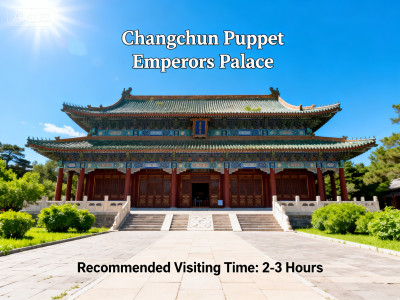
Puppet Emperors Palace
The Puppet Emperors Palace also known as the Manchukuo Imperial Palace is a significant historical site in Changchun Jilin Province It served as the official residence of Puyi the last emperor of the Qing Dynasty who was installed as the puppet emperor of the Japanesecontrolled state of Manchukuo from 1932 to 1945 The palace complex consists of several buildings including the main palace living quarters offices and gardens reflecting a blend of Chinese and Japanese architectural styles The site now serves as a museum showcasing the history of Manchukuo Puyis life and the Japanese occupation period Visitors can explore the wellpreserved rooms view historical artifacts photographs and documents and gain insight into this complex period of Chinese history The palace stands as a poignant reminder of national humiliation and resistance during wartime
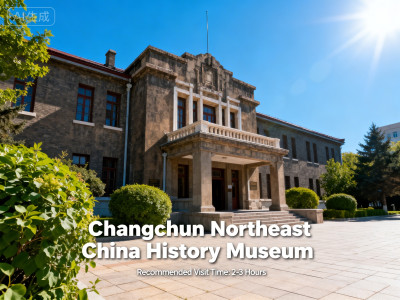
Northeast China History Museum
The Northeast China History Museum stands as one of the most important cultural institutions in Jilin Province offering visitors an immersive journey through the regions fascinating past Located in Changchun the museum houses over 100000 artifacts spanning from prehistoric times through various dynastic periods to the modern development of Northeast China The exhibitions are thoughtfully curated to highlight the unique cultural characteristics ethnic diversity and historical significance of this strategically important region of China The museums architecture itself is a blend of traditional Chinese elements with modern design creating an inspiring space for cultural exploration
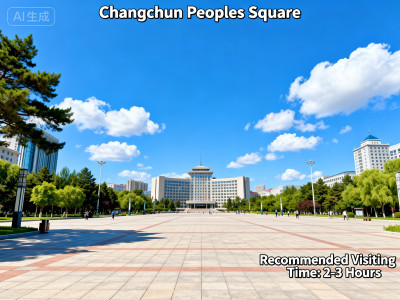
Peoples Square
Peoples Square also known as Renmin Square is the central public square of Changchun Jilin Province Originally constructed during the Japanese occupation period and later redesigned with Soviet influence this expansive square serves as both a political center and cultural gathering space The square features a distinctive radial layout with eight major roads converging at its center creating a star-shaped pattern that symbolizes unity and progress At the heart of the square stands the Monument to the Peoples Heroes a towering granite structure commemorating revolutionary martyrs Surrounding the monument are meticulously maintained gardens seasonal flower displays and fountains that create a serene urban oasis The squares architecture reflects Changchuns unique history as the former capital of Manchukuo with buildings showcasing a blend of Soviet neoclassical and traditional Chinese design elements Throughout the year Peoples Square hosts various cultural events military parades and public celebrations making it a living testament to Changchuns political and social evolution
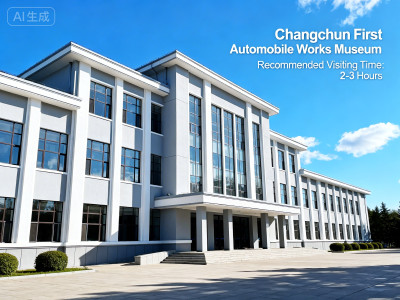
First Automobile Works Museum
The First Automobile Works Museum stands as a living testament to Chinas industrial revolution and automotive heritage Located within the original FAW factory complex this museum chronicles the birth and evolution of Chinas automobile industry from the first domestically produced truck in 1956 to modern automotive innovations The museum occupies historic factory buildings where the legendary Jiefang CA10 truck rolled off the assembly line marking Chinas entry into the automotive age Visitors can explore authentic production lines vintage vehicles and interactive exhibits that showcase the technological advancements and cultural significance of Chinas automotive journey The museum not only displays vehicles but also preserves the stories of workers engineers and visionaries who built Chinas automotive industry from scratch making it a mustvisit destination for automotive enthusiasts and history buffs alike

Changchun City Center
Changchun City Center represents the cultural and historical core of Jilin Province's capital city. Originally established as the capital of the Japanese puppet state of Manchukuo from 1932 to 1945, the city center retains remarkable architectural heritage from this period alongside Soviet-era influences and contemporary Chinese development. The area is characterized by wide boulevards, European-style buildings, and a distinctive urban layout that reflects its complex history. Today, it serves as the commercial, cultural, and administrative hub of Changchun, offering visitors a fascinating journey through 20th century Chinese history while providing modern amenities and vibrant city life.

Dongbei Folk Culture Village
This village is a recreated traditional Dongbei settlement where visitors can experience the distinct culture of Northeast China. It features authentic Manchurian-style buildings, folk art demonstrations, and areas dedicated to regional culinary traditions, including opportunities to observe and learn about Dongbei cuisine.

Local Breakfast Market
Changchuns Local Breakfast Markets are not just places to eat but living museums of Northeast Chinese culinary traditions These bustling morning hubs showcase the hearty robust flavors that define Jilin provinces food culture As the capital of Chinas northeastern Jilin Province Changchun has developed unique breakfast traditions influenced by its harsh winters Korean minority communities and Russian historical connections The markets typically operate from dawn until midmorning offering everything from steaming bowls of congee to freshly fried youtiao and regional specialties like guobaorou crispy pork slices and Koreanstyle rice cakes The atmosphere is lively with vendors calling out their specialties the sizzle of griddles and locals gathering to start their day with nourishing meals Many markets also feature traditional soy milk makers handpulled noodle artisans and dumpling masters preserving cooking techniques passed down through generations

Hongqi Street Food Area
Hongqi Street Food Area is Changchuns premier culinary destination where traditional Northeastern Chinese cuisine meets modern street food culture. This bustling food street stretches along Hongqi Street and its surrounding alleys, offering an authentic taste of Jilin Provinces gastronomic heritage. As the capital of Northeast Chinas Jilin Province, Changchun has developed a unique food culture influenced by Manchu traditions, Korean flavors, and Russian culinary elements. The Hongqi Street Food Area perfectly encapsulates this diverse heritage with its wide array of street vendors, small eateries, and specialty food shops. During the day, the area serves as a local market where residents shop for fresh ingredients and traditional snacks. As evening falls, the street transforms into a lively food paradise illuminated by colorful lanterns and neon signs, with the aroma of sizzling meats, steaming dumplings, and spicy noodles filling the air. The food area is particularly famous for its winter specialties, reflecting Changchuns cold climate with hearty, warming dishes that have sustained locals through harsh winters for generations. From traditional hot pots to grilled skewers and sweet treats, every stall tells a story of Northeast Chinas culinary evolution. The atmosphere is always vibrant, with locals and tourists mingling, sharing tables, and enjoying the communal dining experience that defines Chinese street food culture. The area also serves as a cultural hub where traditional food preparation techniques are preserved and passed down through generations of family-run businesses.

Puppet Manchurian Palace Museum
The Puppet Manchurian Palace Museum, also known as the Museum of the Imperial Palace of the Manchukuo, is a significant historical site that preserves the complex legacy of China's last emperor, Puyi. This sprawling complex served as the official residence and administrative center during the Japanese-controlled puppet state of Manchukuo. The museum offers a profound look into one of the most controversial periods in modern Chinese history, where traditional Chinese architecture blends with Japanese colonial influences. Visitors can explore the well-preserved living quarters, ceremonial halls, and government offices that witnessed the tragic drama of Puyi's reign as a figurehead emperor under Japanese control. The site stands as both an architectural marvel and a somber reminder of China's struggle against foreign occupation during the 20th century.

Changchun Local Cooking School
Nestled in the vibrant city of Changchun, this local cooking school offers visitors a unique opportunity to dive deep into the culinary traditions of Northeast China. Known for its hearty, warming dishes that combat the region's cold winters, Dongbei cuisine features bold flavors, generous portions, and locally sourced ingredients. The school provides hands-on cooking classes taught by experienced local chefs who share not only cooking techniques but also the cultural stories behind each dish. You'll learn about the Manchu and Korean influences on the region's food, discover how historical factors shaped local eating habits, and master dishes that have been passed down through generations. The experience goes beyond cooking - it's a cultural journey through taste, tradition, and community.

FamilyStyle Dumpling Restaurant
This restaurant offers a warm, family-friendly atmosphere where visitors can enjoy handmade dumplings prepared using traditional recipes passed down through generations. It's a culinary highlight for those exploring Changchun's food culture.

Korean Ethnic District Markets
The Korean Ethnic District Markets in Changchun offer an immersive cultural experience that transports visitors directly to Korea without leaving China. Located in the heart of Jilin Province, this vibrant district showcases the rich heritage of the Korean ethnic minority who have lived harmoniously in Northeast China for generations. The markets are a bustling hub of activity where traditional Korean architecture meets modern commerce, creating a unique fusion of cultures. Here you can explore narrow alleyways filled with colorful stalls selling everything from traditional hanbok clothing and Korean handicrafts to authentic ingredients for Korean cooking. The air is filled with tantalizing aromas of kimchi, bulgogi, and bibimbap being prepared in family-run restaurants that have been operating for decades. This district serves as both a cultural preservation center and a living community where Korean traditions are kept alive through daily practices, festivals, and culinary arts. The markets are particularly famous for their authentic Korean street food, traditional tea houses, and specialty shops selling everything from ginseng to Korean cosmetics. Visitors can witness traditional Korean dance performances, learn about Korean tea ceremonies, and even participate in kimchi-making workshops during certain seasons.

Puppet Emperor Palace
The Puppet Emperor Palace also known as the Manchukuo Imperial Palace was the official residence of Puyi the last emperor of China during his reign as the nominal ruler of the Japanese puppet state of Manchukuo from 1932 to 1945 Located in Changchun Jilin Province this historical complex serves as a poignant reminder of a turbulent period in Chinese history The palace complex covers approximately 43 hectares and consists of two main sections the inner court where Puyi lived with his family and the outer court where official ceremonies and government affairs were conducted The architecture blends traditional Chinese palace styles with Japanese and Western influences reflecting the complex political situation of the time Today the site has been transformed into a comprehensive museum that meticulously preserves this controversial chapter of history offering visitors a unique opportunity to explore the life of Chinas last emperor and understand the broader historical context of Japanese occupation in Northeast China

Chongqing Road Food Street
Chongqing Road Food Street is not just a dining destination but a cultural experience that showcases the rich culinary heritage of Northeast China. Located in the bustling commercial district of Changchun, this food street stretches along Chongqing Road, one of the city's main thoroughfares. The area transforms into a gastronomic wonderland as evening falls, with hundreds of food stalls, restaurants, and vendors lining the streets, creating an atmosphere filled with enticing aromas and lively energy. This food street perfectly represents the hearty, robust flavors of Dongbei (Northeast) cuisine, known for its generous portions, warming dishes, and emphasis on local ingredients. The experience here goes beyond mere eating - it's about immersing yourself in the local lifestyle, watching skilled chefs prepare traditional dishes, and enjoying the vibrant street culture that makes Changchun unique.
Want the days already arranged?
Open the guidebook