Skip to content

More of China · Destination

Tianjn

The Gateway to Northern China

Metropolitan CityNotes updated November 14, 2025
Tianjn
Tianjn, ChinaField notes

6 guides · 6 places to start

The place

About Tianjn

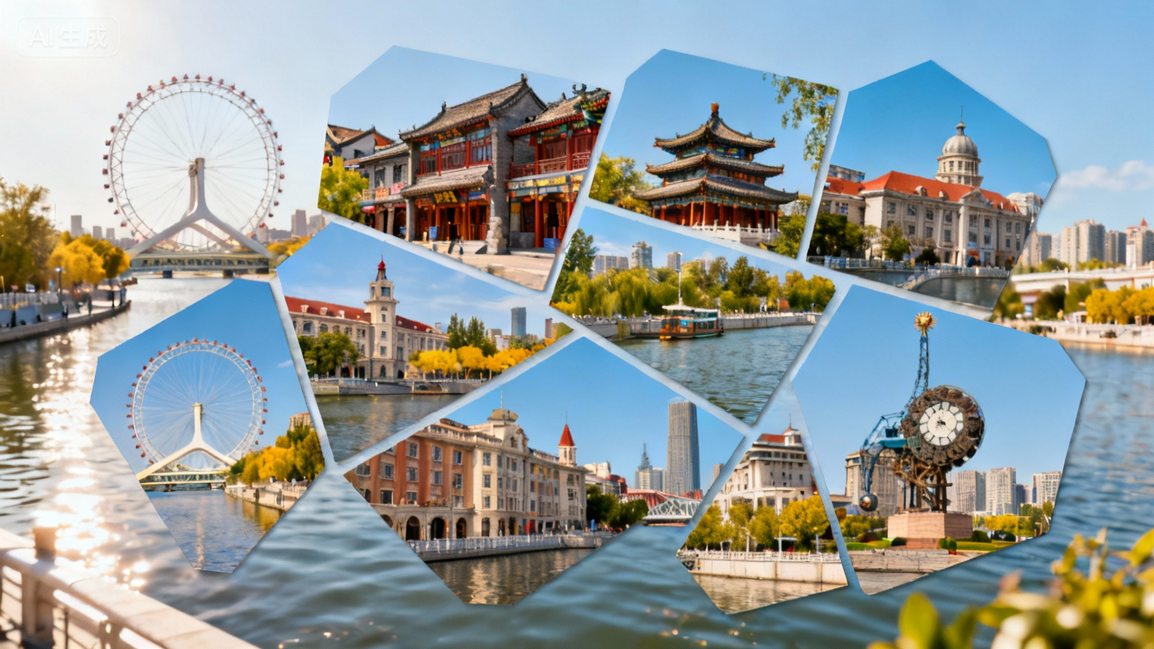
Tianjin, often called the Gateway to Northern China, is a vibrant metropolis where Chinese tradition meets Western colonial architecture. As one of China's four direct-controlled municipalities, Tianjin boasts a unique blend of cultures that reflects its history as a treaty port. The city sits at the confluence of five major rivers that flow into the Bohai Sea, giving it strategic importance throughout history.

Today, Tianjin is known for its distinctive architectural landscape featuring European-style buildings from its concession era, its world-class universities, and its reputation as a center for comedy and performing arts in China. The city's name translates to 'Heavenly Ford,' reflecting its historical role as a crossing point on the Grand Canal.

Things worth doing

A good place to begin

  1. 01Stroll along the Italian Style Town to admire European architecture
  2. 02Visit the Ancient Culture Street for traditional Chinese crafts and snacks
  3. 03Explore the Five Great Avenues area with its colonial-era villas
  4. 04Take a cruise on the Haihe River to see Tianjin's skyline
  5. 05Visit the Tianjin Eye Ferris wheel for panoramic city views
  6. 06Explore the Porcelain House decorated with thousands of porcelain pieces
  7. 07Visit the Tianjin Museum to learn about the city's history
  8. 08Enjoy traditional Tianjin comedy performances at local teahouses
Worth the detour

Places to see
while you are here.

A starting point for Tianjn — from the landmarks you already know to the quieter corners worth making time for.

Garden Reflection AreaTianjn

Garden Reflection Area

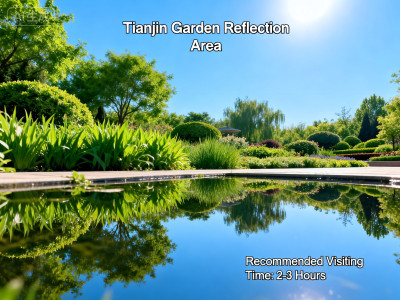
The Garden Reflection Area is one of Tianjins most exquisite classical Chinese gardens located in the heart of the city This meticulously designed garden follows traditional Chinese garden principles of creating miniature landscapes that reflect the natural world in a harmonious balance The name Reflection Area refers to both the physical water features that mirror the surrounding architecture and the philosophical concept of self reflection and contemplation that the garden inspiresnnBuilt during the Qing Dynasty the garden showcases the sophisticated aesthetics of Chinese landscape design with its winding pathways elegant pavilions rockeries and water features Every element is carefully arranged to create a sense of discovery and tranquility as visitors meander through the space The garden represents the Chinese philosophy of harmony between humanity and nature where man made structures blend seamlessly with natural elementsnnThe design incorporates the four essential elements of classical Chinese gardens rocks water plants and architecture arranged according to Feng Shui principles to create positive energy flow The garden features several distinct areas including the Moon Viewing Pavilion the Lotus Pond the Scholar's Study and the Zigzag Bridge each offering unique perspectives and experiencesnnBeyond its aesthetic beauty the Garden Reflection Area serves as a living museum of Chinese cultural traditions hosting seasonal festivals tea ceremonies and calligraphy exhibitions that allow visitors to immerse themselves in traditional Chinese arts and customs

Ancient Chinese GardensTianjn

Ancient Chinese Gardens

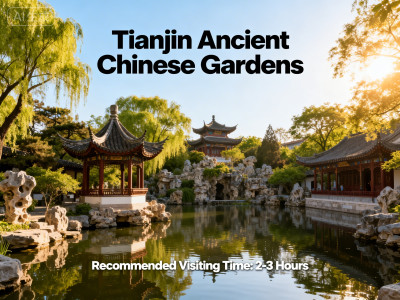
The Ancient Chinese Gardens in Tianjin represent one of the finest collections of traditional Chinese garden design in northern China. This expansive complex features meticulously recreated gardens from various historical periods, including Ming and Qing dynasty styles. Each garden follows the fundamental principles of Chinese landscape design - harmony between architecture and nature, symbolic arrangements of rocks and water, and the creation of miniature worlds that reflect cosmic order. The gardens incorporate traditional elements like winding pathways, moon gates, pavilions, rockeries, lotus ponds, and carefully curated plantings that change with the seasons. Visitors can experience the philosophical concepts of yin and yang, the five elements, and the Taoist pursuit of harmony with nature through the garden layouts. The complex also includes educational displays about Chinese garden history, traditional construction techniques, and the cultural significance of garden elements in Chinese literature and art.

Goubuli Baozi RestaurantTianjn

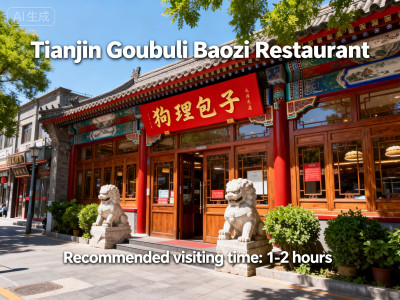
Goubuli Baozi Restaurant

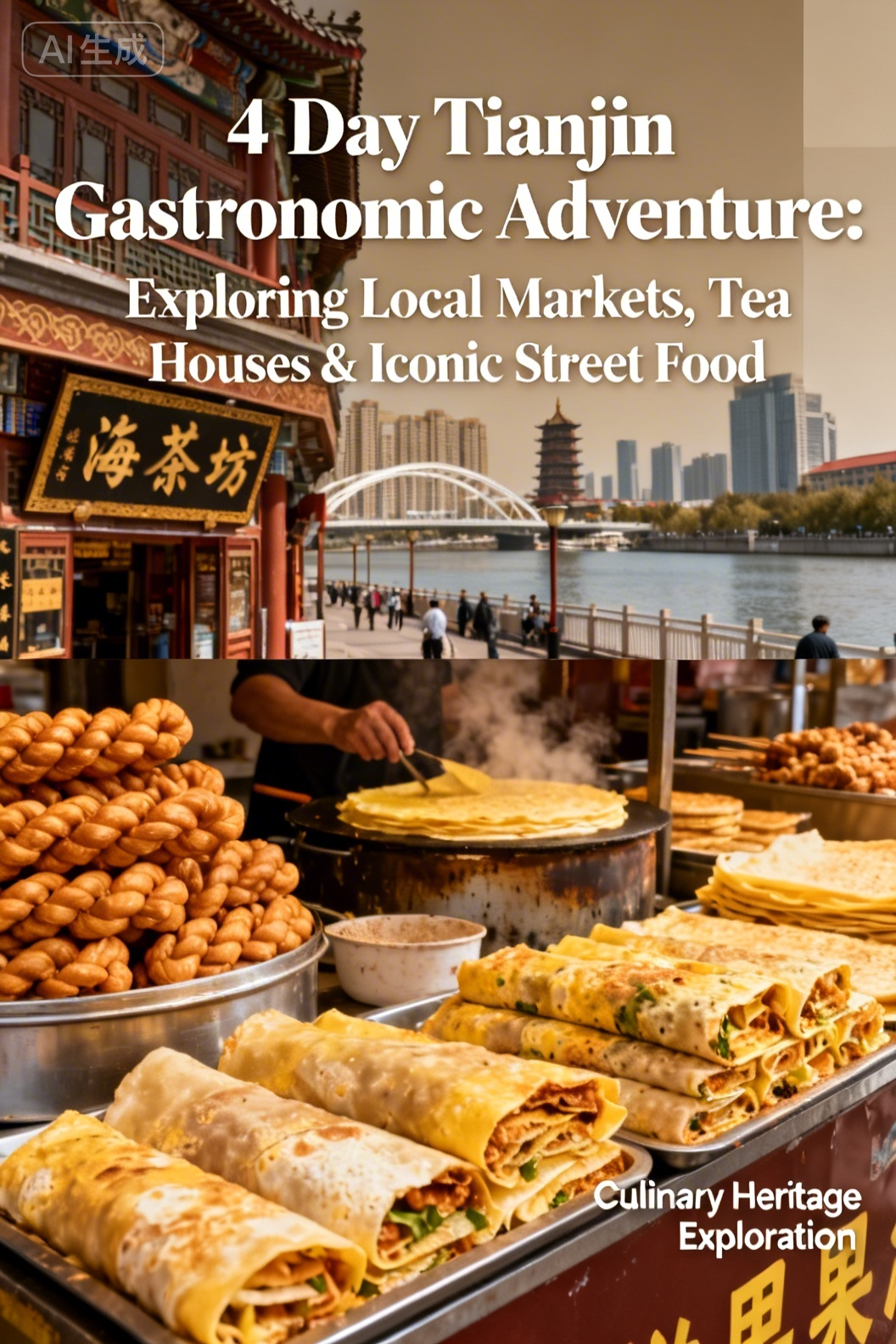
Goubuli Baozi Restaurant is not just a dining establishment its a living piece of Tianjin history dating back to 1858 The name Goubuli literally translates to dogs dont care reflecting the original owners nickname and the irresistible quality of his steamed buns that even dogs would ignore their masters when these buns were around This iconic restaurant specializes in Tianjin Goubuli Baozi a UNESCO-recognized intangible cultural heritage item featuring 18 precise folds on each bun The restaurant offers an authentic experience where you can watch master chefs create these delicate buns through traditional techniques passed down through generations The dining environment combines Qing Dynasty architectural elements with modern comfort creating a perfect setting to enjoy one of Chinas most famous culinary treasures

Traditional Herb GardenTianjn

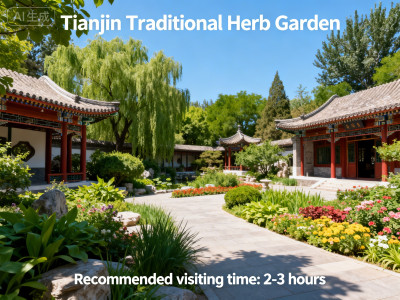
Traditional Herb Garden

The Traditional Herb Garden in Tianjin is a remarkable botanical sanctuary dedicated to preserving and showcasing Chinas rich heritage of traditional Chinese medicine TCM This expansive garden features over 500 species of medicinal plants herbs and trees carefully cultivated in thematic sections that represent different aspects of Chinese herbal medicine Visitors can explore the beautifully landscaped grounds which include traditional Chinese garden elements such as winding pathways rock formations water features and pavilions Each plant is labeled with both scientific and Chinese names along with detailed information about its medicinal properties preparation methods and historical uses in TCM The garden serves not only as an educational resource but also as a peaceful retreat where visitors can learn about the philosophy of balance and harmony that underpins traditional Chinese healing practices

Tianjin Water ParkTianjn

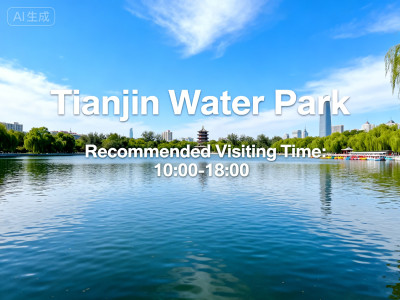
Tianjin Water Park

Tianjin Water Park also known as Shuishang Park is one of Tianjins largest and most beautiful urban parks covering an area of 200 hectares Established in 1950 the park features extensive water areas interconnected lakes and traditional Chinese garden elements The park masterfully combines natural landscapes with cultural attractions offering visitors a serene escape from the bustling city The design follows classical Chinese garden principles with winding paths pavilions bridges and carefully curated plantings creating picturesque scenes at every turn Throughout the park youll find various themed areas including lotus ponds willow lined shores and beautifully manicured gardens that change with the seasons

Island Sunset ViewpointTianjn

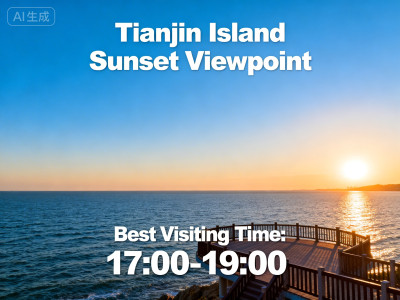
Island Sunset Viewpoint

Located on a coastal island in Tianjin, this viewpoint is renowned for its unobstructed western horizon, making it a popular destination for sunset enthusiasts and photographers. The area features walking paths, seating areas, and interpretive signs about the local marine environment.