Attractions in Tianjn · 54 places
Places worth
Landmarks with a story, neighbourhood corners with a slower pace and natural places that deserve more than a photograph. Use this index as a starting point, not a checklist.
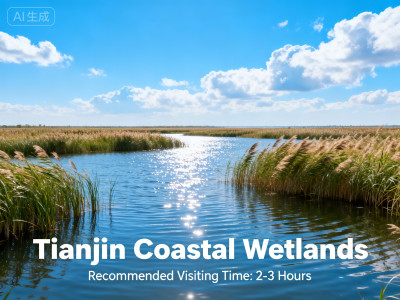
Tianjin Coastal Wetlands
The Tianjin Coastal Wetlands represent one of Chinas most important ecological zones along the Bohai Sea coastline Spanning over 300 square kilometers this protected area serves as a critical stopover point for migratory birds along the East Asian Australasian Flyway The wetlands feature diverse ecosystems including tidal flats salt marshes reed beds and shallow coastal waters creating a unique habitat for both wildlife and marine species Beyond its ecological significance the wetlands demonstrate Tienjins innovative approach to balancing urban development with environmental protection offering visitors a rare glimpse into coastal conservation efforts in one of Chinas most developed regions
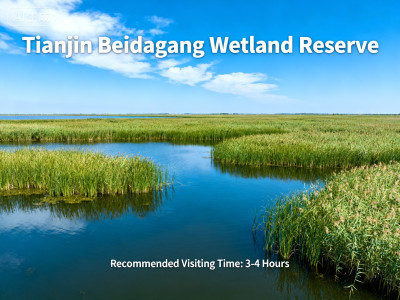
Beidagang Wetland Reserve
Beidagang Wetland Reserve is one of the most important coastal wetlands in northern China, located in the Binhai New Area of Tianjin. This expansive wetland ecosystem covers approximately 348 square kilometers and serves as a critical stopover point for migratory birds along the East Asian-Australasian Flyway. The reserve features a diverse landscape of marshes, reed beds, salt pans, and shallow waters that create a unique habitat for both resident and migratory species. Established as a national nature reserve in 1997, Beidagang plays a crucial role in maintaining regional biodiversity, regulating climate, and protecting coastal environments. The wetland is particularly famous for its spectacular bird migrations, with over 250 species recorded including rare and endangered birds like the red-crowned crane, oriental white stork, and Saunders's gull. Beyond its ecological significance, the reserve offers visitors a serene escape from urban life with its vast open spaces, tranquil waters, and breathtaking natural scenery that changes dramatically with the seasons.
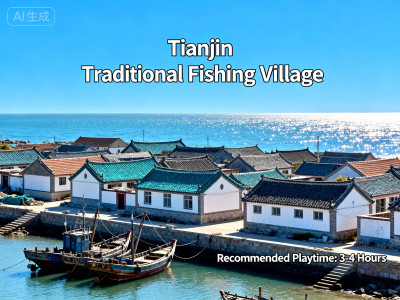
Traditional Fishing Village
The Traditional Fishing Village in Tianjin offers visitors a rare glimpse into the centuries-old fishing culture that has sustained coastal communities along the Bohai Sea. This living heritage site preserves traditional fishing techniques, boat-building methods, and community lifestyles that have been passed down through generations. The village showcases the unique architectural style of coastal dwellings, with stone houses built to withstand sea winds and traditional fishing boats moored along the waterfront. Visitors can witness the daily rhythms of fishing life, from early morning net-mending to the return of fishing boats with their daily catch. The village represents an important cultural heritage that connects modern Tianjin to its maritime roots and provides insight into sustainable fishing practices that have maintained ecological balance for centuries.
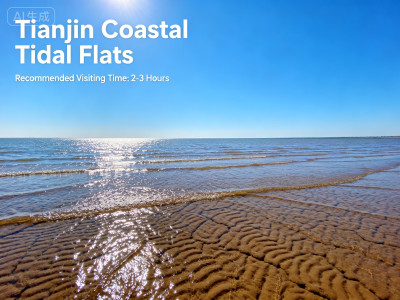
Coastal Tidal Flats
The Coastal Tidal Flats of Tianjin form a spectacular natural phenomenon along the Bohai Bay coastline where the Yellow River deposits rich sediments creating extensive mudflats that transform dramatically with the tides This unique ecosystem serves as a critical stopover point for migratory birds along the East AsianAustralasian Flyway making it a paradise for birdwatchers and nature enthusiasts The tidal flats stretch across kilometers of coastline offering breathtaking views of the meeting point between river and sea where the interplay of water land and sky creates everchanging patterns and colors Throughout the year the area hosts millions of migratory birds including endangered species like the redcrowned crane Saunders gull and blackfaced spoonbill Beyond its ecological significance the tidal flats hold cultural importance as traditional fishing grounds where local communities have practiced sustainable harvesting methods for generations The area also features unique geological formations and serves as a natural laboratory for studying coastal processes and climate change impacts
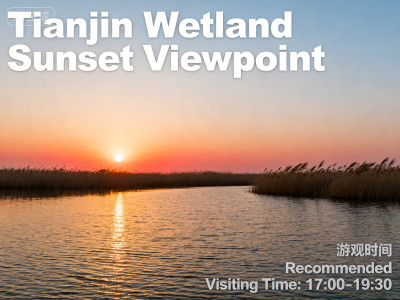
Wetland Sunset Viewpoint
The Wetland Sunset Viewpoint is one of Tianjins most spectacular natural attractions located within the Qilihai Wetlands Nature Reserve This unique vantage point offers visitors an unparalleled opportunity to witness the magical convergence of wetland ecosystems with dramatic sunset skies The viewpoint provides panoramic views over vast reed marshes shimmering waterways and diverse bird habitats creating a serene natural theater for natures daily spectacle As the sun descends it paints the wetlands in golden hues transforming the landscape into a living canvas of light and shadow The area represents a perfect harmony between ecological preservation and natural beauty showcasing Tianjins commitment to environmental conservation while offering visitors a tranquil escape from urban life
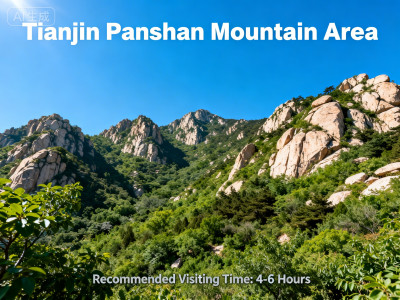
Panshan Mountain Area
Panshan Mountain Area is a stunning natural and cultural destination situated approximately 110 kilometers northwest of Tianjin city center. This majestic mountain range covers an area of 106 square kilometers with its highest peak reaching 864 meters above sea level. Known for its Five Peaks Eight Rocks and Three Temples Panshan has been celebrated by poets and emperors throughout Chinese history including Emperor Qianlong of the Qing Dynasty who visited 32 times and declared I would have visited Panshan Mountain a hundred times if I had known it earlier. The mountain combines breathtaking natural scenery with rich Buddhist heritage featuring ancient temples pagodas and stone inscriptions dating back over a thousand years. The area is particularly famous for its pine trees strange rock formations clear mountain springs and spectacular waterfalls creating a perfect harmony between natural beauty and cultural significance
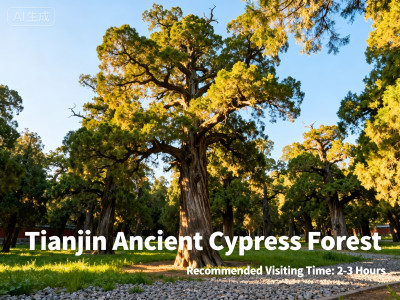
Ancient Cypress Forest
This protected forest area is home to a remarkable collection of ancient cypress trees, revered for their longevity and cultural significance. The forest features well-maintained walking paths that wind through groves of these majestic trees, with informational plaques detailing their age and historical context. The atmosphere is one of tranquility and natural beauty, providing a stark contrast to the urban environment of nearby Tianjin city.

Forest Clearing Picnic Area
A designated, peaceful clearing nestled within a larger forested park area, featuring open grassy spaces, shaded picnic tables, and basic recreational facilities for visitors to enjoy nature and outdoor meals.
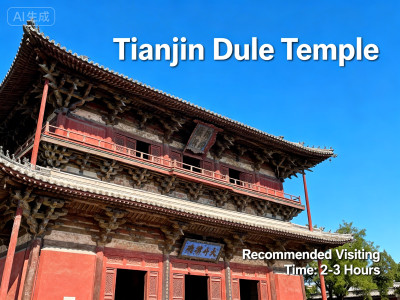
Dule Temple
Dule Temple, located in Ji County, Tianjin, is a historic Buddhist temple dating back over a thousand years. It is famed for housing one of China's oldest surviving wooden structures, the Guanyin Pavilion, which stands 23 meters tall and contains a colossal 16-meter-high clay statue of the Eleven-Headed Avalokitesvara (Guanyin). The temple complex exemplifies Liao Dynasty architecture and is a UNESCO World Heritage tentative site, offering a serene atmosphere amidst ancient cypress trees.

Panshan Mountain Scenic Area
Panshan is a mountain of historical and cultural significance located in Jixian County, Tianjin. Known as 'The First Mountain East of Beijing,' it features ancient pines, strange rocks, clear waters, and historic temples blending Taoist, Buddhist, and Confucian influences. The mountain offers numerous scenic overlooks with breathtaking panoramic views of the surrounding landscape.
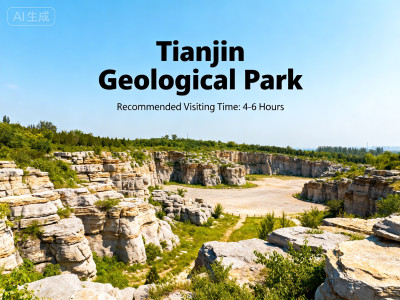
Tianjin Geological Park
Tianjin Geological Park is a remarkable natural museum that unveils the geological history of northern China spanning over 1.4 billion years. Located in the Jizhou District of Tianjin, this park covers approximately 342 square kilometers and serves as a living textbook of Earths evolution. The park features spectacular geological formations including the famous Huangyaguan Great Wall section built on quartzite mountains, ancient marine fossil beds, and unique karst landscapes. Visitors can explore various geological wonders such as the Middle Proterozoic Changcheng System rock formations, which are among the oldest exposed rocks in the region. The park also showcases evidence of ancient volcanic activity, sedimentary layers that tell stories of changing climates, and tectonic movements that shaped the North China Plain. Beyond its geological significance, the park integrates cultural elements with the nearby Huangyaguan section of the Great Wall, creating a perfect blend of natural wonders and human history. Educational trails, observation platforms, and interactive exhibits make this park an ideal destination for both geological enthusiasts and general tourists seeking to understand the deep history of our planet.
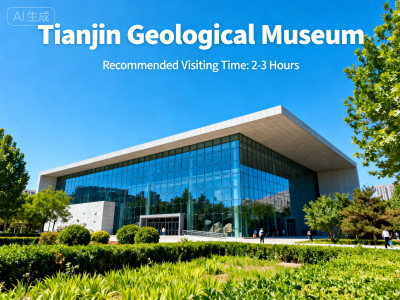
Geological Museum
The Tianjin Geological Museum is a comprehensive geological science museum that offers visitors an immersive exploration of Earths geological wonders. Located in the heart of Tianjin, this museum houses extensive collections of minerals, fossils, and geological specimens that tell the story of our planets evolution over billions of years. The museum features interactive exhibits, detailed geological models, and educational displays that make complex geological concepts accessible to visitors of all ages. Special emphasis is placed on Tianjins local geological features, including the Bohai Bay basin formations and the unique mineral resources found in northern China. The museum serves as both an educational center and a research institution, contributing to geological studies in the region.

Local Farm Restaurant
Nestled in the outskirts of Tianjin, this charming farm restaurant offers a unique culinary journey that connects diners directly with the source of their food. The restaurant operates on a working organic farm where vegetables, fruits, and herbs are grown using traditional Chinese farming methods passed down through generations. The dining experience here is not just about eating but about understanding the connection between land, food, and culture. The restaurant features rustic yet elegant decor with wooden beams, traditional Chinese pottery, and panoramic views of the surrounding farmland. What makes this establishment special is its commitment to sustainability and preserving Tianjin's agricultural heritage while serving exquisite regional cuisine.
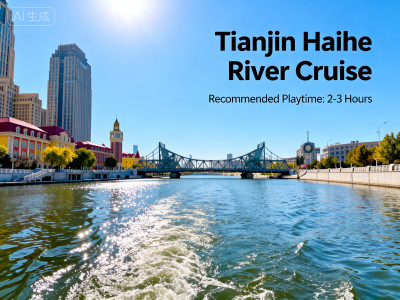
Haihe River Cruise
The Haihe River Cruise offers a unique perspective of Tianjin's stunning architecture and rich history as you glide along the city's most important waterway. The Haihe River, often called Tianjin's mother river, has been the lifeblood of the city for centuries, serving as a crucial transportation route and commercial artery. As you embark on this journey, you'll witness the perfect blend of Western colonial architecture and traditional Chinese design that makes Tianjin so distinctive. The cruise takes you past iconic landmarks including the Italian Style Street, the dazzling Tianjin Eye Ferris wheel, and numerous historic bridges that showcase different architectural styles from around the world. Each bridge tells a story - from the modern Liberation Bridge to the elegant Jiefang Bridge, creating a living museum of bridge architecture. The evening cruise is particularly magical as the city lights reflect on the water, creating a romantic atmosphere that has made this experience a favorite among both locals and visitors. The cruise provides not just transportation but a moving history lesson about Tianjin's development from a small fishing village to one of China's most important port cities.
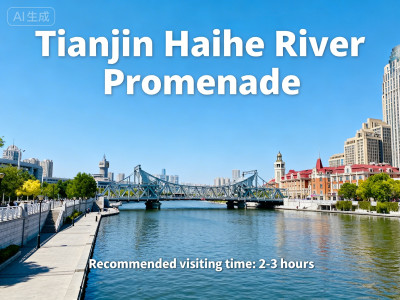
Haihe River Promenade
The Haihe River Promenade is a beautifully developed pedestrian area along the banks of the Haihe River, the lifeblood of Tianjin. It offers stunning views of the city's blend of colonial-era buildings and modern skyscrapers, with numerous bridges, gardens, and public art installations lining its path.
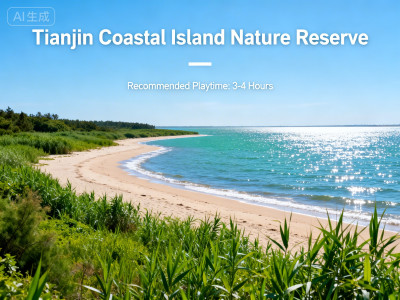
Coastal Island Nature Reserve
This reserve protects a significant coastal wetland area along the Bohai Sea, featuring diverse habitats including mudflats, salt marshes, and shallow waters that serve as crucial stopover points for migratory birds along the East Asian-Australasian Flyway.
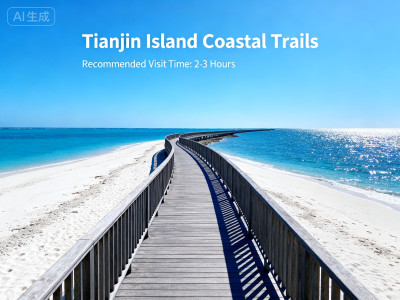
Island Coastal Trails
The Island Coastal Trails in Tianjin offer visitors a spectacular journey along the Bohai Sea coastline featuring pristine beaches dramatic cliffs and lush coastal vegetation This unique trail system connects several islands and peninsulas providing panoramic views of the sea and surrounding landscapes The trails showcase Tianjins maritime heritage with historical lighthouses fishing villages and traditional coastal architecture Visitors can experience the harmonious coexistence of nature and human settlement while enjoying fresh sea breezes and observing diverse marine life The area is particularly famous for its migratory bird watching opportunities during spring and autumn seasons
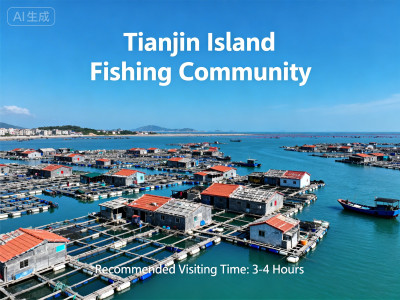
Island Fishing Community
The Island Fishing Community is a living heritage site located on a picturesque island in the Bohai Sea near Tianjin. This traditional fishing village has preserved its centuries-old way of life, offering visitors an authentic glimpse into China's coastal fishing culture. The community consists of colorful wooden houses built along the shoreline, fishing boats docked in the natural harbor, and narrow stone pathways connecting the village. Local fishermen still practice traditional fishing methods passed down through generations, using hand-woven nets and wooden boats. The village maintains a strong sense of community with shared facilities, seafood processing areas, and communal spaces where residents gather to mend nets and share stories. The air carries the fresh scent of the sea mixed with the aroma of drying seafood, creating a sensory experience that transports visitors back in time. The island's unique geography provides stunning views of the Bohai Sea and surrounding islands, making it both a cultural and natural treasure.
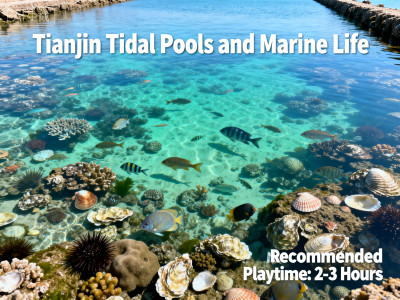
Tidal Pools and Marine Life
Tianjins tidal pools and marine life areas showcase the remarkable biodiversity of the Bohai Sea region These intertidal zones located along the citys coastline reveal a hidden world that emerges during low tide Visitors can explore rock pools sandy flats and mudflats teeming with marine creatures including crabs starfish sea anemones mollusks and various fish species The area represents an important ecological system where freshwater from the Haihe River meets the saltwater of the Bohai Sea creating unique brackish water environments This natural attraction offers educational opportunities about marine conservation coastal ecology and the delicate balance of these ecosystems The best time to visit is during spring and autumn when tidal conditions are most favorable for exploration
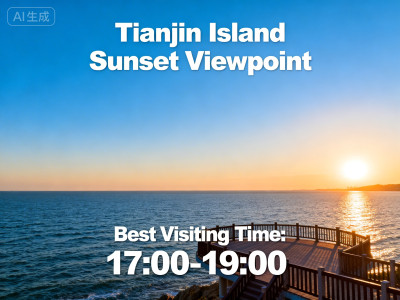
Island Sunset Viewpoint
Located on a coastal island in Tianjin, this viewpoint is renowned for its unobstructed western horizon, making it a popular destination for sunset enthusiasts and photographers. The area features walking paths, seating areas, and interpretive signs about the local marine environment.
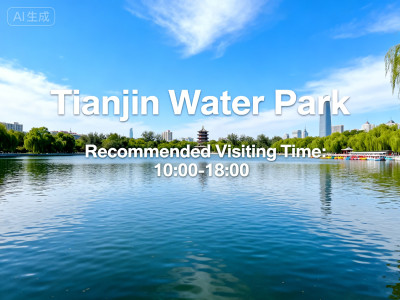
Tianjin Water Park
Tianjin Water Park also known as Shuishang Park is one of Tianjins largest and most beautiful urban parks covering an area of 200 hectares Established in 1950 the park features extensive water areas interconnected lakes and traditional Chinese garden elements The park masterfully combines natural landscapes with cultural attractions offering visitors a serene escape from the bustling city The design follows classical Chinese garden principles with winding paths pavilions bridges and carefully curated plantings creating picturesque scenes at every turn Throughout the park youll find various themed areas including lotus ponds willow lined shores and beautifully manicured gardens that change with the seasons
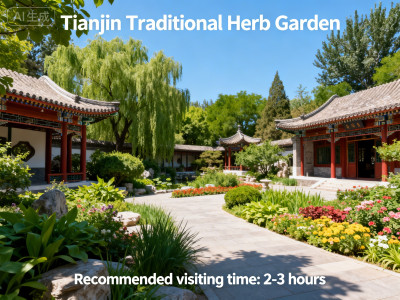
Traditional Herb Garden
The Traditional Herb Garden in Tianjin is a remarkable botanical sanctuary dedicated to preserving and showcasing Chinas rich heritage of traditional Chinese medicine TCM This expansive garden features over 500 species of medicinal plants herbs and trees carefully cultivated in thematic sections that represent different aspects of Chinese herbal medicine Visitors can explore the beautifully landscaped grounds which include traditional Chinese garden elements such as winding pathways rock formations water features and pavilions Each plant is labeled with both scientific and Chinese names along with detailed information about its medicinal properties preparation methods and historical uses in TCM The garden serves not only as an educational resource but also as a peaceful retreat where visitors can learn about the philosophy of balance and harmony that underpins traditional Chinese healing practices
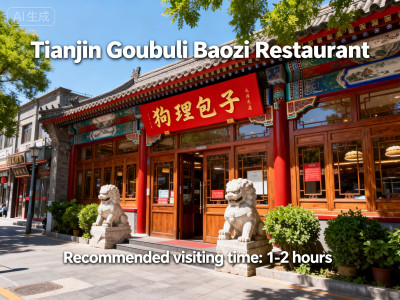
Goubuli Baozi Restaurant
Goubuli Baozi Restaurant is not just a dining establishment its a living piece of Tianjin history dating back to 1858 The name Goubuli literally translates to dogs dont care reflecting the original owners nickname and the irresistible quality of his steamed buns that even dogs would ignore their masters when these buns were around This iconic restaurant specializes in Tianjin Goubuli Baozi a UNESCO-recognized intangible cultural heritage item featuring 18 precise folds on each bun The restaurant offers an authentic experience where you can watch master chefs create these delicate buns through traditional techniques passed down through generations The dining environment combines Qing Dynasty architectural elements with modern comfort creating a perfect setting to enjoy one of Chinas most famous culinary treasures
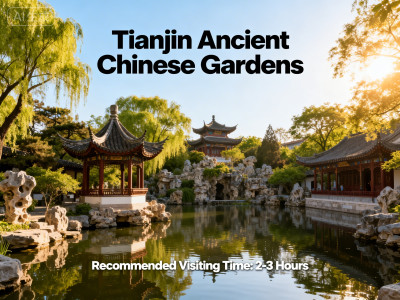
Ancient Chinese Gardens
The Ancient Chinese Gardens in Tianjin represent one of the finest collections of traditional Chinese garden design in northern China. This expansive complex features meticulously recreated gardens from various historical periods, including Ming and Qing dynasty styles. Each garden follows the fundamental principles of Chinese landscape design - harmony between architecture and nature, symbolic arrangements of rocks and water, and the creation of miniature worlds that reflect cosmic order. The gardens incorporate traditional elements like winding pathways, moon gates, pavilions, rockeries, lotus ponds, and carefully curated plantings that change with the seasons. Visitors can experience the philosophical concepts of yin and yang, the five elements, and the Taoist pursuit of harmony with nature through the garden layouts. The complex also includes educational displays about Chinese garden history, traditional construction techniques, and the cultural significance of garden elements in Chinese literature and art.
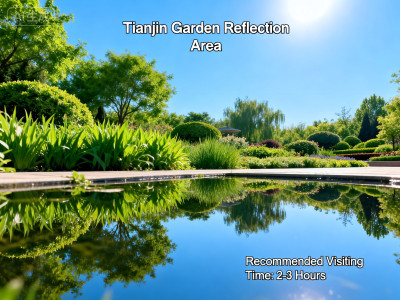
Garden Reflection Area
The Garden Reflection Area is one of Tianjins most exquisite classical Chinese gardens located in the heart of the city This meticulously designed garden follows traditional Chinese garden principles of creating miniature landscapes that reflect the natural world in a harmonious balance The name Reflection Area refers to both the physical water features that mirror the surrounding architecture and the philosophical concept of self reflection and contemplation that the garden inspiresnnBuilt during the Qing Dynasty the garden showcases the sophisticated aesthetics of Chinese landscape design with its winding pathways elegant pavilions rockeries and water features Every element is carefully arranged to create a sense of discovery and tranquility as visitors meander through the space The garden represents the Chinese philosophy of harmony between humanity and nature where man made structures blend seamlessly with natural elementsnnThe design incorporates the four essential elements of classical Chinese gardens rocks water plants and architecture arranged according to Feng Shui principles to create positive energy flow The garden features several distinct areas including the Moon Viewing Pavilion the Lotus Pond the Scholar's Study and the Zigzag Bridge each offering unique perspectives and experiencesnnBeyond its aesthetic beauty the Garden Reflection Area serves as a living museum of Chinese cultural traditions hosting seasonal festivals tea ceremonies and calligraphy exhibitions that allow visitors to immerse themselves in traditional Chinese arts and customs

Tianjin Food Street
Tianjin Food Street is a vibrant culinary destination that captures the essence of Tianjins gastronomic heritage. Located in the heart of the city, this bustling food street offers visitors an authentic taste of northern Chinese cuisine with a distinctive Tianjin flavor. The area features traditional architecture with red lanterns, carved wooden facades, and narrow alleyways that transport you back to old Tianjin. Here you can sample famous local specialties like Goubuli steamed buns, Erduoyan fried rice cakes, and Mahua twisted dough sticks. The street is not just about food—its a cultural experience where you can witness traditional cooking methods, interact with local vendors, and immerse yourself in the lively atmosphere of Tianjin street food culture. The area is divided into different sections featuring various regional Chinese cuisines, but the highlight remains the authentic Tianjin delicacies that have been perfected over centuries.
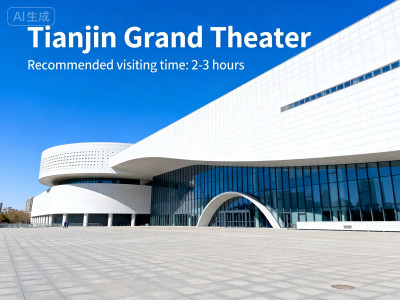
Tianjin Grand Theater
The Tianjin Grand Theater is a stunning modern architectural marvel that serves as the cultural heart of Tianjin. Designed by the renowned German architectural firm GMP, this magnificent structure opened in 2012 and has since become a symbol of Tianjins cultural renaissance. The theaters unique design features three main performance halls housed under a single, flowing roof that resembles a seashell or a blossoming flower, paying homage to Tianjins coastal heritage. The complex includes a 1,600-seat opera house, a 1,200-seat concert hall, and a 400-seat multi-functional theater, all equipped with state-of-the-art acoustics and lighting systems. The theaters exterior is clad in shimmering aluminum panels that reflect the changing light throughout the day, creating a dynamic visual experience. Located in the Hexi District along the Haihe River, the theater is part of Tianjins cultural corridor and serves as a premier venue for both local and international performances, including opera, ballet, symphony concerts, and traditional Chinese theater.
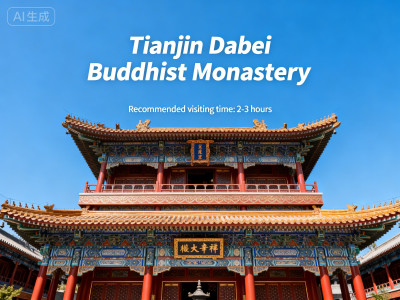
Dabei Buddhist Monastery
Dabei Buddhist Monastery also known as the Great Compassion Monastery is one of Tianjins most important Buddhist temples with a history dating back to the Ming Dynasty The monastery complex features stunning traditional Chinese architecture including magnificent halls intricate carvings and beautiful gardens The main hall houses a remarkable 72 meter tall bronze statue of the ThousandHanded Guanyin Bodhisattva making it one of the tallest indoor Buddhist statues in the world The monastery serves as both an active place of worship and a cultural treasure offering visitors a peaceful retreat from the bustling city while showcasing the rich spiritual traditions of Chinese Buddhism
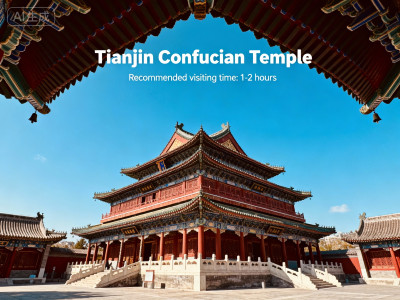
Tianjin Confucian Temple
The Tianjin Confucian Temple also known as Wen Miao is one of the most important Confucian temples in northern China Built during the Ming Dynasty in 1436 it has served as a center for Confucian worship and imperial examinations for centuries The temple complex covers an area of 12000 square meters and features traditional Chinese architecture with elegant halls pavilions and courtyards It was originally established as a place for scholars to pay homage to Confucius and to prepare for the imperial civil service examinations The temple underwent several renovations during the Qing Dynasty and was restored in recent years to preserve its cultural heritage Today it stands as a testament to Chinas rich intellectual history and Confucian traditions
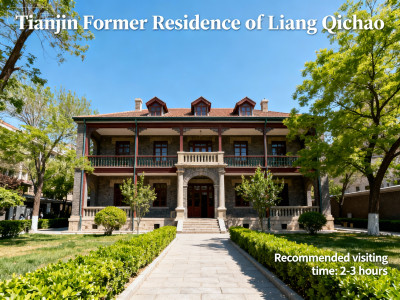
Former Residence of Liang Qichao
Located in the Italian Concession area of Tianjin, this well-preserved European-style villa was the home of Liang Qichao from 1915 to 1929 during his most productive years. Liang Qichao was a prominent scholar, journalist, and political reformer who played a crucial role in Chinas transition from imperial rule to modern republic. The residence showcases the life and work of this intellectual giant who advocated for constitutional monarchy, educational reform, and modernization while preserving Chinese cultural heritage. The two-story building features Western architectural elements with Chinese decorative touches, reflecting the cultural fusion of early 20th century Tianjin. Inside, visitors can see Lings study where he wrote many influential essays, his personal library, family living quarters, and exhibition halls displaying his manuscripts, photographs, and personal effects. The residence offers a fascinating glimpse into the life of a man whose ideas shaped modern Chinese political thought and whose writings continue to influence Chinese intellectuals today.
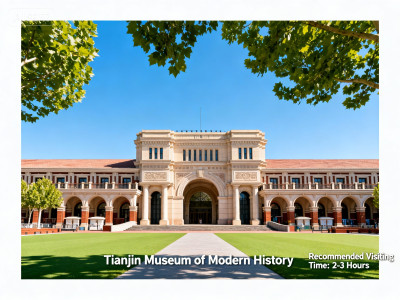
Tianjin Museum of Modern History
The Tianjin Museum of Modern History is a premier cultural institution that chronicles the remarkable transformation of Tianjin from a treaty port to a modern metropolis. Housed in a beautifully restored colonial-era building that itself is a historical artifact, the museum offers visitors a journey through time from the late 19th century to present day. Through meticulously curated exhibits, interactive displays, and authentic artifacts, the museum tells the story of Tianjins unique position as one of Chinas first international trading ports and its evolution into a major economic hub. The collection includes rare photographs, documents, personal belongings of historical figures, and scale models that bring to life the architectural and social changes that shaped modern Tianjin. The museums narrative covers key periods including the late Qing Dynasty, the Republican era, Japanese occupation, and post-liberation development, providing a balanced perspective on the citys complex history.
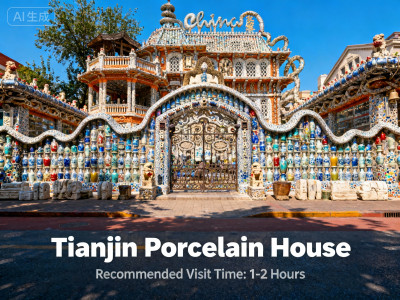
Porcelain House
The Porcelain House is one of Tianjins most unique and visually stunning attractions located in the historic French Concession area This extraordinary building was transformed by local businessman Zhang Lianzhi who spent over 20 years collecting antique porcelain ceramic pieces crystal and glass to decorate the entire exterior and interior of this former Frenchstyle villa The building features over 400 million pieces of porcelain including rare Ming and Qing dynasty artifacts as well as over 13000 ancient porcelain bowls 300 stone lions and countless other ceramic treasures Every surface from walls and ceilings to railings and decorative elements is meticulously covered in colorful porcelain creating a breathtaking mosaic effect The interior houses a museum showcasing Chinese porcelain history while the exterior stands as a testament to one mans passion for preserving Chinese cultural heritage through innovative artistic expression

Haihe River
The Haihe River, often called Tianjins Mother River, is the largest river system in northern China and the lifeline of Tianjin. Stretching over 1,050 kilometers, it flows through the heart of the city, connecting five major tributaries and emptying into the Bohai Sea. This historic waterway has been central to Tianjins development as a major port city and trading hub since ancient times. The riverside area showcases a fascinating blend of architectural styles from different historical periods, including colonial-era buildings from Tianjins concession period, modern skyscrapers, and traditional Chinese structures. The riverbanks have been beautifully developed into scenic promenades, parks, and entertainment areas, making it a perfect place to experience Tianjins unique character where East meets West. At night, the river comes alive with spectacular light shows and illuminated bridges that create a magical atmosphere.
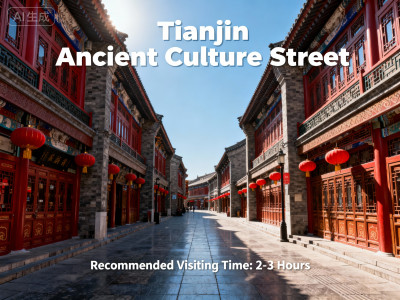
Ancient Culture Street
Tianjin Ancient Culture Street also known as Gu Wenhua Jie is a meticulously restored traditional Chinese street located along the Haihe River This historic thoroughfare dates back to the Qing Dynasty and has been carefully preserved to showcase traditional Chinese architecture culture and craftsmanship The street features over 100 shops and stalls housed in beautiful Qing Dynasty style buildings with intricate wood carvings colorful paintings and traditional architectural elements Visitors can experience authentic Chinese culture through various traditional arts crafts and local delicacies The street serves as a living museum of Tianjins rich cultural heritage offering a glimpse into the citys historical commercial and cultural life
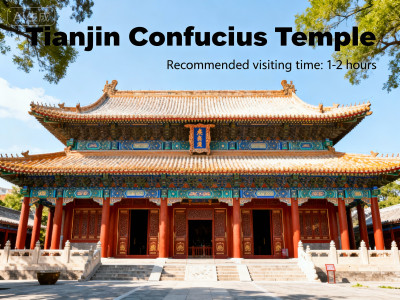
Confucius Temple
Located in the ancient cultural district of Tianjin the Confucius Temple also known as Wen Miao is one of the best preserved Confucian temples in northern China Built during the Ming Dynasty in 1436 this temple complex served as a center for Confucian worship and imperial examinations The temple follows traditional Chinese architectural principles with symmetrical layouts and exquisite craftsmanship reflecting the profound influence of Confucianism on Chinese culture and education The complex includes the main hall Dacheng Hall where Confucius is enshrined along with other halls pavilions and courtyards that showcase traditional Chinese architectural beauty
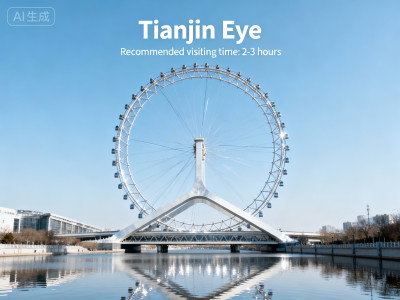
Tianjin Eye
The Tianjin Eye stands as an iconic landmark in Tianjin offering breathtaking panoramic views of the city from 120 meters above the Hai River Completed in 2008 this engineering marvel combines modern architecture with traditional Chinese design elements The Ferris wheel features 48 transparent passenger capsules each accommodating up to 8 people providing a comfortable 30minute rotation that showcases Tianjins stunning skyline historical architecture and the winding Hai River The structure illuminates beautifully at night with colorful LED lights creating a mesmerizing spectacle against the citys backdrop

Italian Style Town
Italian Style Town also known as Italian Concession Area is a beautifully preserved historical district in Tianjin that showcases the citys unique colonial heritage During the late 19th and early 20th centuries Tianjin was home to nine foreign concessions established by various Western powers and Japan The Italian concession established in 1902 was one of the smallest but most architecturally significant areas Today this district has been meticulously restored to recreate the ambiance of a traditional Italian town with cobblestone streets Mediterraneanstyle buildings and European plazas The area covers approximately 28000 square meters and features over 200 Europeanstyle buildings including villas churches and commercial structures that blend Italian Renaissance architecture with local Chinese elements This unique fusion creates a fascinating cultural landscape where East meets West in architectural harmony
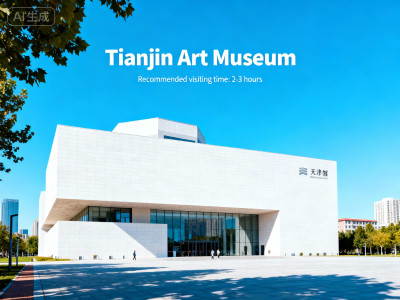
Tianjin Art Museum
The Tianjin Art Museum is a worldclass art institution located in the heart of Tianjin within the prestigious Five Great Avenues historical district Housed in a beautifully restored colonialera building that dates back to the early 20th century the museum offers visitors an exceptional journey through Chinese and international art The museums collection spans from ancient Chinese artifacts to contemporary masterpieces with particular emphasis on modern Chinese art from the 20th and 21st centuries The architecture itself is a work of art blending European neoclassical elements with Chinese decorative motifs reflecting Tianjins unique history as an international treaty port The museum regularly hosts temporary exhibitions featuring works from renowned artists around the world making it a dynamic cultural hub in northern China
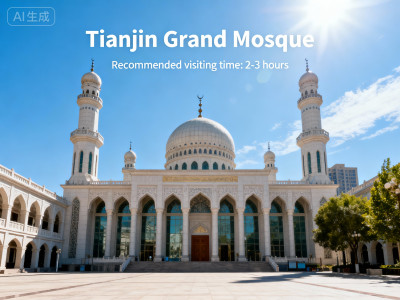
Grand Mosque
Tianjin Grand Mosque is a stunning architectural masterpiece that beautifully blends traditional Chinese temple design with Islamic religious elements. Built during the Qing Dynasty in 1644, this mosque has served as the spiritual center for Tianjins Muslim community for over 370 years. The complex covers approximately 5,000 square meters and features a harmonious integration of Chinese courtyard style with Islamic architectural principles. The main prayer hall faces Mecca and is adorned with intricate Arabic calligraphy and traditional Chinese decorative elements. The mosque represents the long history of Muslim presence in Tianjin, which dates back to the Yuan Dynasty when Muslim merchants traveled along the Grand Canal. Today, it remains an active place of worship while also welcoming visitors to appreciate its cultural and architectural significance. The peaceful atmosphere within the mosque walls provides a serene escape from the bustling city outside.
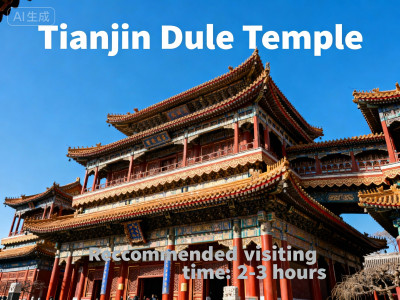
Dule Temple
Dule Temple, also known as the Temple of Solitary Joy, is one of the oldest and most important Buddhist temples in northern China. Located in Jizhou District of Tianjin, this temple was originally built during the Tang Dynasty (618-907 AD) and has been reconstructed several times throughout history. The temple is renowned for its exquisite wooden architecture that has survived for over a thousand years without the use of nails. The main hall, Guanyin Pavilion, houses a magnificent 16-meter-tall clay statue of the Goddess of Mercy, Guanyin, which is considered one of the largest and oldest clay Buddhist statues in China. The temple complex reflects the architectural styles of the Liao Dynasty (907-1125 AD) and showcases the evolution of Chinese Buddhist art and architecture through different dynasties. Dule Temple stands as a testament to China's rich religious heritage and architectural ingenuity, offering visitors a glimpse into ancient Chinese spiritual practices and artistic achievements.
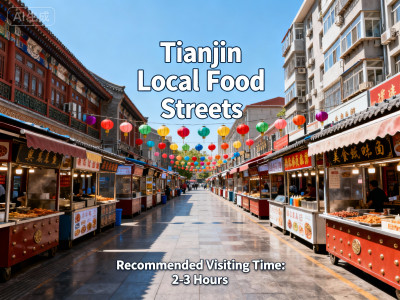
Tianjin Local Food Streets
Tianjin Local Food Streets represent the vibrant culinary heart of this historic port city offering an authentic taste of northern Chinese cuisine with distinctive Tianjin flavors These food streets preserve centuriesold cooking traditions while embracing modern culinary innovations creating a dynamic gastronomic experience that reflects Tianjins rich history as a trading hub and cultural melting pot
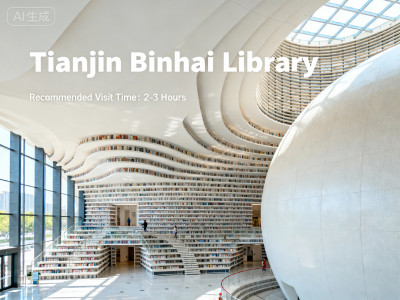
Tianjin Binhai Library
Designed by the renowned Dutch architectural firm MVRDV in collaboration with Tianjin Urban Planning and Design Institute the Tianjin Binhai Library opened in 2017 as part of the Binhai Cultural Center The buildings most striking feature is its spherical auditorium known as The Eye which appears to be a giant glowing eyeball at the center of the space The terraced bookshelves that cascade from floor to ceiling create a mesmerizing wave like pattern that has made this library one of the most photographed buildings in China Beyond its stunning aesthetics the library serves as a comprehensive cultural center housing over 12 million books reading areas childrens sections multimedia rooms and exhibition spaces The design cleverly incorporates natural light through the curved glass facade while the white interior with its flowing contours creates a serene atmosphere for reading and contemplation This architectural wonder represents Tianjins transformation into a modern cosmopolitan city while maintaining its commitment to education and culture

TEDA Modern Art Museum
TEDA Modern Art Museum stands as a beacon of contemporary art in northern China, located within the vibrant Tianjin Economic-Technological Development Area. This architectural marvel combines sleek modern design with functional exhibition spaces, creating an immersive environment for experiencing cutting-edge art. The museum focuses on showcasing works that challenge traditional boundaries, featuring experimental installations, digital media art, conceptual photography, and avant-garde sculptures. With rotating exhibitions that highlight both established and emerging artists, TEDA serves as a cultural bridge between Chinese contemporary art and global artistic movements. The museums commitment to innovation extends beyond its exhibitions to include interactive workshops, artist talks, and educational programs that engage visitors of all ages with the dynamic world of modern art.

Tianjin Radio Television Tower
Standing at 4152 meters tall the Tianjin Radio Television Tower is the fourth tallest freestanding tower in the world and the second tallest in China Completed in 1991 this magnificent structure combines broadcasting functions with tourism facilities The towers unique design features a circular pod at 253 meters above ground which houses observation decks restaurants and entertainment venues From the observation deck visitors can enjoy breathtaking 360degree panoramic views of Tianjin city the Haihe River and surrounding areas The tower is especially spectacular at night when its illuminated structure creates a stunning visual landmark against the city skyline
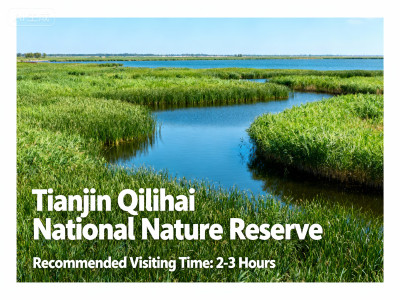
Qilihai National Nature Reserve
Qilihai National Nature Reserve is one of the largest and most important coastal wetlands in northern China, located in the Ninghe District of Tianjin. Covering approximately 233 square kilometers, this ecological treasure serves as a critical stopover point for migratory birds along the East Asian-Australasian Flyway. The reserve gets its name from the seven interconnected lakes that form its core wetland system. With its vast reed marshes, shallow lakes, and rich biodiversity, Qilihai plays a vital role in water purification, flood control, and climate regulation for the Beijing-Tianjin-Hebei region. The reserve represents a harmonious coexistence between human activity and nature conservation, with traditional fishing and reed harvesting practices that have been sustainable for centuries.
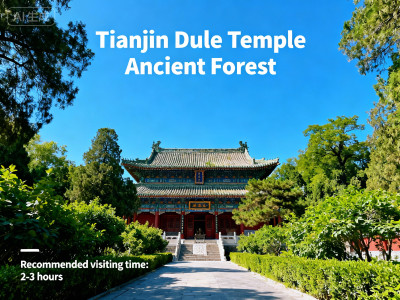
Dule Temple Ancient Forest
Dule Temple Ancient Forest is one of the oldest surviving wooden structures in China dating back to the Tang Dynasty 618907 AD The temple complex is renowned for its magnificent ancient cypress trees some of which are over 1000 years old creating a serene spiritual atmosphere The main hall Guanyin Pavilion is a masterpiece of ancient Chinese architecture built without a single nail using only wooden brackets The temple has survived numerous wars and natural disasters throughout Chinese history making it a living testament to Buddhist culture and architectural ingenuity The ancient forest surrounding the temple consists of hundreds of cypress trees many with unique twisted shapes and spiritual significance according to local legends
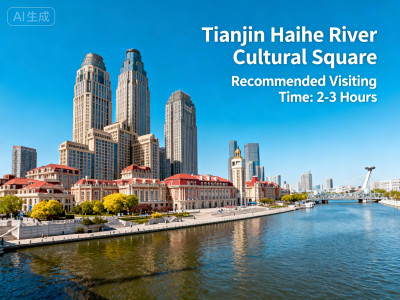
Haihe River Cultural Square
Haihe River Cultural Square is a magnificent public space stretching along the banks of the Haihe River Tianjins most important waterway that has shaped the citys history and development for centuries This expansive square represents the perfect fusion of Tianjins dual identity as both a traditional Chinese port city and a cosmopolitan center influenced by Western colonial architecture The square features beautifully landscaped gardens artistic sculptures and stunning views of the riverside promenade where visitors can admire the unique blend of Europeanstyle buildings from the colonial era alongside modern skyscrapers creating a picturesque skyline that tells the story of Tianjins transformation from a humble fishing village to a major international port city
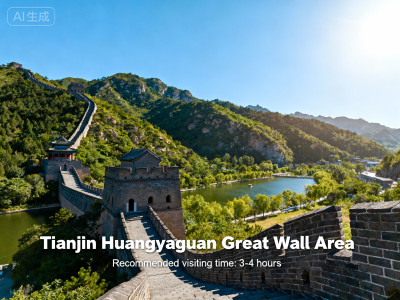
Huangyaguan Great Wall Area
Huangyaguan Great Wall also known as Huangya Pass is a wellpreserved section of the Great Wall located in Jixian County about 130 kilometers north of Tianjin city This section was first built during the Northern Qi Dynasty 550577 AD and extensively renovated during the Ming Dynasty 13681644 AD What makes Huangyaguan unique is its strategic location at a narrow mountain pass surrounded by steep cliffs and dense forests creating a natural fortress The wall here features distinctive architectural elements including watchtowers beacon towers and fortified gates with the most famous being the Huangya Pass Gatehouse The wall snakes through rugged terrain offering panoramic views of the surrounding mountains and valleys Unlike the more crowded sections near Beijing Huangyaguan provides a more authentic and peaceful experience allowing visitors to appreciate both the engineering marvel of the Great Wall and the natural beauty of the region
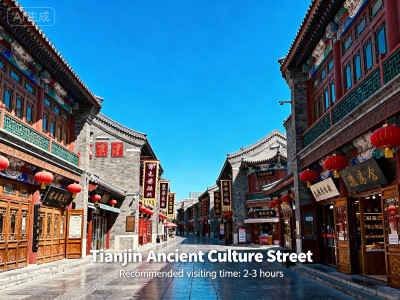
Tianjin Ancient Culture Street
Tianjin Ancient Culture Street also known as Gu Wenhua Jie is a meticulously restored traditional Chinese street located along the Haihe River This 680meter long pedestrian street was originally built during the Yuan Dynasty and reconstructed in 1985 to preserve Tianjins cultural heritage The architecture showcases classic Qing Dynasty style with grey brick walls upturned eaves and intricate wood carvings The street serves as a living museum of Tianjin culture featuring over 100 shops selling traditional handicrafts calligraphy paintings folk art and local snacks Visitors can experience authentic Tianjin culture through various performances including traditional Chinese opera storytelling and folk music The street is particularly famous for its connection to Mazu the Chinese sea goddess with the magnificent Tianhou Palace Temple dedicated to her worship
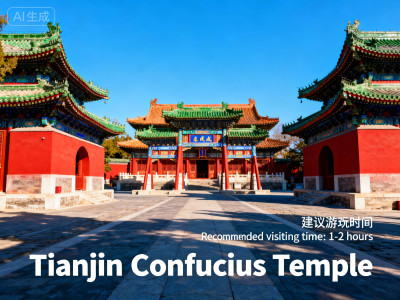
Tianjin Confucius Temple
The Tianjin Confucius Temple also known as Wen Miao is one of the best preserved Confucian temples in northern China Originally built in 1436 during the Ming Dynasty it has undergone several renovations throughout its history The temple complex follows traditional Confucian architectural principles with symmetrical layouts and distinct ceremonial spaces The main hall Dacheng Hall houses a statue of Confucius and is surrounded by courtyards ceremonial gates and stone tablets The temple served as both a place of worship for Confucius and an educational institution where scholars prepared for imperial examinations Today it stands as a peaceful oasis in central Tianjin offering visitors insight into traditional Chinese education philosophy and architectural heritage The temple complex includes the Confucius Temple itself the Tianjin Prefecture School and the Imperial Examination Hall making it a comprehensive representation of Chinas ancient education system
Want the days already arranged?
Open the guidebook