Skip to content

Guangzhou · Attraction

Mingchun Valley

A hidden gem in Guangzhou's Baiyun Mountain area, Mingchun Valley is a serene natural retreat that combines breathtaking waterfalls, lush forests, and traditional Chinese garden aesthetics

GuangzhouIn the destination guideGuangzhouExplore
Mingchun Valley
Guangzhou, ChinaField notes · Attraction
GuangzhouWaterfallsNatural SceneryHiking

Why go

About Mingchun Valley

Mingchun Valley, located within the Baiyun Mountain Scenic Area, is a picturesque valley known for its cascading waterfalls, crystal-clear streams, and tranquil forest paths. The name Mingchun translates to 'Singing Spring,' perfectly capturing the melodic sound of water flowing through the valley. This natural wonderland features multiple waterfall tiers, the most famous being the Mingchun Waterfall which drops 30 meters into a turquoise pool below.

The valley is particularly famous for its spring blossoms and autumn foliage, creating a different visual spectacle each season. Traditional Chinese pavilions and stone bridges dot the landscape, blending harmoniously with the natural environment. The area has been developed with eco-friendly wooden walkways that allow visitors to explore without disturbing the delicate ecosystem.

Local legends speak of ancient poets who found inspiration here, and the valley has been a source of artistic creativity for centuries. The microclimate created by the waterfalls and dense vegetation makes Mingchun Valley noticeably cooler than the surrounding Guangzhou area, providing a refreshing escape from the city's subtropical heat.

Make time for

Practical ideas, not a checklist

  1. 01Hike along the wooden boardwalks to see the three-tiered Mingchun Waterfall
  2. 02Photograph the vibrant azalea and rhododendron blossoms in spring
  3. 03Enjoy traditional tea at the valley's teahouse overlooking the waterfalls
  4. 04Explore the hidden caves behind some of the smaller waterfalls
  5. 05Practice Tai Chi or meditation in the peaceful morning hours
  6. 06Visit during autumn to see the spectacular maple tree foliage
  7. 07Look for local wildlife including colorful butterflies and rare bird species
  8. 08Cross the traditional Chinese Moon Bridge for panoramic valley views

Good to know

Best Time to Visit
Spring (March-May) for flowers or Autumn (October-November) for foliage
Elevation
Approximately 200-350 meters above sea level
Waterfall Height
Main waterfall drops 30 meters
Walking Distance
Approximately 2.5 kilometers of trails
Accessibility
Wooden boardwalks suitable for most visitors, some steep sections
Nearby Attractions
Baiyun Mountain Peak, Yuntai Garden, Guangzhou Sculpture Park
Local Specialty
Baiyun Mountain spring water tea
Cultural Significance
Featured in classical Chinese poetry and painting
More in Guangzhou

Keep the day
unfolding.

Panxi RestaurantGuangzhou

Panxi Restaurant

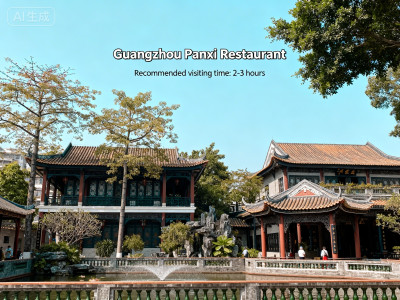
Panxi Restaurant is a legendary Cantonese dining establishment that has been serving authentic Guangzhou cuisine since 1947. Situated in the picturesque Liwan Lake Park, this restaurant is famous for its traditional Lingnan-style architecture featuring pavilions, corridors, and courtyards that create a serene dining atmosphere. The restaurant spans over 10,000 square meters with multiple dining halls and private rooms, some overlooking the tranquil lake. Panxi is renowned for preserving traditional Cantonese cooking techniques while offering a wide variety of dim sum, seafood dishes, and classic Guangzhou specialties. The restaurant has hosted numerous dignitaries and celebrities over the decades and remains a beloved institution for both locals and tourists seeking an authentic Cantonese dining experience.

Six Banyan Trees TempleGuangzhou

Six Banyan Trees Temple

Six Banyan Trees Temple also known as Liurong Temple is one of Guangzhous most ancient and culturally significant Buddhist temples Originally built in 537 AD during the Southern Dynasties period the temple has undergone numerous reconstructions throughout its long history The name Six Banyan Trees comes from the six magnificent banyan trees that once graced the temple grounds planted by the famous poet Su Shi during the Song Dynasty The temples most iconic feature is the Flower Pagoda a magnificent octagonal structure standing 57 meters tall with nine stories that appears to have thirteen stories from the outside This architectural marvel combines Chinese and Indian design elements and offers panoramic views of Guangzhou The temple complex includes several halls dedicated to different Buddhist deities including the Hall of Heavenly Kings the Mahavira Hall and the Hall of Six Patriarchs Throughout its history the temple has served as an important center for Buddhist learning and practice particularly for the Chan Zen tradition Today it remains an active place of worship and a peaceful oasis in the bustling heart of Guangzhou

Traditional TeahouseGuangzhou

Traditional Teahouse

Guangzhous traditional teahouses represent the heart of Cantonese culture where tea is not just a beverage but a way of life These establishments have been social hubs for centuries serving as meeting places for business discussions family gatherings and cultural exchanges The teahouse experience in Guangzhou is unique with its distinctive yum cha tradition which literally means drink tea but encompasses the entire ritual of enjoying tea with dim sum snacks The architecture often features traditional Lingnan style with wooden carvings antique furniture and serene courtyards creating an atmosphere that transports visitors back to ancient times