Attractions in Guangzhou · 42 places
Places worth
Landmarks with a story, neighbourhood corners with a slower pace and natural places that deserve more than a photograph. Use this index as a starting point, not a checklist.
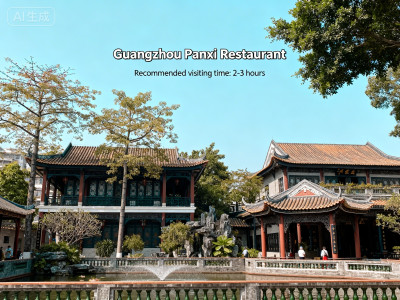
Panxi Restaurant
Panxi Restaurant is a legendary Cantonese dining establishment that has been serving authentic Guangzhou cuisine since 1947. Situated in the picturesque Liwan Lake Park, this restaurant is famous for its traditional Lingnan-style architecture featuring pavilions, corridors, and courtyards that create a serene dining atmosphere. The restaurant spans over 10,000 square meters with multiple dining halls and private rooms, some overlooking the tranquil lake. Panxi is renowned for preserving traditional Cantonese cooking techniques while offering a wide variety of dim sum, seafood dishes, and classic Guangzhou specialties. The restaurant has hosted numerous dignitaries and celebrities over the decades and remains a beloved institution for both locals and tourists seeking an authentic Cantonese dining experience.

Six Banyan Trees Temple
Six Banyan Trees Temple also known as Liurong Temple is one of Guangzhous most ancient and culturally significant Buddhist temples Originally built in 537 AD during the Southern Dynasties period the temple has undergone numerous reconstructions throughout its long history The name Six Banyan Trees comes from the six magnificent banyan trees that once graced the temple grounds planted by the famous poet Su Shi during the Song Dynasty The temples most iconic feature is the Flower Pagoda a magnificent octagonal structure standing 57 meters tall with nine stories that appears to have thirteen stories from the outside This architectural marvel combines Chinese and Indian design elements and offers panoramic views of Guangzhou The temple complex includes several halls dedicated to different Buddhist deities including the Hall of Heavenly Kings the Mahavira Hall and the Hall of Six Patriarchs Throughout its history the temple has served as an important center for Buddhist learning and practice particularly for the Chan Zen tradition Today it remains an active place of worship and a peaceful oasis in the bustling heart of Guangzhou

Traditional Teahouse
Guangzhous traditional teahouses represent the heart of Cantonese culture where tea is not just a beverage but a way of life These establishments have been social hubs for centuries serving as meeting places for business discussions family gatherings and cultural exchanges The teahouse experience in Guangzhou is unique with its distinctive yum cha tradition which literally means drink tea but encompasses the entire ritual of enjoying tea with dim sum snacks The architecture often features traditional Lingnan style with wooden carvings antique furniture and serene courtyards creating an atmosphere that transports visitors back to ancient times

Hualin Temple
Hualin Temple also known as Hualin Chan Temple is a historic Buddhist temple located in the Liwan District of Guangzhou Guangdong Province Established during the Liang Dynasty in 526 AD during the reign of Emperor Wu of Liang it is one of the four great Buddhist temples of Guangzhou along with Guangxiao Temple Liurong Temple and Haizhuang Temple The temple has undergone numerous reconstructions throughout its history with the current structures mainly dating from the Qing Dynasty 16441912 The temple complex covers an area of approximately 14000 square meters and features traditional Chinese temple architecture with elegant halls courtyards and gardens Hualin Temple is particularly famous for its Five Hundred Arhats Hall which houses 500 life size gilded clay statues of arhats Buddhist saints each with unique facial expressions and postures representing different aspects of enlightenment The temple serves as an active Buddhist monastery and cultural heritage site offering visitors a peaceful retreat from the bustling city while showcasing traditional Chinese Buddhist art and architecture

Qingping Market
Qingping Market, established in the late Qing Dynasty, is a legendary open-air market located along the Pearl River in Guangzhou's historic Liwan District. This sprawling market covers several blocks and offers an authentic sensory experience of traditional Cantonese life. Known as the 'kitchen of Guangzhou,' it's where locals and chefs come to source the freshest ingredients, from exotic herbs and medicinal plants to live seafood and rare delicacies. The market is divided into sections specializing in different products - dried seafood and medicinal herbs in the northern section, fresh produce and meats in the central area, and traditional Chinese medicines in specialized shops. The atmosphere is lively and chaotic, with vendors calling out prices in Cantonese, the aroma of spices filling the air, and the sounds of bargaining creating a symphony of commerce. Qingping Market represents the heart of Guangzhou's food culture and serves as a living museum of traditional Chinese market practices that have remained largely unchanged for over a century.

Haixinsha Island
Haixinsha Island is a stunning man-made island located in the heart of Guangzhou's Pearl River. Created specifically for the 2010 Asian Games, this 176,000 square meter island has become one of Guangzhou's most recognizable landmarks. The island's name Haixinsha translates to Sea Heart Sand reflecting its position in the river. The island features a unique sail-shaped design with three main sections connected by bridges creating a harmonious blend of modern architecture and natural river scenery. The centerpiece is the magnificent Asian Games Park where the spectacular opening and closing ceremonies took place. Today Haixinsha serves as a multi-functional venue hosting major cultural events concerts and exhibitions while offering visitors breathtaking views of Guangzhou's skyline including the iconic Canton Tower and Guangzhou Opera House. The islands strategic location makes it a perfect spot to appreciate Guangzhou's transformation from a historic trading port to a modern metropolis.

Guangdong Museum
The Guangdong Museum is a magnificent modern architectural marvel located in the heart of Guangzhou on the southern bank of the Pearl River As one of Chinas largest provincial museums it houses over 160000 cultural relics spanning from prehistoric times to the modern era The museums distinctive design resembles a treasure box floating above a sea of water symbolizing the maritime heritage of Guangdong province Inside visitors can explore five major exhibition halls covering natural resources historical artifacts ceramics art and intangible cultural heritage The museum offers a comprehensive journey through Guangdong's 2000year history as a major trading port and cultural melting pot where Chinese traditions blended with foreign influences from around the world

Guangzhou Opera House
The Guangzhou Opera House, also known as the Guangzhou Grand Theatre, is a stunning architectural marvel that has become an iconic symbol of modern Guangzhou. Designed by the late British-Iraqi architect Dame Zaha Hadid, this futuristic structure opened in 2010 and represents a bold departure from traditional Chinese architecture. The building's fluid, organic forms resemble two smooth pebbles washed up by the Pearl River, creating a harmonious dialogue between nature and urban development. As one of the largest performing arts centers in China, it hosts world-class opera, ballet, symphony concerts, and theatrical performances. The interior features a 1,800-seat main hall and a 400-seat multifunctional hall, both equipped with state-of-the-art acoustics and lighting systems. The building's titanium and glass facade reflects the changing light throughout the day, creating a mesmerizing visual spectacle. Located in the heart of Guangzhou's new central business district, the Opera House stands as a testament to the city's transformation into a global metropolis while maintaining its cultural heritage.

Shangxiajiu Pedestrian Street
Shangxiajiu Pedestrian Street is one of the most famous commercial streets in Guangzhou with a history spanning over 1,200 years. Located in the historic Liwan District, this 1,237-meter-long pedestrian street preserves the traditional Lingnan architectural style with its iconic arcaded buildings featuring continuous covered walkways that protect pedestrians from both rain and sun. The street gets its name from the combination of Shangjiu Road, Xiajiu Road, and Dishifu Road. It represents the heart of old Guangzhou's commercial district and serves as a living museum of Cantonese culture, architecture, and commerce. The area flourished during the Qing Dynasty as a major trading hub and continues to be a bustling center for traditional Cantonese businesses, including herbal medicine shops, silk stores, tea houses, and local snack vendors. The architecture features Western-style arcades combined with traditional Chinese elements, creating a unique blend that reflects Guangzhou's history as a major port city and its interactions with foreign traders.

Temple of Six Banyan Trees
The Temple of Six Banyan Trees also known as Liurong Temple is one of Guangzhous most famous ancient Buddhist temples with a history spanning over 1400 years The temple was originally built in 537 AD during the Southern Dynasties period by Emperor Wu of Liang to house Buddhist relics brought from India The name Six Banyan Trees comes from the six ancient banyan trees that once grew in the temple courtyard planted by the famous poet Su Shi during the Song Dynasty The temples most prominent feature is the magnificent Flower Pagoda a 57 meter tall octagonal pagoda with nine stories that appears to have thirteen stories from the outside due to its architectural design The pagoda is adorned with colorful glazed tiles and intricate carvings earning it the name Flower Pagoda The temple complex includes several halls such as the Mahavira Hall Six Banyan Hall and Hall of Heavenly Kings each housing precious Buddhist statues and artifacts Throughout its long history the temple has been destroyed and rebuilt several times with the current structures dating mainly from the Qing Dynasty and later restorations Today it serves as both an active Buddhist monastery and a major cultural attraction showcasing the rich Buddhist heritage of Guangzhou

Guangxiao Temple
Guangxiao Temple also known as Bright Filial Piety Temple is the oldest Buddhist temple in Guangzhou with a history dating back to the Western Han Dynasty around 196 AD Originally built as the residence of Prince Zhao Jiande of the Nanyue Kingdom it was later converted into a Buddhist temple during the Three Kingdoms period The temple has served as a major center for Buddhist learning and practice in Southern China for centuries Many famous monks including the Sixth Patriarch of Chan Buddhism Huineng were ordained here The temple complex features traditional Chinese architecture with magnificent halls ancient trees and historical relics that showcase the rich Buddhist heritage of the Lingnan region

Sun Yatsen Memorial Hall
The Sun Yatsen Memorial Hall is an iconic architectural masterpiece built in 1931 to commemorate Dr Sun Yatsen the revolutionary leader who played a pivotal role in overthrowing the Qing Dynasty and establishing the Republic of China Located in the heart of Guangzhou this grand octagonal building showcases traditional Chinese palace architecture with Western influences The hall stands as a testament to Dr Suns vision for a modern China and serves as an important cultural and historical site in southern China

Beijing Road Pedestrian Street
Beijing Road Pedestrian Street is one of Guangzhou's most famous and historically significant commercial areas. This 440-meter long pedestrian street dates back over 2,000 years to the Qin Dynasty and has served as the commercial heart of Guangzhou since ancient times. What makes this street truly unique is the visible archaeological remains beneath transparent glass panels that allow visitors to walk over and view ancient road layers from different dynasties including Song, Yuan, Ming, and Qing periods. The street perfectly combines historical preservation with modern commercial development, featuring international brand stores, traditional Chinese shops, and numerous restaurants serving authentic Cantonese cuisine. As you stroll along the street, you'll experience the fascinating contrast between ancient stone foundations and contemporary glass skyscrapers, making it a living museum of Guangzhou's commercial evolution.

Shamian Island
Shamian Island is a picturesque sandbank island located in the Liwan District of Guangzhou along the Pearl River. Originally formed as a sandbank in the Qing Dynasty, it became a vital foreign concession area during the 19th century after the Opium Wars. The island preserves a remarkable collection of European colonial architecture from the British and French concessions, featuring elegant neoclassical, Gothic, and Baroque style buildings with arched verandas, ornate balconies, and lush tropical gardens. This 0.3 square kilometer island offers a peaceful escape from Guangzhou's urban intensity, with tree-lined avenues, historic churches, consulate buildings, and charming cafes creating a unique European ambiance in southern China. The island's layout follows a grid pattern with wide boulevards and public squares, showcasing the architectural legacy of its colonial past while serving as a popular leisure destination for both locals and tourists seeking tranquility and historical charm.

Sacred Heart Cathedral
The Sacred Heart Cathedral also known as the Stone House is a breathtaking Gothic revival cathedral constructed entirely of granite Located in the heart of Guangzhou this architectural masterpiece was built between 1863 and 1888 during the late Qing Dynasty The cathedral stands as a remarkable fusion of European Gothic architecture and Chinese craftsmanship with its twin spires reaching 58 meters high making it the tallest church in China The cathedral features stunning stained glass windows imported from France intricate stone carvings and a magnificent rose window above the main entrance Despite facing damage during various historical periods including the Cultural Revolution the cathedral has been meticulously restored and continues to serve as an active place of worship for Guangzhou's Catholic community while also attracting visitors from around the world

Chen Clan Ancestral Hall
The Chen Clan Ancestral Hall also known as the Chen Clan Academy is a magnificent complex that stands as one of the finest examples of traditional Cantonese architecture Built between 1890 and 1894 during the Qing Dynasty this ancestral hall served as both a temple for ancestor worship and an academy for Chen clan members from 72 counties of Guangdong Province The complex represents the pinnacle of Lingnan architectural style featuring breathtaking wood stone and brick carvings intricate ceramic figurines and exquisite iron castings that adorn every surface of the buildings The halls courtyards and corridors display an astonishing array of folk art including wood carvings that depict scenes from Chinese mythology and history stone carvings with symbolic motifs and ceramic ridge decorations that tell stories of prosperity and virtue Today the site houses the Guangdong Folk Art Museum showcasing an impressive collection of traditional crafts from the region

Guangzhou Museum of Art
The Guangzhou Museum of Art stands as one of the most important contemporary art museums in southern China, located in the heart of Guangzhou's cultural district. Established to promote and preserve modern and contemporary Chinese art, the museum features an impressive collection that spans from the late 20th century to the present day. The museum's striking architectural design, with its clean lines and spacious galleries, provides an ideal setting for appreciating the dynamic evolution of Chinese art. As a cultural hub in the Pearl River Delta region, the museum not only displays works by established Chinese masters but also actively supports emerging artists, particularly those from Guangdong province and the Lingnan region. The collection includes significant works of oil painting, sculpture, ink art, photography, and new media, offering visitors a comprehensive view of China's artistic development during its rapid modernization period.

Pearl River Cruise
The Pearl River Cruise is one of Guangzhou's most enchanting experiences taking visitors on a journey through the heart of this vibrant metropolis As the third longest river in China the Pearl River has been the lifeblood of Guangzhou for over 2000 years shaping its history culture and economic development The cruise offers spectacular views of Guangzhou's modern skyline including the iconic Canton Tower Guangzhou International Finance Center and Guangzhou Opera House alongside historical landmarks like Shamian Island and European colonial architecture The night cruise is particularly mesmerizing as the city transforms into a glittering wonderland with colorful lights reflecting on the river's surface creating a romantic and unforgettable atmosphere

Canton Tower
The Canton Tower, also known as Guangzhou TV Tower, is an iconic landmark that dominates the Guangzhou skyline. Completed in 2010 for the Asian Games, this architectural marvel combines cutting-edge engineering with stunning aesthetics. The tower's unique twisted shape and slender waist design were inspired by traditional Chinese ceramics and the flowing lines of calligraphy. During the day, the tower's silver-gray steel structure gleams in the sunlight, while at night it transforms into a spectacular light show with thousands of LED lights creating mesmerizing patterns and colors. The tower serves multiple functions including broadcasting, observation, dining, and entertainment, offering visitors breathtaking 360-degree views of Guangzhou from its various observation decks.

Baiyun Mountain Evening Views
Baiyun Mountain also known as White Cloud Mountain offers one of the most spectacular evening views in southern China As the sun sets over the Pearl River Delta the entire city of Guangzhou transforms into a glittering sea of lights stretching from the modern skyscrapers of Tianhe District to the historic landmarks along the Pearl River The mountain itself has been celebrated in Chinese poetry for over a thousand years with its evening scenery being particularly famous during the Tang and Song dynasties Today visitors can ascend via cable car or hiking trails to witness the magical transition from day to night when the citys iconic landmarks including Canton Tower and Guangzhou International Finance Center begin their nightly light shows The cool mountain breeze combined with the warm glow of the city below creates an unforgettable sensory experience

Orchid Garden
The Guangzhou Orchid Garden, established in 1957, is one of Chinas earliest and most comprehensive orchid conservation and exhibition centers. Spanning over 5 hectares, this botanical sanctuary houses more than 10,000 orchid plants representing over 200 species and varieties. The garden combines traditional Chinese landscape design with modern horticultural techniques, creating a harmonious environment where delicate orchids thrive alongside ancient trees, tranquil ponds, and traditional pavilions. As a living museum of orchid culture, it showcases the profound connection between orchids and Chinese civilization, where these elegant flowers have symbolized refinement, friendship, and moral integrity for over 2,500 years. The garden serves not only as a conservation center but also as an educational hub where visitors can appreciate the delicate beauty of these epiphytic wonders while learning about their cultural significance in Chinese art, literature, and philosophy.

Medicinal Plant Garden
The Medicinal Plant Garden in Guangzhou is a unique botanical sanctuary dedicated to preserving and showcasing the rich heritage of Traditional Chinese Medicine TCM This garden serves as both an educational resource and a living laboratory where visitors can explore the natural origins of healing herbs that have been used in Chinese medicine for thousands of years The garden features meticulously organized sections representing different medicinal plant families therapeutic categories and regional specialties from across China Visitors can discover plants used for everything from common ailments to complex health conditions with detailed signage explaining each plants medicinal properties preparation methods and historical significance The garden also includes demonstration areas where traditional herbal processing techniques are showcased such as drying steaming and powdering of medicinal herbs This tranquil oasis in the heart of Guangzhou offers a fascinating journey through the botanical wisdom of Chinese civilization

Pearl River Waterways
The Pearl River known as Zhujiang in Chinese is the third longest river in China and the lifeblood of Guangzhou As you cruise along its shimmering waters youll witness the remarkable transformation of this ancient city into a modern metropolis The waterways serve as a liquid stage where Guangzhou's 2000year history unfolds before your eyes From traditional Cantonese architecture to futuristic skyscrapers the riverbanks tell stories of maritime trade cultural exchange and economic prosperity that have shaped southern China for centuries

Haizhu Wetland Park
Haizhu Wetland Park is the largest urban wetland park in China covering approximately 1100 hectares Located in the heart of Guangzhou this ecological wonderland serves as the citys green lung and a vital habitat for diverse flora and fauna The park features a complex network of rivers canals ponds and marshes that create a unique ecosystem within a bustling metropolis Originally part of the Pearl River Delta wetlands Haizhu Wetland has been carefully preserved and developed to showcase the harmonious coexistence of urban development and natural conservation Visitors can explore traditional Lingnan water villages fruit orchards and ecological zones while observing migratory birds and native wildlife The park represents a perfect example of sustainable urban planning where ancient farming traditions meet modern ecological protection

Wetland Education Center
The Guangzhou Wetland Education Center is a remarkable facility dedicated to environmental education and wetland conservation located in the heart of the Pearl River Delta region This center serves as both an educational hub and a living laboratory where visitors can explore the intricate wetland ecosystems that have shaped Guangzhous natural and cultural history The center features interactive exhibits wetland observation areas and educational programs that highlight the importance of wetlands in flood control water purification and biodiversity conservation Visitors can learn about the unique flora and fauna of southern Chinas wetlands including migratory birds aquatic plants and various wetland species that thrive in this subtropical environment The center also addresses the challenges of wetland conservation in rapidly urbanizing areas and showcases sustainable practices for wetland restoration and protection

Liwan Lake Park
Liwan Lake Park also known as Liwanhu Park is one of Guangzhous most cherished urban green spaces with a history dating back to the Tang Dynasty The park covers approximately 40 hectares centered around the picturesque Liwan Lake which was originally part of the Pearl River delta The name Liwan translates to Lotus Bay reflecting the parks signature lotus flowers that bloom spectacularly during summer months This park represents the essence of Lingnan garden design characterized by its integration of water landscapes pavilions bridges and lush vegetation creating a harmonious balance between natural scenery and human artistry Throughout its long history the park has been a gathering place for poets scholars and artists who found inspiration in its tranquil beauty Today it serves as both a cultural landmark and a beloved recreational space for locals and visitors alike

Yuexiu Park
Yuexiu Park covers an area of 860000 square meters and is composed of seven hills and three artificial lakes It represents the perfect integration of natural landscapes cultural relics and recreational facilities The park features three main lakes Dongxiu Lake Nanxiu Lake and Beixiu Lake which are connected by bridges and pathways creating a picturesque waterscape The park is home to several significant cultural landmarks including the iconic Five Rams Statue which symbolizes Guangzhou as the City of Rams and the Zhenhai Tower which houses the Guangzhou Museum With its lush greenery tranquil lakes and rich historical heritage Yuexiu Park offers visitors a peaceful retreat from the bustling city while showcasing Guangzhous unique cultural identity

Urban Park Evening Experience
Guangzhou's urban parks transform into magical realms as night falls offering a unique blend of traditional Chinese garden culture modern city lights and local lifestyle experiences This evening tour showcases how Cantonese people enjoy their leisure time in beautifully landscaped parks that serve as green lungs within the bustling metropolis From the shimmering reflections on lakes to the soft glow of traditional lanterns and the lively atmosphere of evening activities these parks provide a serene escape from the citys fast pace while remaining deeply connected to its cultural heritage

Lotus Mountain Scenic Area
Lotus Mountain Scenic Area is one of Guangzhous most iconic natural landmarks located in Panyu District about 30 kilometers from downtown Guangzhou The area covers approximately 234 square kilometers and features spectacular granite peaks that resemble blooming lotus flowers hence its name The scenic area combines stunning natural landscapes with profound cultural significance dating back over 2000 years to the Qin Dynasty The most famous attraction is the Lotus Tower a magnificent 408-meter-tall pagoda that offers panoramic views of the Pearl River Delta The area also contains ancient quarry sites where red granite was mined for construction of important historical buildings including parts of the Forbidden City in Beijing The natural scenery includes lush forests crystal clear lakes waterfalls and unique rock formations that have been shaped by centuries of weathering creating a truly magical landscape

Ancient Quarry Heritage
The Ancient Quarry Heritage in Guangzhou is a fascinating archaeological site that preserves the legacy of stone quarrying dating back over 2,000 years. Located in the Baiyun District, this heritage site offers a unique glimpse into the ancient techniques used to extract and process stone for construction during various Chinese dynasties. The quarry played a crucial role in building Guangzhou's historical landmarks, including temples, city walls, and traditional architecture. Visitors can explore the massive stone pits, observe the intricate quarrying marks left by ancient craftsmen, and learn about the geological significance of the area. The site also features educational displays about traditional stone carving techniques and the cultural importance of stone in Chinese architecture and art.

Lotus Mountain Sunset Views
Lotus Mountain also known as Lianhua Shan is a magnificent natural wonder located in Panyu District of Guangzhou Rising 108 meters above sea level this ancient mountain is renowned for its unique geological formations resembling blooming lotus flowers The sunset views from the mountain are particularly spectacular offering panoramic vistas of the Pearl River Delta and surrounding countryside The mountain holds deep cultural significance as it was once the site of ancient Buddhist temples and stone quarries dating back over 2000 years to the Western Han Dynasty Today visitors can witness the magical transformation of the landscape as the sun sets over the delta painting the sky in vibrant hues of orange pink and purple while the ancient stone carvings and pagodas are silhouetted against the colorful sky

Huanghuagang Park
Huanghuagang Park also known as the Mausoleum of the 72 Martyrs is a significant historical site in Guangzhou that memorializes the Huanghuagang Uprising of April 27 1911 during the Xinhai Revolution This uprising was a pivotal event in Chinese history as it directly contributed to the overthrow of the Qing Dynasty and the establishment of the Republic of China The park covers approximately 130000 square meters and features a magnificent memorial archway traditional Chinese architecture lush gardens and the iconic 72 Martyrs Mausoleum The site beautifully blends historical significance with natural beauty creating a serene yet powerful atmosphere that honors the revolutionary heroes who sacrificed their lives for Chinas modernization

Dongshan Lake Park
Dongshan Lake Park is one of Guangzhous most cherished green spaces located in the historic Dongshan district Known as the former residential area of overseas Chinese and wealthy merchants this park offers a tranquil escape from the bustling city The park centers around a beautiful artificial lake created in 1958 surrounded by lush gardens traditional pavilions and winding pathways The area was originally part of the Dongshan mansions estate showcasing a unique blend of Lingnan garden architecture and Western influences Visitors can enjoy the peaceful atmosphere while learning about the areas fascinating history as a hub for returned overseas Chinese during the early 20th century

Baiyun Mountain Scenic Area
Baiyun Mountain, literally meaning White Cloud Mountain, stands as the highest peak in Guangzhou at 382 meters above sea level. This iconic landmark has been celebrated in Chinese poetry and literature for over a thousand years, with its name originating from the white clouds that often envelop its peaks after rainfall. The mountain spans 28 square kilometers and features seven main peaks, with Moxing Ridge as the highest point offering panoramic views of the entire Pearl River Delta region. The scenic area combines natural beauty with cultural significance, featuring ancient temples, historical sites, and modern recreational facilities. It serves as Guangzhou's most important ecological conservation area, home to over 800 species of plants and numerous wildlife species. The mountain has been a source of inspiration for poets, artists, and scholars throughout Chinese history, with its beauty changing dramatically through the four seasons - cherry blossoms in spring, lush greenery in summer, golden foliage in autumn, and occasional frost in winter.

Mingchun Valley
Mingchun Valley, located within the Baiyun Mountain Scenic Area, is a picturesque valley known for its cascading waterfalls, crystal-clear streams, and tranquil forest paths. The name Mingchun translates to 'Singing Spring,' perfectly capturing the melodic sound of water flowing through the valley. This natural wonderland features multiple waterfall tiers, the most famous being the Mingchun Waterfall which drops 30 meters into a turquoise pool below. The valley is particularly famous for its spring blossoms and autumn foliage, creating a different visual spectacle each season. Traditional Chinese pavilions and stone bridges dot the landscape, blending harmoniously with the natural environment. The area has been developed with eco-friendly wooden walkways that allow visitors to explore without disturbing the delicate ecosystem. Local legends speak of ancient poets who found inspiration here, and the valley has been a source of artistic creativity for centuries. The microclimate created by the waterfalls and dense vegetation makes Mingchun Valley noticeably cooler than the surrounding Guangzhou area, providing a refreshing escape from the city's subtropical heat.

Yuntai Garden
Yuntai Garden is a stunning 120000 square meter botanical paradise located at the foot of Baiyun Mountain in Guangzhou. Established in 1995, this garden showcases exquisite European landscape architecture combined with traditional Chinese gardening techniques. The garden features meticulously designed floral displays, elegant fountains, classical sculptures, and beautifully manicured lawns that create a romantic and serene atmosphere. Yuntai Garden is particularly famous for its seasonal flower exhibitions, especially the spectacular rose garden which contains over 200 varieties of roses from around the world. The garden is divided into several themed areas including the Rose Garden, Rockery Garden, Water Garden, and European Garden, each offering unique visual experiences. With its perfect blend of Eastern and Western gardening philosophies, Yuntai Garden has become one of Guangzhou's most popular destinations for photography, relaxation, and appreciating the art of landscape design.

Baiyun Mountain Viewpoints
Baiyun Mountain or White Cloud Mountain is the highest peak in Guangzhou rising 382 meters above sea level This magnificent mountain range has been a beloved destination for locals and tourists for centuries offering stunning viewpoints that provide unparalleled panoramic vistas of Guangzhou The mountain gets its name from the white clouds that often envelop its peaks creating a mystical atmosphere The viewpoints are strategically located at various elevations each offering unique perspectives of the Pearl River Delta the modern Guangzhou skyline and the surrounding lush greenery

Haizhu National Wetland Park
Haizhu National Wetland Park is a remarkable ecological oasis spanning over 1100 hectares in the bustling metropolis of Guangzhou. Often called the 'Green Lung of Guangzhou', this park represents one of the most successful urban wetland conservation projects in China. The park features a diverse ecosystem with interconnected waterways, reed marshes, mangrove forests, and lotus ponds that provide habitat for over 100 species of birds including migratory species like black-faced spoonbills and egrets. The park's design incorporates traditional Lingnan water town elements with modern ecological engineering, creating a harmonious blend of nature and culture. Visitors can explore the wetland through elevated boardwalks that wind through the marshes, offering intimate encounters with the wetland ecosystem without disturbing its delicate balance. The park serves not only as a recreational space but also as an important educational center for environmental awareness and wetland conservation.

Haizhu Wetland Waterways
Haizhu Wetland Waterways is the largest urban wetland park in China located in the heart of Guangzhou. This remarkable ecological preserve spans over 1100 hectares and represents one of the most successful urban wetland conservation projects in the world. The park features a complex network of waterways, ponds, reed beds, and fruit orchards that have been carefully preserved and restored. What makes Haizhu Wetland truly special is its integration of traditional Lingnan water town culture with modern ecological principles. The wetland serves as the green lung of Guangzhou, providing crucial habitat for migratory birds while offering city dwellers a serene escape from urban life. The waterways follow ancient irrigation patterns that date back centuries, showcasing how traditional Chinese agricultural wisdom can coexist with modern urban development. Visitors can explore the wetland by boat, walking trails, or cycling paths, experiencing the harmonious balance between human activity and natural ecosystems.

Haizhu Wetland Education Center
The Haizhu Wetland Education Center serves as a gateway to understanding Guangzhou's remarkable urban wetland ecosystem located in the heart of the Pearl River Delta As one of China's largest urban wetlands Haizhu Wetland represents a harmonious coexistence between modern city development and natural preservation The education center offers visitors an immersive journey through the wetlands diverse habitats including reed marshes mangrove forests and tidal flats that support over 300 species of plants and 200 species of birds The center beautifully integrates traditional Lingnan culture with modern environmental education showcasing how ancient Chinese wisdom about living in harmony with water has evolved into contemporary ecological conservation practices Through interactive exhibits multimedia presentations and guided tours visitors learn about the wetlands crucial role in flood control water purification and maintaining biodiversity in one of China's most densely populated metropolitan areas The center also highlights Guangzhou's historical relationship with water from its origins as a port city along the Maritime Silk Road to its current status as a modern metropolis that values its natural heritage

Pearl River Night Cruise
The Pearl River Night Cruise offers a magical journey through the heart of Guangzhou showcasing the citys stunning modern skyline and historic landmarks illuminated against the night sky As Chinas third longest river the Pearl River has been the lifeblood of Guangzhou for centuries connecting this southern metropolis to the world Today the cruise provides breathtaking views of architectural marvels including the iconic Canton Tower Guangzhou Opera House and the historic Shamian Island The cruise typically lasts 60-90 minutes and features comfortable seating airconditioned cabins and openair decks perfect for photography Most cruises include cultural performances traditional music and optional dining experiences with Cantonese cuisine The experience combines modern luxury with traditional Chinese river culture creating an unforgettable evening that captures the essence of Guangzhou as both a historic trading port and a contemporary global city

South China Botanical Garden
Established in 1929 by renowned botanist Chen Huanyong, the South China Botanical Garden spans over 300 hectares and serves as a living museum of subtropical flora. Operated by the Chinese Academy of Sciences, this garden combines scientific research with public education and conservation efforts. It houses more than 13,000 plant species from tropical and subtropical regions worldwide, including rare and endangered plants. The garden features themed sections like the Magnolia Garden, Palm Garden, Medicinal Plant Garden, and the spectacular Tropical Rainforest Greenhouse. Beyond its botanical significance, the garden represents Guangzhou's commitment to environmental preservation and serves as an urban oasis where visitors can escape the bustling city and connect with nature.
Want the days already arranged?
Open the guidebook