Skip to content

Guangzhou · Attraction

Traditional Teahouse

Experience the authentic Cantonese tea culture in a traditional Guangzhou teahouse where tea drinking is an art form and social ritual deeply rooted in Southern Chinese traditions

GuangzhouIn the destination guideGuangzhouExplore
Traditional Teahouse
Guangzhou, ChinaField notes · Attraction
GuangzhouCultural HeritageTea CeremonyCantonese Cuisine

Why go

About Traditional Teahouse

Guangzhous traditional teahouses represent the heart of Cantonese culture where tea is not just a beverage but a way of life These establishments have been social hubs for centuries serving as meeting places for business discussions family gatherings and cultural exchanges The teahouse experience in Guangzhou is unique with its distinctive yum cha tradition which literally means drink tea but encompasses the entire ritual of enjoying tea with dim sum snacks The architecture often features traditional Lingnan style with wooden carvings antique furniture and serene courtyards creating an atmosphere that transports visitors back to ancient times

Make time for

Practical ideas, not a checklist

  1. 01Participate in traditional tea ceremonies led by tea masters
  2. 02Learn about different tea varieties including oolong pu erh and jasmine tea
  3. 03Enjoy authentic Cantonese dim sum with your tea selection
  4. 04Observe the intricate art of Gongfu tea preparation
  5. 05Experience the morning yum cha tradition with locals
  6. 06Learn tea tasting techniques and aroma appreciation
  7. 07Explore traditional teahouse architecture and decor
  8. 08Purchase premium Chinese teas and tea sets

Good to know

Historical Significance
Teahouses in Guangzhou date back to the Tang Dynasty and flourished during the Qing Dynasty as important social and commercial centers
Cultural Importance
Yum cha tradition is listed as intangible cultural heritage representing Cantonese culinary and social customs
Tea Varieties
Guangzhou specializes in oolong tea pu erh tea and jasmine tea with unique local processing methods
Architectural Style
Traditional Lingnan architecture featuring wooden structures carved beams and painted rafters with natural ventilation systems
Social Function
Teahouses serve as community centers where generations gather for morning tea business meetings and cultural exchange
More in Guangzhou

Keep the day
unfolding.

Panxi RestaurantGuangzhou

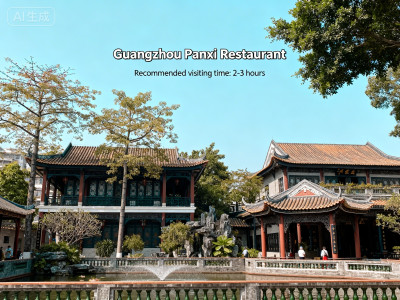
Panxi Restaurant

Panxi Restaurant is a legendary Cantonese dining establishment that has been serving authentic Guangzhou cuisine since 1947. Situated in the picturesque Liwan Lake Park, this restaurant is famous for its traditional Lingnan-style architecture featuring pavilions, corridors, and courtyards that create a serene dining atmosphere. The restaurant spans over 10,000 square meters with multiple dining halls and private rooms, some overlooking the tranquil lake. Panxi is renowned for preserving traditional Cantonese cooking techniques while offering a wide variety of dim sum, seafood dishes, and classic Guangzhou specialties. The restaurant has hosted numerous dignitaries and celebrities over the decades and remains a beloved institution for both locals and tourists seeking an authentic Cantonese dining experience.

Six Banyan Trees TempleGuangzhou

Six Banyan Trees Temple

Six Banyan Trees Temple also known as Liurong Temple is one of Guangzhous most ancient and culturally significant Buddhist temples Originally built in 537 AD during the Southern Dynasties period the temple has undergone numerous reconstructions throughout its long history The name Six Banyan Trees comes from the six magnificent banyan trees that once graced the temple grounds planted by the famous poet Su Shi during the Song Dynasty The temples most iconic feature is the Flower Pagoda a magnificent octagonal structure standing 57 meters tall with nine stories that appears to have thirteen stories from the outside This architectural marvel combines Chinese and Indian design elements and offers panoramic views of Guangzhou The temple complex includes several halls dedicated to different Buddhist deities including the Hall of Heavenly Kings the Mahavira Hall and the Hall of Six Patriarchs Throughout its history the temple has served as an important center for Buddhist learning and practice particularly for the Chan Zen tradition Today it remains an active place of worship and a peaceful oasis in the bustling heart of Guangzhou

Hualin TempleGuangzhou

Hualin Temple

Hualin Temple also known as Hualin Chan Temple is a historic Buddhist temple located in the Liwan District of Guangzhou Guangdong Province Established during the Liang Dynasty in 526 AD during the reign of Emperor Wu of Liang it is one of the four great Buddhist temples of Guangzhou along with Guangxiao Temple Liurong Temple and Haizhuang Temple The temple has undergone numerous reconstructions throughout its history with the current structures mainly dating from the Qing Dynasty 16441912 The temple complex covers an area of approximately 14000 square meters and features traditional Chinese temple architecture with elegant halls courtyards and gardens Hualin Temple is particularly famous for its Five Hundred Arhats Hall which houses 500 life size gilded clay statues of arhats Buddhist saints each with unique facial expressions and postures representing different aspects of enlightenment The temple serves as an active Buddhist monastery and cultural heritage site offering visitors a peaceful retreat from the bustling city while showcasing traditional Chinese Buddhist art and architecture