 Tourism Guide
Harbin Confucius Temple
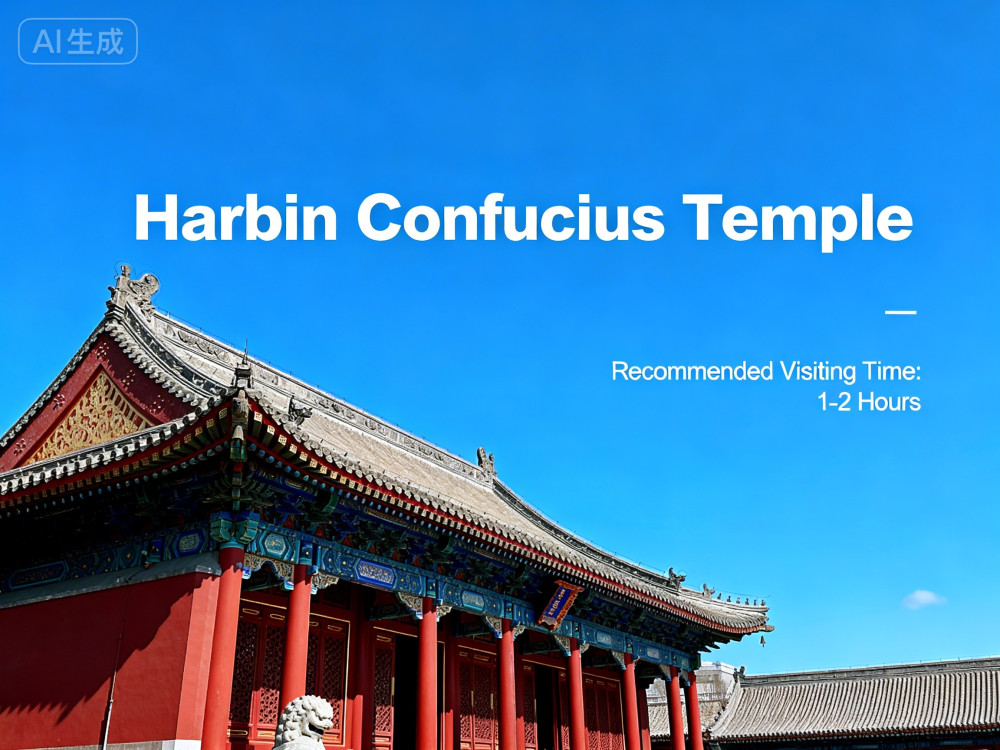
The largest Confucius Temple in Northeast China and the third largest in the country, showcasing traditional Chinese architecture and Confucian culture in the heart of Harbin
Key Information
Built Year
1926
Architectural Style
Traditional Chinese with Russian influences
Total Area
25,000 square meters
Main Hall
Dacheng Hall
Cultural Significance
Third largest Confucius Temple in China
Best Time to Visit
Spring and Autumn
Special Events
Confucius Birthday Celebration in September
Nearby Attractions
St. Sophia Cathedral, Central Street
About Harbin Confucius Temple
Harbin Confucius Temple, also known as the Confucian Temple of Harbin, is a magnificent architectural complex dedicated to Confucius, the great Chinese philosopher and educator. Built in 1926 during the Republic of China period, this temple represents the fusion of traditional Chinese culture with Harbin's unique historical background. The temple complex covers an area of 25,000 square meters and features the classic Chinese temple layout with courtyards, halls, and pavilions arranged along a central axis. Unlike many Confucius temples in southern China, this one incorporates some architectural elements influenced by Harbin's Russian heritage, creating a distinctive cultural blend. The main hall, Dacheng Hall, houses a statue of Confucius and is used for traditional ceremonies and cultural activities. The temple serves not only as a place of worship but also as an important cultural and educational center, hosting various cultural events, calligraphy exhibitions, and traditional music performances throughout the year.
Things to Do
- Admire the traditional Chinese architecture with its intricate wood carvings and colorful paintings
- Visit the Dacheng Hall to see the statue of Confucius and learn about his teachings
- Explore the stone steles and inscriptions that record the temple's history
- Attend traditional Confucian ceremonies during special festivals
- Participate in calligraphy and Chinese painting workshops
- Enjoy the peaceful gardens and courtyards designed in classical Chinese style
- Learn about the integration of Russian architectural influences in the temple design
- Visit the exhibition halls showcasing Confucian philosophy and Chinese traditional culture