Attractions in Harbin · 35 places
Places worth
Landmarks with a story, neighbourhood corners with a slower pace and natural places that deserve more than a photograph. Use this index as a starting point, not a checklist.

Central Avenue
Central Avenue known as Zhongyang Dajie is Harbins most famous pedestrian street stretching 1450 meters from Jingwei Street to the Flood Control Monument at the Songhua River This iconic thoroughfare serves as a living museum of architectural history showcasing over 70 Europeanstyle buildings from the late 19th and early 20th centuries The avenue was originally constructed in 1898 by Russian engineers and has evolved into the commercial and cultural heart of Harbin earning the nickname Eastern Moscow Walking along Central Avenue is like stepping back in time to when Harbin was a major hub of the Chinese Eastern Railway and an international crossroads where Russian Jewish Japanese and European cultures converged
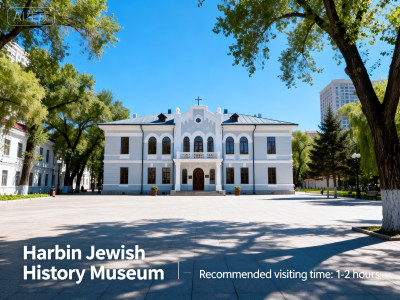
Harbin Jewish History Museum
The Harbin Jewish History Museum is housed in the beautifully restored former Jewish Middle School building constructed in 1918 This museum tells the fascinating story of Harbins once thriving Jewish community which was one of the largest in East Asia during the early 20th century The Jewish community in Harbin began in the late 1890s when Jewish families fleeing persecution in Russia settled in this northeastern Chinese city Over the next few decades Harbin became home to over 20000 Jews who built synagogues schools hospitals newspapers and businesses contributing significantly to Harbins development as an international city The museum features three floors of exhibits with photographs documents artifacts and multimedia displays that chronicle the lives culture and contributions of Harbins Jewish residents Visitors can see original Torah scrolls religious artifacts household items business records and personal memorabilia that tell stories of resilience entrepreneurship and cultural exchange The museum also explores the complex historical context including the impact of World War II and the eventual departure of most Jewish residents in the 1950s
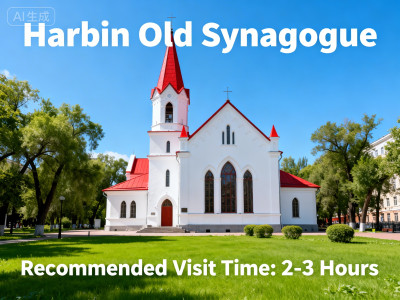
Harbin Old Synagogue
The Harbin Old Synagogue also known as the Main Synagogue of Harbin stands as a testament to the vibrant Jewish community that flourished in Harbin from the late 19th to mid20th century This magnificent building constructed in 1909 represents one of the largest and most important synagogues in East Asia during its time Located in the Daoli District the synagogue served as the spiritual and cultural center for thousands of Jewish refugees and immigrants who settled in Harbin particularly during the Russian Revolution and World War II periods The architecture blends European synagogue design with local Chinese construction techniques featuring distinctive Moorish and Byzantine influences with ornate decorative elements star of David motifs and traditional Jewish symbols The synagogue complex originally included not only the main prayer hall but also a Jewish school library and community facilities Today it has been beautifully restored and transformed into a museum that preserves the history of Harbins Jewish community while showcasing the citys unique multicultural heritage The site offers visitors a fascinating glimpse into a littleknown chapter of Chinese history where different cultures coexisted and contributed to Harbins development as an international city
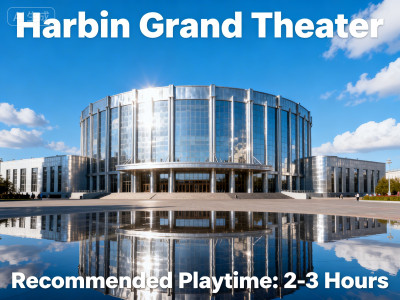
Harbin Grand Theater
Harbin Grand Theater stands as one of Chinas most stunning contemporary architectural achievements rising majestically from the northern bank of the Songhua River Designed by the renowned MAD Architects led by Ma Yansong this cultural landmark resembles a snowdrift or a flowing river echoing Harbins winter landscape and the citys nickname as the Ice City The theaters organic curvilinear forms create a seamless integration with the surrounding natural environment while paying homage to Harbins unique blend of Chinese and Russian cultural heritage Completed in 2015 the Grand Theater has become an iconic symbol of Harbins transformation into a modern cultural hub while maintaining its historical character The buildings white aluminum panels shimmer like ice in sunlight and glow with ethereal illumination at night creating different visual experiences throughout the day and seasons Inside visitors discover worldclass acoustics and innovative spatial design that enhances every performance from classical concerts to contemporary theater
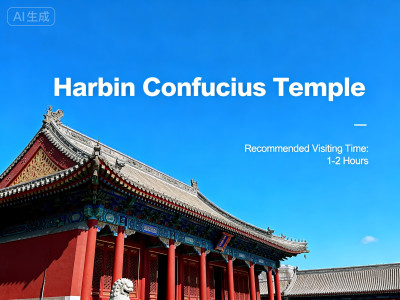
Harbin Confucius Temple
Harbin Confucius Temple, also known as the Confucian Temple of Harbin, is a magnificent architectural complex dedicated to Confucius, the great Chinese philosopher and educator. Built in 1926 during the Republic of China period, this temple represents the fusion of traditional Chinese culture with Harbin's unique historical background. The temple complex covers an area of 25,000 square meters and features the classic Chinese temple layout with courtyards, halls, and pavilions arranged along a central axis. Unlike many Confucius temples in southern China, this one incorporates some architectural elements influenced by Harbin's Russian heritage, creating a distinctive cultural blend. The main hall, Dacheng Hall, houses a statue of Confucius and is used for traditional ceremonies and cultural activities. The temple serves not only as a place of worship but also as an important cultural and educational center, hosting various cultural events, calligraphy exhibitions, and traditional music performances throughout the year.
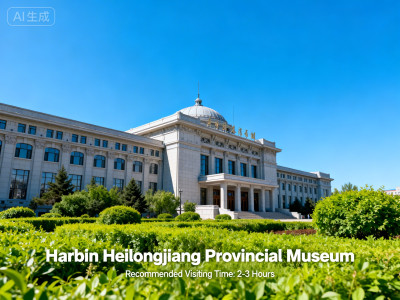
Heilongjiang Provincial Museum
The Heilongjiang Provincial Museum stands as one of the largest and most comprehensive museums in Northeast China, offering visitors an immersive journey through the region's fascinating history, diverse ethnic cultures, and unique natural environment. Established in 1923, this museum houses over 100,000 precious artifacts spanning from prehistoric times to the modern era. The museum's architecture itself is a historical landmark, originally built in 1904 as a department store during the Russian colonial period, reflecting Harbin's unique multicultural heritage. The collections are organized into several major sections including natural history displays featuring the region's distinctive flora and fauna, archaeological exhibits showcasing ancient civilizations that thrived in the Heilongjiang region, ethnic cultural displays highlighting the traditions of Manchu, Korean, Mongolian, and other minority groups, and historical artifacts documenting the region's development through various dynasties and modern periods. Particularly noteworthy are the exhibits on the Jurchen people who established the Jin Dynasty, the unique ice and snow culture of Northeast China, and the region's role in the development of modern China. The museum serves as an essential educational resource for understanding the complex tapestry of cultures that have shaped this border region where Chinese, Russian, Korean, and indigenous influences converge.
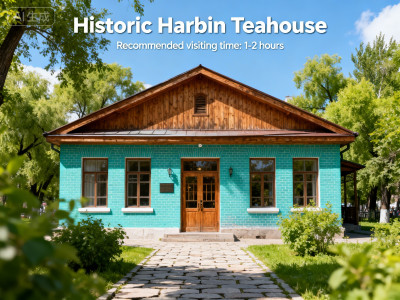
Historic Harbin Teahouse
Nestled in the heart of Harbins historic district, the Historic Harbin Teahouse is a living testament to the citys unique cultural fusion. Established in the early 20th century during Harbins golden era as a major Russian settlement, this teahouse beautifully blends Chinese tea traditions with European architectural elegance. The establishment features original Russian-style wooden interiors, stained glass windows, and antique tea sets that transport visitors back to the 1920s when Harbin was known as the Oriental Moscow. Here you can experience authentic Chinese tea ceremonies while surrounded by the architectural legacy of Russian immigrants who once called this city home. The teahouse serves as a cultural bridge where East meets West, offering not just tea but a journey through Harbins multicultural history.
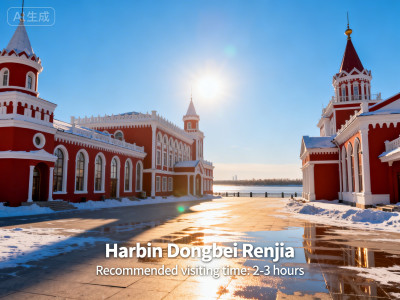
Dongbei Renjia
This restaurant specializes in hearty, flavorful Dongbei cuisine, featuring generous portions, rustic cooking styles, and a warm, bustling atmosphere typical of Northeastern hospitality.
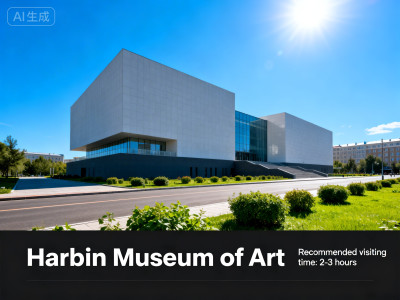
Harbin Museum of Art
The Harbin Museum of Art stands as one of the most important art museums in Northeast China, established in 1997 and located in the heart of Harbin. This magnificent institution spans over 20,000 square meters and houses an impressive collection of more than 10,000 artworks. The museum's architecture itself is a masterpiece, blending modern design with traditional Chinese elements, featuring elegant curves and expansive glass facades that allow natural light to illuminate the galleries. The collection focuses on Chinese contemporary art, Russian art (reflecting Harbin's historical connections), and works by Northeast Chinese artists. The museum plays a crucial role in cultural exchange between China and Russia, hosting regular international exhibitions and serving as a bridge between Eastern and Western artistic traditions. Its permanent collection includes oil paintings, watercolors, sculptures, prints, and calligraphy, with special emphasis on the development of Chinese art since the 20th century.
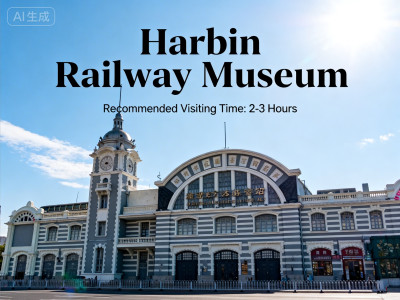
Harbin Railway Museum
The Harbin Railway Museum is housed in the original Harbin Railway Administration Building constructed in 1903 during the construction of the Chinese Eastern Railway This historic building itself is a masterpiece of Russian architectural style reflecting Harbins unique position as a cultural crossroads between Russia and China The museum chronicles the development of railways in Northeast China from the late 19th century to modern times with particular emphasis on the Chinese Eastern Railway which played a crucial role in shaping Harbins identity as the Paris of the East Visitors can explore authentic railway artifacts historical documents vintage photographs and beautifully restored locomotives that tell the story of how railways transformed Harbin from a small fishing village into a major international hub The museum also highlights the cultural exchange between Chinese and Russian communities that occurred along these railway lines making it not just a transportation museum but a cultural heritage site that captures the essence of Harbins cosmopolitan history
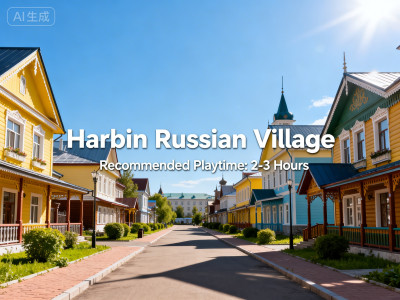
Harbin Russian Village
Harbin Russian Village also known as Russian Town is a picturesque cultural district that preserves the rich Russian architectural legacy and cultural influences that have shaped Harbins identity for over a century Located along the Songhua River this beautifully preserved area features authentic Russianstyle wooden houses Orthodox churches and cobblestone streets that transport visitors back to the early 20th century when Russian immigrants first settled in Harbin The village stands as a living testament to the unique SinoRussian cultural exchange that occurred during the construction of the Chinese Eastern Railway Established in the late 19th century Harbin became home to thousands of Russian engineers merchants and aristocrats fleeing the Russian Revolution who brought with them their architectural styles culinary traditions and cultural practices Today the Russian Village serves as both a historical preservation site and a vibrant cultural destination where visitors can experience traditional Russian architecture sample authentic Russian cuisine and learn about the fascinating history of Russian settlement in Northeast China The areas most striking feature is its collection of over 50 wellpreserved Russian wooden houses known as log cabins or izbas each featuring intricate wood carvings colorful window frames and traditional Russian architectural elements The village also includes several Orthodox churches with distinctive onion domes that create a stunning skyline against Harbins modern backdrop Beyond architecture the village offers cultural experiences including Russian folk music performances traditional dance shows and handicraft demonstrations Local artisans create Russianstyle nesting dolls lacquer boxes and embroidered textiles while bakeries produce authentic Russian breads pastries and sweets The village comes alive during winter when snow blankets the wooden houses creating a fairytale atmosphere reminiscent of a Russian winter wonderland This cultural enclave provides a unique opportunity to understand how Russian influences blended with Chinese traditions to create Harbins distinctive multicultural identity making it an essential destination for anyone interested in the citys history architecture and cultural diversity
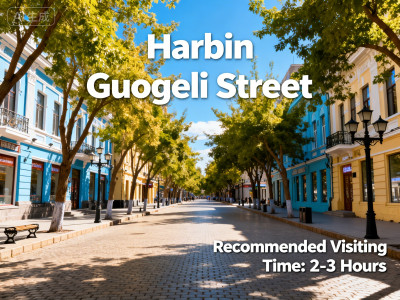
Guogeli Street
Guogeli Street also known as Gogol Street is one of Harbins most famous historical streets dating back to the early 20th century Originally built in 1901 this 1450meterlong pedestrian street showcases the unique blend of Chinese and Russian cultures that defines Harbin The street is named after the famous Russian writer Nikolai Gogol and features wellpreserved Baroque and Renaissance style buildings that transport visitors back to Harbins golden age as the Paris of the East During the early 1900s this street was the commercial and cultural center for Russian immigrants and today it stands as a living museum of Harbins multicultural history The cobblestone pavement Europeanstyle street lamps and ornate architectural details create an enchanting atmosphere that makes Guogeli Street a mustvisit destination for anyone exploring Harbins rich heritage
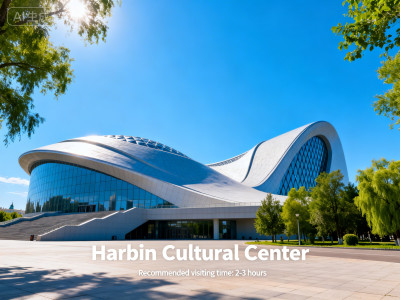
Harbin Cultural Center
The Harbin Cultural Center is a stunning modern architectural complex that serves as the cultural heart of Harbin. Located along the Songhua River, this magnificent structure represents the perfect fusion of Harbins Russian heritage with contemporary Chinese design. The center features a unique snowflake-inspired design that pays homage to Harbins famous Ice and Snow Festival. Inside, visitors can explore world-class performance halls, exhibition spaces, and cultural facilities that showcase the rich artistic traditions of Northeast China. The complex includes a grand theater, concert hall, art gallery, and cultural exchange center, all designed to promote cultural understanding and artistic excellence. The architecture itself is a masterpiece, with its flowing lines and crystalline forms reflecting both the icy beauty of Harbins winters and the warmth of its cultural heritage. The center hosts regular performances of traditional Chinese opera, Russian ballet, classical music concerts, and contemporary theater productions, making it a vibrant hub for cultural activities throughout the year.
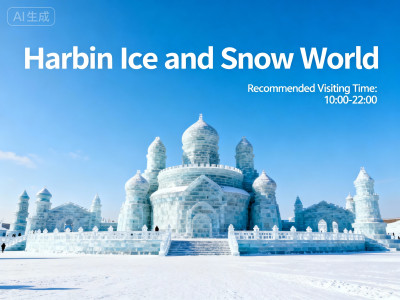
Harbin Ice and Snow World
Harbin Ice and Snow World is an annual winter festival showcasing incredible ice and snow sculptures, often reaching monumental sizes. Artists from around the world create intricate structures using ice blocks harvested from the Songhua River. The festival features illuminated ice buildings, slides, entertainment shows, and various winter sports activities, creating a magical frozen wonderland.
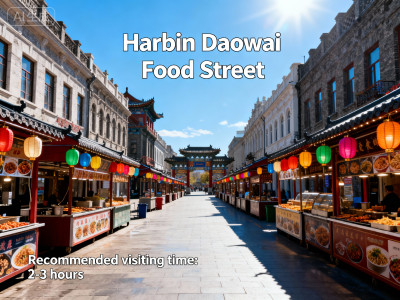
Daowai Food Street
Daowai Food Street located in Harbins historic Daowai District is a vibrant culinary destination that showcases the rich food culture of Northeast China Known as the birthplace of Harbins local cuisine this bustling street food paradise offers an authentic taste of traditional Dongbei dishes with a unique Russian influence The area dates back to the early 20th century when it served as a commercial hub for Russian merchants and Chinese traders creating a fascinating fusion of culinary traditions Today Daowai Food Street stretches for several blocks filled with century old restaurants street food stalls and family run eateries that have been serving generations of Harbin residents The atmosphere is lively and authentic with the aroma of sizzling meats steaming dumplings and freshly baked bread filling the air Unlike more touristy food streets Daowai maintains its local charm and authenticity making it a favorite among both residents and adventurous food lovers seeking genuine Northeastern Chinese flavors
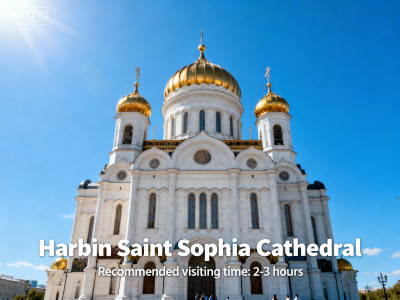
Saint Sophia Cathedral
Saint Sophia Cathedral is a former Russian Orthodox church built in 1907, showcasing Byzantine architecture with its distinctive green dome and red brick structure. It now serves as the Harbin Architecture Art Museum, displaying the city's multicultural architectural history.
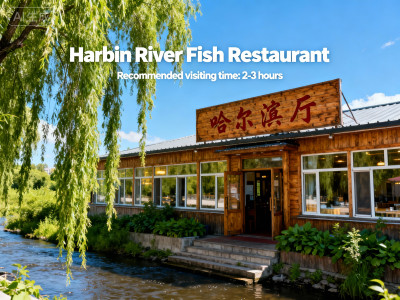
River Fish Restaurant
This restaurant offers authentic Northeastern Chinese cuisine with a focus on various preparations of locally sourced river fish, including stewed, braised, and steamed dishes.
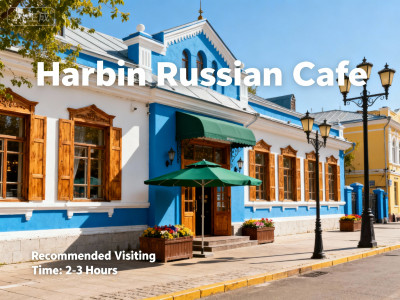
Russian Cafe
Russian cafes in Harbin offer a delightful journey through time where visitors can experience the unique blend of Russian and Chinese cultures that define this northern city. These establishments are not merely places to eat and drink but living museums of Harbins fascinating history. As you step inside youll be transported to early 20th century Harbin when Russian immigrants fleeing the Bolshevik Revolution brought their culture architecture and culinary traditions to this Manchurian city. The cafes typically feature elegant European decor with ornate chandeliers dark wood furnishings and vintage photographs depicting Harbins Russian community. The atmosphere is warm and inviting perfect for escaping Harbins famous winter cold while sipping authentic Russian tea served in traditional podstakannik glass holders. Many cafes feature live classical music or Russian folk performances adding to the authentic ambiance. These establishments serve as cultural bridges where visitors can taste authentic Russian cuisine like borscht pelmeni and blini while learning about the Russian influence that shaped Harbins unique architectural landscape and cultural identity.
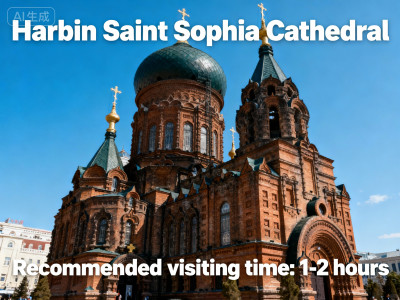
Saint Sophia Cathedral
Saint Sophia Cathedral stands as one of Harbins most iconic landmarks and the largest Orthodox church in the Far East Built in 1907 during the construction of the Chinese Eastern Railway this architectural masterpiece reflects Harbins unique history as a Russian influenced city The cathedral showcases classic Byzantine style with its distinctive red brick walls green onion domes and intricate brickwork patterns After decades of neglect it was restored in 1997 and transformed into the Harbin Architecture Art Gallery preserving both its religious heritage and architectural significance
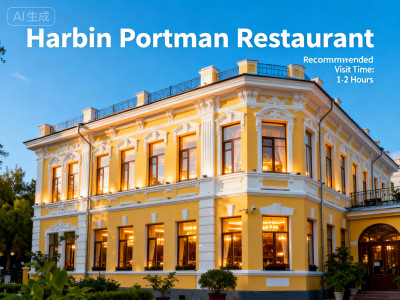
Portman Restaurant (波特曼西餐厅)
Portman Restaurant is one of Harbin's most famous and long-standing Russian restaurants, offering an immersive culinary journey into Russian culture. Located in the city center, it features classic European-style decor with chandeliers, oil paintings, and live piano music, creating a sophisticated atmosphere reminiscent of old-world Russia. The menu showcases traditional dishes prepared with meticulous care, providing a taste of the Russian influence that has shaped Harbin's unique character.
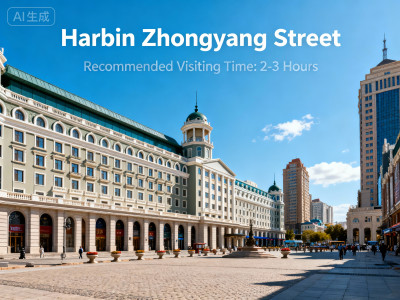
Zhongyang Street
Zhongyang Street also known as Central Street is the most famous pedestrian street in Harbin stretching 1450 meters from Jingwei Street to Stalin Park along the Songhua River Built in 1898 during the construction of the Chinese Eastern Railway this historic thoroughfare represents Harbins unique cultural heritage as a meeting point between Chinese and European influences The street features over 70 buildings in various architectural styles including Baroque Renaissance Byzantine and Art Nouveau reflecting Harbins history as an international trading hub and Russian influence in the region Originally known as Chinese Street it was renamed Zhongyang Street in 1925 and has since become a symbol of Harbins multicultural identity Today it serves as both a commercial center and an openair museum where visitors can experience Harbins European charm while enjoying local delicacies shopping and cultural performances
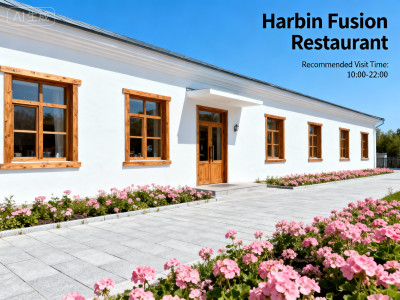
Fusion Restaurant
Fusion Restaurant in Harbin represents the perfect marriage between traditional Northeastern Chinese culinary heritage and contemporary international gastronomy. Located in the heart of this historic Russian-influenced city, the restaurant offers an innovative dining experience that showcases how Harbin's unique cultural crossroads have influenced its food scene. The establishment combines the hearty, warming dishes of Heilongjiang Province with sophisticated techniques and ingredients from around the world, creating a menu that surprises and delights both local and international visitors. The ambiance reflects Harbin's architectural heritage with modern touches, featuring elements that nod to the city's Russian past while maintaining a sleek, contemporary aesthetic. This restaurant has become a favorite among food enthusiasts seeking to understand how Harbin's position as a cultural melting pot translates to its culinary landscape.
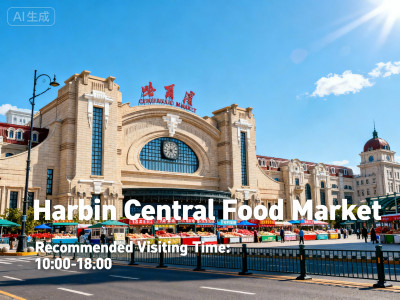
Harbin Central Food Market
The Harbin Central Food Market is not just a place to buy food its a living museum of culinary history that reflects Harbins unique position as the Paris of the East This bustling market showcases the fascinating fusion of Russian and Chinese food cultures that developed over a century of cultural exchange Located in the historic Daoli District the market offers an authentic taste of Harbins diverse culinary heritage from traditional Northeastern Chinese dishes to Russianinfluenced specialties The market operates yearround but takes on special significance during Harbins famous Ice and Snow Festival when it becomes a warm haven for visitors seeking comfort food against the cold The architecture itself tells a story with some sections featuring Russianstyle brickwork while others maintain traditional Chinese market layouts The air is filled with the aromas of smoked meats pickled vegetables fresh bread and exotic spices creating an unforgettable sensory experience
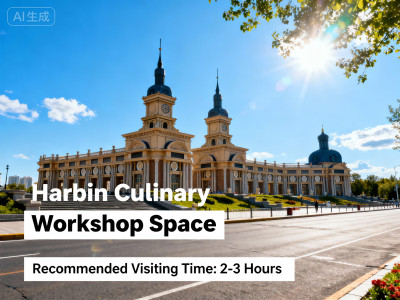
Culinary Workshop Space
Located in the heart of Harbins historic Daoli District the Culinary Workshop Space offers a unique hands-on cooking experience that showcases Harbins rich culinary heritage As a city with strong Russian influences dating back to the early 20th century Harbins cuisine represents a fascinating fusion of Chinese and European flavors This workshop provides visitors with the opportunity to learn traditional cooking techniques from local chefs while discovering the stories behind Harbins most iconic dishes The space features modern cooking stations traditional Chinese kitchen tools and a warm inviting atmosphere perfect for both beginners and experienced cooks
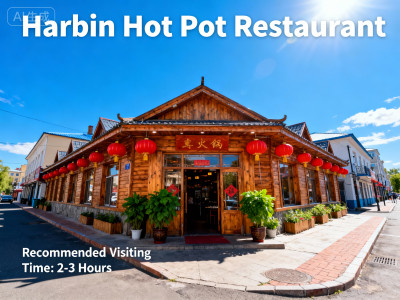
Hot Pot Restaurant
Hot pot restaurants in Harbin offer a popular dining experience but are not designated tourist attractions. Harbin has numerous hot pot establishments that serve traditional Chinese hot pot with local northeastern specialties, particularly lamb-based dishes that suit the cold climate. While these restaurants provide cultural dining experiences, they are commercial establishments rather than tourist sites.
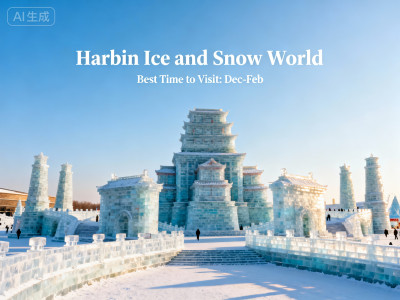
Harbin Ice and Snow World
Harbin Ice and Snow World is an annual winter festival and theme park that transforms Harbin into a magical kingdom of ice and snow. Established in 1999, this spectacular attraction features massive ice sculptures and snow carvings created by master artisans from around the world. Each winter, thousands of workers harvest ice blocks from the Songhua River to construct magnificent ice buildings, castles, towers, and sculptures that glow with vibrant LED lights after dark. The park covers over 600000 square meters and represents the pinnacle of ice architecture, combining traditional Chinese craftsmanship with modern lighting technology. Visitors can explore ice replicas of famous landmarks like the Great Wall, European cathedrals, and modern skyscrapers, all meticulously carved from crystal-clear ice. The festival typically runs from late December through February, with the best viewing conditions during the coldest months when temperatures can drop to -30°C (-22°F). This extraordinary winter wonderland has earned Harbin the nickname Ice City and attracts millions of visitors from across China and around the globe.
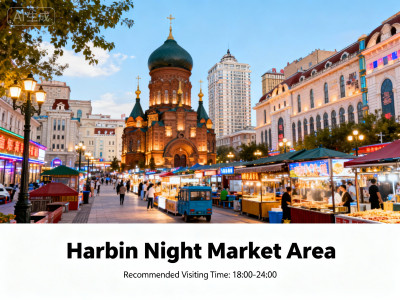
Harbin Night Market Area
The Harbin Night Market Area is not just a place to eat but a cultural experience that embodies the unique fusion of Russian and Chinese influences that define this northern city. Located in the heart of Harbin, this bustling market comes alive as the sun sets, transforming the streets into a symphony of sizzling woks, aromatic spices, and lively chatter. The area showcases Harbins rich history as a former Russian concession city, with European-style buildings providing a stunning backdrop to traditional Chinese street food stalls. Here you can taste authentic Northeastern Chinese cuisine alongside Russian-inspired snacks, all while experiencing the warm hospitality of local vendors who have perfected their culinary crafts over generations. The market represents the soul of Harbin where cold winters meet hot food, where history meets modernity, and where every bite tells a story of cultural exchange.
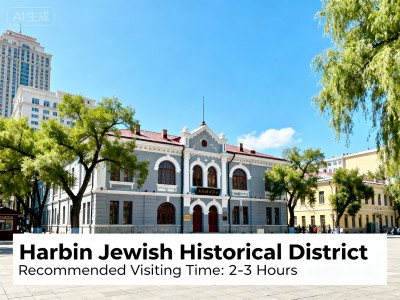
Jewish Historical District
The Jewish Historical District in Harbin represents one of the most significant chapters in Chinas multicultural history Located in Daoli District this area preserves the architectural and cultural legacy of the Jewish community that flourished in Harbin from the late 19th century through the mid20th century At its peak Harbins Jewish population numbered around 20000 making it one of the largest Jewish communities in East Asia The district features wellpreserved Europeanstyle buildings including the magnificent former Main Synagogue now the Harbin Jewish History and Culture Museum the Jewish Middle School and numerous residential and commercial buildings constructed in distinctive architectural styles The community played a vital role in Harbins development particularly in finance commerce education and cultural exchange Many Jewish families established successful businesses contributed to the citys infrastructure and created a vibrant cultural life with newspapers theaters and social organizations The districts preservation tells a story of tolerance cultural exchange and the remarkable resilience of a community that found refuge and prosperity in this northern Chinese city
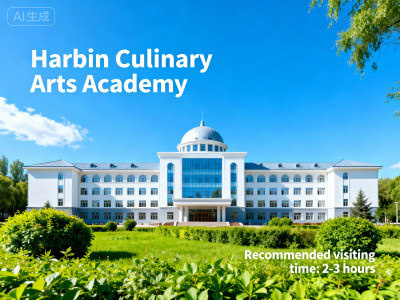
Harbin Culinary Arts Academy
Located in the heart of Harbin, this academy offers hands-on classes teaching traditional Dongbei dishes like Guo Bao Rou, as well as Russian specialties such as Borscht, reflecting the city's unique cultural blend.
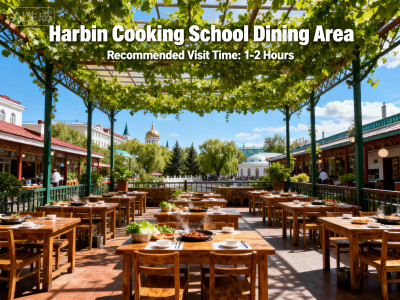
Cooking School Dining Area
The Cooking School Dining Area in Harbin offers visitors an immersive journey into the rich culinary traditions of Northeast China. This innovative concept combines hands-on cooking classes with a delightful dining experience, allowing guests to learn traditional recipes from expert chefs and then savor their own creations in a beautifully designed dining space. The venue showcases the unique flavors of Heilongjiang province, featuring local specialties like Harbin smoked sausage, Dongbei dumplings, and hearty stews that reflect the regions cold climate and Russian influences. The dining area itself is decorated with traditional Chinese elements mixed with Russian architectural touches, creating a warm and inviting atmosphere perfect for enjoying the fruits of your culinary labor.
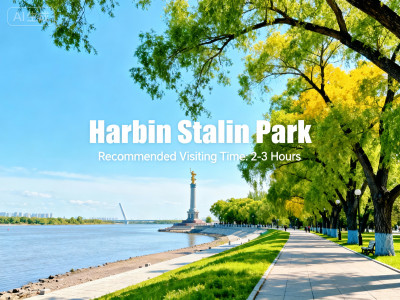
Stalin Park
Stalin Park is a beautiful 1750meter long riverside park stretching along the southern bank of the Songhua River in Harbin Established in 1953 the park was originally named after Soviet leader Joseph Stalin reflecting the strong Russian influence in Harbins history The park features Europeanstyle architecture sculptures and landscaping that create a unique blend of Chinese and Russian aesthetics With its tree lined promenades flower gardens and stunning river views Stalin Park serves as both a recreational space for locals and a historical landmark that tells the story of Harbins development as the Paris of the East
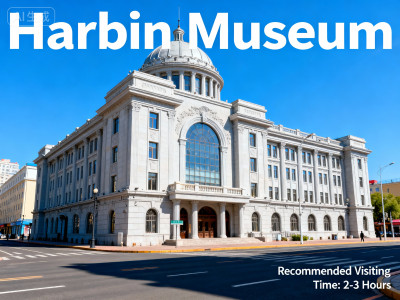
Harbin Museum
Harbin Museum established in 1994 is a comprehensive museum that systematically presents the history culture and development of Harbin Known as the Pearl of the Eurasian Land Bridge Harbin has a fascinating history shaped by Russian influence Chinese traditions and modern development The museum houses over 10000 cultural relics including artifacts from the Jin Dynasty Russian colonial period Japanese occupation and contemporary era The exhibitions are organized across three main sections historical relics folk customs and modern development offering visitors a comprehensive understanding of Harbins transformation from a small fishing village to a major international city The architecture itself reflects Harbins unique blend of Chinese and European styles with elegant design elements that echo the citys famous Russian influenced buildings
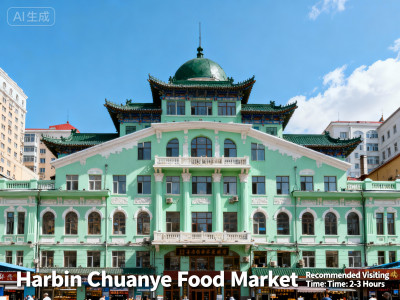
Chuanye Food Market
Chuanye Food Market is a landmark destination for food lovers in Harbin, offering a vast array of local specialties. It is particularly celebrated for its high-quality Harbin red sausages, Russian-style bread like lieba, smoked meats, and traditional dairy products. The bustling atmosphere provides a genuine taste of Harbin's unique culinary heritage, which blends Chinese Northeastern flavors with Russian influences. It's a must-visit for tourists seeking to take home authentic local flavors.
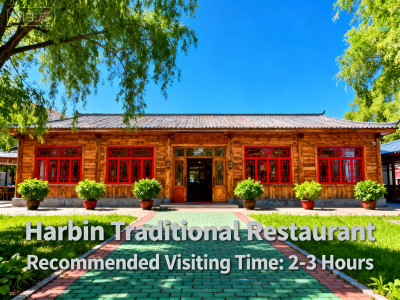
Traditional Restaurant
Harbin Traditional Restaurant is not just a dining establishment but a living museum of Sino Russian culinary fusion Located in the heart of Harbin this restaurant preserves the unique food heritage that developed over a century of cultural exchange between China and Russia The interior features elegant Russian style decor with ornate chandeliers wooden carvings and vintage photographs showcasing Harbins history as the Paris of the East The menu represents a perfect blend of Chinese cooking techniques with Russian ingredients and flavors creating dishes that are uniquely Harbin
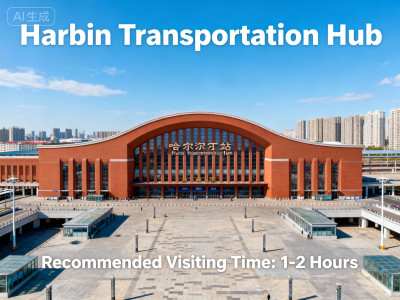
Harbin Transportation Hub
Harbin serves as the primary transportation hub of Northeast China with its extensive network of railways highways and air connections As the capital of Heilongjiang Province Harbin connects China with Russia and other neighboring countries through multiple transportation corridors The city features three major railway stations including Harbin Railway Station Harbin West Railway Station and Harbin East Railway Station each serving different routes and passenger needs Harbin Taiping International Airport operates both domestic and international flights while the citys highway system links it to major destinations across the region The transportation infrastructure reflects Harbins historical role as a key junction on the TransSiberian Railway and its modern development as a vital logistics center in Northeast Asia
Want the days already arranged?
Open the guidebook