Skip to content

Harbin · Attraction

Historic Harbin Teahouse

A charming traditional teahouse preserving the rich tea culture and Russian architectural heritage of Harbin

HarbinIn the destination guideHarbinExplore
Historic Harbin Teahouse
Harbin, ChinaField notes · Attraction
HarbinTea CultureHistorical ArchitectureRussian Heritage

Why go

About Historic Harbin Teahouse

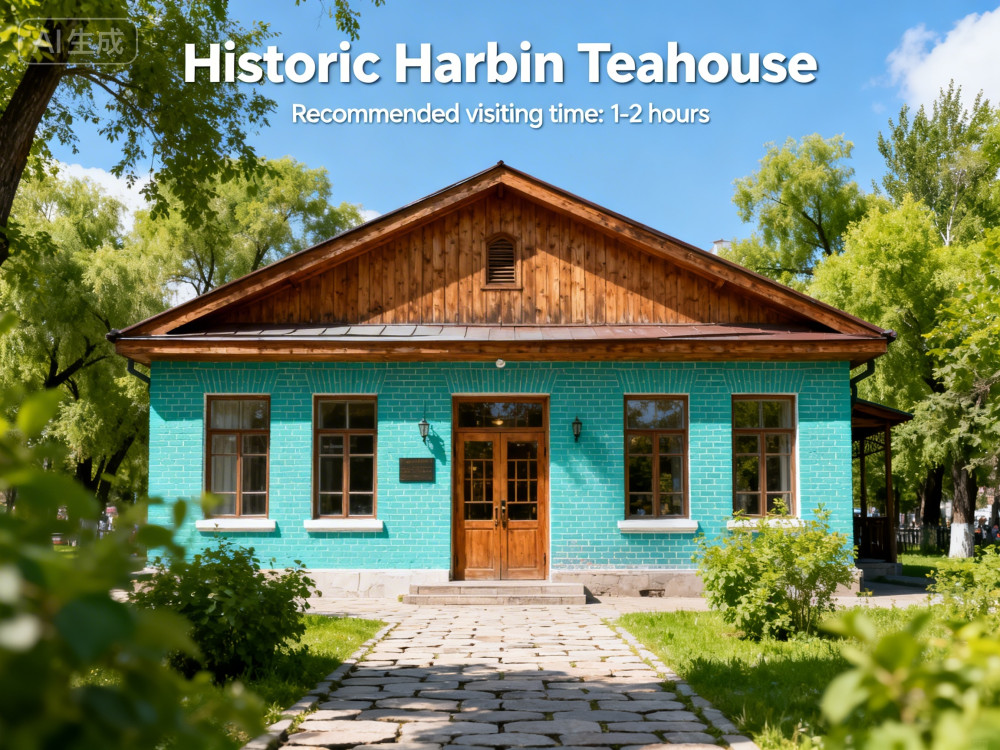
Nestled in the heart of Harbins historic district, the Historic Harbin Teahouse is a living testament to the citys unique cultural fusion. Established in the early 20th century during Harbins golden era as a major Russian settlement, this teahouse beautifully blends Chinese tea traditions with European architectural elegance. The establishment features original Russian-style wooden interiors, stained glass windows, and antique tea sets that transport visitors back to the 1920s when Harbin was known as the Oriental Moscow.

Here you can experience authentic Chinese tea ceremonies while surrounded by the architectural legacy of Russian immigrants who once called this city home. The teahouse serves as a cultural bridge where East meets West, offering not just tea but a journey through Harbins multicultural history.

Make time for

Practical ideas, not a checklist

  1. 01Participate in traditional Chinese tea ceremony demonstrations
  2. 02Sample various premium Chinese teas including Harbins local blends
  3. 03Admire the preserved Russian architectural details and antique decor
  4. 04Learn about Harbins tea trade history along the ancient Tea Horse Road
  5. 05Enjoy traditional Chinese pastries and snacks paired with tea selections
  6. 06Attend cultural talks on Sino-Russian relations and Harbins development
  7. 07Browse the collection of antique tea sets and historical photographs

Good to know

Established
1923
Architectural Style
Russian Baroque with Chinese elements
Tea Collection
Over 100 varieties of Chinese tea
Cultural Heritage Status
Municipal Protected Historical Site
Specialty Tea
Harbin Russian Caravan Blend
Best Time to Visit
Winter for warm tea experience
Language Services
English and Russian speaking staff available

More in Harbin

Keep the day
unfolding.

Central AvenueHarbin

Central Avenue

Central Avenue known as Zhongyang Dajie is Harbins most famous pedestrian street stretching 1450 meters from Jingwei Street to the Flood Control Monument at the Songhua River This iconic thoroughfare serves as a living museum of architectural history showcasing over 70 Europeanstyle buildings from the late 19th and early 20th centuries The avenue was originally constructed in 1898 by Russian engineers and has evolved into the commercial and cultural heart of Harbin earning the nickname Eastern Moscow Walking along Central Avenue is like stepping back in time to when Harbin was a major hub of the Chinese Eastern Railway and an international crossroads where Russian Jewish Japanese and European cultures converged

Harbin Jewish History MuseumHarbin

Harbin Jewish History Museum

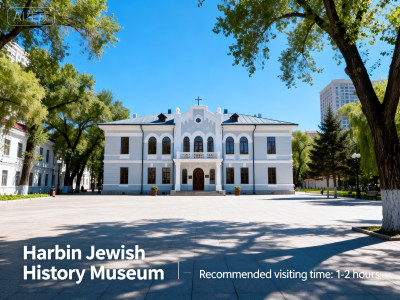
The Harbin Jewish History Museum is housed in the beautifully restored former Jewish Middle School building constructed in 1918 This museum tells the fascinating story of Harbins once thriving Jewish community which was one of the largest in East Asia during the early 20th century The Jewish community in Harbin began in the late 1890s when Jewish families fleeing persecution in Russia settled in this northeastern Chinese city Over the next few decades Harbin became home to over 20000 Jews who built synagogues schools hospitals newspapers and businesses contributing significantly to Harbins development as an international city The museum features three floors of exhibits with photographs documents artifacts and multimedia displays that chronicle the lives culture and contributions of Harbins Jewish residents Visitors can see original Torah scrolls religious artifacts household items business records and personal memorabilia that tell stories of resilience entrepreneurship and cultural exchange The museum also explores the complex historical context including the impact of World War II and the eventual departure of most Jewish residents in the 1950s

Harbin Old SynagogueHarbin

Harbin Old Synagogue

The Harbin Old Synagogue also known as the Main Synagogue of Harbin stands as a testament to the vibrant Jewish community that flourished in Harbin from the late 19th to mid20th century This magnificent building constructed in 1909 represents one of the largest and most important synagogues in East Asia during its time Located in the Daoli District the synagogue served as the spiritual and cultural center for thousands of Jewish refugees and immigrants who settled in Harbin particularly during the Russian Revolution and World War II periods The architecture blends European synagogue design with local Chinese construction techniques featuring distinctive Moorish and Byzantine influences with ornate decorative elements star of David motifs and traditional Jewish symbols The synagogue complex originally included not only the main prayer hall but also a Jewish school library and community facilities Today it has been beautifully restored and transformed into a museum that preserves the history of Harbins Jewish community while showcasing the citys unique multicultural heritage The site offers visitors a fascinating glimpse into a littleknown chapter of Chinese history where different cultures coexisted and contributed to Harbins development as an international city