Skip to content

Tianjn · Attraction

Dabei Buddhist Monastery

A magnificent Buddhist temple complex showcasing traditional Chinese architecture and spiritual heritage in Tianjin

TianjnIn the destination guideTianjnExplore
Dabei Buddhist Monastery
Tianjn, ChinaField notes · Attraction
TianjnBuddhist TempleCultural HeritageReligious Site

Why go

About Dabei Buddhist Monastery

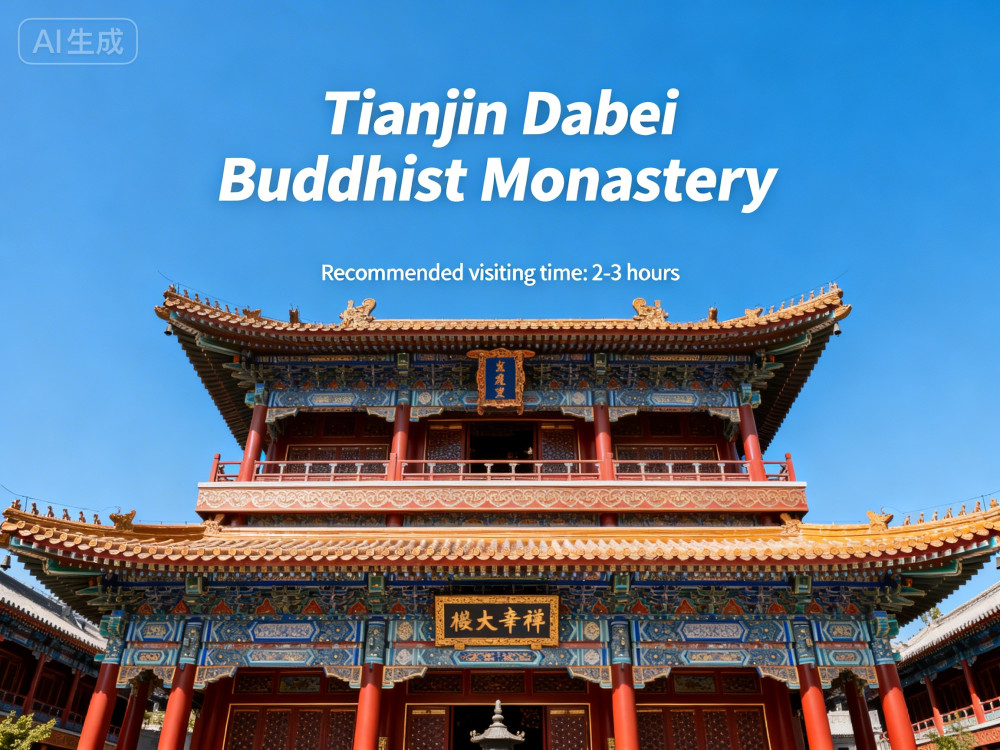
Dabei Buddhist Monastery also known as the Great Compassion Monastery is one of Tianjins most important Buddhist temples with a history dating back to the Ming Dynasty The monastery complex features stunning traditional Chinese architecture including magnificent halls intricate carvings and beautiful gardens The main hall houses a remarkable 72 meter tall bronze statue of the ThousandHanded Guanyin Bodhisattva making it one of the tallest indoor Buddhist statues in the world The monastery serves as both an active place of worship and a cultural treasure offering visitors a peaceful retreat from the bustling city while showcasing the rich spiritual traditions of Chinese Buddhism

Make time for

Practical ideas, not a checklist

  1. 01Admire the magnificent 72meter tall bronze statue of ThousandHanded Guanyin in the main hall
  2. 02Explore the traditional Chinese architectural complex with its intricate wood carvings and colorful decorations
  3. 03Participate in Buddhist ceremonies and observe monks chanting during prayer sessions
  4. 04Visit the monastery museum to learn about Buddhist art and cultural artifacts
  5. 05Enjoy the peaceful temple gardens and courtyards perfect for meditation and reflection
  6. 06Learn about Buddhist philosophy and practices through informational displays and guided tours
  7. 07Experience traditional incense offering rituals at the temple altars
  8. 08Attend special Buddhist festivals and cultural events held throughout the year

Good to know

Established
Ming Dynasty 13681644
Main Hall Height
72 meters
Architectural Style
Traditional Chinese Buddhist
Religious Affiliation
Mahayana Buddhism
UNESCO Status
Not listed but nationally protected
Best Time to Visit
Spring and Autumn seasons
Photography
Allowed except during ceremonies
Dress Code
Modest respectful clothing required

More in Tianjn

Keep the day
unfolding.

Garden Reflection AreaTianjn

Garden Reflection Area

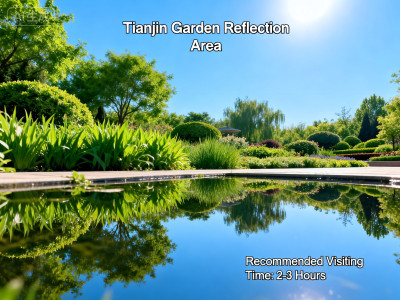
The Garden Reflection Area is one of Tianjins most exquisite classical Chinese gardens located in the heart of the city This meticulously designed garden follows traditional Chinese garden principles of creating miniature landscapes that reflect the natural world in a harmonious balance The name Reflection Area refers to both the physical water features that mirror the surrounding architecture and the philosophical concept of self reflection and contemplation that the garden inspiresnnBuilt during the Qing Dynasty the garden showcases the sophisticated aesthetics of Chinese landscape design with its winding pathways elegant pavilions rockeries and water features Every element is carefully arranged to create a sense of discovery and tranquility as visitors meander through the space The garden represents the Chinese philosophy of harmony between humanity and nature where man made structures blend seamlessly with natural elementsnnThe design incorporates the four essential elements of classical Chinese gardens rocks water plants and architecture arranged according to Feng Shui principles to create positive energy flow The garden features several distinct areas including the Moon Viewing Pavilion the Lotus Pond the Scholar's Study and the Zigzag Bridge each offering unique perspectives and experiencesnnBeyond its aesthetic beauty the Garden Reflection Area serves as a living museum of Chinese cultural traditions hosting seasonal festivals tea ceremonies and calligraphy exhibitions that allow visitors to immerse themselves in traditional Chinese arts and customs

Ancient Chinese GardensTianjn

Ancient Chinese Gardens

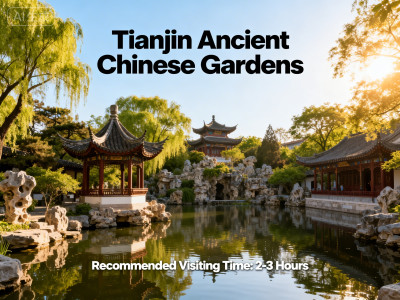
The Ancient Chinese Gardens in Tianjin represent one of the finest collections of traditional Chinese garden design in northern China. This expansive complex features meticulously recreated gardens from various historical periods, including Ming and Qing dynasty styles. Each garden follows the fundamental principles of Chinese landscape design - harmony between architecture and nature, symbolic arrangements of rocks and water, and the creation of miniature worlds that reflect cosmic order. The gardens incorporate traditional elements like winding pathways, moon gates, pavilions, rockeries, lotus ponds, and carefully curated plantings that change with the seasons. Visitors can experience the philosophical concepts of yin and yang, the five elements, and the Taoist pursuit of harmony with nature through the garden layouts. The complex also includes educational displays about Chinese garden history, traditional construction techniques, and the cultural significance of garden elements in Chinese literature and art.

Goubuli Baozi RestaurantTianjn

Goubuli Baozi Restaurant

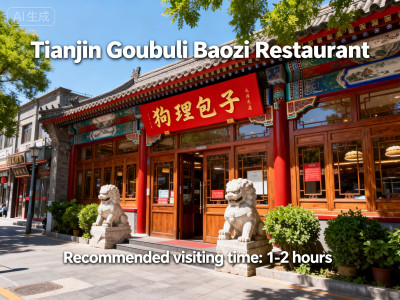
Goubuli Baozi Restaurant is not just a dining establishment its a living piece of Tianjin history dating back to 1858 The name Goubuli literally translates to dogs dont care reflecting the original owners nickname and the irresistible quality of his steamed buns that even dogs would ignore their masters when these buns were around This iconic restaurant specializes in Tianjin Goubuli Baozi a UNESCO-recognized intangible cultural heritage item featuring 18 precise folds on each bun The restaurant offers an authentic experience where you can watch master chefs create these delicate buns through traditional techniques passed down through generations The dining environment combines Qing Dynasty architectural elements with modern comfort creating a perfect setting to enjoy one of Chinas most famous culinary treasures