Attractions in Shanghai · 58 places
Places worth
Landmarks with a story, neighbourhood corners with a slower pace and natural places that deserve more than a photograph. Use this index as a starting point, not a checklist.
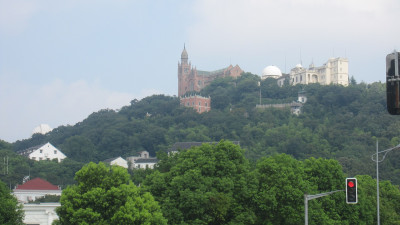
Sheshan National Forest Park
Sheshan National Forest Park surrounds West and East Sheshan, the highest natural points in Shanghai's hinterland. The summit of West Sheshan is crowned by the red-brick Sheshan Basilica, a popular pilgrimage site, and the 1899 Sheshan Observatory. East Sheshan offers quieter trails and views over the Songjiang plain. Both hills can be climbed in a few hours and are free to enter.
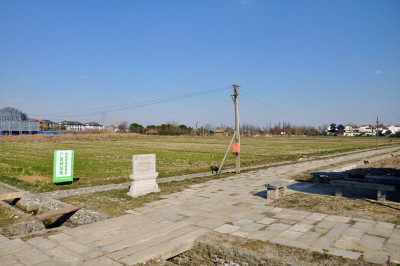
Guangfulin Relics Park
Guangfulin Relics Park preserves the site of a prehistoric culture that flourished along the shores of an ancient lake near Songjiang. Excavations revealed rice cultivation, pottery, and wooden structures dating back about 5,000 years. The park's most striking feature is the underwater museum with pyramid-shaped roofs rising from the water. Free to enter, with museums such as the cultural and archaeological halls charged separately.
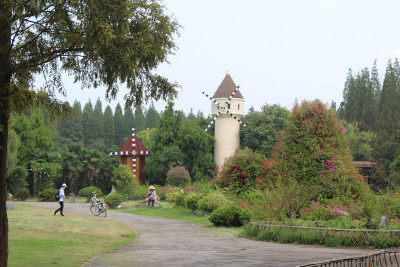
Dongping National Forest Park
Dongping National Forest Park is the largest forest park in Shanghai, covering about 540 hectares in the center of Chongming Island. Its dense groves of metasequoia and camphor trees create mossy, quiet paths, with lakes and picnic lawns between them. Visitors can rent bikes, try tree-climbing courses, or stay overnight in forest cabins. The park is reached by a car ride across the Yangtze River bridges.
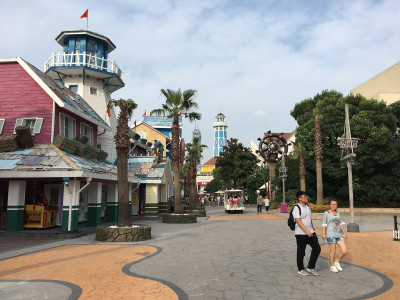
Shanghai Happy Valley
Shanghai Happy Valley opened in 2009 near Sheshan in Songjiang and is among the largest theme parks in China. Thrill rides include the 'Diving Coaster', a wooden coaster, and the 120-meter 'Absolute Velocity' launch coaster. The park also has family zones, a water park, and frequent seasonal festivals such as the summer carnival and Halloween nights. It is about an hour from central Shanghai by metro and taxi.

Shanghai Haichang Ocean Park
Shanghai Haichang Ocean Park opened in 2018 and is one of China's largest ocean theme parks. Five ocean 'worlds' feature polar bears, penguins, dolphins, and whale sharks, with a giant orca show arena at the center. The park also has an underwater tunnel and a 'Volcano Whale Shark Pavilion'. It sits in the Nanhui area of Pudong, close to the Dishui Lake district.
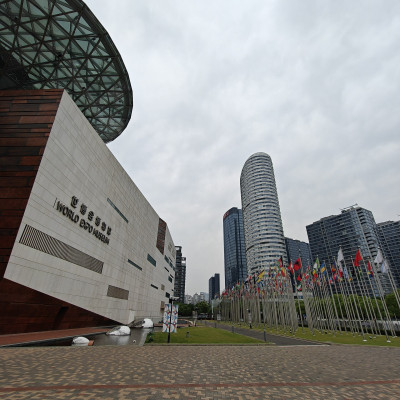
Shanghai Expo Museum
Shanghai Expo Museum sits on the former site of Expo 2010 and is dedicated to the history of world expositions. Its eight permanent galleries trace the Expo movement from London 1851, with interactive displays, original artifacts, and a children's zone. The building was designed by the same architect as the China Pavilion. Admission is free, with special exhibitions charged separately.
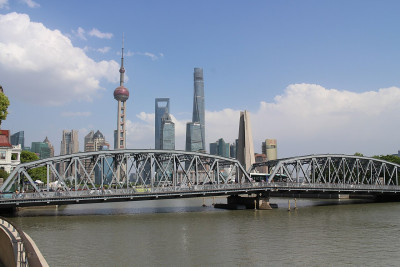
Waibaidu Bridge
Waibaidu Bridge, completed in 1908, is Shanghai's oldest steel bridge and a symbol of the city's early modernity. Its 52-meter span crosses Suzhou Creek where it meets the Huangpu River, linking the Bund with the North Bund. The gray steel trusses have appeared in countless films and wedding photos. A short walk across the bridge offers views of the Bund's historic buildings and the modern skyline beyond.
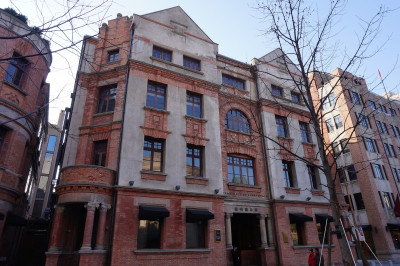
Rockbund
Rockbund, or the 'Bund Origin', is the stretch of the Bund that began as the Shanghai British Concession in the 1840s. Its restored 19th-century warehouses, consulates, and clubs line Yuanmingyuan Road and the riverfront. The former British Consulate gardens and the Peninsula Hotel anchor the district, while galleries and cafes occupy the old buildings. It offers a quieter, more intimate take on Bund architecture.
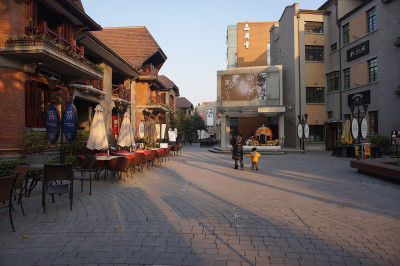
Sinan Mansions
Sinan Mansions preserves a group of 51 garden houses built in the 1920s around Fuxing Park. The historic lanes have been restored as a pedestrian complex with restaurants, cafes, bookshops, and art spaces. The Former Residence of Zhou Enlai sits within the block and is open to visitors. On weekends, the lanes host open-air markets and music events.
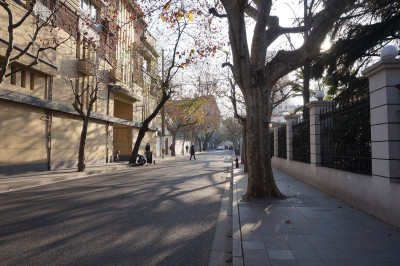
Wukang Road
Wukang Road runs through the heart of the former French Concession and is famous for its leafy plane trees and preserved 1930s architecture. The tapering Wukang Mansion is the street's most photographed building, while dozens of heritage villas line the way. The road was home to artists, writers, and politicians, including actress Hu Die and playwright Xiao Hong. Cafes and boutiques now occupy many of the old houses.
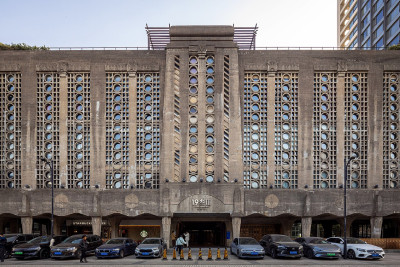
1933 Old Millfun
1933 Old Millfun was built in 1933 as a state-of-the-art slaughterhouse with a unique double-helix concrete ramp system. The building was designed by a British architect and combines Bauhaus and art deco elements. Since 2008 it has been reborn as a creative complex with design shops, art spaces, restaurants, and photo studios. The maze-like walkways and dramatic light make it a favorite spot for photographers.
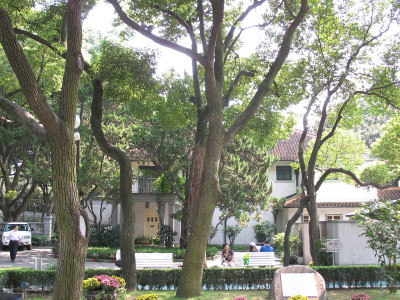
Song Qingling Residence
The Song Qingling Residence is the former home of Soong Ching-ling, wife of Sun Yat-sen and honorary chairwoman of the People's Republic. She lived here from 1948 until her death in 1981, and the rooms retain her furniture, books, and gifts from foreign dignitaries. The white villa and its plane-tree garden sit on a quiet lane off Huaihai Road. The garden is shaded by an ancient camphor tree she loved.
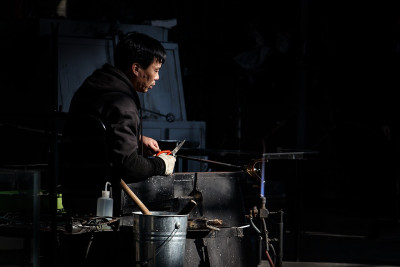
Shanghai Museum of Glass
Shanghai Museum of Glass opened in 2011 in the converted glass factories of the Baoshan industrial district. Its permanent galleries trace glass from ancient Egypt to modern art and technology, with a beautiful 'Glass Sculpture Garden' and live demonstration studios. Visitors can try simple glass craft activities, and the museum's cafes and shops use glass tables and displays. The striking glass façade lights up after dark.
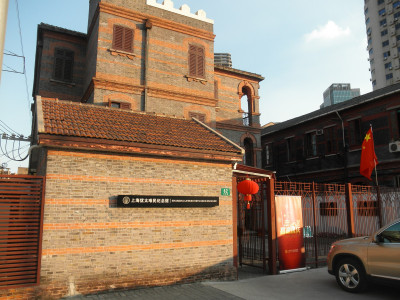
Shanghai Jewish Refugees Museum
Shanghai Jewish Refugees Museum is built around the historic Ohel Moshe Synagogue in the former Hongkou ghetto. Between 1933 and 1941, about 20,000 Jewish refugees fled to Shanghai, which accepted them without visas. The museum tells their stories through photographs, artifacts, and survivor testimony, including a wall engraved with 13,732 names. It is a powerful reminder of Shanghai's wartime role as a sanctuary.
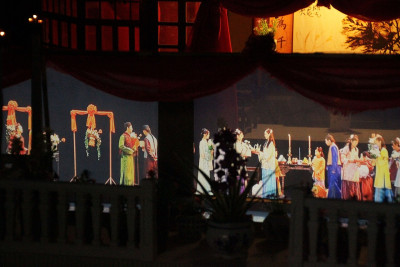
Shanghai Urban Planning Center
Shanghai Urban Planning Exhibition Center stands beside People's Square and shows how Shanghai has grown from a fishing town to a global metropolis. Its highlight is a huge scale model of downtown Shanghai with synchronized lights. Interactive displays cover metro planning, old-town heritage, and the skyline's future. The center offers one of the best introductions to the city for first-time visitors.
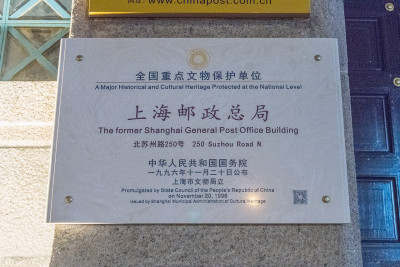
Shanghai Postal Museum
Shanghai Postal Museum occupies the historic Shanghai General Post Office building completed in 1924. Its landmark clock tower and green copper dome overlook the Suzhou Creek. Exhibits trace the history of Chinese postal service, including rare stamps, mail carts, and a recreated early post office. The building itself is one of Shanghai's finest examples of European neoclassical architecture.
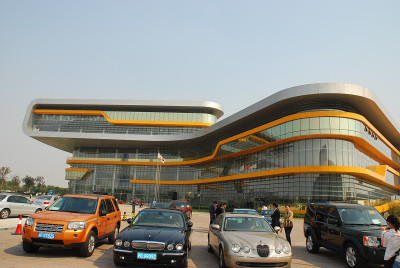
Shanghai Auto Museum
Shanghai Auto Museum is China's first professional automobile museum, housed in a striking futuristic building in the Anting auto city. Its collection spans more than 100 years of motoring, from early steam cars to classic Ferraris and vintage Shanghai sedans. The upper floors include a themed 'Magic Motown' exhibition zone and a kids' discovery area. The Shanghai Formula 1 circuit lies nearby.
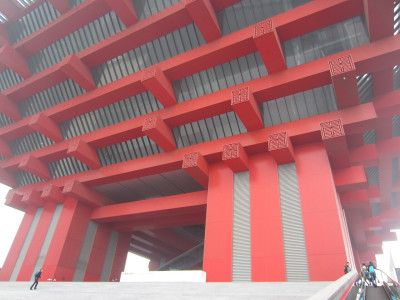
China Art Museum
China Art Museum opened in 2012 inside the iconic 'Crown of the East' pavilion built for the 2010 Expo. Its galleries show modern and contemporary Chinese art, including ink painting, calligraphy, and sculpture. The highlight exhibition often features Zhang Zeduan's famous 'Along the River During the Qingming Festival' animated scroll. General admission is free, with special exhibitions charged separately.
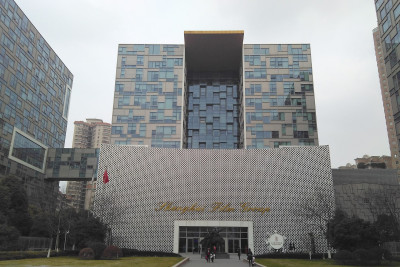
Shanghai Film Museum
Shanghai Film Museum opened in 2013 on the site of the historic Shanghai Film Studio. Its four floors use projections, props, and interactive displays to tell the story of Chinese film from the 1920s to today. Visitors can walk through recreated studio sets, see costumes and cameras, and watch clips of classic films. The 'red carpet' hall with rotating celebrity exhibits is a highlight.
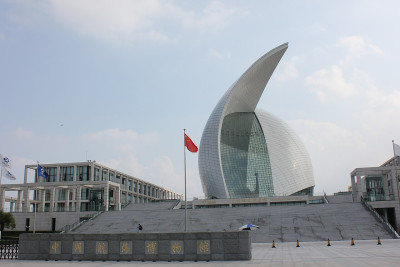
China Maritime Museum
China Maritime Museum opened in 2010 in the Lingang area of Pudong. Its centerpiece is a full-scale reproduction of a Ming-dynasty treasure ship like those sailed by Zheng He. Galleries cover navigation history, shipbuilding, ports, and maritime trade, with interactive simulators and models. The museum is next to Dishui Lake, a pleasant spot for a walk after visiting.
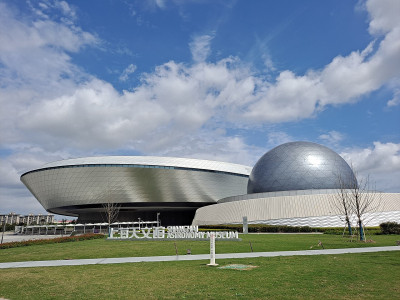
Shanghai Planetarium
Shanghai Planetarium opened in 2021 in the Lingang area of Pudong and is part of the Shanghai Science and Technology Museum system. Its futuristic building uses three arcs to evoke the movement of celestial bodies, and the 23-meter projection dome delivers immersive space shows. Exhibits cover astronomy, spaceflight, and planetary science, including a real lunar sample. Advance online booking is required.
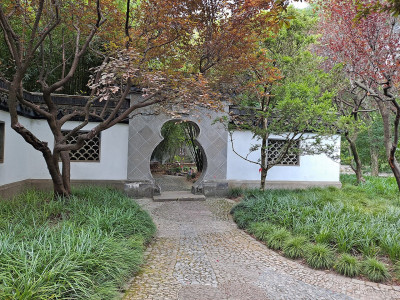
Guyi Garden
Guyi Garden was first laid out during the Ming Dynasty in 1522 and rebuilt several times over the centuries. Its pavilions, rockeries, ponds, and bamboo groves follow classic Jiangnan garden design. In summer the garden is famous for its lotus blooms, and in spring for plum blossoms. Nanxiang, the town around it, is also known for its xiaolongbao dumplings.
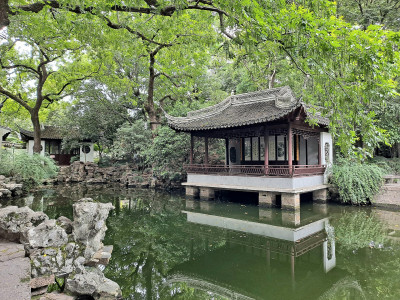
Qiuxia Garden
Qiuxia Garden dates from the early 16th century and is one of the oldest classical gardens in Shanghai. Its name means 'garden of autumn glow', and its halls, rockeries, and pond views are especially lovely in autumn. The garden sits close to the Jiading Confucian Temple and the old town's historic streets. It is a peaceful, low-key alternative to the city's busier gardens.
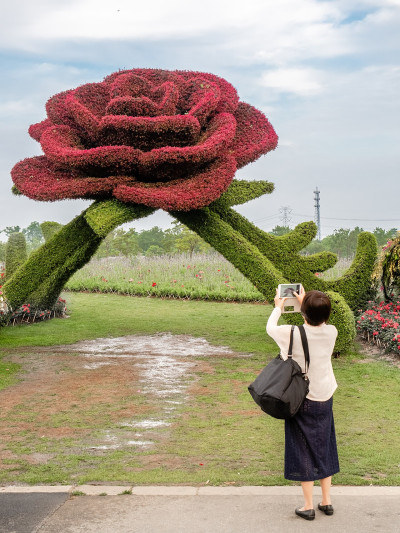
Chenshan Botanical Garden
Chenshan Botanical Garden opened in 2010 and covers about 207 hectares in the foothills of Sheshan. Its centerpiece is a trio of huge glasshouse domes housing tropical, desert, and alpine plant collections. The former quarry has been transformed into a sunken garden with waterfalls, while seasonal flower festivals draw large crowds. The garden is about an hour from central Shanghai by metro and bus.
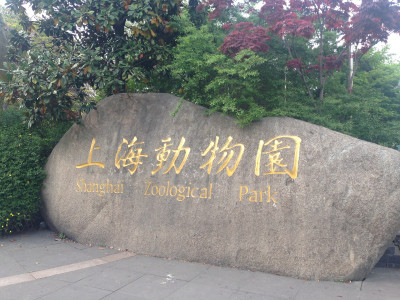
Shanghai Zoo
Shanghai Zoo opened in 1954 on a site that began as a golf course in 1900. It keeps more than 400 species, including giant pandas, South China tigers, and golden snub-nosed monkeys. Wide lawns, lakes, and tree-lined paths make it a pleasant green escape within the city. The zoo is easily reached by Metro Line 10.
Shanghai Wild Animal Park
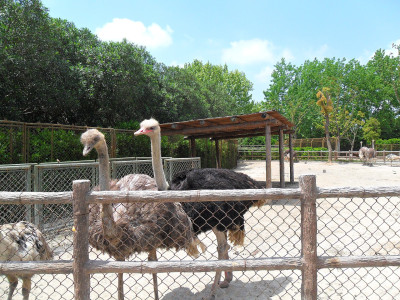
Shanghai Wild Animal Park covers about 153 hectares and is home to more than 10,000 animals. Visitors can take a bus safari through open enclosures with lions, tigers, bears, and zebras, then explore walk-through areas with pandas, giraffes, and an aviary. Daily shows feature elephants, sea lions, and birds of prey. It is best reached by the park's shuttle or by metro plus a short ride.
Xinchang Ancient Town
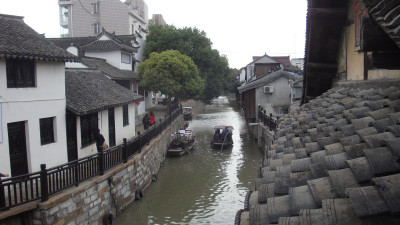
Xinchang Ancient Town preserves a traditional Jiangnan water-town layout with canals, stone bridges, and whitewashed houses. Unlike busier towns, it remains largely residential and uncrowded. The old street offers local snacks, handmade crafts, and small museums such as the Former Residence of Ye Lin. Filming locations from several Chinese movies and TV series can be spotted along the lanes.
Qibao Old Town
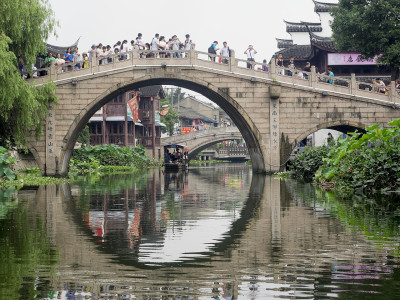
Qibao, meaning 'seven treasures', is a compact water town just southwest of central Shanghai. Its main street is packed with snack stalls selling stinky tofu, zongzi, and candied hawthorn, alongside craft shops and small museums. The Qibao Pagoda and the old temple anchor the historic core. The town is easy to reach by Metro Line 9, making it a popular half-day outing.
Jade Buddha Temple
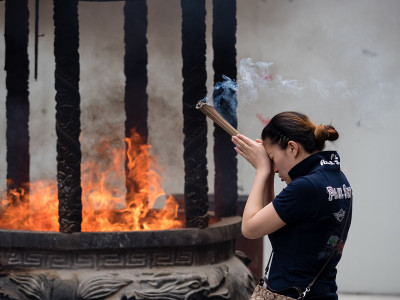
Jade Buddha Temple was founded in 1882 to house two jade Buddha statues brought from Myanmar by a monk named Huigen. The main halls follow a classical Song-dynasty style, while the temple's treasures sit in the Jade Buddha Chamber on the upper floor. The reclining jade Buddha in the western hall is another highlight. The temple remains one of Shanghai's most active Buddhist centers.
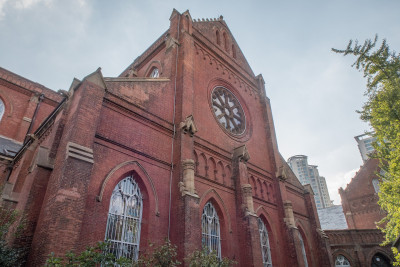
Xujiahui Cathedral
St. Ignatius Cathedral, popularly known as Xujiahui Cathedral, was completed in 1910 and is one of the largest Catholic churches in China. Its twin spires, stained-glass windows, and pointed arches make it a striking Gothic landmark. The church stands next to the historic Xujiahui Library and other Jesuit-era buildings. Visitors may enter during public opening hours, with Mass celebrated on Sundays.
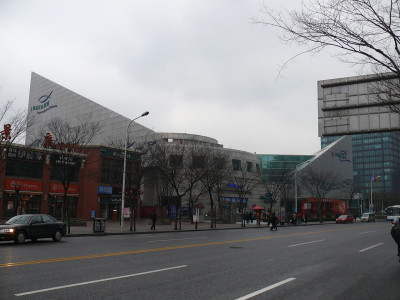
Shanghai Ocean Aquarium
Shanghai Ocean Aquarium is one of the largest aquariums in Asia, holding more than 450 species across 32 themed zones. Its 155-meter viewing tunnel, among the longest in the world, lets visitors walk beneath sharks and rays. Exhibits range from a China zone with endangered Chinese sturgeon to a polar zone with penguins. The aquarium sits right beside the Oriental Pearl Tower, making it easy to combine with other Lujiazui sights.
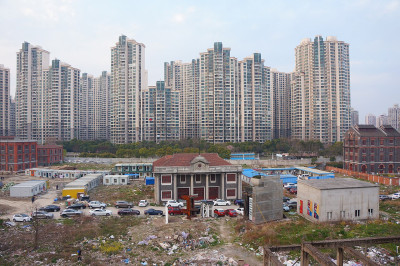
M50 Creative Park
M50 began as a cotton mill in the 1930s and was converted into artist studios in the early 2000s. Today the riverside complex of factory buildings holds more than a hundred galleries and studios showing painting, sculpture, photography, and design. Visitors can wander freely through the converted workshops and watch artists at work. The walls along Moganshan Road are famous for ever-changing street art.
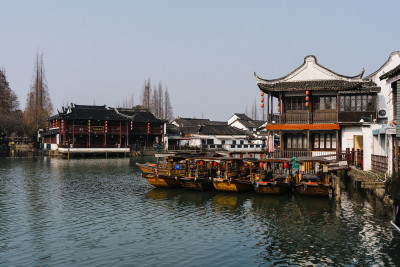
Zhujiajiao Water Town
Zhujiajiao is a 1,700-year-old water town about an hour from central Shanghai, crisscrossed by nine rivers and home to 36 ancient bridges. The five-arch Fangsheng Bridge, built in 1571, is the largest stone arch bridge in the region. Wandering the lanes reveals traditional houses, wooden boat rides, and local snacks such as zongzi and roasted pork. The town itself is free and open 24 hours, while individual sights like Kezhi Garden charge a small fee.
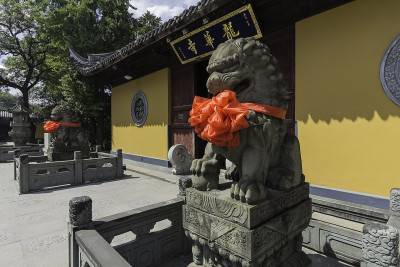
Longhua Temple
Longhua Temple has more than 1,700 years of history, with its seven-story Longhua Pagoda traditionally said to date back to the Three Kingdoms period. The complex features classic Song-style halls, ancient cypresses, and a serene lotus pond. The grounds are especially atmospheric during the spring temple fair and when the lotus flowers bloom in summer. Entry is free, though an incense ticket is optional.
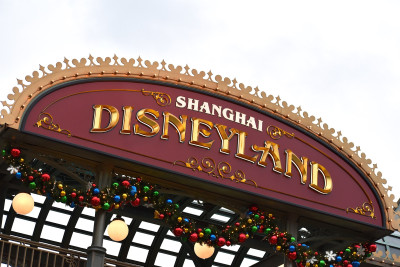
Shanghai Disneyland
Shanghai Disneyland opened in June 2016 and features six themed lands, including the uniquely Chinese Gardens of Imagination and the largest Enchanted Storybook Castle ever built. Alongside classic attractions like TRON Lightcycle Power Run and Pirates of the Caribbean, the park hosts daily parades and evening fireworks. Park hours and ticket prices vary by season, so check the official calendar before visiting.
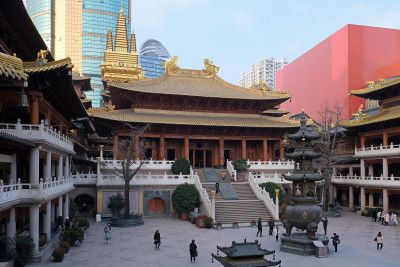
Jing'an Temple
Jing'an Temple traces its history back to 247 AD, although the current complex was rebuilt in the early 20th century and extensively renovated since. Its Han-Tibetan fusion architecture, gold-tiled roofs, and bronze Buddha statues make it stand out against the surrounding shopping district. The temple houses a notable collection of Buddhist relics and hosts ceremonies on the first and fifteenth days of the lunar month. The adjacent Jing'an Park completes the visit.
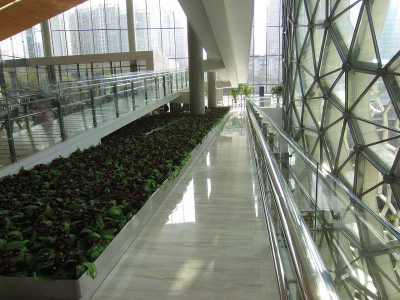
Shanghai Natural History Museum
The new Shanghai Natural History Museum opened in 2015 inside Jing'an Sculpture Park. Its collection of about 290,000 specimens covers paleontology, zoology, botany, and anthropology, with highlights including a 26-meter-long Mamenchisaurus skeleton and a complete Yellow River elephant fossil. The spiral building, nicknamed the 'green snail', is an architectural landmark in itself. The museum closes on Tuesdays rather than Mondays.
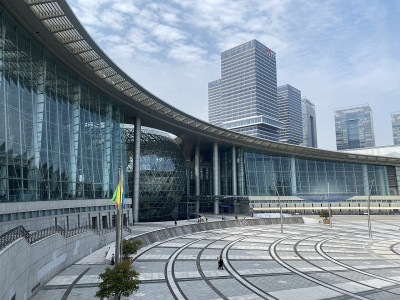
Shanghai Science and Tech Museum
Opened in 2001, the Shanghai Science and Technology Museum spans about 98,000 square meters of interactive galleries. Visitors can explore a rainforest-themed animal world, a spacecraft hall, a robot world, and a human-body pavilion. The museum is a favorite family destination and requires advance online booking. It is closed on Mondays except public holidays.
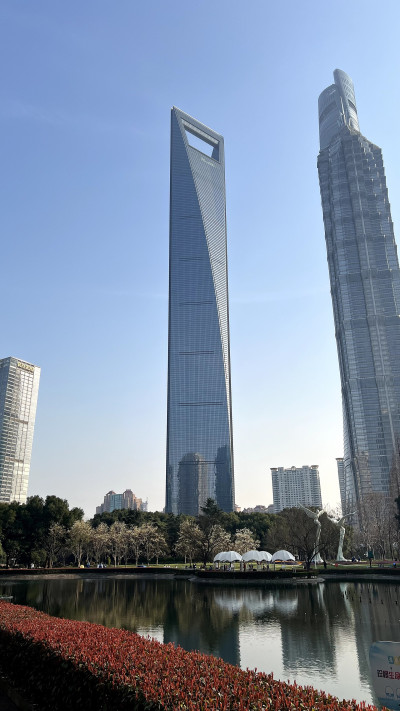
Shanghai World Financial Center
Completed in 2008, the Shanghai World Financial Center was the world's tallest building when it opened. Its distinctive trapezoid aperture earned it the nickname 'bottle opener' among locals. The observation deck on floors 94-100 includes a glass-floored skywalk at about 474 meters where visitors can look straight down. From the top, the view takes in all of Lujiazui, including the neighboring Jin Mao Tower and Shanghai Tower.
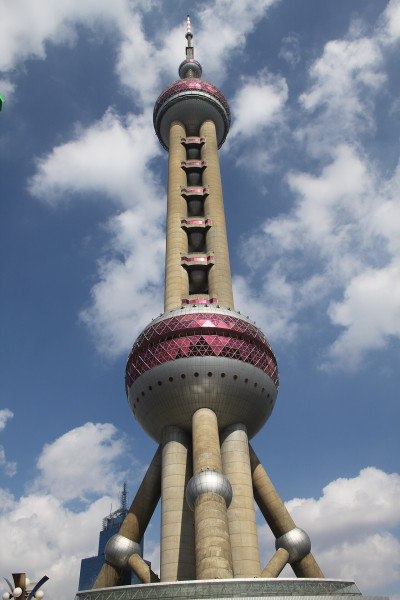
Oriental Pearl Tower
The Oriental Pearl Tower, completed in 1994, is one of Shanghai's most recognizable landmarks. Its eleven spheres of varying sizes echo a Tang Dynasty poem about a great dragon playing with pearls. The main observation deck at 263 meters offers sweeping views over the Bund, while the Space Module at 351 meters provides an even higher vantage point. The tower base also houses the Shanghai Municipal History Museum.

The Bund
The Bund also known as Waitan is Shanghais most famous waterfront area stretching along the western bank of the Huangpu River This 15 kilometer promenade offers a stunning contrast between the colonial European architecture of the 26 historical buildings on one side and the futuristic skyscrapers of Pudong on the opposite bank The Bund represents the meeting point of East and West old and new and serves as a living museum of Shanghais transformation from a treaty port to a global financial hub

Huangpu River Crossing
The Huangpu River Crossing is not just a transportation route but a symbolic journey through Shanghai's past and future. As you cross this historic waterway that divides the city into two distinct worlds, you'll witness the dramatic contrast between the colonial-era architecture of the Bund on the west bank and the soaring skyscrapers of Pudong on the east bank. The river itself has been Shanghai's lifeline for centuries, serving as a major port and commercial artery since the city's early days as a fishing village. Today, crossing the Huangpu offers visitors a unique perspective on Shanghai's transformation from a treaty port to a global financial hub. Whether you choose to cross by ferry, tunnel, or bridge, each method provides a different experience of this iconic waterway that has shaped Shanghai's identity and development.

Shanghai Tower
Soaring 632 meters above the Huangpu River, the Shanghai Tower is not just a skyscraper but a vertical city that represents the pinnacle of Chinese engineering and sustainable design. Completed in 2015, this architectural marvel features a unique double-skin facade that spirals upward, creating nine separate vertical zones that house offices, hotels, retail spaces, and observation decks. The towers innovative design incorporates numerous sustainable features including wind turbines, rainwater collection systems, and a double-skin facade that reduces energy consumption by 21%. Inside, visitors can experience the worlds fastest elevators that travel at 20.5 meters per second, whisking guests to the observation deck in just 55 seconds. The building stands as the centerpiece of Lujiazui financial district, forming a stunning trio with the neighboring Jin Mao Tower and Shanghai World Financial Center, collectively known as the Three Super Tall Towers of Shanghai.

Yu Garden
Yu Garden, also known as Yuyuan Garden, is a magnificent classical Chinese garden located in the heart of Shanghai's Old City. Built during the Ming Dynasty between 1559 and 1577 by a government officer named Pan Yunduan for his parents, this 5-acre garden complex represents the pinnacle of Chinese garden design from the Ming and Qing dynasties. The name 'Yu' means 'peace and comfort,' reflecting the garden's original purpose as a place of tranquility and contemplation. Despite being damaged and rebuilt several times throughout its history, Yu Garden has been meticulously restored to its former glory and now stands as one of Shanghai's most cherished cultural treasures. The garden follows traditional Chinese garden design principles with its winding pathways, artificial hills, ponds, pavilions, and rockeries, creating a harmonious balance between architecture and nature. Each element in the garden carries symbolic meaning, from the dragon-adorned walls representing imperial power to the carefully placed rocks symbolizing mountains and the water representing the sea. The garden is divided into six main scenic areas, each with its own unique character and design, connected by winding corridors and moon gates that create a sense of discovery and surprise at every turn.

Sun Yatsen Former Residence
This elegant Europeanstyle villa served as the residence of Dr Sun Yatsen and his wife Soong Chingling from 1918 to 1924 during a crucial period of Chinas revolutionary history The three story grey brick building with its distinctive red roof and arched windows represents a blend of Western architectural styles popular in early 20th century Shanghai The residence witnessed many important political discussions and revolutionary planning sessions that shaped modern China Today it stands as a museum preserving original furniture personal belongings photographs and documents that offer intimate insights into the life and work of Chinas first provisional president The residence has been meticulously restored to its 1920s appearance with each room telling a different chapter of Sun Yatsens revolutionary journey

French Concession
The French Concession is one of Shanghai's most charming and historically significant areas, established as a French settlement from 1849 to 1946. This picturesque neighborhood preserves the architectural legacy of Shanghai's colonial era while blending seamlessly with modern urban life. Spanning approximately 10 square kilometers, it features wide tree-lined boulevards, elegant European-style villas, art deco apartment buildings, and hidden lane houses known as shikumen. The area was originally home to French administrators, wealthy merchants, and Russian aristocrats fleeing the Bolshevik Revolution, creating a unique cultural melting pot that still influences Shanghai's cosmopolitan character today. Walking through the French Concession feels like stepping into a different era, where plane trees form natural canopies over quiet streets, boutique shops occupy renovated colonial buildings, and trendy cafes nestle alongside traditional Chinese establishments. The district is divided into two main sections: the former French Settlement area around Huaihai Road and the more residential Xuhui area with its beautiful gardens and embassies. This neighborhood has witnessed Shanghai's transformation from treaty port to global metropolis while maintaining its distinctive European charm and serving as a living museum of 20th-century Shanghai history.

Old Jesse
Old Jesse is a beloved local institution serving traditional Shanghainese dishes in a cozy, unpretentious setting. It's famous for its braised pork, drunken chicken, and other home-style flavors that capture the essence of Shanghai's culinary heritage.

Tianzifang
Tianzifang is one of Shanghais most beloved cultural destinations a maze of narrow alleyways and traditional Shikumen stonegate houses that have been creatively transformed into a thriving arts and crafts community Located in the former French Concession area this pedestrianfriendly neighborhood offers a delightful contrast to Shanghais modern skyscrapers The area dates back to the 1930s when it was a typical residential lane with Shikumen architecture a unique Shanghai style combining Western and Chinese elements Today these historic buildings house an eclectic mix of art galleries boutique shops craft studios cafes restaurants and bars creating a bohemian atmosphere that attracts both locals and international visitors

Xintiandi
Xintiandi meaning New Heaven and Earth is one of Shanghais most iconic destinations located in the heart of the city This innovative urban redevelopment project masterfully preserves the traditional Shikumen stone gate houses while transforming them into a vibrant lifestyle complex The area consists of two main sections North Block and South Block each offering distinct experiences North Block features beautifully restored Shikumen buildings housing upscale restaurants cafes bars and boutiques while South Block is a modern commercial complex with shopping malls cinemas and entertainment venues Xintiandi represents the perfect fusion of Shanghais colonial past with its cosmopolitan present where historic architecture meets contemporary design and international sophistication

Shanghai Museum
The Shanghai Museum is one of Chinas premier cultural institutions located at Peoples Square in the heart of Shanghai Established in 1952 and relocated to its current iconic building in 1996 the museum houses over 120000 precious artifacts spanning 5000 years of Chinese history The museums unique circular design with a square base symbolizes the ancient Chinese concept of a round heaven and square earth reflecting traditional Chinese cosmology The collection is organized into eleven galleries including Ancient Chinese Bronze Ancient Chinese Ceramics Ancient Chinese Painting Ancient Chinese Calligraphy Ancient Chinese Sculpture Ancient Chinese Jade Ancient Chinese Furniture Ancient Chinese Coins and Seals Ancient Chinese Minority Nationalities Art and Ancient Chinese Ceramics of the Ming and Qing Dynasties The museum is particularly renowned for its bronze collection which is considered one of the finest in the world with exquisite examples from the Shang and Zhou dynasties The ceramics collection features masterpieces from Neolithic pottery to Qing dynasty porcelain including rare celadon and blueandwhite wares The painting and calligraphy galleries display works by legendary artists from throughout Chinese history offering insights into the philosophical and aesthetic traditions that have shaped Chinese civilization The museum also features interactive exhibits and multimedia presentations that bring ancient artifacts to life making it accessible to visitors of all ages and backgrounds
Want the days already arranged?
Open the guidebook