Skip to content

More of China · Destination

Shijiazhuang

The Capital of Hebei Province and Gateway to Northern China

CityNotes updated November 16, 2025
Shijiazhuang
Shijiazhuang, ChinaField notes

3 guides · 6 places to start

The place

About Shijiazhuang

Shijiazhuang is the capital city of Hebei Province in northern China, serving as a major transportation hub and industrial center. Known as the 'Crossroads of North China,' this modern city has a rich history dating back over 2,000 years, though its rapid development occurred mainly in the 20th century. Shijiazhuang offers a fascinating blend of ancient cultural heritage, revolutionary history, and contemporary urban development.

The city is strategically located between Beijing and Taiyuan, making it an important economic and cultural bridge in northern China. While often overlooked by international tourists, Shijiazhuang provides authentic insights into China's industrial heartland and serves as the perfect base for exploring nearby UNESCO World Heritage sites like the Zhaozhou Bridge and ancient temples.

Things worth doing

A good place to begin

  1. 01Visit the Zhaozhou Bridge one of the oldest standing bridges in China dating back to 605 AD
  2. 02Explore Bailin Temple a significant Buddhist temple with over 1
  3. 03700 years of history
  4. 04Discover the Hebei Museum showcasing the provinces rich cultural heritage and artifacts
  5. 05Walk through Shijiazhuang Peoples Square the citys central public space and cultural hub
  6. 06Visit the Memorial Hall of the Martyrs of the Pingjin Campaign commemorating revolutionary history
  7. 07Explore Zhengding Ancient City with its wellpreserved temples pagodas and ancient architecture
  8. 08Taste local Hebei cuisine including donkey meat burgers and Shijiazhuang noodles
  9. 09Visit the Mount Cangyan Scenic Area featuring stunning mountain landscapes and ancient temples
Worth the detour

Places to see
while you are here.

A starting point for Shijiazhuang — from the landmarks you already know to the quieter corners worth making time for.

Hebei Provincial MuseumShijiazhuang

Hebei Provincial Museum

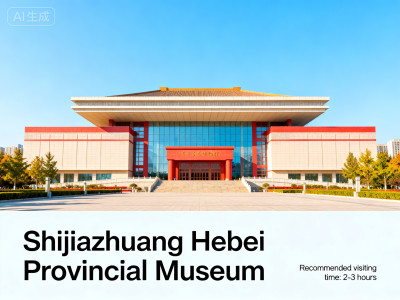
The Hebei Provincial Museum stands as one of Chinas premier provincial museums housing over 150000 cultural relics that span more than 5000 years of Hebeis history Located in the provincial capital Shijiazhuang this architectural marvel combines modern design with traditional Chinese elements The museums collections are organized chronologically taking visitors on a journey from the Neolithic Age through the Warring States period Han and Tang dynasties to the modern era Among its most prized exhibits are the exquisite bronze artifacts from the ancient Zhongshan Kingdom the magnificent jade burial suits of the Han Dynasty and the stunning Buddhist sculptures from the Northern Wei period The museum also features interactive displays multimedia presentations and special exhibitions that bring Hebeis cultural heritage to life making it an essential destination for understanding the historical and cultural significance of this important northern Chinese province

Shijiazhuang MuseumShijiazhuang

Shijiazhuang Museum

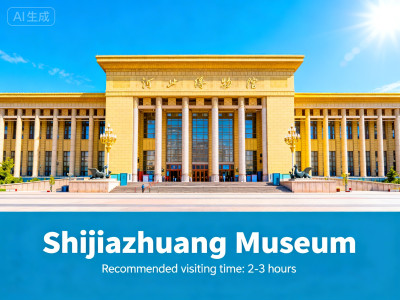
Located in the heart of Shijiazhuang, the capital city of Hebei Province, Shijiazhuang Museum stands as a cultural landmark that preserves and presents the fascinating history of this important region. The museum's architecture combines modern design with traditional Chinese elements, creating an impressive facade that welcomes visitors from around the world. Inside, the museum houses over 80,000 cultural relics spanning from prehistoric times to the modern era, with particular emphasis on the revolutionary history of the region during the War of Resistance Against Japan and the Chinese Civil War. The exhibitions are thoughtfully curated to provide visitors with a comprehensive understanding of Hebei's cultural heritage, including ancient artifacts, traditional crafts, and historical documents. The museum's collection includes exquisite bronze ware from the Shang and Zhou dynasties, delicate porcelain from various periods, ancient coins, jade carvings, and revolutionary memorabilia. One of the highlights is the exhibition dedicated to the history of Shijiazhuang itself, tracing its development from a small railway town to a major industrial and cultural center. The museum also features interactive displays and multimedia presentations that bring history to life, making it an engaging experience for visitors of all ages. With its well-organized galleries, educational programs, and cultural activities, Shijiazhuang Museum serves as both a repository of history and a vibrant cultural center for the community.

Mountain Resort GardensShijiazhuang

Mountain Resort Gardens

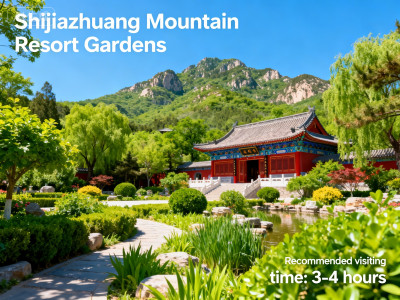
The Mountain Resort Gardens in Shijiazhuang represent one of Chinas most significant imperial garden complexes originally designed as a summer retreat for Qing Dynasty emperors This UNESCO World Heritage site showcases the perfect harmony between Chinese garden architecture and natural mountain landscapes The gardens feature traditional pavilions temples lakes and bridges all carefully arranged according to Feng Shui principles to create a miniature universe reflecting Chinese cosmological beliefs The complex served not only as a summer escape from Beijing heat but also as a political center where emperors conducted state affairs received foreign envoys and practiced hunting in the surrounding mountains The gardens architectural styles incorporate elements from various Chinese regions including southern water gardens northern mountain landscapes and Tibetan Buddhist temples creating a microcosm of the Qing Empires vast territory

Eight Outer TemplesShijiazhuang

Eight Outer Temples

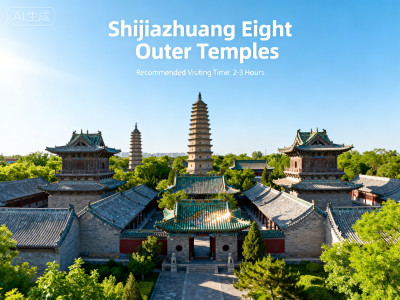
The Eight Outer Temples of Zhengding, located just north of Shijiazhuang, represent one of the most important Buddhist temple complexes in Northern China. Dating back to the Tang and Song dynasties, these temples were strategically built around the ancient city of Zhengding, which served as a major political and cultural center in Hebei Province. Each temple has its unique architectural style, religious significance, and historical background, collectively forming a spiritual ring that protected the city. The temples showcase various Buddhist traditions including Chan, Pure Land, and Esoteric Buddhism, reflecting the religious diversity that flourished during Chinas imperial periods. The complex includes some of the oldest and best-preserved wooden structures in China, with intricate carvings, ancient murals, and priceless cultural relics that have survived centuries of history.

Chengde Mountain ResortShijiazhuang

Chengde Mountain Resort

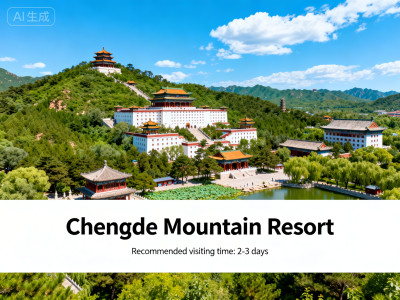
The Chengde Mountain Resort built between 1703 and 1792 during the reigns of Emperors Kangxi and Qianlong covers an area of 56 million square meters It served as a summer retreat for Qing emperors to escape the heat of Beijing and conduct state affairs The complex includes palaces lakes mountains and grasslands blending Han Chinese garden design with Mongolian Tibetan and other ethnic architectural styles The resort consists of four main sections the palace area lake area plain area and mountain area featuring 72 scenic spots named by Emperor Kangxi and Qianlong The surrounding Eight Outer Temples represent different Buddhist architectural styles from across China making it a unique cultural and religious site

Cangyan Mountain Hanging TempleShijiazhuang

Cangyan Mountain Hanging Temple

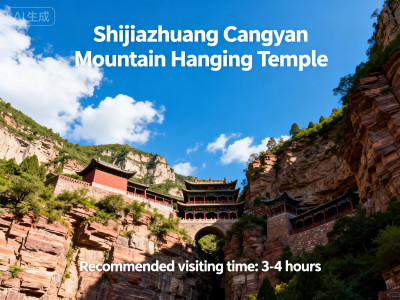
Cangyan Mountain Hanging Temple also known as Xuankong Temple is one of Chinas most breathtaking architectural wonders dating back to the Northern Wei Dynasty around 491 AD Perched precariously on the sheer cliffs of Cangyan Mountain about 50 kilometers southwest of Shijiazhuang this temple complex defies gravity and engineering logic What makes this temple truly unique is its harmonious integration of three major Chinese religious traditions Buddhism Taoism and Confucianism all coexisting within the same sacred space The temple appears to hang from the cliff face supported by wooden beams inserted into holes drilled into the rock with its 40 halls and pavilions connected by narrow walkways and dizzying staircases The architecture follows the natural contours of the cliff creating a seamless blend between human creation and natural wonder The temple complex includes notable structures like the Sanjiao Hall where statues of Confucius Laozi and Buddha sit side by side symbolizing religious harmony The temple has survived earthquakes floods and wars for over 14 centuries thanks to its ingenious construction that allows it to sway with the mountains movements rather than resist them The surrounding Cangyan Mountain area features lush forests ancient trees and natural springs creating a serene spiritual atmosphere