Attractions in Shijiazhuang · 52 places
Places worth
Landmarks with a story, neighbourhood corners with a slower pace and natural places that deserve more than a photograph. Use this index as a starting point, not a checklist.
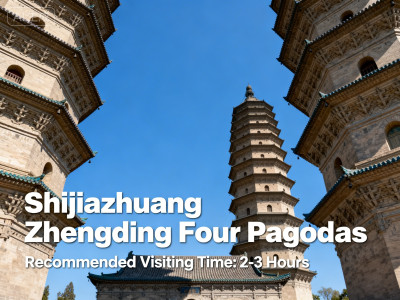
Zhengding Four Pagodas
The Zhengding Four Pagodas are a magnificent ensemble of ancient Chinese Buddhist architecture located in Zhengding County just north of Shijiazhuang. These four pagodas were constructed during different periods from the Tang to Song dynasties, each representing distinct architectural styles and Buddhist traditions. They stand as silent witnesses to over a thousand years of Chinese history, religious development, and artistic achievement. The pagodas are scattered throughout the ancient town of Zhengding, creating a spiritual landscape that has inspired poets, artists, and pilgrims for centuries. Each pagoda has its unique characteristics in terms of construction materials, architectural design, and religious significance, offering visitors a comprehensive understanding of Chinese pagoda evolution. The site is particularly famous for its well-preserved state and the diversity of styles concentrated in one location, making it a must-see destination for anyone interested in Chinese architecture, Buddhism, or ancient history.
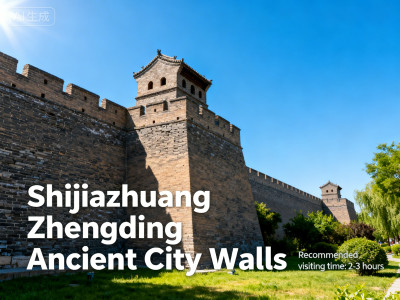
Zhengding Ancient City Walls
Zhengding Ancient City Walls represent one of the best-preserved ancient city fortifications in northern China, with origins tracing back to the Eastern Jin Dynasty (317-420 AD). These formidable walls have witnessed the rise and fall of multiple dynasties and served as a crucial defensive structure protecting the strategic city of Zhengding, which was historically known as Changshan. The walls showcase traditional Chinese military architecture with their imposing rammed earth construction, watchtowers, and strategic gateways. What makes Zhengding particularly fascinating is its unique layout featuring four distinct gates oriented to the cardinal directions, each with its own architectural character and historical significance. The walls stretch approximately 12 kilometers in circumference and stand as a living museum of Chinese defensive engineering, having been reinforced and expanded during the Tang, Song, Ming, and Qing dynasties. Today, visitors can walk along the restored sections, marvel at the ancient construction techniques, and enjoy panoramic views of both the historic city within and the modern developments beyond.
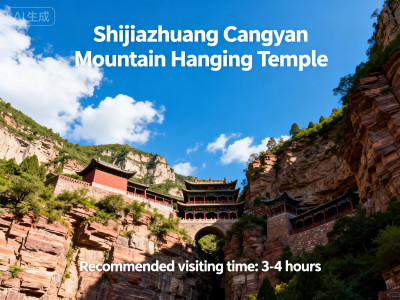
Cangyan Mountain Hanging Temple
Cangyan Mountain Hanging Temple also known as Xuankong Temple is one of Chinas most breathtaking architectural wonders dating back to the Northern Wei Dynasty around 491 AD Perched precariously on the sheer cliffs of Cangyan Mountain about 50 kilometers southwest of Shijiazhuang this temple complex defies gravity and engineering logic What makes this temple truly unique is its harmonious integration of three major Chinese religious traditions Buddhism Taoism and Confucianism all coexisting within the same sacred space The temple appears to hang from the cliff face supported by wooden beams inserted into holes drilled into the rock with its 40 halls and pavilions connected by narrow walkways and dizzying staircases The architecture follows the natural contours of the cliff creating a seamless blend between human creation and natural wonder The temple complex includes notable structures like the Sanjiao Hall where statues of Confucius Laozi and Buddha sit side by side symbolizing religious harmony The temple has survived earthquakes floods and wars for over 14 centuries thanks to its ingenious construction that allows it to sway with the mountains movements rather than resist them The surrounding Cangyan Mountain area features lush forests ancient trees and natural springs creating a serene spiritual atmosphere
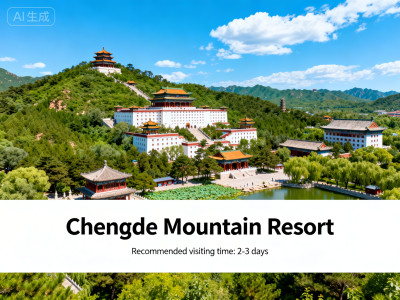
Chengde Mountain Resort
The Chengde Mountain Resort built between 1703 and 1792 during the reigns of Emperors Kangxi and Qianlong covers an area of 56 million square meters It served as a summer retreat for Qing emperors to escape the heat of Beijing and conduct state affairs The complex includes palaces lakes mountains and grasslands blending Han Chinese garden design with Mongolian Tibetan and other ethnic architectural styles The resort consists of four main sections the palace area lake area plain area and mountain area featuring 72 scenic spots named by Emperor Kangxi and Qianlong The surrounding Eight Outer Temples represent different Buddhist architectural styles from across China making it a unique cultural and religious site
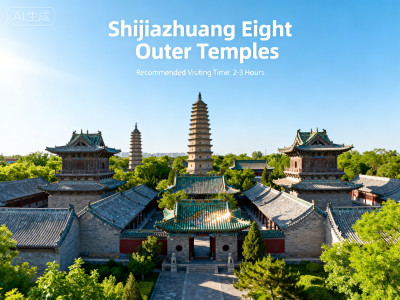
Eight Outer Temples
The Eight Outer Temples of Zhengding, located just north of Shijiazhuang, represent one of the most important Buddhist temple complexes in Northern China. Dating back to the Tang and Song dynasties, these temples were strategically built around the ancient city of Zhengding, which served as a major political and cultural center in Hebei Province. Each temple has its unique architectural style, religious significance, and historical background, collectively forming a spiritual ring that protected the city. The temples showcase various Buddhist traditions including Chan, Pure Land, and Esoteric Buddhism, reflecting the religious diversity that flourished during Chinas imperial periods. The complex includes some of the oldest and best-preserved wooden structures in China, with intricate carvings, ancient murals, and priceless cultural relics that have survived centuries of history.
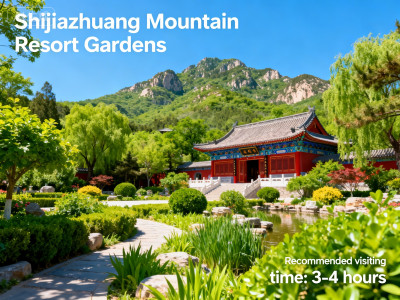
Mountain Resort Gardens
The Mountain Resort Gardens in Shijiazhuang represent one of Chinas most significant imperial garden complexes originally designed as a summer retreat for Qing Dynasty emperors This UNESCO World Heritage site showcases the perfect harmony between Chinese garden architecture and natural mountain landscapes The gardens feature traditional pavilions temples lakes and bridges all carefully arranged according to Feng Shui principles to create a miniature universe reflecting Chinese cosmological beliefs The complex served not only as a summer escape from Beijing heat but also as a political center where emperors conducted state affairs received foreign envoys and practiced hunting in the surrounding mountains The gardens architectural styles incorporate elements from various Chinese regions including southern water gardens northern mountain landscapes and Tibetan Buddhist temples creating a microcosm of the Qing Empires vast territory
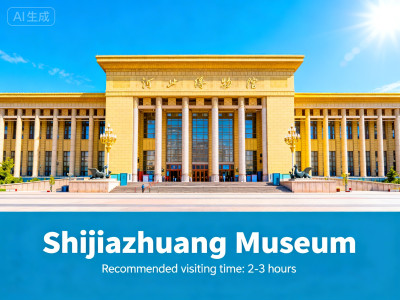
Shijiazhuang Museum
Located in the heart of Shijiazhuang, the capital city of Hebei Province, Shijiazhuang Museum stands as a cultural landmark that preserves and presents the fascinating history of this important region. The museum's architecture combines modern design with traditional Chinese elements, creating an impressive facade that welcomes visitors from around the world. Inside, the museum houses over 80,000 cultural relics spanning from prehistoric times to the modern era, with particular emphasis on the revolutionary history of the region during the War of Resistance Against Japan and the Chinese Civil War. The exhibitions are thoughtfully curated to provide visitors with a comprehensive understanding of Hebei's cultural heritage, including ancient artifacts, traditional crafts, and historical documents. The museum's collection includes exquisite bronze ware from the Shang and Zhou dynasties, delicate porcelain from various periods, ancient coins, jade carvings, and revolutionary memorabilia. One of the highlights is the exhibition dedicated to the history of Shijiazhuang itself, tracing its development from a small railway town to a major industrial and cultural center. The museum also features interactive displays and multimedia presentations that bring history to life, making it an engaging experience for visitors of all ages. With its well-organized galleries, educational programs, and cultural activities, Shijiazhuang Museum serves as both a repository of history and a vibrant cultural center for the community.
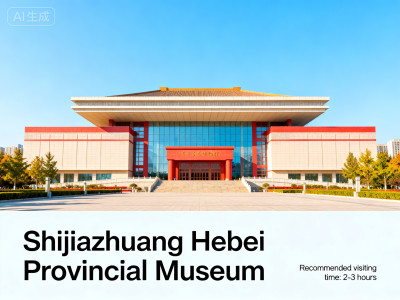
Hebei Provincial Museum
The Hebei Provincial Museum stands as one of Chinas premier provincial museums housing over 150000 cultural relics that span more than 5000 years of Hebeis history Located in the provincial capital Shijiazhuang this architectural marvel combines modern design with traditional Chinese elements The museums collections are organized chronologically taking visitors on a journey from the Neolithic Age through the Warring States period Han and Tang dynasties to the modern era Among its most prized exhibits are the exquisite bronze artifacts from the ancient Zhongshan Kingdom the magnificent jade burial suits of the Han Dynasty and the stunning Buddhist sculptures from the Northern Wei period The museum also features interactive displays multimedia presentations and special exhibitions that bring Hebeis cultural heritage to life making it an essential destination for understanding the historical and cultural significance of this important northern Chinese province
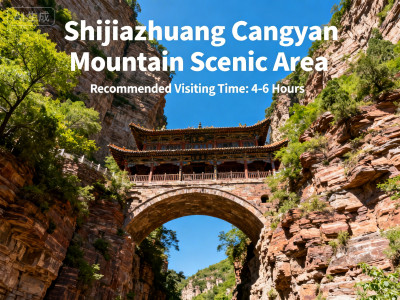
Cangyan Mountain Scenic Area
Cangyan Mountain, also known as Cangyan Mountain Scenic Area, is a magnificent natural and cultural attraction located about 50 kilometers southwest of Shijiazhuang in Hebei Province. This sacred mountain is renowned for its unique red sandstone cliffs, ancient Buddhist temples built precariously on sheer rock faces, and lush forested landscapes. The name 'Cangyan' translates to 'Green Cliff,' referring to the mountain's distinctive greenish rock formations that contrast beautifully with the surrounding red sandstone. The area has been a center of Buddhist worship since the Sui Dynasty (581-618 AD) and features the famous Qiaoloudian Temple complex, which appears to be suspended in mid-air against the cliffside. The mountain stands at approximately 1,000 meters above sea level and offers panoramic views of the Taihang Mountain range. Cangyan Mountain combines natural beauty with profound spiritual significance, making it one of North China's most remarkable destinations for both nature lovers and cultural enthusiasts.

Flying Bridge Across the Sky
The Flying Bridge Across the Sky is a spectacular glass suspension bridge that spans across a deep canyon offering breathtaking views of the surrounding mountainous landscape This engineering marvel combines modern architectural techniques with natural beauty creating a thrilling experience for visitors The bridge features transparent glass panels allowing you to look straight down to the valley floor hundreds of meters below making it both an exhilarating and scenic attraction The structure represents Chinas advanced engineering capabilities while providing access to some of the most stunning natural scenery in the region
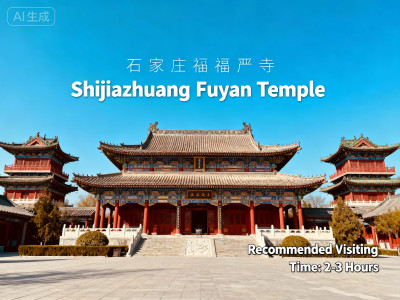
Fuyan Temple
Fuyan Temple also known as Fuyan Monastery is a magnificent Buddhist temple complex dating back to the Northern Wei Dynasty around 1500 years ago Located in the picturesque mountains of Shijiazhuang Hebei Province this temple represents one of the most important Buddhist heritage sites in northern China The temple complex features traditional Chinese Buddhist architecture with multiple halls pagodas and courtyards arranged along the mountain slopes The name Fuyan translates to Fortune Cliff reflecting its auspicious location on a cliffside overlooking beautiful natural scenery Throughout its long history Fuyan Temple has been an important center for Buddhist study and practice attracting monks pilgrims and scholars from across China The temple has undergone several renovations during different dynasties including the Tang Song and Ming periods each leaving their architectural imprint The current structures mainly date from the Ming and Qing dynasties preserving the elegant wooden architecture intricate carvings and traditional Buddhist art that characterize Chinese temple design
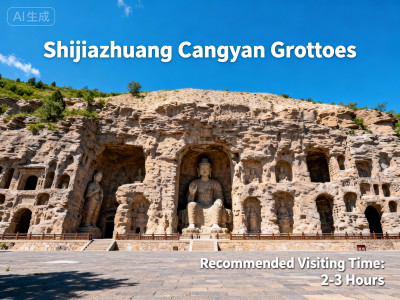
Cangyan Grottoes
The Cangyan Grottoes also known as Cangyan Mountain Grottoes are an ancient Buddhist cave temple complex located in Jingxing County about 50 kilometers southwest of Shijiazhuang Hebei Province Carved into the steep cliffs of Cangyan Mountain the grottoes represent one of the most important Buddhist sites in northern China with construction beginning during the Northern Wei Dynasty 386534 AD and continuing through subsequent dynasties including the Tang and Song periods The site features over 100 caves containing more than 5000 Buddhist statues and numerous stone carvings murals and inscriptions The grottoes are renowned for their exquisite craftsmanship blending Indian Buddhist art with traditional Chinese artistic styles creating a unique cultural fusion that reflects the spread of Buddhism along the ancient Silk Road The complex is divided into several sections with the most famous being the Thousand Buddha Cave and the Flying Apsaras Cave showcasing the evolution of Buddhist art over centuries Beyond the religious significance the site offers breathtaking natural scenery with the grottoes integrated into the dramatic mountain landscape creating a harmonious balance between human artistry and natural beauty
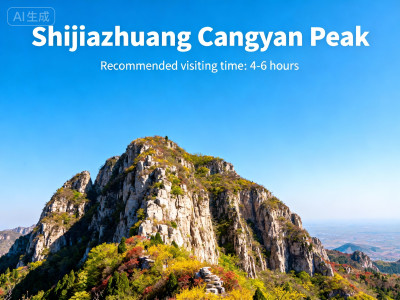
Cangyan Peak
Cangyan Peak also known as Cangyan Mountain is a spectacular natural wonder located about 50 kilometers southwest of Shijiazhuang in Hebei Province The mountain gets its name Cangyan which means Green Cliff from the unique greenish hue of its rock formations particularly striking during sunrise and sunset The area is famous for its dramatic red sandstone cliffs ancient Buddhist temples and breathtaking natural scenery that has inspired poets and artists for centuries The most iconic feature is the Bridge Tower Temple a magnificent wooden structure built on a natural stone bridge spanning two cliffs creating a truly awe inspiring sight
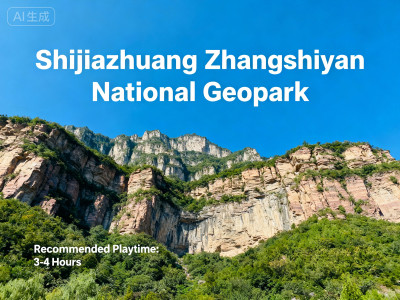
Zhangshiyan National Geopark
Zhangshiyan National Geopark located in Jingxing County Shijiazhuang is one of Chinas most spectacular geological parks renowned for its unique Danxia landforms and towering sandstone pillars The park covers over 20 square kilometers and features breathtaking rock formations that have been sculpted by wind and water erosion over millions of years The name Zhangshiyan literally means Zhang Family Rock referring to the local legend about a family who discovered these magnificent formations The parks landscape resembles a natural stone forest with pillars peaks walls and canyons creating a surreal geological museum that showcases natures artistic prowess The red sandstone formations glow brilliantly under sunlight particularly during sunrise and sunset creating magical visual effects that have inspired poets and artists for centuries
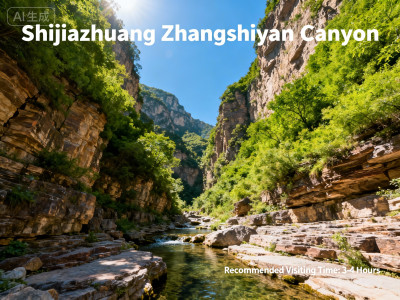
Zhangshiyan Canyon
Zhangshiyan Canyon also known as Zhangshiyan National Geological Park is a magnificent natural attraction located in Jingxing County about 50 kilometers west of Shijiazhuang The canyon features stunning red sandstone formations that have been sculpted by wind and water erosion over millions of years creating a landscape of towering cliffs deep gorges and unique rock pillars The name Zhangshiyan translates to Zhang Family Rock reflecting the local legend that the formations resemble a family standing together The area covers approximately 60 square kilometers and showcases geological wonders dating back to the Cambrian period over 500 million years ago The canyon is particularly famous for its autumn colors when the red rocks contrast beautifully with the golden foliage creating a photographers paradise
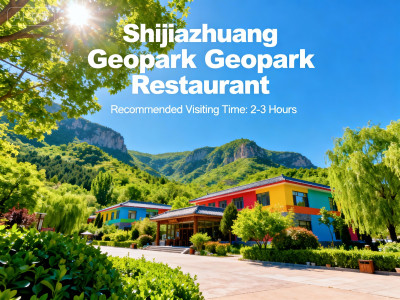
Geopark Restaurant
Geopark Restaurant is not just a dining establishment but a cultural and geological experience nestled within the Shijiazhuang Geological Park. This innovative restaurant seamlessly blends the natural beauty of geological formations with traditional Hebei culinary arts. The restaurant features stunning views of ancient rock formations dating back millions of years while serving authentic local dishes prepared with fresh ingredients from the surrounding region. The interior design incorporates natural stone elements and geological themes, creating an atmosphere where diners can appreciate both culinary excellence and geological heritage. The restaurant specializes in traditional Hebei cuisine with modern interpretations, featuring dishes that highlight the regions agricultural bounty and culinary traditions. Dining here offers a unique opportunity to experience the geological history of the Taihang Mountains region while enjoying some of the finest local cuisine in Shijiazhuang.
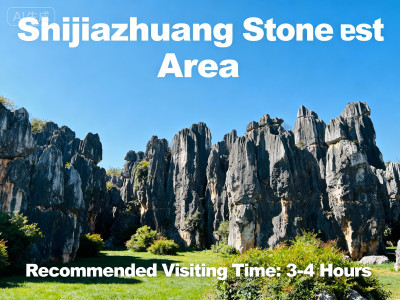
Stone Forest Area
The Stone Forest Area in Shijiazhuang is a spectacular natural landscape characterized by towering limestone formations that have been sculpted by millions of years of erosion. Located in the Hebei province, this geological marvel features thousands of stone pillars, peaks, and columns that rise dramatically from the earth, creating an otherworldly landscape that resembles a forest made of stone. The formations vary in height from a few meters to over 30 meters, with intricate shapes and textures that have been carved by wind and water over countless centuries. The area showcases the incredible power of natural forces and offers visitors a unique opportunity to witness geological history firsthand. The stone forest is particularly stunning during sunrise and sunset when the changing light creates dramatic shadows and highlights across the formations.
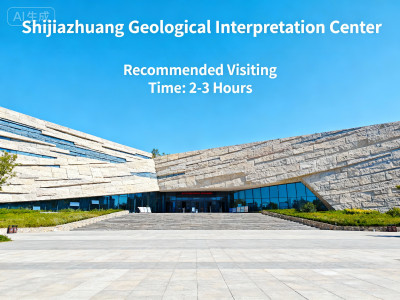
Geological Interpretation Center
The Geological Interpretation Center in Shijiazhuang is a state-of-the-art geological museum that serves as an educational and research hub for understanding China's geological history. Located in the capital of Hebei Province, this center offers visitors an immersive journey through billions of years of Earth's history, with a special focus on the unique geological formations of northern China. The center features interactive exhibits, rare mineral specimens, fossil collections, and detailed explanations of geological processes that have shaped the region's landscape. Visitors can explore the geological evolution of the Taihang Mountains, learn about the mineral resources that have supported China's development, and understand the tectonic forces that continue to shape the Asian continent.
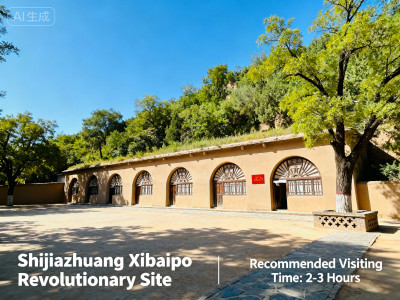
Xibaipo Revolutionary Site
Xibaipo Revolutionary Site is one of the most significant historical landmarks in modern Chinese history. Located in Pingshan County about 90 kilometers northwest of Shijiazhuang, this was the last rural command center of the Communist Party of China before they entered Beijing. From May 1948 to March 1949, Chairman Mao Zedong and other top leaders lived and worked here, directing the decisive battles of the Chinese Civil War and preparing for the establishment of the Peoples Republic of China. The site preserves the original living quarters, meeting rooms, and military command centers where historic decisions were made. Visitors can walk through the same courtyards where revolutionary leaders planned the future of China, experiencing the humble conditions that contrasted with the monumental events unfolding. The site represents the transition from rural revolutionary base to national governance, embodying the spirit of perseverance and strategic vision that shaped modern China.
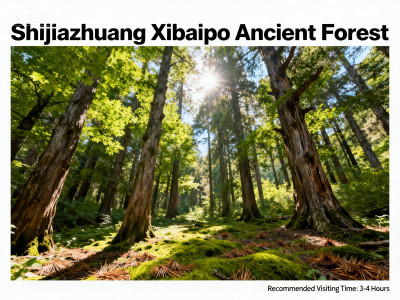
Xibaipo Ancient Forest
Xibaipo Ancient Forest is a remarkable natural wonder located in the mountainous regions of Shijiazhuang Hebei Province This ancient forest preserves some of the oldest trees in northern China with many specimens dating back over 1000 years The forest gained historical significance as it served as a temporary base for the Central Committee of the Communist Party of China during the Chinese Civil War Today it stands as both a natural sanctuary and a historical site offering visitors a unique combination of ecological exploration and cultural education The forest features diverse vegetation including ancient pines cypresses and oaks that have witnessed centuries of Chinese history The area is particularly famous for its autumn foliage when the leaves transform into vibrant shades of red orange and gold creating a spectacular natural tapestry
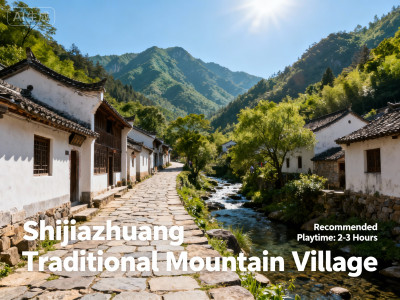
Traditional Mountain Village
This traditional mountain village offers a rare glimpse into centuries-old rural life in northern China. Nestled in the majestic Taihang Mountains near Shijiazhuang, the village preserves authentic stone architecture, ancient customs, and traditional farming practices that have remained largely unchanged for generations. The village features characteristic stone houses built directly into the mountain slopes, narrow winding stone pathways, and terraced fields that demonstrate ingenious agricultural techniques adapted to mountainous terrain. Visitors can experience the harmonious relationship between humans and nature that has sustained this community for centuries. The village represents a living heritage site where traditional festivals, folk arts, and daily routines continue as they have for hundreds of years, offering an immersive journey into China's rural cultural roots.
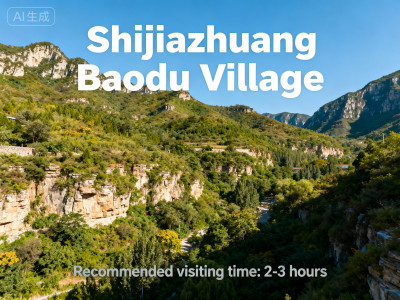
Baodu Village
Baodu Village also known as Baodu Fortress is a spectacular ancient mountain stronghold located about 17 kilometers west of Shijiazhuang city center Perched atop a towering mountain peak at an elevation of 580 meters this historical site offers panoramic views of the surrounding landscape The name Baodu literally means carrying a calf refers to a legendary story about a farmer who carried his calf up the mountain every day until it grew into a fullsized bull symbolizing perseverance and determinationnnThis ancient fortress dates back over 2000 years with its earliest fortifications established during the Warring States period 475221 BC Throughout Chinese history Baodu Village served as a strategic military stronghold witnessing numerous battles and playing crucial roles during various dynasties including the Han Tang and Ming periods The site combines natural beauty with human engineering featuring steep cliffs ancient walls temples and pavilions that blend harmoniously with the mountain landscapennThe journey to Baodu Village begins with a challenging climb up 3300 stone steps known as the Heavenly Stairway which tests visitors endurance and rewards them with spectacular views at every turn Alternatively visitors can take a cable car for a more comfortable ascent offering breathtaking aerial perspectives of the rugged terrain Upon reaching the summit youll discover a complete ancient village complex with traditional architecture defensive structures and cultural relics that transport you back in time to ancient China

Mountain Viewpoint
The Mountain Viewpoint in Shijiazhuang is one of the most spectacular observation platforms in Hebei Province, providing visitors with unparalleled views of the majestic Taihang Mountain range. Situated at an elevation that offers commanding perspectives, this viewpoint showcases the dramatic geological formations, deep valleys, and rolling hills that characterize northern Chinas landscape. The location has been carefully developed to maximize the viewing experience while preserving the natural environment. Visitors can witness the changing colors of the mountains throughout the day, from the soft morning mists to the golden hues of sunset. The viewpoint serves as both a natural observation deck and an educational site about the regions unique geology and ecology. Its strategic position allows visitors to appreciate the scale and beauty of one of Chinas most important mountain ranges while learning about the cultural significance these mountains hold in Chinese history and mythology.
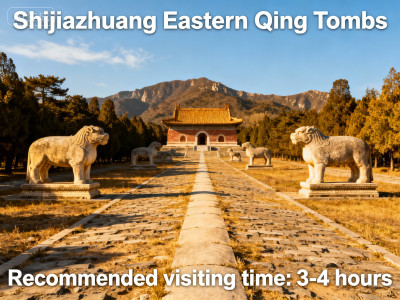
Eastern Qing Tombs
Located in Zunhua City about 125 kilometers northeast of Shijiazhuang the Eastern Qing Tombs are the final resting place of five Qing Dynasty emperors fifteen empresses 136 imperial concubines three princes and two princesses This UNESCO World Heritage Site covers an area of 80 square kilometers and represents the zenith of Chinese imperial tomb architecture The complex was constructed over 247 years from 1661 to 1908 following strict Feng Shui principles with the Changrui Mountain to the north and the Jinxing Mountain to the south creating a perfect natural protective barrier The tombs feature magnificent stone sculptures elaborate ceremonial pathways and underground palaces that showcase the artistic and architectural achievements of the Qing Dynasty The most notable tombs include those of Emperor Shunzhi the first Qing emperor to rule China Emperor Kangxi the longest reigning emperor in Chinese history and Emperor Qianlong under whose rule China reached its peak of prosperity The site also contains the tomb of Empress Dowager Cixi one of the most powerful women in Chinese history whose tomb is particularly ornate with intricate carvings and lavish decorations
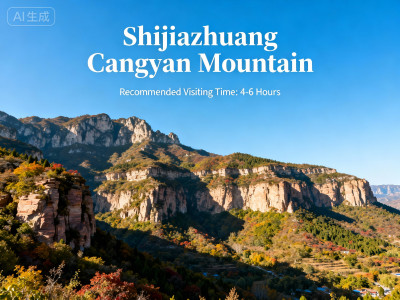
Cangyan Mountain
Cangyan Mountain also known as Cangyan Mountain Scenic Area is a magnificent Buddhist mountain complex located about 50 kilometers southwest of Shijiazhuang in Hebei Province. This sacred site dates back over 1400 years to the Sui Dynasty and is renowned for its spectacular cliffside temples that seem to defy gravity as they cling to the steep mountain faces. The name Cangyan means Green Cliff referring to the lush vegetation covering the mountain slopes. The most famous structure is the Bridge Tower Temple a remarkable architectural feat built across a natural stone bridge spanning a deep gorge. This UNESCO World Heritage candidate site combines natural beauty with profound religious significance offering visitors stunning panoramic views ancient Buddhist art and a peaceful spiritual atmosphere. The mountain rises to 1000 meters above sea level and features unique geological formations including limestone cliffs caves and natural bridges that have been shaped by millions of years of erosion.
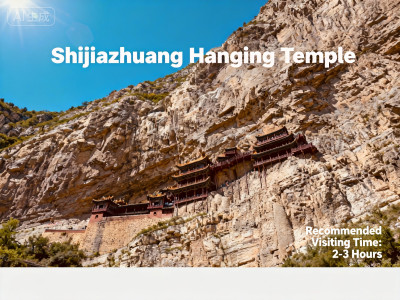
Hanging Temple
The Hanging Temple also known as Xuankong Temple is a unique architectural wonder built into a cliff face at the foot of Mount Heng in Hunyuan County Datong City Shanxi Province Although administratively located in Shanxi Province it is often associated with Shijiazhuang due to its proximity and popularity among tourists visiting the region This temple is remarkable for being the only existing temple that combines Buddhism Taoism and Confucianism Built more than 1500 years ago during the Northern Wei Dynasty the temple appears to hang precariously on the vertical cliffside about 75 meters above the ground The structure is supported by oak crossbeams fitted into holes chiseled into the cliffside with the main supportive structure hidden inside the bedrock The temple consists of 40 halls and pavilions connected by a series of corridors bridges and boardwalks all seemingly defying gravity
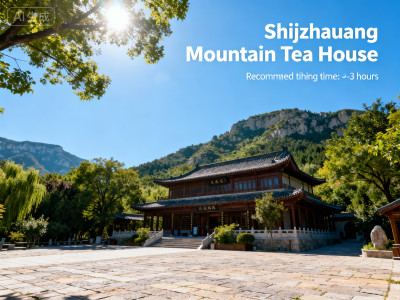
Mountain Tea House
The Mountain Tea House in Shijiazhuang is a hidden gem that beautifully blends traditional Chinese tea culture with the natural beauty of the surrounding mountains. Located in the foothills of the Taihang Mountains, this tea house offers visitors an authentic experience of Chinese tea ceremonies while enjoying panoramic views of lush greenery and misty peaks. The architecture follows traditional Chinese design with wooden structures, curved roofs, and open pavilions that harmonize with the natural environment. Here you can learn about the rich history of Chinese tea culture dating back thousands of years, with Shijiazhuang being part of Hebei Province which has its own unique tea traditions influenced by northern Chinese customs. The tea house serves a variety of premium teas including local specialties and famous Chinese varieties like Longjing, Tieguanyin, and Pu'er. Visitors can participate in traditional tea ceremonies guided by experienced tea masters who explain the art of tea preparation, the significance of different tea utensils, and the philosophy behind Chinese tea culture. The tranquil atmosphere combined with the mountain setting creates a perfect environment for relaxation, meditation, and cultural immersion.
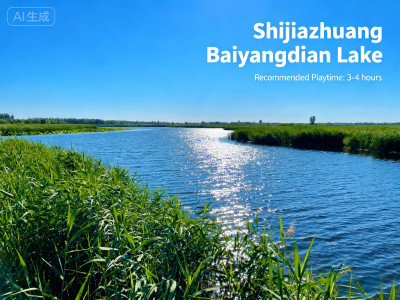
Baiyangdian Lake
Baiyangdian Lake is the largest freshwater lake in North China, located about 150 kilometers from Shijiazhuang in Hebei Province. Covering an area of 366 square kilometers, it consists of 143 interconnected lakes and is often called the Pearl of North China. The lake plays a crucial ecological role as the Kidney of North China, filtering water and maintaining regional biodiversity. Baiyangdian is famous for its extensive reed marshes, lotus ponds, and traditional fishing villages where people have lived on houseboats for generations. The area is rich in cultural heritage, being the setting for many famous Chinese literary works and revolutionary stories. During World War II, it served as an important base for guerrilla fighters against Japanese invaders. The lake's ecosystem supports diverse wildlife including migratory birds, fish species, and aquatic plants. Traditional fishing methods using cormorants and woven baskets are still practiced here. The best time to visit is from May to October when lotus flowers bloom and the weather is pleasant.

Baiyangdian Wetlands
Baiyangdian Wetlands is the largest freshwater wetland in North China, located about 150 kilometers south of Beijing in Hebei Province. Covering an area of approximately 366 square kilometers, this magnificent wetland ecosystem consists of 143 interconnected lakes and thousands of hectares of reed marshes. The name Baiyangdian means White Poplar Lake, referring to the white poplar trees that once grew abundantly around its shores. This wetland plays a crucial ecological role as a natural water purification system and habitat for numerous bird species, earning it the nickname Kidney of North China. The area is also famous for its rich cultural heritage, being the setting for many revolutionary stories during the Anti-Japanese War and serving as inspiration for numerous literary works. The wetland features traditional fishing villages, ancient water towns, and unique floating communities where people have lived in harmony with the water for centuries.

Water Village Market
Water Village Market is a vibrant traditional market situated along the waterways of Shijiazhuang Hebei Province This unique market combines the charm of ancient Chinese water towns with modern market culture Visitors can explore wooden boats selling fresh produce local crafts and traditional snacks while experiencing the authentic atmosphere of a Chinese water village The market features traditional architecture with stone bridges wooden pavilions and winding waterways creating a picturesque setting that transports visitors back in time

Traditional Crafts Center
The Traditional Crafts Center in Shijiazhuang is a vibrant cultural institution dedicated to preserving and promoting the exquisite traditional crafts of Hebei Province and northern China. Located in the capital city of Hebei, this center serves as both a museum and an active workshop where visitors can witness master artisans practicing centuries-old techniques. The center features comprehensive exhibitions on various traditional crafts including paper cutting, clay figurines, embroidery, wood carving, and traditional textile weaving. What makes this center particularly special is its interactive approach visitors can not only observe but also participate in workshops led by certified masters who have inherited these skills through generations. The center showcases the unique characteristics of Hebei crafts, which blend influences from the northern nomadic cultures with traditional Han Chinese techniques, creating distinctive styles found nowhere else in China. The architecture of the center itself reflects traditional Hebei courtyard design, creating an authentic atmosphere that transports visitors back in time.

Local Cooking School
Located in the heart of Shijiazhuang, this local cooking school offers an immersive experience into the rich culinary heritage of Hebei Province. Under the guidance of experienced local chefs, you'll learn to prepare traditional dishes that have been passed down through generations. The school provides a unique opportunity to understand Chinese food culture, from ingredient selection to cooking methods, while creating delicious meals you can recreate at home. The classes are designed for all skill levels and offer insights into the regional specialties that make Hebei cuisine distinctive.
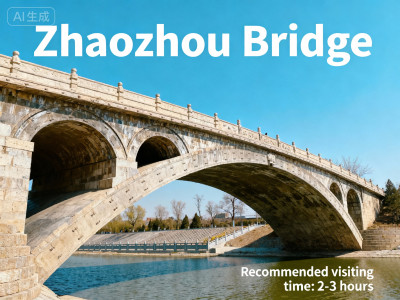
Zhaozhou Bridge
Zhaozhou Bridge also known as Anji Bridge is the worlds oldest open spandrel stone segmental arch bridge located in Zhaoxian County about 40 kilometers southeast of Shijiazhuang Hebei Province Built between 595 and 605 AD during the Sui Dynasty this architectural marvel has stood for over 1400 years surviving numerous floods earthquakes and wars The bridge spans 502 meters with a main arch of 373 meters and was designed by the brilliant engineer Li Chun Its innovative design features four smaller arches on each side of the main arch which allow floodwaters to pass through reducing pressure on the structure The bridge represents the pinnacle of ancient Chinese engineering and has influenced bridge construction worldwide for centuries
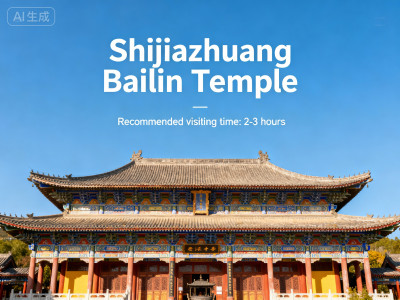
Bailin Temple
Bailin Temple also known as the White Forest Temple is a renowned Buddhist monastery located in Zhaoxian County Shijiazhuang Hebei Province Established during the Eastern Han Dynasty around 200 AD it has witnessed the rise and fall of numerous Chinese dynasties The temple is particularly famous for its association with Master Faxian one of Chinas most celebrated Buddhist monks who traveled to India to bring back sacred Buddhist scriptures The temple complex features traditional Chinese Buddhist architecture with multiple halls pagodas and courtyards arranged in a symmetrical layout reflecting the harmony and balance central to Buddhist philosophy The main hall houses precious Buddhist statues and artifacts while the surrounding gardens create a serene atmosphere for meditation and reflection Bailin Temple serves not only as a religious center but also as a living museum of Chinese Buddhist history and culture attracting pilgrims scholars and tourists from around the world
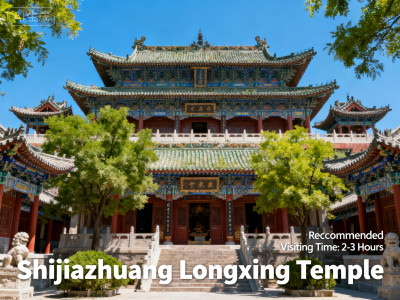
Longxing Temple
Longxing Temple, also known as the Great Buddha Temple, is located in Zhengding County of Shijiazhuang. Founded during the Sui Dynasty in 586 AD, this sprawling temple complex covers an area of 82,500 square meters and represents one of the most complete and well-preserved Song Dynasty Buddhist temple complexes in China. The temple is renowned for its magnificent architecture, exquisite Buddhist statues, and rich historical significance. It served as an important center for Buddhist worship and study throughout Chinese history, particularly during the Song, Jin, and Yuan dynasties. The temple complex features numerous halls, pavilions, and towers arranged along a central axis, showcasing traditional Chinese temple architecture at its finest. The most famous attraction is the 21.3-meter tall bronze statue of Guanyin, the Goddess of Mercy, housed in the Dabei Pavilion. This thousand-armed, thousand-eyed Guanyin is considered one of the most impressive Buddhist sculptures in China. The temple also contains valuable collections of stone steles, ancient scriptures, and Buddhist artifacts that provide insights into the development of Buddhism in northern China.
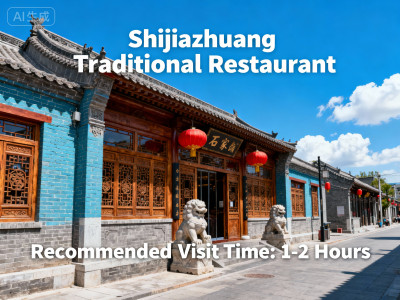
Traditional Restaurant
This traditional restaurant in Shijiazhuang offers a genuine taste of Hebei provinces culinary heritage Located in the heart of the city it serves as a cultural gateway to Northern Chinese food traditions The restaurant specializes in authentic local dishes that have been passed down through generations featuring hearty flavors and timehonored cooking techniques From handpulled noodles to savory dumplings each dish tells a story of Hebeis agricultural abundance and culinary craftsmanship The dining experience is enhanced by traditional decor featuring wooden furniture paper lanterns and calligraphy that reflects the regions cultural identity The restaurant sources ingredients locally including fresh vegetables from surrounding farmlands and premium wheat from the North China Plain making it a true representation of terroir dining Whether youre seeking classic Hebei specialties or exploring Northern Chinese cuisine for the first time this establishment provides an immersive journey into Chinas rich food culture
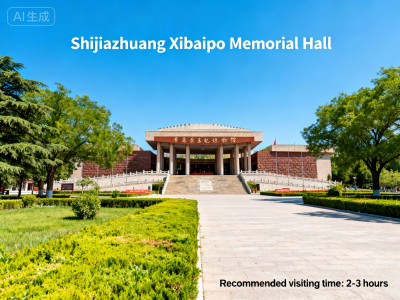
Xibaipo Memorial Hall
Xibaipo Memorial Hall is a significant historical site located in Pingshan County, Shijiazhuang, Hebei Province. It was here that the Central Committee of the Communist Party of China and Chairman Mao Zedong commanded the decisive battles of the Liberation War from May 1948 to March 1949. This humble village served as the last rural revolutionary headquarters before the Party moved to Beijing. The memorial complex preserves the original residences of revolutionary leaders, military command centers, and historical artifacts that tell the story of China's revolutionary struggle. Visitors can walk through the same courtyards where Mao Zedong, Zhou Enlai, Liu Shaoqi, and other leaders lived and worked, making strategic decisions that shaped modern China. The site represents the spirit of perseverance, unity, and revolutionary determination that led to the establishment of the People's Republic of China.
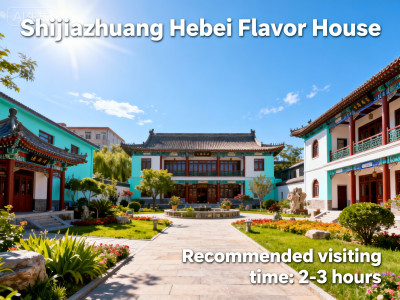
Hebei Flavor House
This popular local establishment offers a warm, family-friendly atmosphere and serves classic dishes from the Shijiazhuang region, prepared with time-honored recipes.
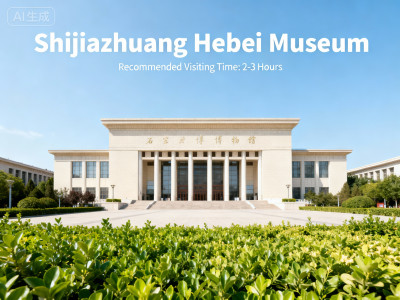
Hebei Museum
Located in the heart of Shijiazhuang the Hebei Museum stands as a magnificent cultural landmark representing the rich heritage of Hebei Province The museum building itself is an architectural masterpiece combining traditional Chinese elements with modern design The museum houses an extensive collection of over 240000 cultural relics including bronze ware ceramics jade artifacts ancient coins calligraphy paintings and historical documents The exhibitions are organized chronologically taking visitors on a journey through Hebei's history from prehistoric times through the Warring States period Han Dynasty Tang Dynasty Song Dynasty Yuan Dynasty Ming Dynasty and Qing Dynasty up to modern times One of the museum's highlights is its collection of artifacts from the Zhongshan Kingdom an ancient state that flourished during the Warring States period The museum also features special exhibitions on Hebei's revolutionary history traditional folk arts and the provinces natural resources The interactive displays and multimedia presentations make the museum experience engaging for visitors of all ages

Hebei Opera Theater
The Hebei Opera Theater stands as a cultural landmark in Shijiazhuang dedicated to preserving and promoting the traditional art forms of Hebei Province Established in the mid20th century this theater has become the epicenter for Hebei Bangzi opera one of Chinas most distinctive regional opera styles The theaters architecture blends traditional Chinese elements with modern theatrical design creating an immersive environment for audiences to experience authentic Chinese opera The venue hosts regular performances by renowned opera troupes featuring elaborate costumes intricate makeup and captivating storytelling through song and dance Beyond performances the theater also serves as an educational center offering workshops and exhibitions that introduce visitors to the history and techniques of Chinese opera The Hebei Opera Theater represents a living tradition where ancient art forms continue to thrive in contemporary society

Local Markets
Shijiazhuangs local markets offer an immersive cultural experience showcasing the authentic daily life of Hebei Province. These bustling markets are not just shopping destinations but living museums of traditional Chinese commerce and community interaction. From the historic Nansan Market to the lively vegetable markets in old neighborhoods, each market tells a story of Shijiazhuangs development from a small railway town to a major provincial capital. The markets feature everything from fresh local produce like Hebei pears and walnuts to traditional handicrafts, herbal medicines, and street food that reflects the regions culinary heritage. The atmosphere is filled with the sounds of vendors calling out their goods, the aroma of freshly cooked local snacks, and the vibrant colors of seasonal fruits and vegetables. These markets serve as social hubs where locals gather to shop, chat, and maintain community connections that have endured for generations.
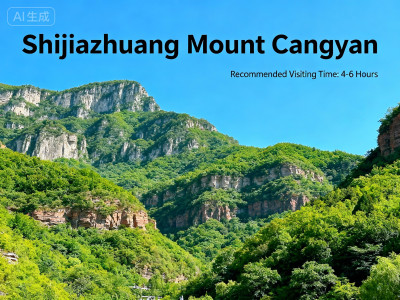
Mount Cangyan
Mount Cangyan also known as Cangyan Mountain is a magnificent mountain range located about 50 kilometers southwest of Shijiazhuang in Hebei Province This sacred mountain is renowned for its unique combination of natural beauty and ancient Buddhist architecture The most famous feature is the Bridge Tower Temple a stunning architectural marvel built across a deep gorge connecting two cliffs The temples appear to cling precariously to sheer cliff faces creating a breathtaking sight that has inspired poets and pilgrims for over 1400 years The mountain gets its name Cangyan which means Azure Cliff from the bluish gray color of its rocks particularly striking at sunrise and sunset The area features numerous ancient temples pavilions and stone inscriptions dating back to the Sui and Tang dynasties making it not only a natural wonder but also a significant cultural and religious site
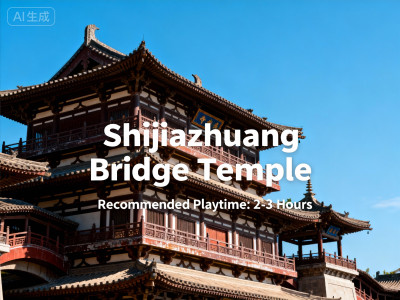
Bridge Temple
The Bridge Temple also known as Zhaozhou Bridge Temple is one of Chinas most fascinating historical sites located in Zhaoxian County Shijiazhuang This remarkable structure combines a magnificent ancient stone bridge with a traditional Buddhist temple creating a perfect harmony between engineering brilliance and spiritual significance The original Zhaozhou Bridge built during the Sui Dynasty 581618 AD is the worlds oldest open spandrel stone segmental arch bridge and a UNESCO World Heritage site candidate The temple complex was later constructed on the bridge showcasing the seamless integration of practical infrastructure and religious architecture that characterizes traditional Chinese philosophy
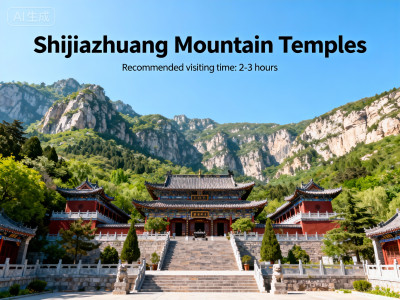
Mountain Temples
The Mountain Temples of Shijiazhuang represent a remarkable collection of Buddhist temples dating back to the Northern Wei Dynasty 386-535 AD and continuing through successive dynasties These sacred sites are strategically built into the natural mountain landscape creating a harmonious blend of human artistry and natural beauty The temples feature traditional Chinese Buddhist architecture with intricate wood carvings stone sculptures and colorful murals depicting Buddhist teachings and legends Many temples house ancient scriptures bronze statues and cultural relics that have survived centuries of history The mountain setting provides not only spiritual tranquility but also breathtaking panoramic views of the surrounding Hebei countryside making it both a religious pilgrimage site and a natural wonder
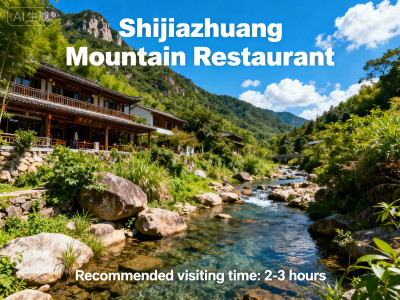
Mountain Restaurant
Mountain Restaurant is not just a dining establishment but a complete cultural and culinary experience located in the picturesque mountains near Shijiazhuang. This restaurant combines traditional Hebei cooking techniques with modern presentation, all while providing panoramic views of the surrounding natural landscape. The restaurant is built using local stone and wood, blending seamlessly with its mountainous environment. Specializing in dishes made from locally sourced ingredients including wild herbs, mountain mushrooms, and free-range poultry, the restaurant offers an authentic taste of Hebei province's culinary heritage. The establishment is particularly famous for its traditional clay pot dishes cooked over wood fire, which have been prepared using methods passed down through generations. The restaurant's location makes it a perfect stop for tourists exploring the nearby scenic areas, offering both nourishment and a chance to appreciate the natural beauty of the region.
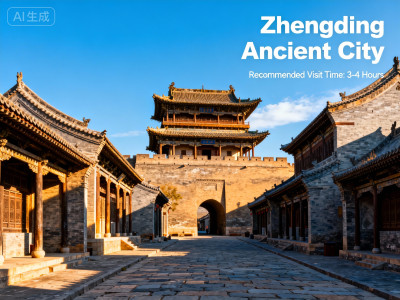
Zhengding Ancient City
Zhengding Ancient City located in Shijiazhuang Hebei Province is one of Chinas most wellpreserved ancient cities with a history dating back to the Northern Wei Dynasty 386534 AD The city is renowned for its exceptional collection of ancient architecture including temples pagodas and city walls that showcase the evolution of Chinese architectural styles through various dynasties Often called the Treasure House of Ancient Architecture Zhengding boasts nine nationallevel cultural relics and numerous provinciallevel protected sites The citys layout follows traditional Chinese urban planning principles with a central axis and symmetrical arrangement reflecting ancient cosmological beliefs
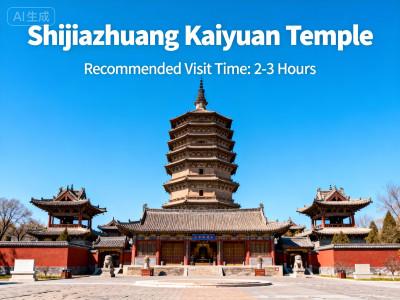
Kaiyuan Temple
Kaiyuan Temple also known as Kaiyuan Temple of Zhengding is one of the most important Buddhist temples in Hebei Province with a history dating back over 1400 years The temple was originally built during the Eastern Wei Dynasty 534550 AD and underwent significant expansion during the Tang Dynasty 618907 AD The temple complex covers an area of approximately 80000 square meters and features a harmonious blend of architectural styles from different dynasties The main structures include the Dabei Pavilion the Mani Hall the Zhuanlun Sutra Repository and the Bell and Drum Towers Each building represents the pinnacle of Chinese wooden architecture with intricate carvings colorful paintings and exquisite craftsmanship The temple houses numerous cultural relics including ancient Buddhist scriptures stone inscriptions and statues that reflect the deep spiritual traditions of Chinese Buddhism
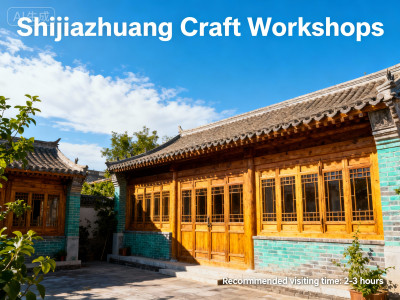
Craft Workshops
Shijiazhuang Craft Workshops offer visitors a unique opportunity to immerse themselves in the traditional arts and crafts of Hebei Province. These workshops showcase centuries-old techniques passed down through generations, allowing you to witness and participate in the creation of exquisite handicrafts. From intricate paper-cutting and delicate embroidery to traditional pottery and wood carving, each workshop provides a window into the cultural heritage of northern China. The skilled artisans not only demonstrate their craft but also share stories about the historical significance and cultural symbolism behind each art form. This interactive experience connects you with the living traditions that have shaped the region's identity for centuries.
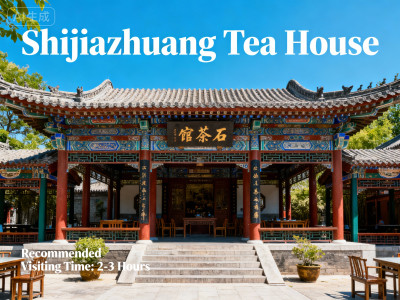
Tea House
This traditional tea house in Shijiazhuang provides visitors with an immersive experience into Chinas ancient tea culture Located in the heart of Hebei province the tea house offers authentic tea ceremonies guided by knowledgeable tea masters who demonstrate the intricate art of tea preparation The establishment features elegant traditional decor with wooden furniture calligraphy scrolls and serene ambiance perfect for relaxation and cultural exploration Visitors can learn about various Chinese tea varieties including famous Hebei teas like Jinxian tea and experience the meditative Gongfu tea ceremony The tea house also serves traditional Chinese snacks and desserts that complement the tea tasting experience
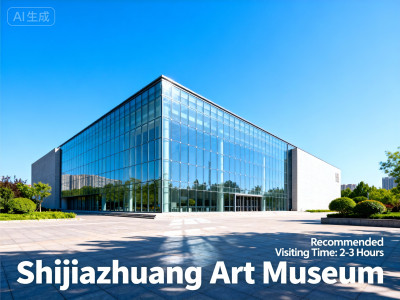
Shijiazhuang Art Museum
The Shijiazhuang Art Museum stands as a premier cultural institution in Hebei Province, dedicated to preserving and promoting the rich artistic traditions of northern China while embracing contemporary creative expressions. Established to serve as a bridge between traditional Chinese art forms and modern artistic movements, the museum features extensive collections that span centuries of Chinese artistic development. The architecture itself is a work of art, blending modern design elements with traditional Chinese aesthetic principles, creating a harmonious space that enhances the visitor experience. The museum's galleries are thoughtfully curated to guide visitors through various periods of Chinese art history, from ancient pottery and bronze works to contemporary paintings and installations. Special emphasis is placed on local Hebei artists and craftspeople, highlighting the unique cultural identity of the region. The museum also serves as an educational hub, offering workshops, lectures, and interactive programs that make art accessible to people of all ages and backgrounds. Its location in Shijiazhuang, the capital of Hebei Province, positions it as a cultural center that attracts both local residents and international visitors interested in understanding China's artistic evolution.
Want the days already arranged?
Open the guidebook