Skip to content

Guangzhou · Attraction

Chen Clan Ancestral Hall

A masterpiece of Cantonese architecture and cultural heritage showcasing exquisite craftsmanship and ancestral traditions

GuangzhouIn the destination guideGuangzhouExplore
Chen Clan Ancestral Hall
Guangzhou, ChinaField notes · Attraction
GuangzhouHistorical ArchitectureCultural HeritageCantonese Craftsmanship

Why go

About Chen Clan Ancestral Hall

The Chen Clan Ancestral Hall also known as the Chen Clan Academy is a magnificent complex that stands as one of the finest examples of traditional Cantonese architecture Built between 1890 and 1894 during the Qing Dynasty this ancestral hall served as both a temple for ancestor worship and an academy for Chen clan members from 72 counties of Guangdong Province The complex represents the pinnacle of Lingnan architectural style featuring breathtaking wood stone and brick carvings intricate ceramic figurines and exquisite iron castings that adorn every surface of the buildings The halls courtyards and corridors display an astonishing array of folk art including wood carvings that depict scenes from Chinese mythology and history stone carvings with symbolic motifs and ceramic ridge decorations that tell stories of prosperity and virtue Today the site houses the Guangdong Folk Art Museum showcasing an impressive collection of traditional crafts from the region

Make time for

Practical ideas, not a checklist

  1. 01Admire the exquisite wood carvings on beams and doors depicting scenes from Chinese classics
  2. 02Study the intricate ceramic ridge decorations featuring mythological creatures and symbolic patterns
  3. 03Explore the nine main halls arranged around six courtyards following traditional Chinese architectural principles
  4. 04Visit the Guangdong Folk Art Museum collections within the complex
  5. 05Photograph the stunning iron castings and stone carvings throughout the compound
  6. 06Learn about the Chen clans history and their contributions to Cantonese culture
  7. 07Appreciate the symbolic architecture representing traditional Chinese cosmology
  8. 08Attend seasonal cultural events and traditional craft demonstrations

Good to know

Architectural Style
Lingnan Cantonese Architecture
Construction Period
1890-1894 Qing Dynasty
UNESCO Status
Listed as a UNESCO World Heritage Site
Original Purpose
Ancestral Hall and Academy for Chen Clan
Current Function
Guangdong Folk Art Museum
Architectural Features
Wood Stone Brick Carvings Ceramic Figurines
Cultural Significance
Representative of Cantonese Craftsmanship
Best Time to Visit
October to December for pleasant weather
More in Guangzhou

Keep the day
unfolding.

Panxi RestaurantGuangzhou

Panxi Restaurant

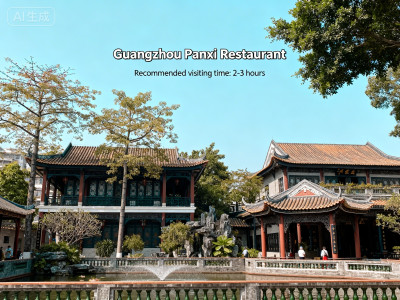
Panxi Restaurant is a legendary Cantonese dining establishment that has been serving authentic Guangzhou cuisine since 1947. Situated in the picturesque Liwan Lake Park, this restaurant is famous for its traditional Lingnan-style architecture featuring pavilions, corridors, and courtyards that create a serene dining atmosphere. The restaurant spans over 10,000 square meters with multiple dining halls and private rooms, some overlooking the tranquil lake. Panxi is renowned for preserving traditional Cantonese cooking techniques while offering a wide variety of dim sum, seafood dishes, and classic Guangzhou specialties. The restaurant has hosted numerous dignitaries and celebrities over the decades and remains a beloved institution for both locals and tourists seeking an authentic Cantonese dining experience.

Six Banyan Trees TempleGuangzhou

Six Banyan Trees Temple

Six Banyan Trees Temple also known as Liurong Temple is one of Guangzhous most ancient and culturally significant Buddhist temples Originally built in 537 AD during the Southern Dynasties period the temple has undergone numerous reconstructions throughout its long history The name Six Banyan Trees comes from the six magnificent banyan trees that once graced the temple grounds planted by the famous poet Su Shi during the Song Dynasty The temples most iconic feature is the Flower Pagoda a magnificent octagonal structure standing 57 meters tall with nine stories that appears to have thirteen stories from the outside This architectural marvel combines Chinese and Indian design elements and offers panoramic views of Guangzhou The temple complex includes several halls dedicated to different Buddhist deities including the Hall of Heavenly Kings the Mahavira Hall and the Hall of Six Patriarchs Throughout its history the temple has served as an important center for Buddhist learning and practice particularly for the Chan Zen tradition Today it remains an active place of worship and a peaceful oasis in the bustling heart of Guangzhou

Traditional TeahouseGuangzhou

Traditional Teahouse

Guangzhous traditional teahouses represent the heart of Cantonese culture where tea is not just a beverage but a way of life These establishments have been social hubs for centuries serving as meeting places for business discussions family gatherings and cultural exchanges The teahouse experience in Guangzhou is unique with its distinctive yum cha tradition which literally means drink tea but encompasses the entire ritual of enjoying tea with dim sum snacks The architecture often features traditional Lingnan style with wooden carvings antique furniture and serene courtyards creating an atmosphere that transports visitors back to ancient times