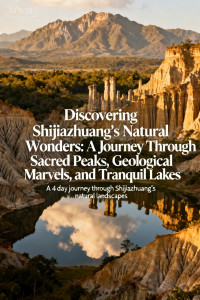
 Tourism Guide
Cangyan Mountain Scenic Area
A sacred Buddhist mountain with stunning cliffside temples and breathtaking natural scenery
Key Information
Elevation
Approximately 1,000 meters
Best Time to Visit
April to October
Historical Period
Sui Dynasty (581-618 AD) onwards
Main Attraction
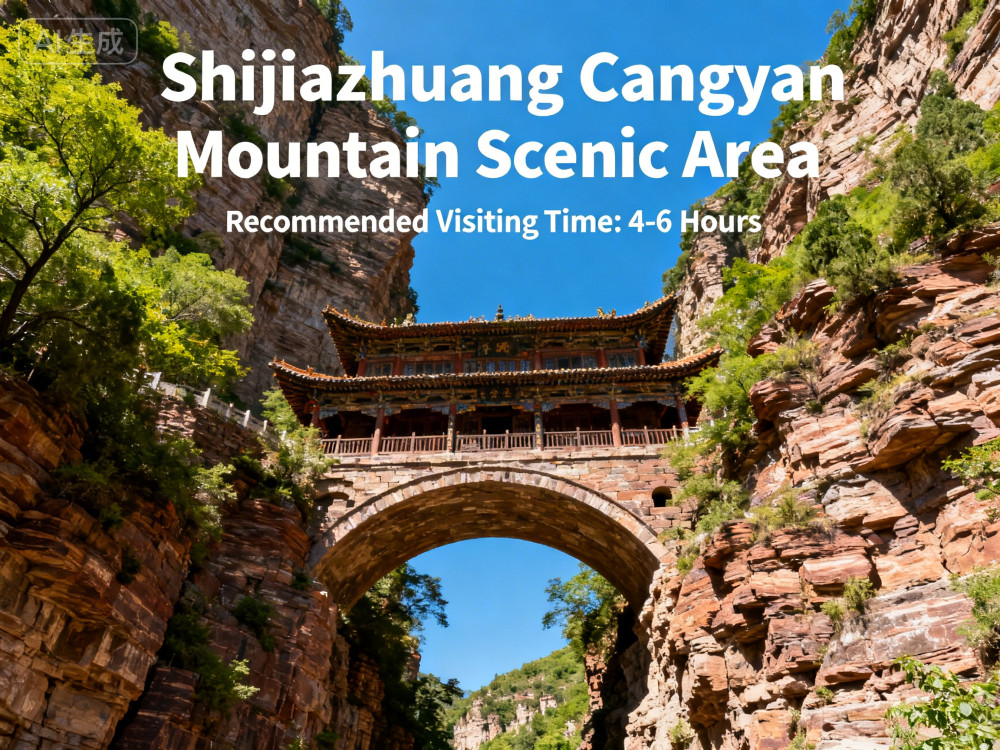
Qiaoloudian Temple Complex
UNESCO Status
Part of Taihang Mountain UNESCO Global Geopark
Vegetation
Mixed coniferous and broadleaf forest
Annual Visitors
Approximately 500,000
Special Features
Cliffside temples, natural stone bridge, Buddhist grottoes
About Cangyan Mountain Scenic Area
Cangyan Mountain, also known as Cangyan Mountain Scenic Area, is a magnificent natural and cultural attraction located about 50 kilometers southwest of Shijiazhuang in Hebei Province. This sacred mountain is renowned for its unique red sandstone cliffs, ancient Buddhist temples built precariously on sheer rock faces, and lush forested landscapes. The name 'Cangyan' translates to 'Green Cliff,' referring to the mountain's distinctive greenish rock formations that contrast beautifully with the surrounding red sandstone. The area has been a center of Buddhist worship since the Sui Dynasty (581-618 AD) and features the famous Qiaoloudian Temple complex, which appears to be suspended in mid-air against the cliffside. The mountain stands at approximately 1,000 meters above sea level and offers panoramic views of the Taihang Mountain range. Cangyan Mountain combines natural beauty with profound spiritual significance, making it one of North China's most remarkable destinations for both nature lovers and cultural enthusiasts.
Things to Do
- Visit the spectacular Qiaoloudian Temple complex built into the cliff face
- Walk across the thrilling natural stone bridge spanning two cliffs
- Explore the ancient Buddhist grottoes and stone carvings
- Hike through the beautiful mountain trails with diverse vegetation
- Photograph the stunning sunset views from mountain peaks
- Visit the ancient Ciyun Temple at the mountain base
- See the unique geological formations and rock strata
- Experience the spiritual atmosphere of this sacred Buddhist site