Skip to content

Shijiazhuang · Attraction

Stone Forest Area

A breathtaking geological wonder featuring magnificent stone formations that resemble a petrified forest

ShijiazhuangIn the destination guideShijiazhuangExplore
Stone Forest Area
Shijiazhuang, ChinaField notes · Attraction
ShijiazhuangGeological WonderNatural LandscapeKarst Formations

Why go

About Stone Forest Area

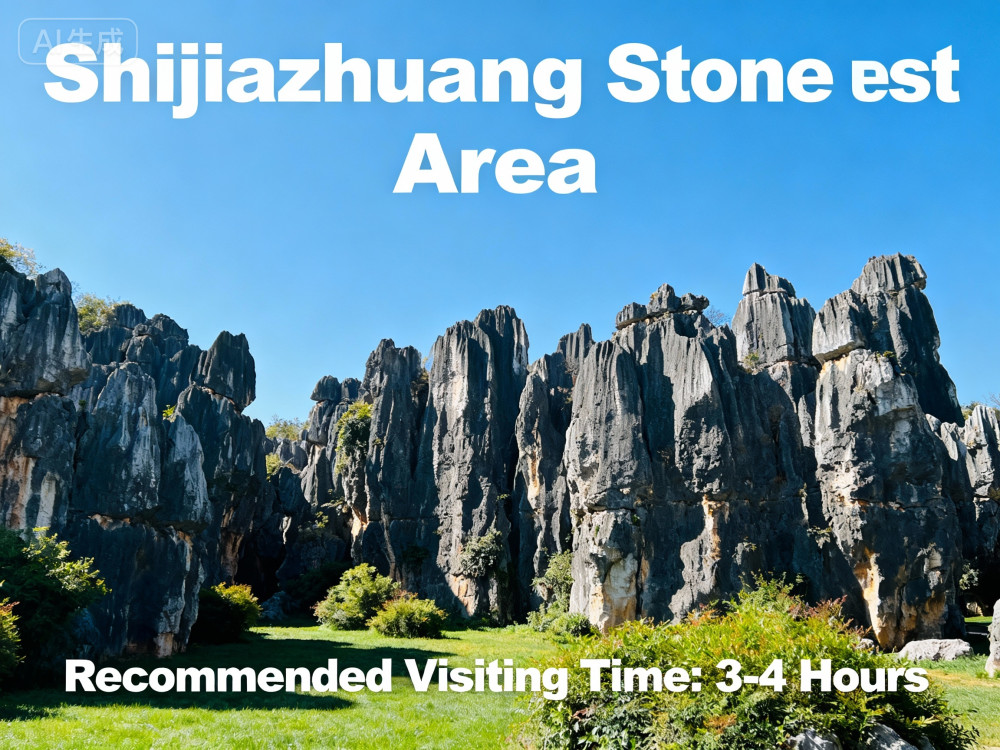
The Stone Forest Area in Shijiazhuang is a spectacular natural landscape characterized by towering limestone formations that have been sculpted by millions of years of erosion. Located in the Hebei province, this geological marvel features thousands of stone pillars, peaks, and columns that rise dramatically from the earth, creating an otherworldly landscape that resembles a forest made of stone. The formations vary in height from a few meters to over 30 meters, with intricate shapes and textures that have been carved by wind and water over countless centuries.

The area showcases the incredible power of natural forces and offers visitors a unique opportunity to witness geological history firsthand. The stone forest is particularly stunning during sunrise and sunset when the changing light creates dramatic shadows and highlights across the formations.

Make time for

Practical ideas, not a checklist

  1. 01Explore the main stone forest pathways and marvel at the towering formations
  2. 02Photograph the unique geological structures during golden hour
  3. 03Learn about the geological history at the visitor center
  4. 04Hike through the scenic trails connecting different stone clusters
  5. 05Visit the observation deck for panoramic views of the entire stone forest
  6. 06Discover hidden caves and natural arches within the formations
  7. 07Enjoy seasonal wildflowers that bloom around the stone pillars in spring
  8. 08Participate in guided geological tours explaining formation processes

Good to know

Geological Age
Approximately 270 million years
Formation Type
Karst limestone landscape
Total Area
Approximately 10 square kilometers
Highest Formation
Over 30 meters tall
UNESCO Status
Part of North China Karst World Heritage Site
Best Visiting Season
Spring and Autumn
Accessibility
Paved pathways and viewing platforms
Local Flora
Drought-resistant shrubs and seasonal wildflowers

More in Shijiazhuang

Keep the day
unfolding.

Zhengding Four PagodasShijiazhuang

Zhengding Four Pagodas

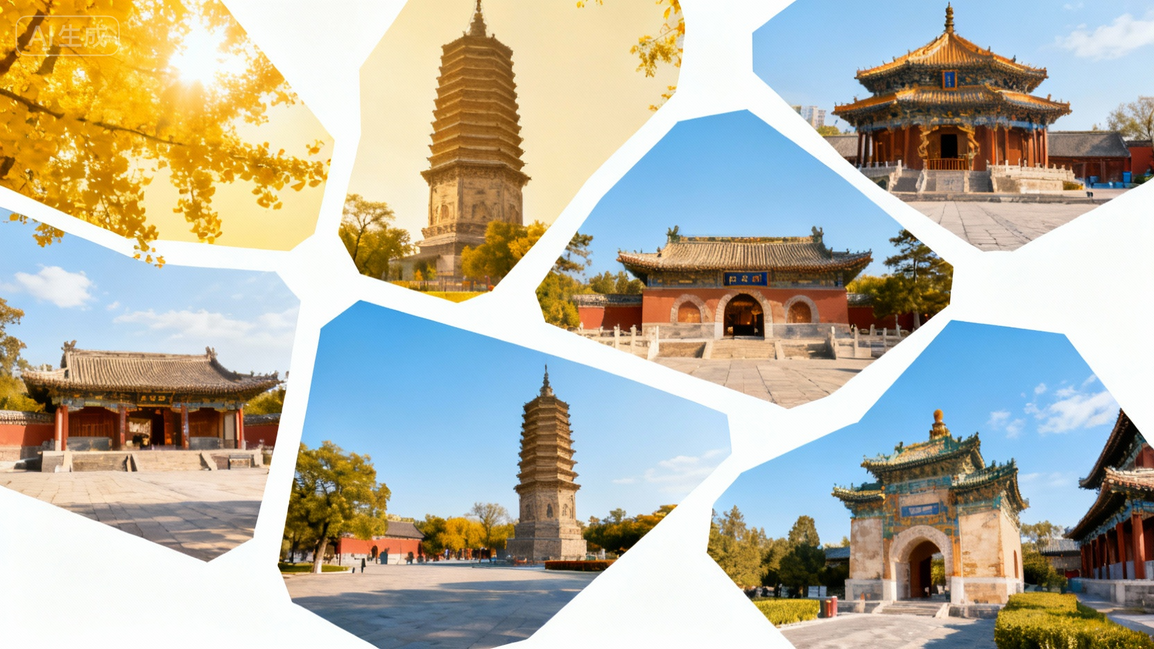
The Zhengding Four Pagodas are a magnificent ensemble of ancient Chinese Buddhist architecture located in Zhengding County just north of Shijiazhuang. These four pagodas were constructed during different periods from the Tang to Song dynasties, each representing distinct architectural styles and Buddhist traditions. They stand as silent witnesses to over a thousand years of Chinese history, religious development, and artistic achievement. The pagodas are scattered throughout the ancient town of Zhengding, creating a spiritual landscape that has inspired poets, artists, and pilgrims for centuries. Each pagoda has its unique characteristics in terms of construction materials, architectural design, and religious significance, offering visitors a comprehensive understanding of Chinese pagoda evolution. The site is particularly famous for its well-preserved state and the diversity of styles concentrated in one location, making it a must-see destination for anyone interested in Chinese architecture, Buddhism, or ancient history.

Zhengding Ancient City WallsShijiazhuang

Zhengding Ancient City Walls

Zhengding Ancient City Walls represent one of the best-preserved ancient city fortifications in northern China, with origins tracing back to the Eastern Jin Dynasty (317-420 AD). These formidable walls have witnessed the rise and fall of multiple dynasties and served as a crucial defensive structure protecting the strategic city of Zhengding, which was historically known as Changshan. The walls showcase traditional Chinese military architecture with their imposing rammed earth construction, watchtowers, and strategic gateways. What makes Zhengding particularly fascinating is its unique layout featuring four distinct gates oriented to the cardinal directions, each with its own architectural character and historical significance. The walls stretch approximately 12 kilometers in circumference and stand as a living museum of Chinese defensive engineering, having been reinforced and expanded during the Tang, Song, Ming, and Qing dynasties. Today, visitors can walk along the restored sections, marvel at the ancient construction techniques, and enjoy panoramic views of both the historic city within and the modern developments beyond.

Cangyan Mountain Hanging TempleShijiazhuang

Cangyan Mountain Hanging Temple

Cangyan Mountain Hanging Temple also known as Xuankong Temple is one of Chinas most breathtaking architectural wonders dating back to the Northern Wei Dynasty around 491 AD Perched precariously on the sheer cliffs of Cangyan Mountain about 50 kilometers southwest of Shijiazhuang this temple complex defies gravity and engineering logic What makes this temple truly unique is its harmonious integration of three major Chinese religious traditions Buddhism Taoism and Confucianism all coexisting within the same sacred space The temple appears to hang from the cliff face supported by wooden beams inserted into holes drilled into the rock with its 40 halls and pavilions connected by narrow walkways and dizzying staircases The architecture follows the natural contours of the cliff creating a seamless blend between human creation and natural wonder The temple complex includes notable structures like the Sanjiao Hall where statues of Confucius Laozi and Buddha sit side by side symbolizing religious harmony The temple has survived earthquakes floods and wars for over 14 centuries thanks to its ingenious construction that allows it to sway with the mountains movements rather than resist them The surrounding Cangyan Mountain area features lush forests ancient trees and natural springs creating a serene spiritual atmosphere