Why go
Xi'an · Attraction
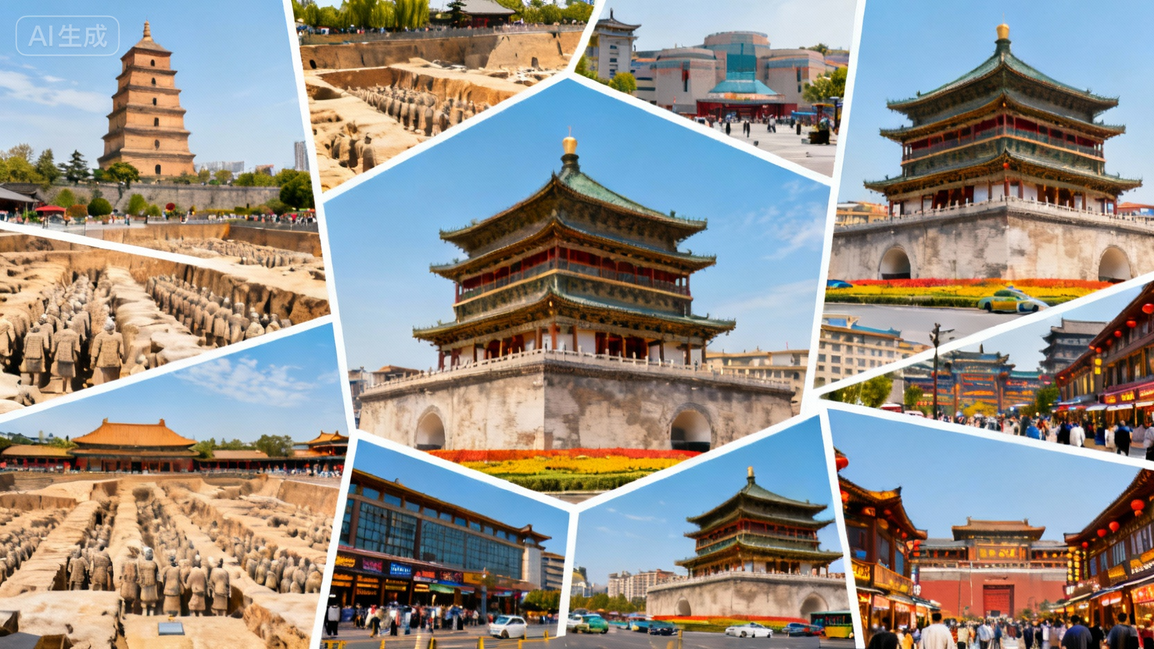
Xian City Wall
 In the destination guideXi'an

Xi'an
More in Xi'an
Keep the day
 Xi'an
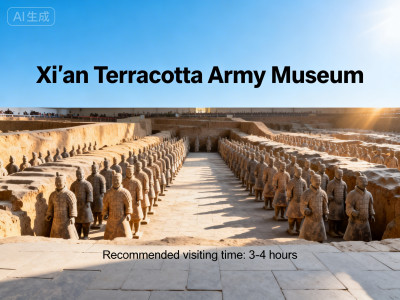
Terracotta Army Museum
The Terracotta Army Museum is a UNESCO World Heritage Site that houses the life-sized terracotta army created to accompany China's first emperor Qin Shi Huang in the afterlife. Discovered in 1974 by local farmers digging a well, this archaeological marvel consists of over 8,000 soldiers, 130 chariots with 520 horses, and 150 cavalry horses, all arranged in battle formation. Each warrior has unique facial features, hairstyles, and armor, showcasing the incredible craftsmanship of ancient Chinese artisans. The museum complex includes three main pits: Pit 1 contains the main infantry army, Pit 2 features the command center with chariots and cavalry, and Pit 3 represents the headquarters. The site provides profound insights into Qin Dynasty military organization, technology, and burial practices.
 Xi'an
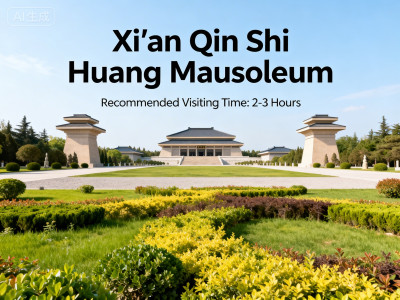
Qin Shi Huang Mausoleum
The Qin Shi Huang Mausoleum is one of the most significant archaeological discoveries of the 20th century and a UNESCO World Heritage Site. Built over 38 years by 700,000 workers, this massive burial complex was constructed for Qin Shi Huang, the first emperor who unified China in 221 BC. The site covers approximately 56 square kilometers and features the famous Terracotta Army - thousands of life-sized clay soldiers, horses, and chariots arranged in battle formation to protect the emperor in the afterlife. The mausoleum itself remains largely unexcavated, with the main tomb mound still containing the emperor's remains and untold treasures. The complex represents the pinnacle of ancient Chinese funerary art and engineering, showcasing the power and ambition of China's first centralized empire.
 Xi'an
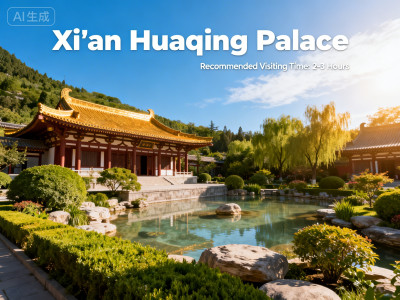
Huaqing Palace
Huaqing Palace also known as Huaqing Pool is a historic site located at the northern foot of Mount Li in Lintong District Xi'an Shaanxi Province This ancient imperial hot spring resort has a history dating back over 3000 years to the Western Zhou Dynasty The site is most famous for its association with Emperor Xuanzong of the Tang Dynasty and his beloved concubine Yang Guifei whose legendary love story unfolded here The palace complex features natural hot springs that have been used for therapeutic bathing since ancient times with water temperatures around 43°C The architecture combines traditional Chinese palace design with beautiful gardens pavilions and pools The site also holds significance as the location of the Xi'an Incident in 1936 when Chiang Kaishek was detained leading to the formation of the Second United Front against Japanese invasion