Attractions in Xi'an · 16 places
Places worth
Landmarks with a story, neighbourhood corners with a slower pace and natural places that deserve more than a photograph. Use this index as a starting point, not a checklist.
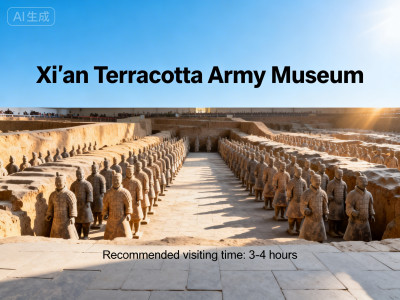
Terracotta Army Museum
The Terracotta Army Museum is a UNESCO World Heritage Site that houses the life-sized terracotta army created to accompany China's first emperor Qin Shi Huang in the afterlife. Discovered in 1974 by local farmers digging a well, this archaeological marvel consists of over 8,000 soldiers, 130 chariots with 520 horses, and 150 cavalry horses, all arranged in battle formation. Each warrior has unique facial features, hairstyles, and armor, showcasing the incredible craftsmanship of ancient Chinese artisans. The museum complex includes three main pits: Pit 1 contains the main infantry army, Pit 2 features the command center with chariots and cavalry, and Pit 3 represents the headquarters. The site provides profound insights into Qin Dynasty military organization, technology, and burial practices.
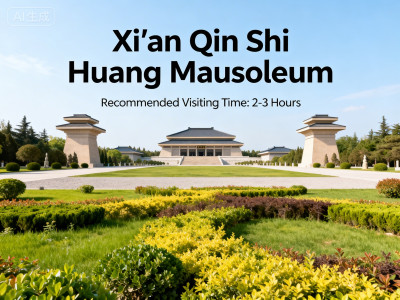
Qin Shi Huang Mausoleum
The Qin Shi Huang Mausoleum is one of the most significant archaeological discoveries of the 20th century and a UNESCO World Heritage Site. Built over 38 years by 700,000 workers, this massive burial complex was constructed for Qin Shi Huang, the first emperor who unified China in 221 BC. The site covers approximately 56 square kilometers and features the famous Terracotta Army - thousands of life-sized clay soldiers, horses, and chariots arranged in battle formation to protect the emperor in the afterlife. The mausoleum itself remains largely unexcavated, with the main tomb mound still containing the emperor's remains and untold treasures. The complex represents the pinnacle of ancient Chinese funerary art and engineering, showcasing the power and ambition of China's first centralized empire.
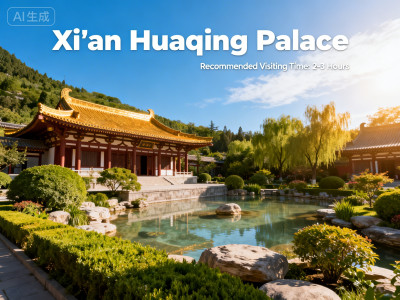
Huaqing Palace
Huaqing Palace also known as Huaqing Pool is a historic site located at the northern foot of Mount Li in Lintong District Xi'an Shaanxi Province This ancient imperial hot spring resort has a history dating back over 3000 years to the Western Zhou Dynasty The site is most famous for its association with Emperor Xuanzong of the Tang Dynasty and his beloved concubine Yang Guifei whose legendary love story unfolded here The palace complex features natural hot springs that have been used for therapeutic bathing since ancient times with water temperatures around 43°C The architecture combines traditional Chinese palace design with beautiful gardens pavilions and pools The site also holds significance as the location of the Xi'an Incident in 1936 when Chiang Kaishek was detained leading to the formation of the Second United Front against Japanese invasion

Xian City Wall
Shaanxi History Museum
Bell Tower
Muslim Quarter
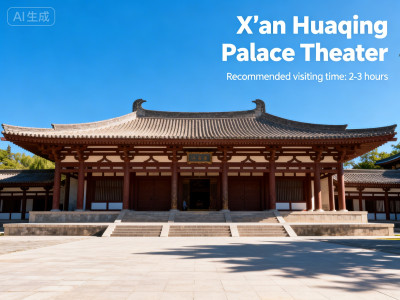
Huaqing Palace Theater
Huaqing Palace Theater is a world-class performance venue situated within the historic Huaqing Palace complex at the foot of Mount Li in Xi'an. This theater presents the spectacular Tang Dynasty Song and Dance Show which recreates the glorious cultural heritage of the Tang Dynasty (618-907 AD) when Xi'an known as Chang'an was the capital of China and one of the largest cities in the world. The theater itself is an architectural masterpiece that blends traditional Chinese design with modern stage technology. The performance tells the legendary love story between Emperor Xuanzong and his favorite concubine Yang Guifei set against the backdrop of the magnificent Huaqing Palace which was originally built as an imperial hot spring resort during the Tang Dynasty. The show features over 200 performers in exquisite Tang Dynasty costumes accompanied by traditional Chinese music and breathtaking stage effects. The theater's location within the actual historical site adds an authentic atmosphere that transports audiences back to the golden age of Chinese civilization.
Big Wild Goose Pagoda
Great Mosque of Xian
Shadow Puppet Museum
Xian Opera House
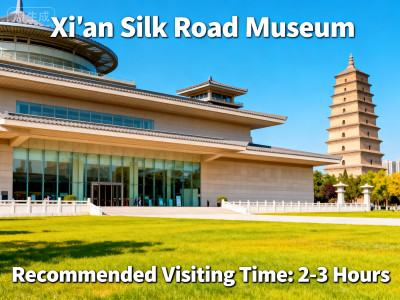
Silk Road Museum
The Silk Road Museum in Xi'an is a world-class institution that tells the epic story of the ancient Silk Road which connected China with Central Asia the Middle East and Europe for over 1500 years Located in the historic city that served as the eastern terminus of this legendary trade network the museum houses thousands of artifacts that illustrate the cultural economic and technological exchanges that shaped civilizations across continents Through meticulously curated exhibits visitors can trace the journey of silk spices precious metals and ideas that flowed along these routes creating a bridge between East and West The museums collection includes rare Tang Dynasty relics Buddhist artifacts from Dunhuang Central Asian textiles Persian ceramics and Roman glassware all telling the story of interconnectedness that predates modern globalization The architecture itself reflects the fusion of cultural influences with design elements inspired by both Chinese and Central Asian traditions making it not just a repository of history but a living testament to the enduring legacy of cross-cultural exchange
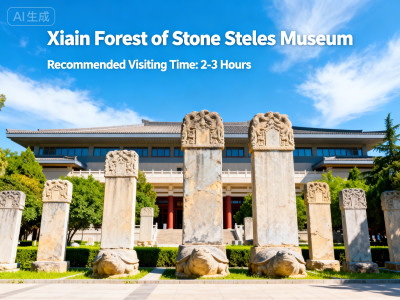
Forest of Stone Steles Museum
Located within the historic Confucius Temple complex in Xian the Forest of Stone Steles Museum houses one of the worlds richest collections of stone inscriptions Established in 1087 during the Northern Song Dynasty this museum serves as a living library of Chinese civilization The collection includes steles from the Han Dynasty 206 BC220 AD through the Qing Dynasty 16441912 featuring classical texts historical records Buddhist scriptures poetry and official documents carved in stone The museums most famous treasures include the Kaicheng Stone Classics containing the complete Confucian classics and the Nestorian Stele documenting the arrival of Christianity in China during the Tang Dynasty Each stele is not only a historical document but also a masterpiece of Chinese calligraphy showcasing the evolution of writing styles from ancient seal script to modern regular script The museum complex itself is a beautiful example of traditional Chinese architecture with courtyards pavilions and gardens that create a serene atmosphere for contemplation and study
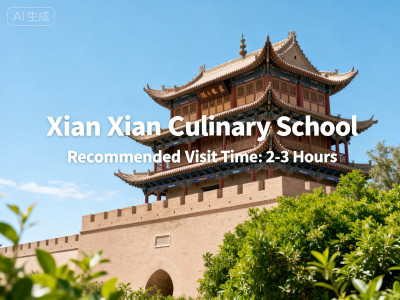
Xian Culinary School
The Xian Culinary School offers visitors a unique opportunity to dive deep into the rich culinary traditions of Shaanxi Province. Located in the heart of Xian, this hands-on cooking school provides English-speaking classes where participants learn to prepare authentic local dishes under the guidance of expert chefs. The experience begins with a visit to a traditional wet market where you'll learn about local ingredients like biangbiang noodles, roujiamo bread, and various spices. Then you'll return to the school's professional kitchen to master cooking techniques that have been passed down through generations. This is not just a cooking class but a cultural journey through Xian's 3000-year culinary history, connecting you with the flavors that have sustained dynasties from the Qin to the Tang.
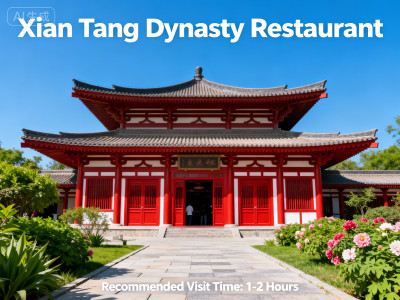
Tang Dynasty Restaurant
The Tang Dynasty Restaurant is not just a place to eat but a complete cultural journey into Chinas golden age. Located in the heart of Xian, this renowned establishment recreates the splendor of the Tang Dynasty 618907 AD when Xian known as Changan was the worlds largest and most cosmopolitan city. The restaurant offers a multi-sensory experience where guests enjoy traditional Shaanxi cuisine while being entertained by authentic Tang Dynasty music and dance performances. The architecture, decor, costumes, and even the serving style are meticulously designed to reflect the elegance and sophistication of Tang culture. This dining experience provides a perfect complement to your exploration of Xians historical sites like the Terracotta Warriors and the ancient city walls, allowing you to taste and feel the living history of this ancient capital.
Want the days already arranged?
Open the guidebook