 Tourism Guide
Liaoning Provincial Museum
The largest comprehensive museum in Northeast China showcasing over 120000 cultural relics spanning 5000 years of Liaoning history
Key Information
Established
1949
Collection Size
Over 120000 artifacts
Exhibition Area
83000 square meters
Architectural Style
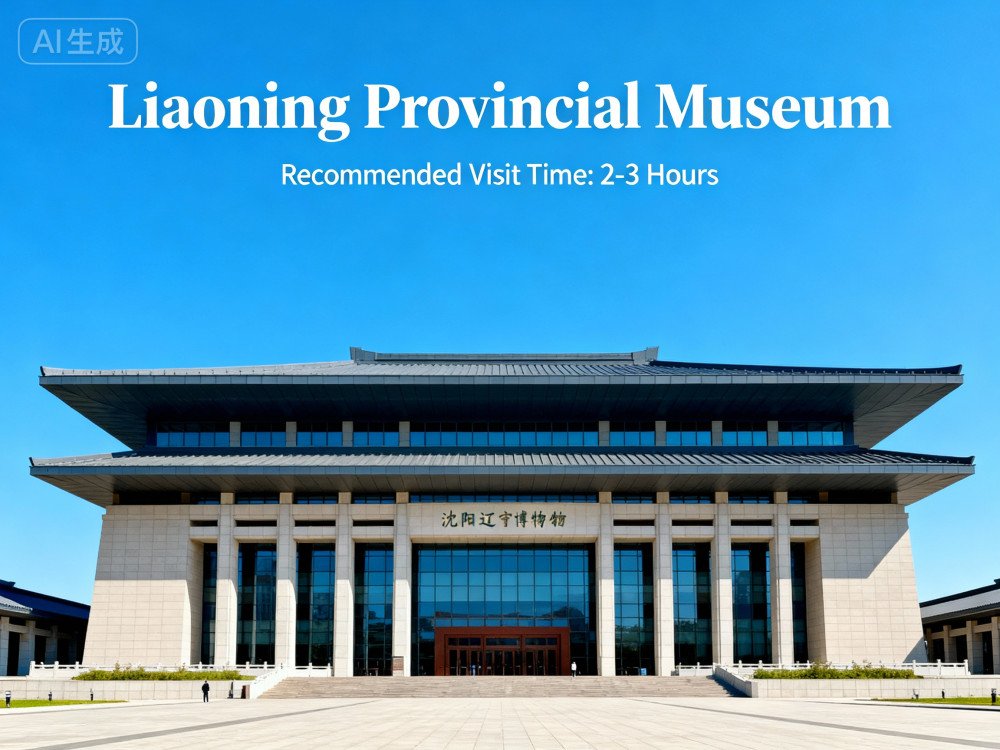
Modern Chinese with traditional elements
Special Collections
Hongshan Culture Liao Dynasty Qing Imperial
Educational Programs
Workshops lectures cultural activities
Accessibility
Wheelchair accessible multilingual signage
Best Time to Visit
Weekday mornings to avoid crowds
About Liaoning Provincial Museum
Liaoning Provincial Museum established in 1949 is one of Chinas first museums and the largest comprehensive museum in Northeast China The museum houses an impressive collection of over 120000 cultural relics including bronzes ceramics jade lacquerware calligraphy paintings and archaeological finds The exhibitions are organized chronologically from prehistoric times through the Qing Dynasty with special emphasis on the Liao Jin and Qing periods reflecting Liaonings unique position as a crossroads of various ethnic cultures The museums architecture combines traditional Chinese elements with modern design creating a spacious and elegant environment for cultural exploration Among its most prized possessions are artifacts from the Hongshan Culture one of Chinas earliest Neolithic cultures as well as exquisite collections from the Liao Dynasty tombs and Qing imperial treasures The museum serves not only as a repository of historical artifacts but also as a cultural education center offering visitors deep insights into the rich heritage of Liaoning Province and Northeast China
Things to Do
- Explore the permanent exhibitions spanning from prehistoric times to the Qing Dynasty
- Admire the exquisite Hongshan Culture jade artifacts dating back 5000 years
- View the impressive collection of Liao Dynasty tomb artifacts and Buddhist sculptures
- Appreciate the Qing Dynasty imperial treasures and Manchu cultural relics
- Study the calligraphy and painting collections featuring works by famous Chinese artists
- Participate in educational programs and cultural workshops offered by the museum
- Visit the special exhibition halls featuring rotating thematic displays
- Enjoy the museums architectural design blending traditional and modern elements