Attractions in Shenyang · 14 places
Places worth
Landmarks with a story, neighbourhood corners with a slower pace and natural places that deserve more than a photograph. Use this index as a starting point, not a checklist.
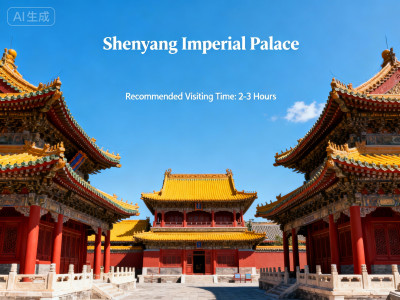
Shenyang Imperial Palace
The Shenyang Imperial Palace also known as Mukden Palace is the only existing royal palace in China outside the Forbidden City in Beijing Built between 1625 and 1636 by Nurhaci the founder of the Qing Dynasty and his son Hong Taiji this magnificent complex served as the imperial residence and administrative center for the early Qing rulers before they conquered the rest of China and moved the capital to Beijing The palace represents a unique fusion of Manchu Tibetan and Han Chinese architectural styles reflecting the multicultural nature of the Qing Empire Covering an area of 60000 square meters with over 300 rooms the complex is divided into three main sections the eastern section with its distinctive octagonal Dazheng Hall where important ceremonies were held the central section with the emperors living quarters and administrative buildings and the western section added later by Emperor Qianlong The palace houses an extensive collection of Qing Dynasty artifacts including imperial robes weapons musical instruments and precious artworks In 2004 it was designated as a UNESCO World Heritage Site as an extension of the Imperial Palaces of the Ming and Qing Dynasties
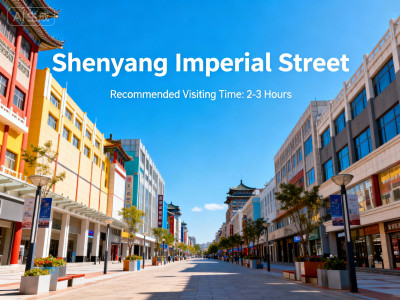
Imperial Street
Imperial Street also known as Shenyang Zhongjie is one of the oldest and most famous commercial streets in Northeast China Located in the heart of Shenyang this pedestrian street stretches for about 1500 meters and dates back to the Qing Dynasty The street perfectly blends traditional Chinese architecture with modern commercial development creating a unique atmosphere where history meets contemporary life As you walk along Imperial Street youll notice the distinctive Qing Dynasty style buildings with their curved roofs intricate wood carvings and traditional Chinese architectural elements The street was originally developed during the reign of Emperor Nurhaci the founder of the Qing Dynasty and served as a major commercial hub connecting the Imperial Palace with the rest of the city Today it remains a vibrant shopping and cultural destination where visitors can experience both Shenyangs historical legacy and its modern urban life
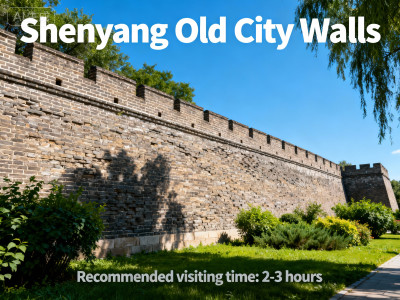
Shenyang Old City Walls
The Shenyang Old City Walls represent one of the most significant historical landmarks in Northeast China, serving as the original defensive fortifications of Shenyang during the Ming and Qing dynasties. These walls were constructed in the 14th century and played a crucial role in the rise of the Qing Dynasty, as Shenyang served as the early capital before the Manchu rulers moved to Beijing. The walls originally formed a square-shaped enclosure with eight gates, stretching approximately 10 kilometers in circumference and standing about 11 meters high. While much of the original structure has been lost to time and urban development, several restored sections and gates remain as testament to Shenyang's historical importance as the political and military center of Manchuria. The walls showcase traditional Chinese military architecture with their massive rammed earth construction, brick facing, and strategic gate towers that once controlled access to the city.
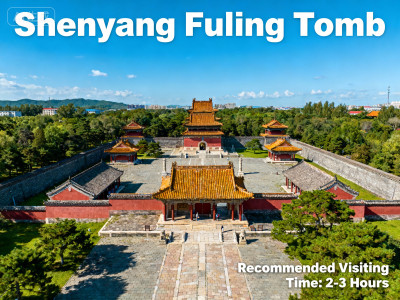
Fuling Tomb
Fuling Tomb is one of the three imperial tombs in Shenyang collectively known as the Three Tombs of the Qing Dynasty in Shenyang Built between 1629 and 1651 this magnificent mausoleum complex represents the early Manchu architectural style before they fully adopted Chinese traditions The tomb complex covers approximately 500000 square meters and is divided into three main sections the front section middle section and rear section The site features a unique combination of Manchu and Han architectural elements with distinctive features like the 108 steps representing the 108 stars of the Big Dipper in Manchu cosmology The tomb was inscribed as a UNESCO World Heritage Site in 2004 as part of the Imperial Tombs of the Ming and Qing Dynasties
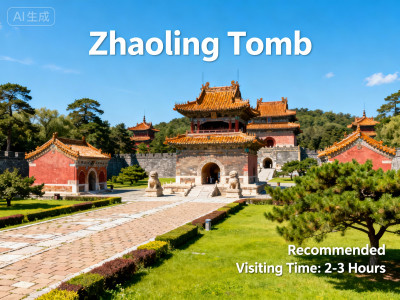
Zhaoling Tomb
Zhaoling Tomb, also known as the North Mausoleum, is the burial site of Emperor Huang Taiji (1592-1643) and his empress Xiaoduanwen. As the second emperor of the Qing Dynasty, Huang Taiji played a crucial role in consolidating Manchu power and laying the foundation for the Qing conquest of China. The tomb complex represents a masterpiece of early Qing architecture, blending traditional Manchu burial customs with Chinese imperial tomb design principles. Covering an area of 450 hectares, Zhaoling is the largest and most complete imperial tomb in Northeast China. The site features a perfect harmony of architecture and nature, with pine forests, stone statues, ceremonial halls, and the sacred burial mound arranged along a central axis according to Feng Shui principles. The tomb's design reflects the cultural integration between Manchu and Han civilizations during the early Qing period, making it not just a burial site but a symbol of cultural fusion and imperial power.
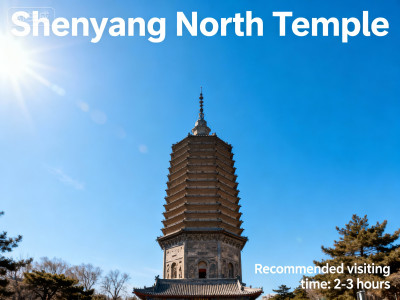
North Temple
North Temple officially named Beita Temple is a magnificent Buddhist temple complex located in Shenyang Liaoning Province Originally built during the Qing Dynasty in the 17th century the temple has undergone several renovations and expansions throughout its history The temple complex features traditional Chinese Buddhist architecture with multiple halls pavilions and courtyards arranged in a symmetrical layout The main hall houses impressive statues of Buddha and other Buddhist deities while the surrounding gardens provide a peaceful retreat from the bustling city The temple is particularly famous for its ancient pagoda which stands as a landmark visible from various parts of the city North Temple serves as an active place of worship for local Buddhists and also functions as an important cultural heritage site that showcases the rich religious history of Northeast China
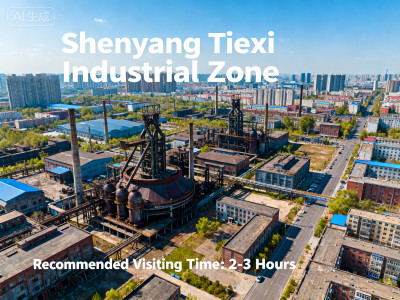
Tiexi Industrial Zone
Tiexi Industrial Zone known as the Oriental Ruhr is the birthplace of modern Chinese industry Located in western Shenyang this vast industrial complex was once the largest and most comprehensive industrial base in Asia Established during the Japanese occupation in the 1930s and expanded significantly during the Sovietassisted industrialization of the 1950s Tiexi became the heart of Chinas heavy industry producing everything from machine tools and locomotives to military equipment and consumer goods At its peak in the 1980s the zone employed over one million workers and contributed significantly to Chinas economic development Today this transformed industrial landscape stands as a testament to Chinas industrial heritage with repurposed factories creative art districts and museums that tell the story of Chinas journey from industrial powerhouse to modern economic giant The zones unique blend of Sovietinspired architecture Japanese colonial structures and Chinese industrial design creates a fascinating urban landscape where rusting machinery coexists with contemporary art galleries and where the echoes of factory whistles mingle with the sounds of creative innovation
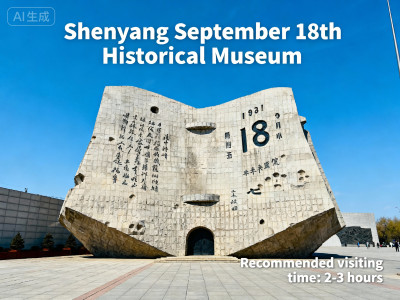
September 18th Historical Museum
The September 18th Historical Museum also known as the 918 Museum is a solemn memorial site built on the exact location where the Mukden Incident occurred on September 18 1931 This incident marked the beginning of Japans fullscale invasion of Northeast China and the start of the 14year War of Resistance Against Japanese Aggression The museum complex features a massive openair exhibition with a striking monument shaped like an open calendar page frozen on September 18 1931 Inside the museum visitors will find extensive collections of historical photographs documents artifacts and multimedia presentations that chronicle the events leading up to the incident the subsequent Japanese occupation and the heroic resistance of the Chinese people The exhibitions are arranged chronologically starting from the historical background of Northeast China the planning and execution of the Mukden Incident the establishment of the puppet state of Manchukuo and culminating with the eventual liberation and victory The museums design incorporates symbolic elements throughout including the main monument which represents a torn page of history and the underground exhibition halls that symbolize the darkness of occupation and the resilience of the Chinese spirit
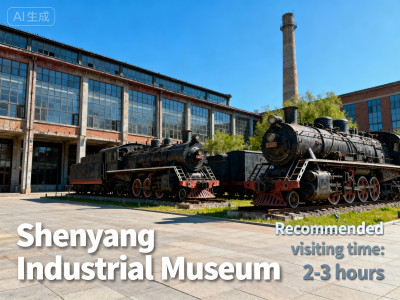
Shenyang Industrial Museum
The Shenyang Industrial Museum stands as a monumental tribute to Chinas industrial heritage housed within a beautifully restored factory complex that once produced heavy machinery for the nations development Located in the Tiexi District the heart of Shenyangs industrial zone this museum offers an immersive experience into the machinery technology and human stories that powered Chinas transformation from an agricultural society to an industrial powerhouse The museums collection spans over 30000 square meters featuring massive industrial equipment vintage machinery historical photographs and interactive exhibits that bring to life the sweat determination and innovation of Chinese workers during the 20th century
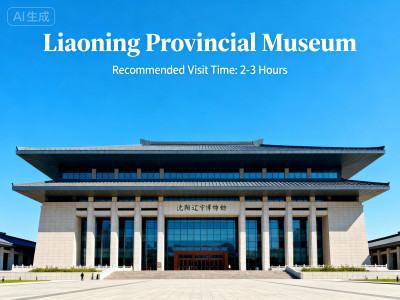
Liaoning Provincial Museum
Liaoning Provincial Museum established in 1949 is one of Chinas first museums and the largest comprehensive museum in Northeast China The museum houses an impressive collection of over 120000 cultural relics including bronzes ceramics jade lacquerware calligraphy paintings and archaeological finds The exhibitions are organized chronologically from prehistoric times through the Qing Dynasty with special emphasis on the Liao Jin and Qing periods reflecting Liaonings unique position as a crossroads of various ethnic cultures The museums architecture combines traditional Chinese elements with modern design creating a spacious and elegant environment for cultural exploration Among its most prized possessions are artifacts from the Hongshan Culture one of Chinas earliest Neolithic cultures as well as exquisite collections from the Liao Dynasty tombs and Qing imperial treasures The museum serves not only as a repository of historical artifacts but also as a cultural education center offering visitors deep insights into the rich heritage of Liaoning Province and Northeast China
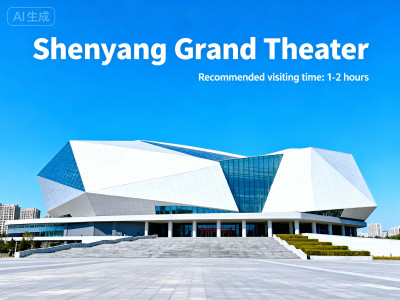
Shenyang Grand Theater
Shenyang Grand Theater stands as one of the most important cultural institutions in Northeast China, representing the fusion of modern architecture with traditional performing arts. Opened in 2005, this state-of-the-art facility covers approximately 85,000 square meters and serves as the cultural heart of Shenyang, the capital of Liaoning Province. The theaters distinctive design features a striking glass facade that resembles a crystal palace, symbolizing the citys commitment to artistic excellence and cultural development. Inside, visitors discover world-class acoustics, advanced stage technology, and elegant interiors that create the perfect environment for experiencing both traditional Chinese performances and international productions. As the main venue for the Shenyang International Music Festival and numerous cultural exchanges, the theater plays a crucial role in promoting cultural dialogue between China and the world while preserving and showcasing the rich artistic heritage of Northeast China.
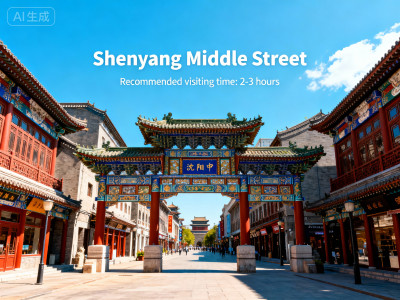
Shenyang Middle Street
Shenyang Middle Street, also known as Zhongjie, is a 1500-meter-long pedestrian street that dates back to the Ming Dynasty. Established in 1625 during the Qing Dynasty, it served as the commercial heart of Shenyang and witnessed the citys transformation from a Manchu capital to a modern metropolis. The street features a unique blend of historical architecture, traditional Chinese shops, and modern retail establishments. Walking along Middle Street, visitors can experience the evolution of Chinese commerce through centuries, from traditional tea houses and silk shops to contemporary fashion boutiques and international brands. The street is particularly famous for its preserved Qing Dynasty architecture, including traditional courtyard houses and shopfronts that have been meticulously restored to their original glory. During festivals, the street comes alive with traditional performances, lantern displays, and cultural activities that celebrate Shenyangs rich heritage.
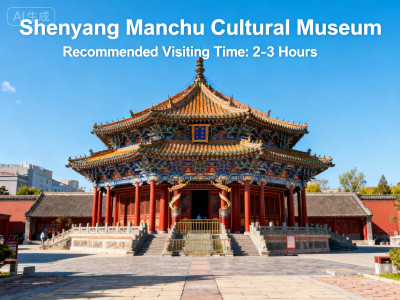
Manchu Cultural Museum
Located in the heart of Shenyang, the former capital of the Qing Dynasty, the Manchu Cultural Museum offers an immersive journey into the history, traditions, and lifestyle of the Manchu ethnic group. The museum houses an extensive collection of artifacts, documents, and exhibits that trace the rise of the Manchu people from their origins in Northeast China to their establishment of the Qing Dynasty, which ruled China for nearly three centuries from 1644 to 1912. The museum building itself reflects traditional Manchu architectural styles, with distinctive features like the kang heated platform beds and intricate wood carvings. Visitors can explore the evolution of Manchu culture, from their nomadic roots to their sophisticated court traditions, and understand how this minority group shaped Chinese history and culture during their reign.
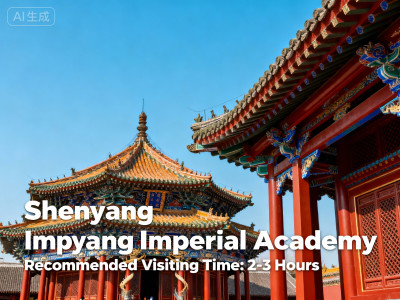
Shenyang Imperial Academy
The Shenyang Imperial Academy, also known as Shengjing Imperial Academy, was established in 1636 during the early Qing Dynasty by Emperor Hong Taiji. As the highest educational institution in Manchuria, it played a crucial role in cultivating officials and scholars for the Qing government. The academy was designed to educate the children of Manchu nobility and prepare them for imperial examinations and government service. The complex features traditional Chinese architecture with distinct Manchu characteristics, including the main hall where Confucian classics were taught, examination halls, and living quarters for scholars. During its peak, the academy attracted students from across Northeast China and served as a cultural and educational center that helped integrate Manchu and Han Chinese traditions. The site represents the Qing Dynasty's efforts to establish a proper Confucian education system in their ancestral homeland while maintaining their unique Manchu identity.
Want the days already arranged?
Open the guidebook