Skip to content

More of China · Destination

Shenyang

The ancient capital of the Qing Dynasty and the largest city in Northeast China

Historical CityNotes updated November 14, 2025
Shenyang
Shenyang, ChinaField notes

0 guides · 6 places to start

The place

About Shenyang

Shenyang, the capital of Liaoning Province, is a city where history and modernity converge. As the birthplace of the Qing Dynasty and the former imperial capital, Shenyang boasts a rich cultural heritage that spans over 2,300 years. The city is renowned for its magnificent imperial architecture, particularly the UNESCO World Heritage Site Shenyang Imperial Palace, which rivals Beijing's Forbidden City in historical significance.

Shenyang's strategic location in Northeast China has shaped its identity as an industrial powerhouse while preserving its deep Manchu cultural roots. The city offers a fascinating blend of ancient traditions, revolutionary history, and contemporary urban development, making it a compelling destination for travelers seeking to understand China's diverse cultural tapestry.

Things worth doing

A good place to begin

  1. 01Explore the magnificent Shenyang Imperial Palace
  2. 02the former residence of Qing Dynasty emperors
  3. 03Visit the North Mausoleum
  4. 04the burial site of Emperor Huang Taiji and his empress
  5. 05Discover the September 18th History Museum to learn about modern Chinese history
  6. 06Experience the vibrant Korean culture and cuisine in Xita Korean Town
  7. 07Walk along the Zhongshan Road to admire European-style architecture from the early 20th century
  8. 08Enjoy authentic Northeastern Chinese cuisine including dumplings and hot pot
  9. 09Visit the Liaoning Provincial Museum to see ancient artifacts and cultural relics
  10. 10Explore the industrial heritage at the Shenyang Steam Locomotive Museum
Worth the detour

Places to see
while you are here.

A starting point for Shenyang — from the landmarks you already know to the quieter corners worth making time for.

Shenyang Imperial PalaceShenyang

Shenyang Imperial Palace

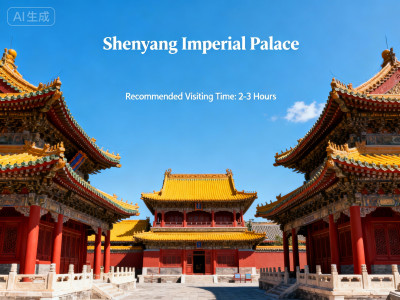
The Shenyang Imperial Palace also known as Mukden Palace is the only existing royal palace in China outside the Forbidden City in Beijing Built between 1625 and 1636 by Nurhaci the founder of the Qing Dynasty and his son Hong Taiji this magnificent complex served as the imperial residence and administrative center for the early Qing rulers before they conquered the rest of China and moved the capital to Beijing The palace represents a unique fusion of Manchu Tibetan and Han Chinese architectural styles reflecting the multicultural nature of the Qing Empire Covering an area of 60000 square meters with over 300 rooms the complex is divided into three main sections the eastern section with its distinctive octagonal Dazheng Hall where important ceremonies were held the central section with the emperors living quarters and administrative buildings and the western section added later by Emperor Qianlong The palace houses an extensive collection of Qing Dynasty artifacts including imperial robes weapons musical instruments and precious artworks In 2004 it was designated as a UNESCO World Heritage Site as an extension of the Imperial Palaces of the Ming and Qing Dynasties

Imperial StreetShenyang

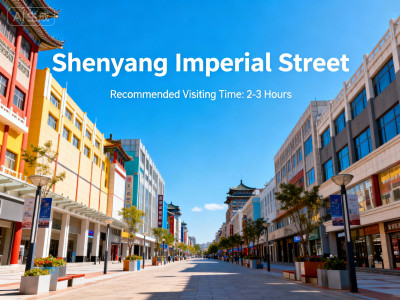
Imperial Street

Imperial Street also known as Shenyang Zhongjie is one of the oldest and most famous commercial streets in Northeast China Located in the heart of Shenyang this pedestrian street stretches for about 1500 meters and dates back to the Qing Dynasty The street perfectly blends traditional Chinese architecture with modern commercial development creating a unique atmosphere where history meets contemporary life As you walk along Imperial Street youll notice the distinctive Qing Dynasty style buildings with their curved roofs intricate wood carvings and traditional Chinese architectural elements The street was originally developed during the reign of Emperor Nurhaci the founder of the Qing Dynasty and served as a major commercial hub connecting the Imperial Palace with the rest of the city Today it remains a vibrant shopping and cultural destination where visitors can experience both Shenyangs historical legacy and its modern urban life

Shenyang Old City WallsShenyang

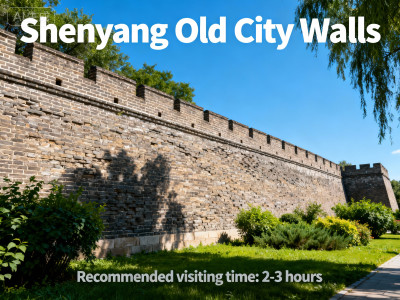
Shenyang Old City Walls

The Shenyang Old City Walls represent one of the most significant historical landmarks in Northeast China, serving as the original defensive fortifications of Shenyang during the Ming and Qing dynasties. These walls were constructed in the 14th century and played a crucial role in the rise of the Qing Dynasty, as Shenyang served as the early capital before the Manchu rulers moved to Beijing. The walls originally formed a square-shaped enclosure with eight gates, stretching approximately 10 kilometers in circumference and standing about 11 meters high. While much of the original structure has been lost to time and urban development, several restored sections and gates remain as testament to Shenyang's historical importance as the political and military center of Manchuria. The walls showcase traditional Chinese military architecture with their massive rammed earth construction, brick facing, and strategic gate towers that once controlled access to the city.

Fuling TombShenyang

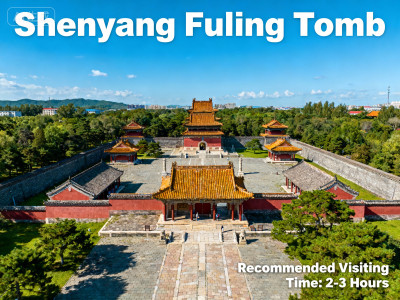
Fuling Tomb

Fuling Tomb is one of the three imperial tombs in Shenyang collectively known as the Three Tombs of the Qing Dynasty in Shenyang Built between 1629 and 1651 this magnificent mausoleum complex represents the early Manchu architectural style before they fully adopted Chinese traditions The tomb complex covers approximately 500000 square meters and is divided into three main sections the front section middle section and rear section The site features a unique combination of Manchu and Han architectural elements with distinctive features like the 108 steps representing the 108 stars of the Big Dipper in Manchu cosmology The tomb was inscribed as a UNESCO World Heritage Site in 2004 as part of the Imperial Tombs of the Ming and Qing Dynasties

Zhaoling TombShenyang

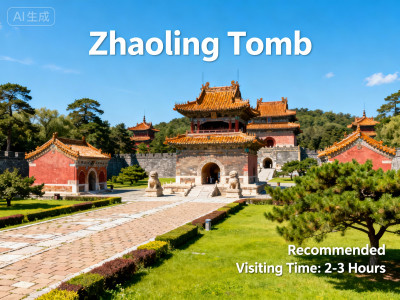
Zhaoling Tomb

Zhaoling Tomb, also known as the North Mausoleum, is the burial site of Emperor Huang Taiji (1592-1643) and his empress Xiaoduanwen. As the second emperor of the Qing Dynasty, Huang Taiji played a crucial role in consolidating Manchu power and laying the foundation for the Qing conquest of China. The tomb complex represents a masterpiece of early Qing architecture, blending traditional Manchu burial customs with Chinese imperial tomb design principles. Covering an area of 450 hectares, Zhaoling is the largest and most complete imperial tomb in Northeast China. The site features a perfect harmony of architecture and nature, with pine forests, stone statues, ceremonial halls, and the sacred burial mound arranged along a central axis according to Feng Shui principles. The tomb's design reflects the cultural integration between Manchu and Han civilizations during the early Qing period, making it not just a burial site but a symbol of cultural fusion and imperial power.

North TempleShenyang

North Temple

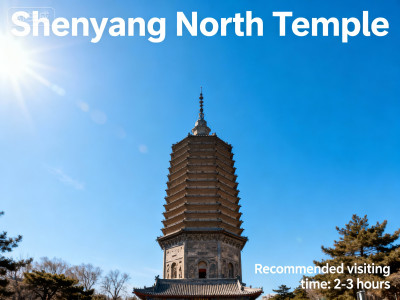
North Temple officially named Beita Temple is a magnificent Buddhist temple complex located in Shenyang Liaoning Province Originally built during the Qing Dynasty in the 17th century the temple has undergone several renovations and expansions throughout its history The temple complex features traditional Chinese Buddhist architecture with multiple halls pavilions and courtyards arranged in a symmetrical layout The main hall houses impressive statues of Buddha and other Buddhist deities while the surrounding gardens provide a peaceful retreat from the bustling city The temple is particularly famous for its ancient pagoda which stands as a landmark visible from various parts of the city North Temple serves as an active place of worship for local Buddhists and also functions as an important cultural heritage site that showcases the rich religious history of Northeast China