 Tourism Guide
Shenyang Imperial Academy
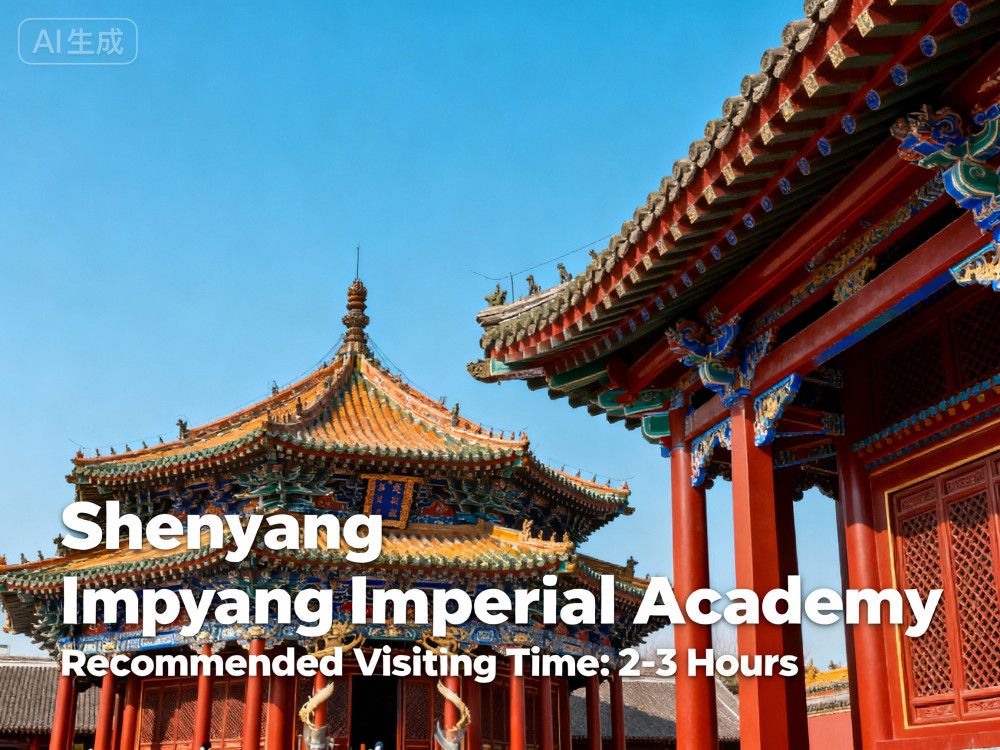
The Shenyang Imperial Academy is one of the three most prestigious imperial academies in Chinese history, serving as the highest educational institution in Northeast China during the Qing Dynasty
Key Information
Established Year
1636
Architectural Style
Qing Dynasty with Manchu influences
UNESCO Status
Part of Shenyang Imperial Palaces UNESCO World Heritage Site
Best Time to Visit
April to October
Historical Significance
One of three major imperial academies in Chinese history
Original Purpose
Education for Manchu nobility and imperial examination preparation
Restoration Status
Well-preserved with recent renovations
About Shenyang Imperial Academy
The Shenyang Imperial Academy, also known as Shengjing Imperial Academy, was established in 1636 during the early Qing Dynasty by Emperor Hong Taiji. As the highest educational institution in Manchuria, it played a crucial role in cultivating officials and scholars for the Qing government. The academy was designed to educate the children of Manchu nobility and prepare them for imperial examinations and government service. The complex features traditional Chinese architecture with distinct Manchu characteristics, including the main hall where Confucian classics were taught, examination halls, and living quarters for scholars. During its peak, the academy attracted students from across Northeast China and served as a cultural and educational center that helped integrate Manchu and Han Chinese traditions. The site represents the Qing Dynasty's efforts to establish a proper Confucian education system in their ancestral homeland while maintaining their unique Manchu identity.
Things to Do
- Explore the main lecture hall where Confucian classics were taught
- Visit the examination halls where imperial exams were conducted
- See the traditional scholar's study rooms and living quarters
- Admire the unique Manchu architectural elements blended with Chinese style
- Learn about the imperial examination system through historical displays
- Walk through the peaceful courtyard gardens where scholars studied
- View historical artifacts related to Qing Dynasty education
- Attend cultural events and traditional ceremonies held seasonally