Attractions in Tianjn · 54 places
Places worth
Landmarks with a story, neighbourhood corners with a slower pace and natural places that deserve more than a photograph. Use this index as a starting point, not a checklist.
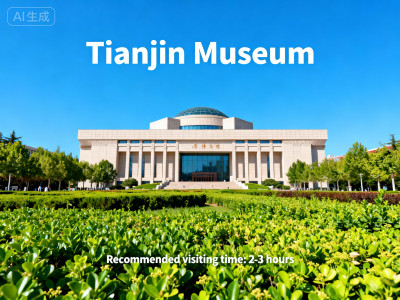
Tianjin Museum
Located in the cultural center of Tianjin, the Tianjin Museum is one of the largest and most comprehensive museums in northern China. The museum building itself is an architectural masterpiece designed to resemble a swan spreading its wings, symbolizing Tianjin's soaring development. The museum houses over 200,000 cultural relics spanning from prehistoric times to the modern era, with particular emphasis on Tianjin's unique history as a treaty port and its role in China's modernization. The collections include ancient bronzes, ceramics, calligraphy, paintings, jade artifacts, and historical documents that tell the story of Tianjin's transformation from a small fishing village to a major international port city. The museum's exhibitions are thoughtfully curated to provide visitors with a deep understanding of Tianjin's cultural heritage, maritime history, and its significant contributions to Chinese art and civilization.
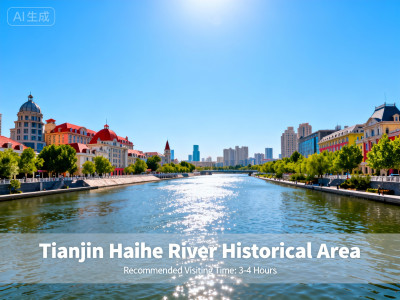
Haihe River Historical Area
The Haihe River Historical Area stretches along both banks of the Haihe River Tianjins mother river and represents the citys most significant historical and cultural district This area showcases Tianjins unique identity as a treaty port where Chinese and Western cultures converged during the late 19th and early 20th centuries The architectural landscape features a remarkable blend of European colonial buildings traditional Chinese courtyard houses and modern structures creating a visual timeline of Tianjins development from a small fishing village to an international trading port The area includes several historical districts such as the Italian Style Town the Five Great Avenues with their European villas and the Ancient Culture Street preserving traditional Chinese architecture The Haihe River itself serves as the central artery around which Tianjin grew with its nine tributaries symbolizing the citys nickname as the City of Nine Rivers
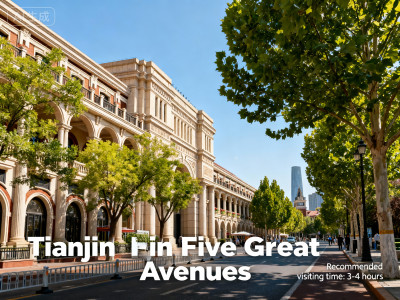
Five Great Avenues
The Five Great Avenues, known as Wudadao in Chinese, is a remarkable historical district in Tianjin that preserves the architectural legacy of the city's colonial past. This area consists of five parallel avenues - Machang Dao, Munan Dao, Dali Dao, Chongqing Dao, and Chengdu Dao - lined with over 2,000 Western-style buildings constructed between the late 19th and early 20th centuries. During the concession era, Tianjin was divided into nine foreign concessions, and this area became home to diplomats, merchants, and wealthy Chinese who built magnificent villas in various European architectural styles including British, French, Italian, German, and Spanish designs. Today, it stands as the largest and best-preserved collection of Western architecture in China, offering visitors a unique glimpse into Tianjin's cosmopolitan history and serving as an open-air architectural museum that tells the story of China's encounter with Western powers during a transformative period.
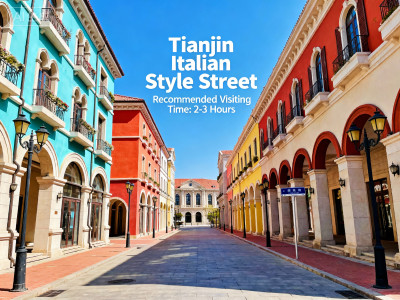
Italian Style Street
Italian Style Street also known as Italian Concession Area is one of Tianjins most charming and wellpreserved historical districts Established during the late Qing Dynasty in 1902 this area was one of eight foreign concessions in Tianjin and the only Italian concession in Asia The district covers approximately 17 hectares featuring over 200 Europeanstyle buildings that have been meticulously restored to their original glory The architecture reflects various Italian styles from Renaissance to Baroque creating a picturesque Mediterranean atmosphere in the heart of northern China The streets are paved with cobblestones lined with elegant lampposts and adorned with beautiful sculptures and fountains Today this area serves as a vibrant cultural and commercial hub where visitors can experience authentic Italian cuisine shop for unique souvenirs and immerse themselves in Tianjins rich multicultural history The preservation of this district represents a fascinating chapter in Chinas modern history showcasing the cultural exchange between East and West
Want the days already arranged?
Open the guidebook