The places index · 505 places
Places worth
Landmarks with a story, neighbourhood corners with a slower pace and natural places that deserve more than a photograph. Use this index as a starting point, not a checklist.
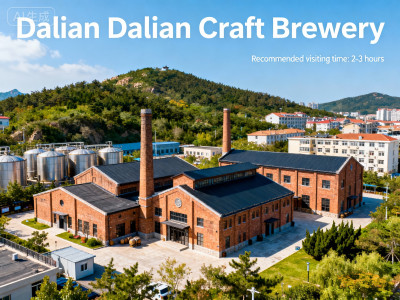 Dalian
 Craft Brewery
Dalian Craft Brewery represents the exciting evolution of China's craft beer scene in one of the country's most cosmopolitan port cities. Located in the heart of Dalian, this brewery combines traditional brewing techniques with innovative flavors, reflecting the city's unique blend of Chinese, Russian, and Japanese cultural influences. The brewery has become a social hub for locals and expats alike, offering a taste of Dalian's contemporary lifestyle while honoring the city's rich maritime history. With its industrial-chic design and welcoming atmosphere, it provides an authentic experience of modern Chinese urban culture through the lens of craft brewing.
 Dalian
Seaside View Restaurant
Seaside View Restaurant is one of Dalians most celebrated dining establishments located along the picturesque coastline of Xinghai Bay This elegant restaurant combines breathtaking panoramic ocean views with exquisite culinary artistry specializing in fresh seafood sourced directly from the Bohai Sea and Yellow Sea The restaurants design features floor to ceiling windows that allow diners to enjoy uninterrupted views of the sea while savoring their meals The interior blends modern sophistication with nautical elements creating a refined yet relaxed atmosphere perfect for romantic dinners family gatherings or business entertaining The menu showcases the best of Dalian cuisine with an emphasis on seafood prepared using traditional Chinese cooking techniques alongside innovative contemporary presentations
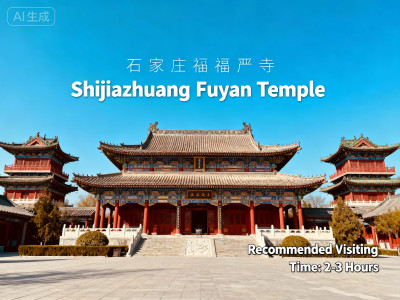 Shijiazhuang
Fuyan Temple
Fuyan Temple also known as Fuyan Monastery is a magnificent Buddhist temple complex dating back to the Northern Wei Dynasty around 1500 years ago Located in the picturesque mountains of Shijiazhuang Hebei Province this temple represents one of the most important Buddhist heritage sites in northern China The temple complex features traditional Chinese Buddhist architecture with multiple halls pagodas and courtyards arranged along the mountain slopes The name Fuyan translates to Fortune Cliff reflecting its auspicious location on a cliffside overlooking beautiful natural scenery Throughout its long history Fuyan Temple has been an important center for Buddhist study and practice attracting monks pilgrims and scholars from across China The temple has undergone several renovations during different dynasties including the Tang Song and Ming periods each leaving their architectural imprint The current structures mainly date from the Ming and Qing dynasties preserving the elegant wooden architecture intricate carvings and traditional Buddhist art that characterize Chinese temple design
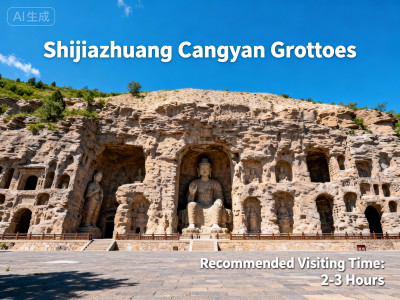 Shijiazhuang
Cangyan Grottoes
The Cangyan Grottoes also known as Cangyan Mountain Grottoes are an ancient Buddhist cave temple complex located in Jingxing County about 50 kilometers southwest of Shijiazhuang Hebei Province Carved into the steep cliffs of Cangyan Mountain the grottoes represent one of the most important Buddhist sites in northern China with construction beginning during the Northern Wei Dynasty 386534 AD and continuing through subsequent dynasties including the Tang and Song periods The site features over 100 caves containing more than 5000 Buddhist statues and numerous stone carvings murals and inscriptions The grottoes are renowned for their exquisite craftsmanship blending Indian Buddhist art with traditional Chinese artistic styles creating a unique cultural fusion that reflects the spread of Buddhism along the ancient Silk Road The complex is divided into several sections with the most famous being the Thousand Buddha Cave and the Flying Apsaras Cave showcasing the evolution of Buddhist art over centuries Beyond the religious significance the site offers breathtaking natural scenery with the grottoes integrated into the dramatic mountain landscape creating a harmonious balance between human artistry and natural beauty
 Shijiazhuang
Cangyan Peak
Cangyan Peak also known as Cangyan Mountain is a spectacular natural wonder located about 50 kilometers southwest of Shijiazhuang in Hebei Province The mountain gets its name Cangyan which means Green Cliff from the unique greenish hue of its rock formations particularly striking during sunrise and sunset The area is famous for its dramatic red sandstone cliffs ancient Buddhist temples and breathtaking natural scenery that has inspired poets and artists for centuries The most iconic feature is the Bridge Tower Temple a magnificent wooden structure built on a natural stone bridge spanning two cliffs creating a truly awe inspiring sight
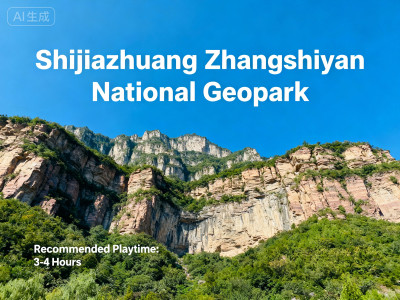 Shijiazhuang
Zhangshiyan National Geopark
Zhangshiyan National Geopark located in Jingxing County Shijiazhuang is one of Chinas most spectacular geological parks renowned for its unique Danxia landforms and towering sandstone pillars The park covers over 20 square kilometers and features breathtaking rock formations that have been sculpted by wind and water erosion over millions of years The name Zhangshiyan literally means Zhang Family Rock referring to the local legend about a family who discovered these magnificent formations The parks landscape resembles a natural stone forest with pillars peaks walls and canyons creating a surreal geological museum that showcases natures artistic prowess The red sandstone formations glow brilliantly under sunlight particularly during sunrise and sunset creating magical visual effects that have inspired poets and artists for centuries
 Shijiazhuang
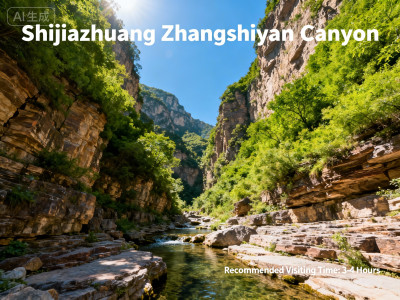
Zhangshiyan Canyon
Zhangshiyan Canyon also known as Zhangshiyan National Geological Park is a magnificent natural attraction located in Jingxing County about 50 kilometers west of Shijiazhuang The canyon features stunning red sandstone formations that have been sculpted by wind and water erosion over millions of years creating a landscape of towering cliffs deep gorges and unique rock pillars The name Zhangshiyan translates to Zhang Family Rock reflecting the local legend that the formations resemble a family standing together The area covers approximately 60 square kilometers and showcases geological wonders dating back to the Cambrian period over 500 million years ago The canyon is particularly famous for its autumn colors when the red rocks contrast beautifully with the golden foliage creating a photographers paradise
 Shijiazhuang
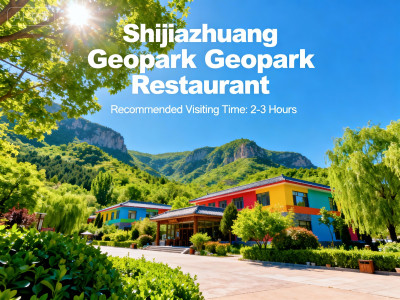
Geopark Restaurant
Geopark Restaurant is not just a dining establishment but a cultural and geological experience nestled within the Shijiazhuang Geological Park. This innovative restaurant seamlessly blends the natural beauty of geological formations with traditional Hebei culinary arts. The restaurant features stunning views of ancient rock formations dating back millions of years while serving authentic local dishes prepared with fresh ingredients from the surrounding region. The interior design incorporates natural stone elements and geological themes, creating an atmosphere where diners can appreciate both culinary excellence and geological heritage. The restaurant specializes in traditional Hebei cuisine with modern interpretations, featuring dishes that highlight the regions agricultural bounty and culinary traditions. Dining here offers a unique opportunity to experience the geological history of the Taihang Mountains region while enjoying some of the finest local cuisine in Shijiazhuang.
 Shijiazhuang
Stone Forest Area
The Stone Forest Area in Shijiazhuang is a spectacular natural landscape characterized by towering limestone formations that have been sculpted by millions of years of erosion. Located in the Hebei province, this geological marvel features thousands of stone pillars, peaks, and columns that rise dramatically from the earth, creating an otherworldly landscape that resembles a forest made of stone. The formations vary in height from a few meters to over 30 meters, with intricate shapes and textures that have been carved by wind and water over countless centuries. The area showcases the incredible power of natural forces and offers visitors a unique opportunity to witness geological history firsthand. The stone forest is particularly stunning during sunrise and sunset when the changing light creates dramatic shadows and highlights across the formations.
 Shijiazhuang
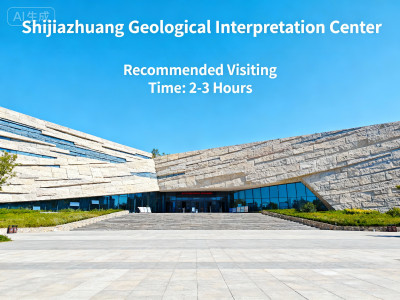
Geological Interpretation Center
The Geological Interpretation Center in Shijiazhuang is a state-of-the-art geological museum that serves as an educational and research hub for understanding China's geological history. Located in the capital of Hebei Province, this center offers visitors an immersive journey through billions of years of Earth's history, with a special focus on the unique geological formations of northern China. The center features interactive exhibits, rare mineral specimens, fossil collections, and detailed explanations of geological processes that have shaped the region's landscape. Visitors can explore the geological evolution of the Taihang Mountains, learn about the mineral resources that have supported China's development, and understand the tectonic forces that continue to shape the Asian continent.
 Shijiazhuang
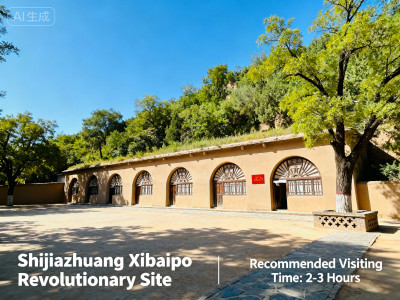
Xibaipo Revolutionary Site
Xibaipo Revolutionary Site is one of the most significant historical landmarks in modern Chinese history. Located in Pingshan County about 90 kilometers northwest of Shijiazhuang, this was the last rural command center of the Communist Party of China before they entered Beijing. From May 1948 to March 1949, Chairman Mao Zedong and other top leaders lived and worked here, directing the decisive battles of the Chinese Civil War and preparing for the establishment of the Peoples Republic of China. The site preserves the original living quarters, meeting rooms, and military command centers where historic decisions were made. Visitors can walk through the same courtyards where revolutionary leaders planned the future of China, experiencing the humble conditions that contrasted with the monumental events unfolding. The site represents the transition from rural revolutionary base to national governance, embodying the spirit of perseverance and strategic vision that shaped modern China.
 Shijiazhuang
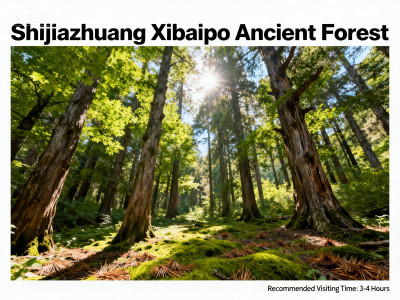
Xibaipo Ancient Forest
Xibaipo Ancient Forest is a remarkable natural wonder located in the mountainous regions of Shijiazhuang Hebei Province This ancient forest preserves some of the oldest trees in northern China with many specimens dating back over 1000 years The forest gained historical significance as it served as a temporary base for the Central Committee of the Communist Party of China during the Chinese Civil War Today it stands as both a natural sanctuary and a historical site offering visitors a unique combination of ecological exploration and cultural education The forest features diverse vegetation including ancient pines cypresses and oaks that have witnessed centuries of Chinese history The area is particularly famous for its autumn foliage when the leaves transform into vibrant shades of red orange and gold creating a spectacular natural tapestry
 Shijiazhuang
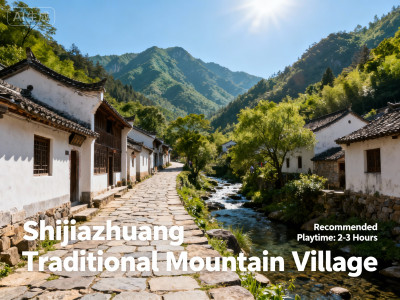
Traditional Mountain Village
This traditional mountain village offers a rare glimpse into centuries-old rural life in northern China. Nestled in the majestic Taihang Mountains near Shijiazhuang, the village preserves authentic stone architecture, ancient customs, and traditional farming practices that have remained largely unchanged for generations. The village features characteristic stone houses built directly into the mountain slopes, narrow winding stone pathways, and terraced fields that demonstrate ingenious agricultural techniques adapted to mountainous terrain. Visitors can experience the harmonious relationship between humans and nature that has sustained this community for centuries. The village represents a living heritage site where traditional festivals, folk arts, and daily routines continue as they have for hundreds of years, offering an immersive journey into China's rural cultural roots.
 Shijiazhuang
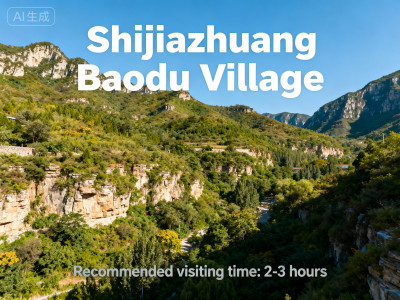
Baodu Village
Baodu Village also known as Baodu Fortress is a spectacular ancient mountain stronghold located about 17 kilometers west of Shijiazhuang city center Perched atop a towering mountain peak at an elevation of 580 meters this historical site offers panoramic views of the surrounding landscape The name Baodu literally means carrying a calf refers to a legendary story about a farmer who carried his calf up the mountain every day until it grew into a fullsized bull symbolizing perseverance and determinationnnThis ancient fortress dates back over 2000 years with its earliest fortifications established during the Warring States period 475221 BC Throughout Chinese history Baodu Village served as a strategic military stronghold witnessing numerous battles and playing crucial roles during various dynasties including the Han Tang and Ming periods The site combines natural beauty with human engineering featuring steep cliffs ancient walls temples and pavilions that blend harmoniously with the mountain landscapennThe journey to Baodu Village begins with a challenging climb up 3300 stone steps known as the Heavenly Stairway which tests visitors endurance and rewards them with spectacular views at every turn Alternatively visitors can take a cable car for a more comfortable ascent offering breathtaking aerial perspectives of the rugged terrain Upon reaching the summit youll discover a complete ancient village complex with traditional architecture defensive structures and cultural relics that transport you back in time to ancient China
 Shijiazhuang
Mountain Viewpoint
The Mountain Viewpoint in Shijiazhuang is one of the most spectacular observation platforms in Hebei Province, providing visitors with unparalleled views of the majestic Taihang Mountain range. Situated at an elevation that offers commanding perspectives, this viewpoint showcases the dramatic geological formations, deep valleys, and rolling hills that characterize northern Chinas landscape. The location has been carefully developed to maximize the viewing experience while preserving the natural environment. Visitors can witness the changing colors of the mountains throughout the day, from the soft morning mists to the golden hues of sunset. The viewpoint serves as both a natural observation deck and an educational site about the regions unique geology and ecology. Its strategic position allows visitors to appreciate the scale and beauty of one of Chinas most important mountain ranges while learning about the cultural significance these mountains hold in Chinese history and mythology.
 Beijing
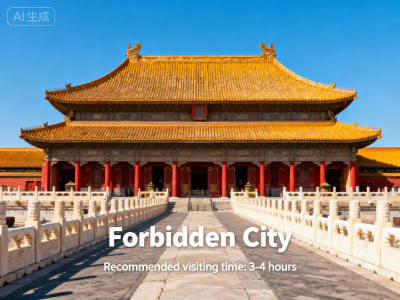
Forbidden City Palaces
The Forbidden City located at the heart of Beijing served as the imperial palace for 24 emperors during the Ming and Qing dynasties from 1420 to 1912 This magnificent complex covers 72 hectares with 980 buildings containing 8707 rooms The palace is divided into two main sections the Outer Court where emperors conducted state affairs and the Inner Court which served as the living quarters for the imperial family The entire complex is surrounded by a 10meter high wall and a 52meter wide moat creating a truly forbidden city accessible only to the emperor his family and select officials The architecture follows strict Confucian principles with symmetrical layouts and hierarchical arrangements reflecting the cosmic order and imperial authority
 Beijing
Great Wall Battlements
The Great Wall Battlements represent one of the most remarkable architectural and military achievements in human history. Originally constructed over 2,000 years ago during various dynasties, with significant contributions from the Ming Dynasty (1368-1644), these stone and brick fortifications were designed to protect China's northern borders from nomadic invasions. The battlements near Beijing, particularly at Badaling and Mutianyu sections, showcase the strategic military architecture including watchtowers, beacon towers, and defensive walls that snake across rugged mountain terrain. The Great Wall stretches approximately 21,196 kilometers (13,171 miles) across northern China, with the Beijing sections being among the best-preserved and most visited. These battlements were not just walls but a comprehensive defensive system that included garrison stations, signal transmission capabilities, and logistical support networks. The construction involved millions of workers over centuries, with materials transported up steep mountainsides using ingenious methods. Today, the Great Wall stands as a UNESCO World Heritage Site and a symbol of Chinese civilization's resilience and engineering prowess.
 Beijing
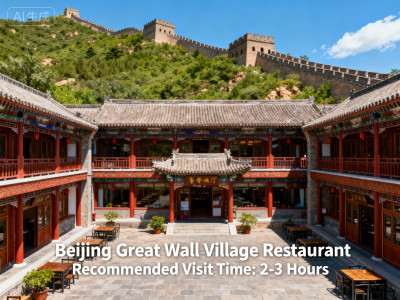
Great Wall Village Restaurant
The Great Wall Village Restaurant is not just a dining establishment but a cultural immersion experience located strategically near the Mutianyu section of the Great Wall. This restaurant combines traditional Chinese culinary arts with the majestic backdrop of one of the worlds most iconic historical landmarks. The establishment features traditional Chinese architecture with wooden beams, stone walls, and large windows that frame panoramic views of the surrounding mountains and the Great Wall snaking through the landscape. The restaurant specializes in authentic Beijing and Northern Chinese cuisine, with particular emphasis on dishes that have been enjoyed by locals for generations. The atmosphere is warm and rustic, with traditional Chinese decor elements including red lanterns, calligraphy scrolls, and antique farming tools that tell the story of village life near the Great Wall. What makes this restaurant truly special is its commitment to using locally sourced ingredients many vegetables come from nearby farms while meats are sourced from local producers ensuring freshness and supporting the surrounding community. The restaurant also serves as an educational experience where diners can learn about the culinary traditions of the region and how they connect to the history of the Great Wall itself.
 Beijing
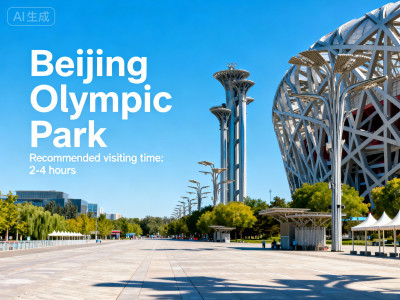
Olympic Park
The Beijing Olympic Park also known as the Olympic Green is a sprawling complex that hosted the 2008 Summer Olympics This iconic site represents Chinas emergence as a global superpower and showcases cuttingedge architectural design The parks centerpiece is the Birds Nest National Stadium an architectural masterpiece designed by Swiss architects Herzog de Meuron with Chinese artist Ai Weiwei The stadiums intricate steel structure resembles a birds nest symbolizing harmony between nature and human achievement Adjacent stands the Water Cube National Aquatics Center whose bubblelike facade changes colors at night creating a magical spectacle The park also features the Olympic Forest Park a massive green space that serves as Beijings lung providing ecological balance to the city Visitors can explore the Olympic Tower offering panoramic views of the entire complex and the surrounding city The site continues to host major sporting events and cultural performances making it a living legacy of the 2008 Games
 Beijing
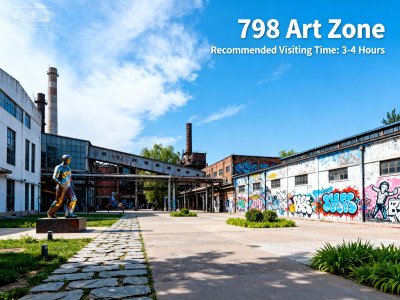
798 Art District
The 798 Art District is one of Beijing's most fascinating cultural destinations, located in the Dashanzi area of Chaoyang District. This sprawling 230,000 square meter complex was originally a state-owned military factory built in the 1950s with East German assistance. After the factories closed in the 1990s, artists began moving into the abandoned Bauhaus-style industrial spaces, attracted by the high ceilings, natural light, and affordable rents. Today, 798 has evolved into a world-renowned contemporary art district featuring over 200 galleries, artist studios, design companies, fashion boutiques, and creative spaces. The district perfectly blends industrial heritage with cutting-edge contemporary art, creating a unique atmosphere where visitors can explore everything from avant-garde installations to traditional Chinese art reinterpreted in modern contexts. The architecture itself is a highlight, with preserved factory buildings featuring distinctive sawtooth roofs and socialist-era slogans still visible on some walls.
 Harbin
 Ice and Snow World
Harbin Ice and Snow World is an annual winter festival showcasing incredible ice and snow sculptures, often reaching monumental sizes. Artists from around the world create intricate structures using ice blocks harvested from the Songhua River. The festival features illuminated ice buildings, slides, entertainment shows, and various winter sports activities, creating a magical frozen wonderland.
 Harbin
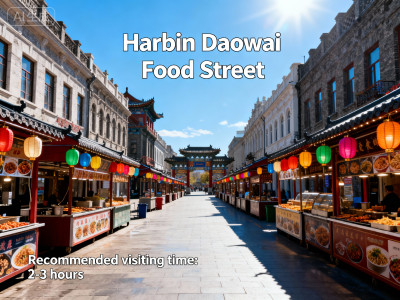
Daowai Food Street
Daowai Food Street located in Harbins historic Daowai District is a vibrant culinary destination that showcases the rich food culture of Northeast China Known as the birthplace of Harbins local cuisine this bustling street food paradise offers an authentic taste of traditional Dongbei dishes with a unique Russian influence The area dates back to the early 20th century when it served as a commercial hub for Russian merchants and Chinese traders creating a fascinating fusion of culinary traditions Today Daowai Food Street stretches for several blocks filled with century old restaurants street food stalls and family run eateries that have been serving generations of Harbin residents The atmosphere is lively and authentic with the aroma of sizzling meats steaming dumplings and freshly baked bread filling the air Unlike more touristy food streets Daowai maintains its local charm and authenticity making it a favorite among both residents and adventurous food lovers seeking genuine Northeastern Chinese flavors
 Harbin
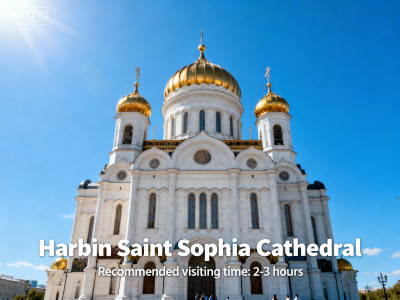
Saint Sophia Cathedral
Saint Sophia Cathedral is a former Russian Orthodox church built in 1907, showcasing Byzantine architecture with its distinctive green dome and red brick structure. It now serves as the Harbin Architecture Art Museum, displaying the city's multicultural architectural history.
 Harbin
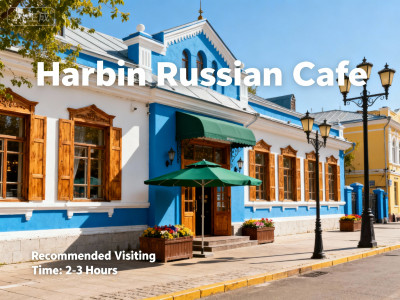
Russian Cafe
Russian cafes in Harbin offer a delightful journey through time where visitors can experience the unique blend of Russian and Chinese cultures that define this northern city. These establishments are not merely places to eat and drink but living museums of Harbins fascinating history. As you step inside youll be transported to early 20th century Harbin when Russian immigrants fleeing the Bolshevik Revolution brought their culture architecture and culinary traditions to this Manchurian city. The cafes typically feature elegant European decor with ornate chandeliers dark wood furnishings and vintage photographs depicting Harbins Russian community. The atmosphere is warm and inviting perfect for escaping Harbins famous winter cold while sipping authentic Russian tea served in traditional podstakannik glass holders. Many cafes feature live classical music or Russian folk performances adding to the authentic ambiance. These establishments serve as cultural bridges where visitors can taste authentic Russian cuisine like borscht pelmeni and blini while learning about the Russian influence that shaped Harbins unique architectural landscape and cultural identity.
 Harbin
Saint Sophia Cathedral
Saint Sophia Cathedral stands as one of Harbins most iconic landmarks and the largest Orthodox church in the Far East Built in 1907 during the construction of the Chinese Eastern Railway this architectural masterpiece reflects Harbins unique history as a Russian influenced city The cathedral showcases classic Byzantine style with its distinctive red brick walls green onion domes and intricate brickwork patterns After decades of neglect it was restored in 1997 and transformed into the Harbin Architecture Art Gallery preserving both its religious heritage and architectural significance
 Harbin
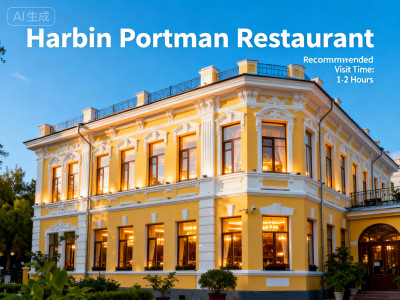
Portman Restaurant (波特曼西餐厅)
Portman Restaurant is one of Harbin's most famous and long-standing Russian restaurants, offering an immersive culinary journey into Russian culture. Located in the city center, it features classic European-style decor with chandeliers, oil paintings, and live piano music, creating a sophisticated atmosphere reminiscent of old-world Russia. The menu showcases traditional dishes prepared with meticulous care, providing a taste of the Russian influence that has shaped Harbin's unique character.
 Harbin
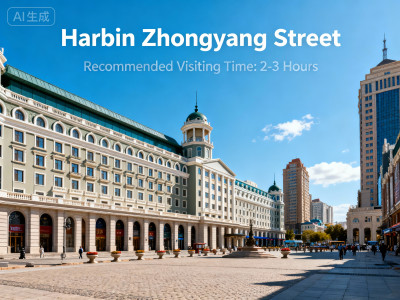
Zhongyang Street
Zhongyang Street also known as Central Street is the most famous pedestrian street in Harbin stretching 1450 meters from Jingwei Street to Stalin Park along the Songhua River Built in 1898 during the construction of the Chinese Eastern Railway this historic thoroughfare represents Harbins unique cultural heritage as a meeting point between Chinese and European influences The street features over 70 buildings in various architectural styles including Baroque Renaissance Byzantine and Art Nouveau reflecting Harbins history as an international trading hub and Russian influence in the region Originally known as Chinese Street it was renamed Zhongyang Street in 1925 and has since become a symbol of Harbins multicultural identity Today it serves as both a commercial center and an openair museum where visitors can experience Harbins European charm while enjoying local delicacies shopping and cultural performances
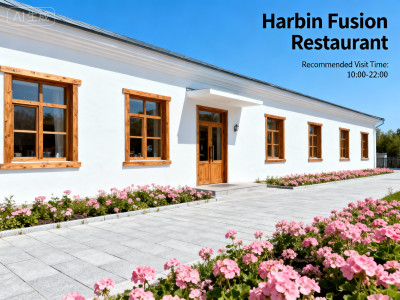 Harbin
Fusion Restaurant
Fusion Restaurant in Harbin represents the perfect marriage between traditional Northeastern Chinese culinary heritage and contemporary international gastronomy. Located in the heart of this historic Russian-influenced city, the restaurant offers an innovative dining experience that showcases how Harbin's unique cultural crossroads have influenced its food scene. The establishment combines the hearty, warming dishes of Heilongjiang Province with sophisticated techniques and ingredients from around the world, creating a menu that surprises and delights both local and international visitors. The ambiance reflects Harbin's architectural heritage with modern touches, featuring elements that nod to the city's Russian past while maintaining a sleek, contemporary aesthetic. This restaurant has become a favorite among food enthusiasts seeking to understand how Harbin's position as a cultural melting pot translates to its culinary landscape.
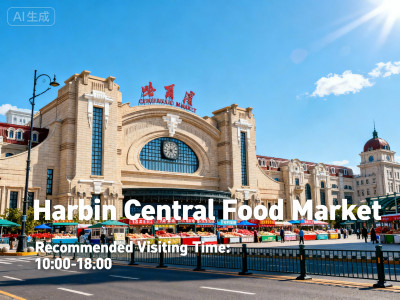 Harbin
 Central Food Market
The Harbin Central Food Market is not just a place to buy food its a living museum of culinary history that reflects Harbins unique position as the Paris of the East This bustling market showcases the fascinating fusion of Russian and Chinese food cultures that developed over a century of cultural exchange Located in the historic Daoli District the market offers an authentic taste of Harbins diverse culinary heritage from traditional Northeastern Chinese dishes to Russianinfluenced specialties The market operates yearround but takes on special significance during Harbins famous Ice and Snow Festival when it becomes a warm haven for visitors seeking comfort food against the cold The architecture itself tells a story with some sections featuring Russianstyle brickwork while others maintain traditional Chinese market layouts The air is filled with the aromas of smoked meats pickled vegetables fresh bread and exotic spices creating an unforgettable sensory experience
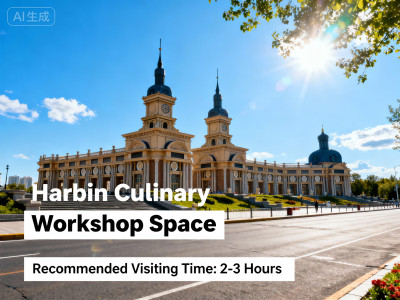 Harbin
Culinary Workshop Space
Located in the heart of Harbins historic Daoli District the Culinary Workshop Space offers a unique hands-on cooking experience that showcases Harbins rich culinary heritage As a city with strong Russian influences dating back to the early 20th century Harbins cuisine represents a fascinating fusion of Chinese and European flavors This workshop provides visitors with the opportunity to learn traditional cooking techniques from local chefs while discovering the stories behind Harbins most iconic dishes The space features modern cooking stations traditional Chinese kitchen tools and a warm inviting atmosphere perfect for both beginners and experienced cooks
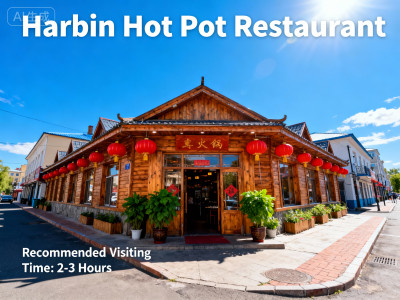 Harbin
Hot Pot Restaurant
Hot pot restaurants in Harbin offer a popular dining experience but are not designated tourist attractions. Harbin has numerous hot pot establishments that serve traditional Chinese hot pot with local northeastern specialties, particularly lamb-based dishes that suit the cold climate. While these restaurants provide cultural dining experiences, they are commercial establishments rather than tourist sites.
 Harbin
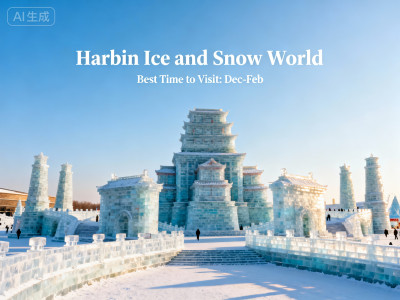
 Ice and Snow World
Harbin Ice and Snow World is an annual winter festival and theme park that transforms Harbin into a magical kingdom of ice and snow. Established in 1999, this spectacular attraction features massive ice sculptures and snow carvings created by master artisans from around the world. Each winter, thousands of workers harvest ice blocks from the Songhua River to construct magnificent ice buildings, castles, towers, and sculptures that glow with vibrant LED lights after dark. The park covers over 600000 square meters and represents the pinnacle of ice architecture, combining traditional Chinese craftsmanship with modern lighting technology. Visitors can explore ice replicas of famous landmarks like the Great Wall, European cathedrals, and modern skyscrapers, all meticulously carved from crystal-clear ice. The festival typically runs from late December through February, with the best viewing conditions during the coldest months when temperatures can drop to -30°C (-22°F). This extraordinary winter wonderland has earned Harbin the nickname Ice City and attracts millions of visitors from across China and around the globe.
 Harbin
 Night Market Area
The Harbin Night Market Area is not just a place to eat but a cultural experience that embodies the unique fusion of Russian and Chinese influences that define this northern city. Located in the heart of Harbin, this bustling market comes alive as the sun sets, transforming the streets into a symphony of sizzling woks, aromatic spices, and lively chatter. The area showcases Harbins rich history as a former Russian concession city, with European-style buildings providing a stunning backdrop to traditional Chinese street food stalls. Here you can taste authentic Northeastern Chinese cuisine alongside Russian-inspired snacks, all while experiencing the warm hospitality of local vendors who have perfected their culinary crafts over generations. The market represents the soul of Harbin where cold winters meet hot food, where history meets modernity, and where every bite tells a story of cultural exchange.
 Harbin
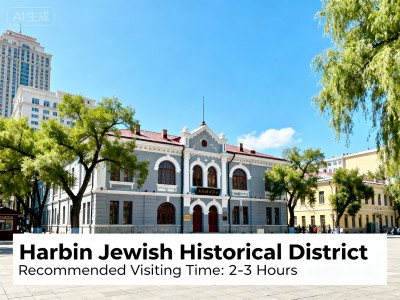
Jewish Historical District
The Jewish Historical District in Harbin represents one of the most significant chapters in Chinas multicultural history Located in Daoli District this area preserves the architectural and cultural legacy of the Jewish community that flourished in Harbin from the late 19th century through the mid20th century At its peak Harbins Jewish population numbered around 20000 making it one of the largest Jewish communities in East Asia The district features wellpreserved Europeanstyle buildings including the magnificent former Main Synagogue now the Harbin Jewish History and Culture Museum the Jewish Middle School and numerous residential and commercial buildings constructed in distinctive architectural styles The community played a vital role in Harbins development particularly in finance commerce education and cultural exchange Many Jewish families established successful businesses contributed to the citys infrastructure and created a vibrant cultural life with newspapers theaters and social organizations The districts preservation tells a story of tolerance cultural exchange and the remarkable resilience of a community that found refuge and prosperity in this northern Chinese city
 Harbin
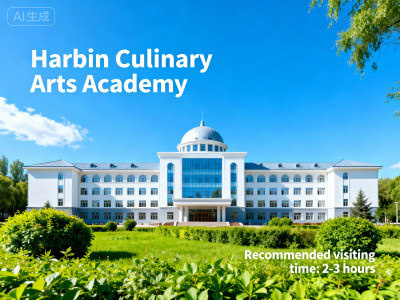
 Culinary Arts Academy
Located in the heart of Harbin, this academy offers hands-on classes teaching traditional Dongbei dishes like Guo Bao Rou, as well as Russian specialties such as Borscht, reflecting the city's unique cultural blend.
 Harbin
Cooking School Dining Area
The Cooking School Dining Area in Harbin offers visitors an immersive journey into the rich culinary traditions of Northeast China. This innovative concept combines hands-on cooking classes with a delightful dining experience, allowing guests to learn traditional recipes from expert chefs and then savor their own creations in a beautifully designed dining space. The venue showcases the unique flavors of Heilongjiang province, featuring local specialties like Harbin smoked sausage, Dongbei dumplings, and hearty stews that reflect the regions cold climate and Russian influences. The dining area itself is decorated with traditional Chinese elements mixed with Russian architectural touches, creating a warm and inviting atmosphere perfect for enjoying the fruits of your culinary labor.
 Harbin
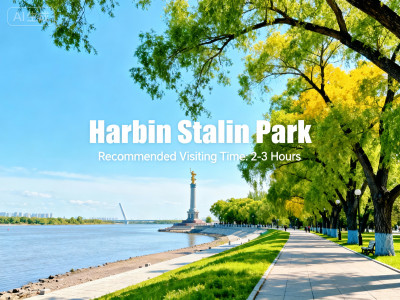
Stalin Park
Stalin Park is a beautiful 1750meter long riverside park stretching along the southern bank of the Songhua River in Harbin Established in 1953 the park was originally named after Soviet leader Joseph Stalin reflecting the strong Russian influence in Harbins history The park features Europeanstyle architecture sculptures and landscaping that create a unique blend of Chinese and Russian aesthetics With its tree lined promenades flower gardens and stunning river views Stalin Park serves as both a recreational space for locals and a historical landmark that tells the story of Harbins development as the Paris of the East
 Harbin
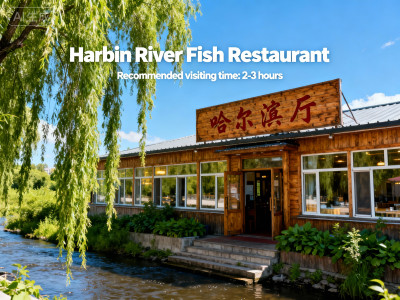
River Fish Restaurant
This restaurant offers authentic Northeastern Chinese cuisine with a focus on various preparations of locally sourced river fish, including stewed, braised, and steamed dishes.
 Harbin
 Museum
Harbin Museum established in 1994 is a comprehensive museum that systematically presents the history culture and development of Harbin Known as the Pearl of the Eurasian Land Bridge Harbin has a fascinating history shaped by Russian influence Chinese traditions and modern development The museum houses over 10000 cultural relics including artifacts from the Jin Dynasty Russian colonial period Japanese occupation and contemporary era The exhibitions are organized across three main sections historical relics folk customs and modern development offering visitors a comprehensive understanding of Harbins transformation from a small fishing village to a major international city The architecture itself reflects Harbins unique blend of Chinese and European styles with elegant design elements that echo the citys famous Russian influenced buildings
 Harbin
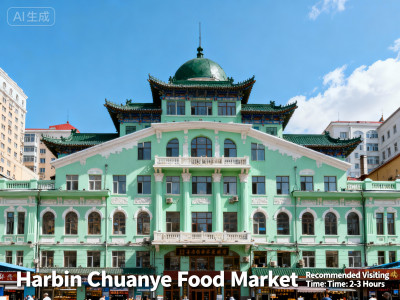
Chuanye Food Market
Chuanye Food Market is a landmark destination for food lovers in Harbin, offering a vast array of local specialties. It is particularly celebrated for its high-quality Harbin red sausages, Russian-style bread like lieba, smoked meats, and traditional dairy products. The bustling atmosphere provides a genuine taste of Harbin's unique culinary heritage, which blends Chinese Northeastern flavors with Russian influences. It's a must-visit for tourists seeking to take home authentic local flavors.
 Harbin
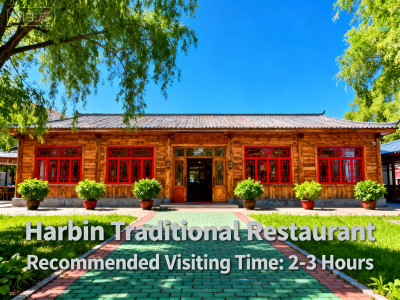
Traditional Restaurant
Harbin Traditional Restaurant is not just a dining establishment but a living museum of Sino Russian culinary fusion Located in the heart of Harbin this restaurant preserves the unique food heritage that developed over a century of cultural exchange between China and Russia The interior features elegant Russian style decor with ornate chandeliers wooden carvings and vintage photographs showcasing Harbins history as the Paris of the East The menu represents a perfect blend of Chinese cooking techniques with Russian ingredients and flavors creating dishes that are uniquely Harbin
 Harbin
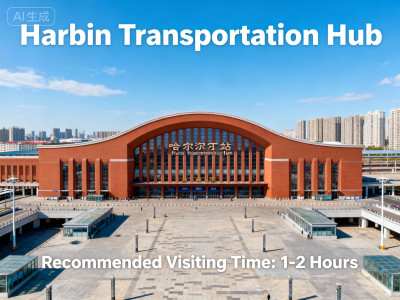
 Transportation Hub
Harbin serves as the primary transportation hub of Northeast China with its extensive network of railways highways and air connections As the capital of Heilongjiang Province Harbin connects China with Russia and other neighboring countries through multiple transportation corridors The city features three major railway stations including Harbin Railway Station Harbin West Railway Station and Harbin East Railway Station each serving different routes and passenger needs Harbin Taiping International Airport operates both domestic and international flights while the citys highway system links it to major destinations across the region The transportation infrastructure reflects Harbins historical role as a key junction on the TransSiberian Railway and its modern development as a vital logistics center in Northeast Asia
 Jinan
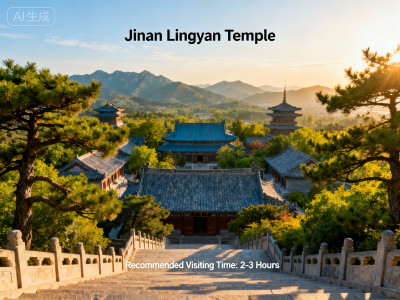
Lingyan Temple
Lingyan Temple meaning Spiritual Rock Temple is a Buddhist temple complex with over 1600 years of history dating back to the Eastern Jin Dynasty 317420 AD Nestled in the scenic foothills of Mount Tai the temple is renowned for its exquisite architecture ancient pagodas and the famous Thousand Buddha Hall which houses 40 lifelike painted clay statues of arhats Buddhist saints created during the Song Dynasty 9601279 The temples serene environment ancient cypress trees and harmonious integration with natural rock formations create a spiritual atmosphere that has attracted pilgrims scholars and emperors throughout Chinese history
 Jinan
Mount Tai Foothills
Mount Tai Foothills serves as the magnificent prelude to Tai Shan, one of China's Five Great Mountains and a UNESCO World Heritage Site. This sacred landscape has been worshipped for over 3,000 years as the easternmost of China's sacred mountains, believed to be the place where the sun rises and life begins. The foothills area encompasses ancient temples, stone inscriptions, pine forests, and winding paths that have been trodden by emperors, scholars, and pilgrims for millennia. As you explore this spiritual landscape, you'll discover why Mount Tai has been called the 'First Mountain Under Heaven' and understand its profound significance in Chinese culture, religion, and history. The area represents a perfect harmony between natural beauty and human spiritual expression.
 Jinan
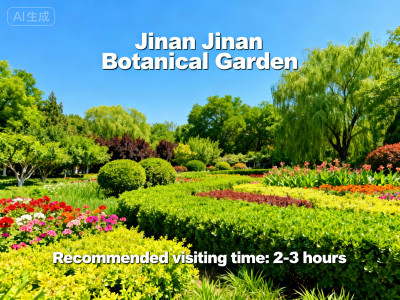
Jinan Botanical Garden
Jinan Botanical Garden also known as Jinan Arboretum is a magnificent botanical sanctuary spanning over 100 hectares in the southern suburbs of Jinan Established in 1960 this garden serves as both a recreational paradise and a scientific research center dedicated to plant conservation and education The garden features over 5000 plant species from around the world organized into themed sections including medicinal plants ornamental flowers rare trees and aquatic plants Nestled against the picturesque Qianfo Mountain Thousand Buddha Mountain the garden offers breathtaking views of Jinans natural landscape while providing a peaceful escape from the bustling city The garden is particularly famous for its seasonal displays with cherry blossoms in spring lotus flowers in summer chrysanthemums in autumn and plum blossoms in winter creating yearround visual spectacles
 Jinan
Pearl Spring
Pearl Spring is one of the most celebrated natural springs in Jinan Shandong Province renowned as the City of Springs Located in the heart of the city within the scenic Pearl Spring Park this natural wonder has been admired for over a thousand years The spring gets its name from the unique way water emerges from the limestone aquifer creating countless bubbles that rise to the surface resembling strings of shimmering pearls The water temperature remains constant at around 18 degrees Celsius throughout the year creating a magical mist effect in winter when the warm spring water meets the cold air The spring has been celebrated in Chinese poetry and literature since ancient times with historical records dating back to the Northern Wei Dynasty over 1500 years ago The surrounding Pearl Spring Park features traditional Chinese gardens pavilions and ancient trees creating a peaceful oasis in the bustling city The spring water is renowned for its purity and sweet taste and was historically used for brewing the famous Jinan tea Today visitors can still see locals collecting the spring water for daily use continuing a centuries old tradition
 Jinan
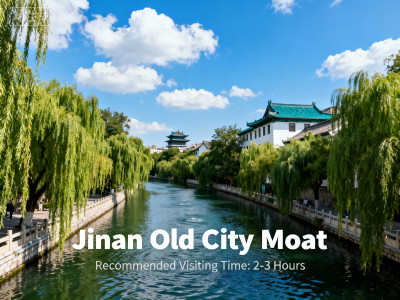
Jinan Old City Moat
The Jinan Old City Moat is a remarkable historical water system that once served as the defensive perimeter of ancient Jinan city. Dating back over 2,600 years to the Spring and Autumn Period, this moat system represents one of China's most well-preserved ancient city defense structures. What makes Jinan's moat particularly unique is its integration with the city's famous spring water system - the moat was fed by natural springs, creating a living, flowing water defense rather than a stagnant ditch. The moat stretches approximately 6.9 kilometers around what was once the ancient city wall, with sections beautifully restored to showcase traditional Chinese moat architecture and engineering. Today, the moat area has been transformed into a scenic park that combines historical preservation with modern urban landscaping, offering visitors a peaceful retreat in the heart of the bustling city while telling the story of Jinan's long and storied history as the capital of Shandong Province.
 Dalian
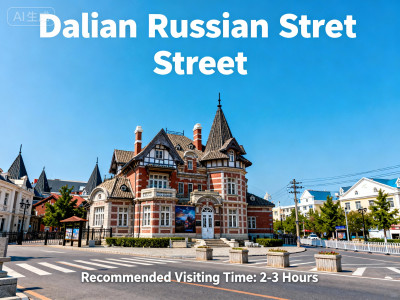
Russian Street
Russian Street also known as Russian Style Street is a picturesque historical area in Dalian that preserves the citys Russian architectural legacy from the late 19th and early 20th centuries This charming cobblestone street features wellpreserved Russianstyle buildings constructed during the Russian lease period of Dalian from 1898 to 1905 The street showcases a unique blend of Russian and Chinese cultures with distinctive architectural elements including ornate facades colorful wooden structures and traditional Russian design motifs Today it serves as both a historical preservation site and a vibrant tourist destination offering visitors a glimpse into Dalians multicultural past while providing modern amenities shopping and dining experiences
 Dalian
 Modern Museum
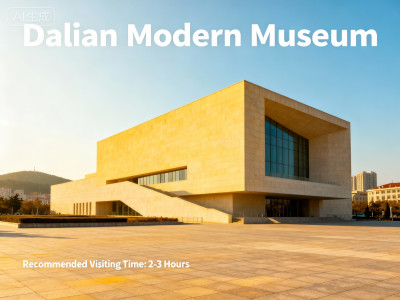
The Dalian Modern Museum stands as a magnificent architectural landmark in the heart of Dalians Xinghai Square area representing a perfect fusion of modern design and cultural preservation Opened in 2006 this stateoftheart museum spans over 30000 square meters with its striking glass and steel structure resembling a giant crystal cube reflecting Dalians identity as a modern coastal city The museum serves as a cultural bridge connecting Dalians rich historical heritage with contemporary artistic expressions housing extensive collections of modern and contemporary art calligraphy photography and multimedia installations Its innovative exhibition spaces feature both permanent collections showcasing Chinese modern art development and rotating international exhibitions that bring global contemporary art trends to northeastern China Beyond visual arts the museum hosts cultural events educational programs and interactive workshops making it a dynamic center for artistic exchange and public engagement
 Dalian
 Fishermans Wharf
Dalian Fishermans Wharf is a beautifully designed waterfront development that captures the essence of Dalians maritime heritage while offering modern entertainment and leisure facilities. Located along the scenic Binhai Road in Dalian Liaoning Province this wharf complex features charming Europeanstyle architecture cobblestone streets and stunning sea views. Originally a fishing village area the wharf has been transformed into a vibrant cultural and entertainment hub that pays homage to Dalians history as a major port city. The development combines traditional fishing village elements with contemporary amenities creating a unique atmosphere where visitors can experience both the citys maritime past and its modern cosmopolitan present. The wharf offers panoramic views of the Yellow Sea and serves as an excellent vantage point to appreciate Dalians beautiful coastline.
Want the days already arranged?
Open the guidebook