The places index · 505 places
Places worth
Landmarks with a story, neighbourhood corners with a slower pace and natural places that deserve more than a photograph. Use this index as a starting point, not a checklist.
 Dalian
Bangchuidao Cable Car
The Bangchuidao Cable Car is one of Dalians most iconic tourist experiences providing a spectacular aerial connection between the bustling city center and the picturesque Bangchuidao Island This engineering marvel spans approximately 1 kilometer across the Yellow Sea offering visitors a unique birds eye perspective of Dalians stunning coastline modern architecture and natural beauty The cable car system features modern enclosed gondolas that glide smoothly over the azure waters creating a memorable journey that combines natural scenery with urban landscapes As you ascend from the Tiger Beach Ocean Park station youll witness the dramatic transformation from vibrant city life to serene island tranquility The ride offers unparalleled photo opportunities capturing the harmony between Dalians colonial heritage buildings contemporary skyscrapers and the vast expanse of the Yellow Sea This experience perfectly embodies Dalians identity as a city where mountains meet the sea and modern development coexists with natural preservation
 Dalian
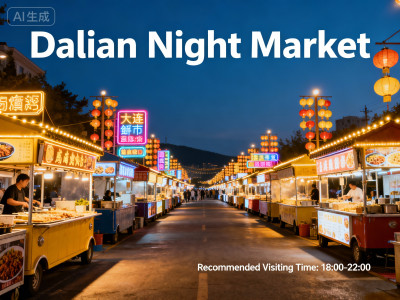
 Night Market
Dalian Night Market is a bustling open-air food paradise that comes alive as the sun sets over this beautiful coastal city. Located in the heart of Dalian, this vibrant market showcases the unique fusion of Northern Chinese cuisine with distinct Korean and Russian influences that reflect Dalian's rich history as a port city. The air fills with tantalizing aromas of grilled seafood, sizzling street food, and sweet treats as hundreds of vendors set up their stalls along the lively pedestrian streets. This is not just a place to eat but a cultural experience where you can witness the daily life of Dalian residents, enjoy traditional performances, and discover why Dalian is often called the 'Hong Kong of the North'. The market's seaside location means you'll find some of the freshest seafood in China, prepared right before your eyes using techniques passed down through generations.
 Dalian
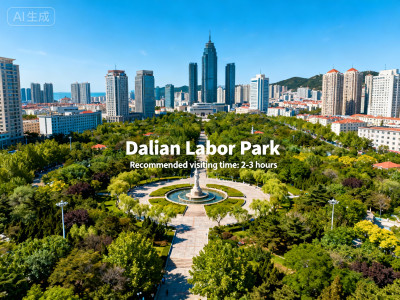
Labor Park
Labor Park also known as Laodong Park is one of Dalians most beloved urban green spaces covering approximately 102 hectares Established in 1898 during the Russian colonial period the park has evolved through Japanese occupation and modern Chinese development to become a symbol of Dalians resilience and natural beauty The parks name reflects its historical connection to the working class and its role as a recreational space for all citizens Nestled in the Zhongshan District the park offers stunning views of Dalians coastline and cityscape blending European garden design with traditional Chinese landscaping elements
 Dalian
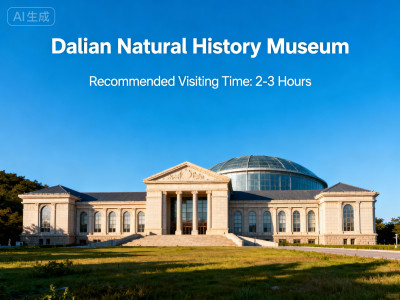
 Natural History Museum
Dalian Natural History Museum established in 1907 is one of Chinas oldest natural history museums Originally founded by the Japanese during their occupation it has evolved into a comprehensive institution covering geology paleontology zoology botany and anthropology The museum houses over 200000 specimens including dinosaur fossils marine life exhibits mineral collections and ecological displays The architecture itself is a historical landmark blending European and Japanese styles reflecting Dalians colonial past The museums most famous exhibits include the complete skeleton of a Shantungosaurus one of the largest duckbilled dinosaurs ever discovered and an extensive collection of marine specimens from the Yellow Sea and Bohai Sea The museum serves as both an educational center and research institution contributing to environmental conservation and biodiversity studies in Northeast China
 Dalian
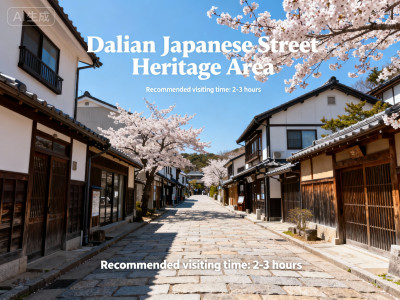
Japanese Street Heritage Area
The Japanese Street Heritage Area in Dalian is a fascinating historical district that preserves the architectural legacy of Japans colonial period in Northeast China from 1905 to 1945. This area features over 200 well-maintained Japanese-style buildings constructed during the early 20th century, representing various architectural styles including traditional Japanese wooden structures, Western-influenced buildings, and unique fusion designs. The district serves as a living museum of urban planning and architectural history, with narrow winding streets, traditional Japanese gardens, and preserved commercial and residential buildings. Visitors can explore this atmospheric neighborhood to understand Dalian's complex history as a port city that experienced Russian, Japanese, and Chinese influences. The area has been carefully restored to maintain its historical authenticity while accommodating modern cafes, boutiques, and cultural spaces that blend contemporary life with historical preservation.
 Dalian
Traditional Tea House
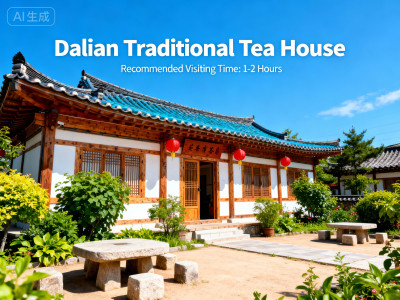
Nestled in the heart of Dalian, this traditional tea house offers a sanctuary from the bustling city life, inviting visitors to immerse themselves in the profound world of Chinese tea culture. The establishment beautifully blends traditional Chinese architectural elements with Dalians unique coastal charm, creating an atmosphere of tranquility and refinement. As you step inside, the delicate aroma of premium teas fills the air, while the soft sounds of guzheng music transport you to ancient China. The tea masters here are not just servers but custodians of centuries-old traditions, ready to guide you through the intricate rituals of tea preparation and appreciation. From the elegant tea sets to the carefully curated selection of leaves from Chinas most famous tea-growing regions, every detail reflects the philosophy of harmony, respect, purity, and tranquility that defines traditional tea culture.
 Dalian
Changxing Island
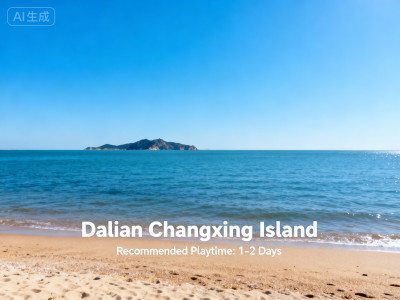
Changxing Island located in the Bohai Sea off the coast of Dalian is one of Chinas largest islands and serves as a major industrial hub and economic development zone While primarily known for its industrial significance the island also offers visitors a unique perspective on modern Chinas coastal development with scenic shorelines and glimpses of maritime industry The island has been transformed into a key petrochemical and shipbuilding center while maintaining its natural coastal charm Visitors can witness the impressive scale of modern Chinese industry while enjoying the islands coastal environment The contrast between industrial might and natural beauty creates a fascinating destination for those interested in both economic development and coastal landscapes
 Dalian
Changxing Island Coastline
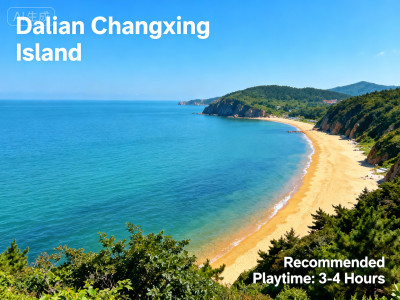
Changxing Island Coastline is one of Liaoning Provinces most spectacular natural attractions located in the Bohai Sea off the coast of Dalian This magnificent coastline stretches over 30 kilometers featuring breathtaking geological formations including towering sea cliffs natural arches and unique rock formations carved by centuries of wind and wave erosion The area boasts crystal clear turquoise waters that contrast beautifully with the golden sandy beaches and lush green vegetation The coastline is particularly famous for its sunrise and sunset views where the sky transforms into a canvas of vibrant colors reflecting on the calm sea waters Beyond its natural beauty Changxing Island has significant historical importance as part of Chinas coastal defense system and has been a strategic location for maritime trade and fishing for centuries The islands unique ecosystem supports diverse marine life making it an excellent destination for bird watching marine observation and ecological tourism
 Dalian
Friendship Square
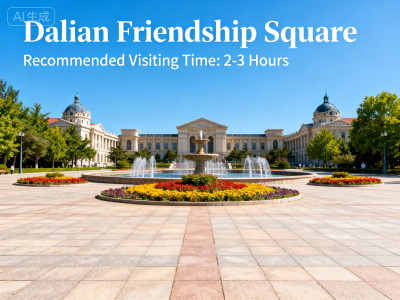
Friendship Square is one of Dalians most iconic public spaces located in the heart of the citys Zhongshan District This expansive square serves as both a historical landmark and a vibrant gathering place for locals and tourists alike The square was originally established in the early 20th century during the Russian and Japanese occupation periods and was later renovated to symbolize Dalians growing international relationships and economic development At the center of the square stands the magnificent Crystal Ball sculpture a massive stainless steel globe that represents Dalians global connections and maritime trade heritage The square is surrounded by impressive colonial era architecture modern skyscrapers and luxury hotels creating a fascinating blend of historical and contemporary urban landscapes Friendship Square is particularly beautiful at night when the Crystal Ball is illuminated with colorful lights and the surrounding fountains create a magical atmosphere The square also serves as a transportation hub with the Dalian Friendship Store nearby offering shopping opportunities and the citys modern metro system providing easy access to other attractions
 Dalian
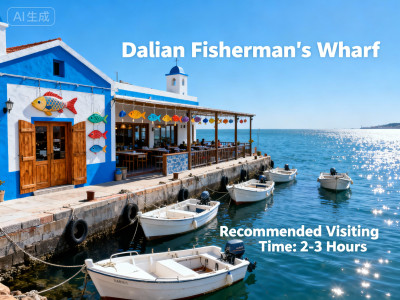
渔人码头海鲜餐厅
餐厅直接面向渔港,顾客可以亲眼看到渔船归港,并从海鲜池中亲自挑选鲜活的海产,如海胆、鲍鱼、虾爬子、各种海鱼等,交由厨师按大连传统方式烹饪。餐厅环境宽敞,部分座位可欣赏海景,是体验大连海鲜文化的热门地点。
 Tianjn
Porcelain House
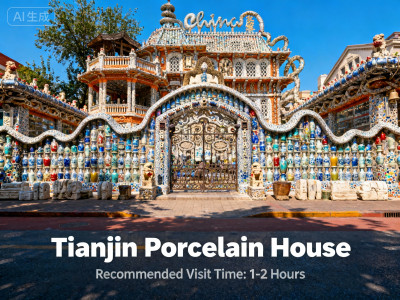
The Porcelain House is one of Tianjins most unique and visually stunning attractions located in the historic French Concession area This extraordinary building was transformed by local businessman Zhang Lianzhi who spent over 20 years collecting antique porcelain ceramic pieces crystal and glass to decorate the entire exterior and interior of this former Frenchstyle villa The building features over 400 million pieces of porcelain including rare Ming and Qing dynasty artifacts as well as over 13000 ancient porcelain bowls 300 stone lions and countless other ceramic treasures Every surface from walls and ceilings to railings and decorative elements is meticulously covered in colorful porcelain creating a breathtaking mosaic effect The interior houses a museum showcasing Chinese porcelain history while the exterior stands as a testament to one mans passion for preserving Chinese cultural heritage through innovative artistic expression
 Tianjn
Haihe River
The Haihe River, often called Tianjins Mother River, is the largest river system in northern China and the lifeline of Tianjin. Stretching over 1,050 kilometers, it flows through the heart of the city, connecting five major tributaries and emptying into the Bohai Sea. This historic waterway has been central to Tianjins development as a major port city and trading hub since ancient times. The riverside area showcases a fascinating blend of architectural styles from different historical periods, including colonial-era buildings from Tianjins concession period, modern skyscrapers, and traditional Chinese structures. The riverbanks have been beautifully developed into scenic promenades, parks, and entertainment areas, making it a perfect place to experience Tianjins unique character where East meets West. At night, the river comes alive with spectacular light shows and illuminated bridges that create a magical atmosphere.
 Tianjn
Ancient Culture Street
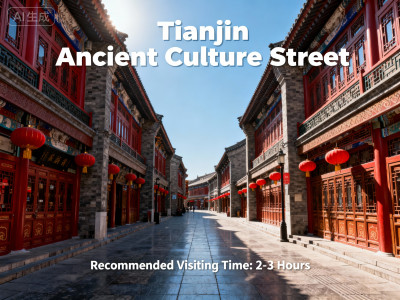
Tianjin Ancient Culture Street also known as Gu Wenhua Jie is a meticulously restored traditional Chinese street located along the Haihe River This historic thoroughfare dates back to the Qing Dynasty and has been carefully preserved to showcase traditional Chinese architecture culture and craftsmanship The street features over 100 shops and stalls housed in beautiful Qing Dynasty style buildings with intricate wood carvings colorful paintings and traditional architectural elements Visitors can experience authentic Chinese culture through various traditional arts crafts and local delicacies The street serves as a living museum of Tianjins rich cultural heritage offering a glimpse into the citys historical commercial and cultural life
 Tianjn
Confucius Temple
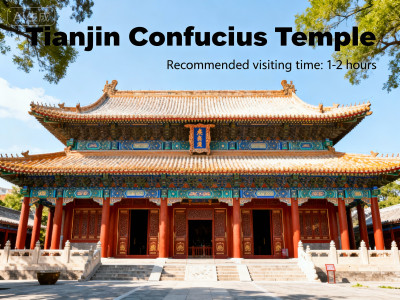
Located in the ancient cultural district of Tianjin the Confucius Temple also known as Wen Miao is one of the best preserved Confucian temples in northern China Built during the Ming Dynasty in 1436 this temple complex served as a center for Confucian worship and imperial examinations The temple follows traditional Chinese architectural principles with symmetrical layouts and exquisite craftsmanship reflecting the profound influence of Confucianism on Chinese culture and education The complex includes the main hall Dacheng Hall where Confucius is enshrined along with other halls pavilions and courtyards that showcase traditional Chinese architectural beauty
 Tianjn
Tianjin Eye
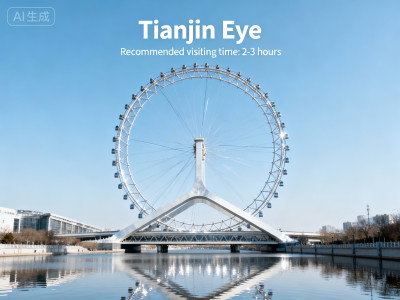
The Tianjin Eye stands as an iconic landmark in Tianjin offering breathtaking panoramic views of the city from 120 meters above the Hai River Completed in 2008 this engineering marvel combines modern architecture with traditional Chinese design elements The Ferris wheel features 48 transparent passenger capsules each accommodating up to 8 people providing a comfortable 30minute rotation that showcases Tianjins stunning skyline historical architecture and the winding Hai River The structure illuminates beautifully at night with colorful LED lights creating a mesmerizing spectacle against the citys backdrop
 Tianjn
Italian Style Town
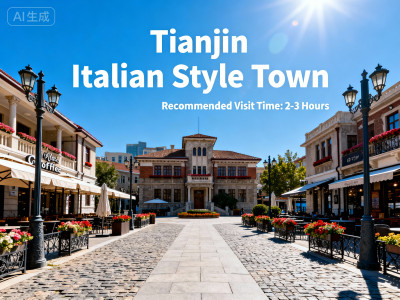
Italian Style Town also known as Italian Concession Area is a beautifully preserved historical district in Tianjin that showcases the citys unique colonial heritage During the late 19th and early 20th centuries Tianjin was home to nine foreign concessions established by various Western powers and Japan The Italian concession established in 1902 was one of the smallest but most architecturally significant areas Today this district has been meticulously restored to recreate the ambiance of a traditional Italian town with cobblestone streets Mediterraneanstyle buildings and European plazas The area covers approximately 28000 square meters and features over 200 Europeanstyle buildings including villas churches and commercial structures that blend Italian Renaissance architecture with local Chinese elements This unique fusion creates a fascinating cultural landscape where East meets West in architectural harmony
 Tianjn
Tianjin Art Museum
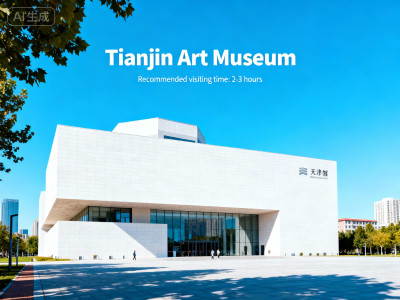
The Tianjin Art Museum is a worldclass art institution located in the heart of Tianjin within the prestigious Five Great Avenues historical district Housed in a beautifully restored colonialera building that dates back to the early 20th century the museum offers visitors an exceptional journey through Chinese and international art The museums collection spans from ancient Chinese artifacts to contemporary masterpieces with particular emphasis on modern Chinese art from the 20th and 21st centuries The architecture itself is a work of art blending European neoclassical elements with Chinese decorative motifs reflecting Tianjins unique history as an international treaty port The museum regularly hosts temporary exhibitions featuring works from renowned artists around the world making it a dynamic cultural hub in northern China
 Tianjn
Grand Mosque
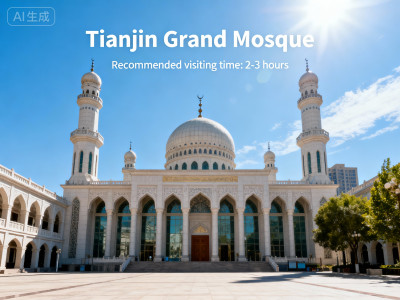
Tianjin Grand Mosque is a stunning architectural masterpiece that beautifully blends traditional Chinese temple design with Islamic religious elements. Built during the Qing Dynasty in 1644, this mosque has served as the spiritual center for Tianjins Muslim community for over 370 years. The complex covers approximately 5,000 square meters and features a harmonious integration of Chinese courtyard style with Islamic architectural principles. The main prayer hall faces Mecca and is adorned with intricate Arabic calligraphy and traditional Chinese decorative elements. The mosque represents the long history of Muslim presence in Tianjin, which dates back to the Yuan Dynasty when Muslim merchants traveled along the Grand Canal. Today, it remains an active place of worship while also welcoming visitors to appreciate its cultural and architectural significance. The peaceful atmosphere within the mosque walls provides a serene escape from the bustling city outside.
 Tianjn
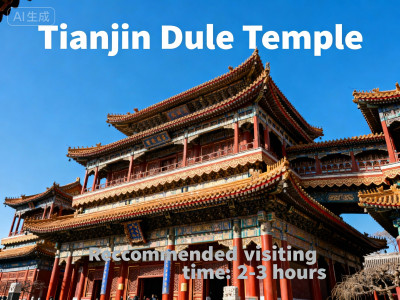
Dule Temple
Dule Temple, also known as the Temple of Solitary Joy, is one of the oldest and most important Buddhist temples in northern China. Located in Jizhou District of Tianjin, this temple was originally built during the Tang Dynasty (618-907 AD) and has been reconstructed several times throughout history. The temple is renowned for its exquisite wooden architecture that has survived for over a thousand years without the use of nails. The main hall, Guanyin Pavilion, houses a magnificent 16-meter-tall clay statue of the Goddess of Mercy, Guanyin, which is considered one of the largest and oldest clay Buddhist statues in China. The temple complex reflects the architectural styles of the Liao Dynasty (907-1125 AD) and showcases the evolution of Chinese Buddhist art and architecture through different dynasties. Dule Temple stands as a testament to China's rich religious heritage and architectural ingenuity, offering visitors a glimpse into ancient Chinese spiritual practices and artistic achievements.
 Tianjn
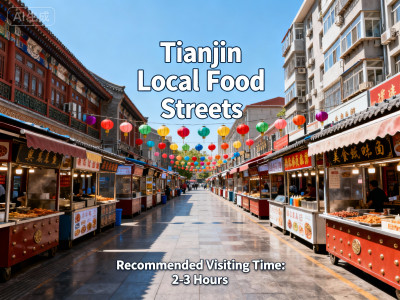
Tianjin Local Food Streets
Tianjin Local Food Streets represent the vibrant culinary heart of this historic port city offering an authentic taste of northern Chinese cuisine with distinctive Tianjin flavors These food streets preserve centuriesold cooking traditions while embracing modern culinary innovations creating a dynamic gastronomic experience that reflects Tianjins rich history as a trading hub and cultural melting pot
 Tianjn
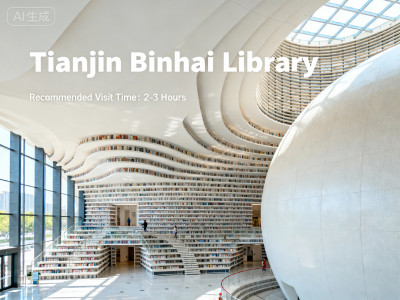
Tianjin Binhai Library
Designed by the renowned Dutch architectural firm MVRDV in collaboration with Tianjin Urban Planning and Design Institute the Tianjin Binhai Library opened in 2017 as part of the Binhai Cultural Center The buildings most striking feature is its spherical auditorium known as The Eye which appears to be a giant glowing eyeball at the center of the space The terraced bookshelves that cascade from floor to ceiling create a mesmerizing wave like pattern that has made this library one of the most photographed buildings in China Beyond its stunning aesthetics the library serves as a comprehensive cultural center housing over 12 million books reading areas childrens sections multimedia rooms and exhibition spaces The design cleverly incorporates natural light through the curved glass facade while the white interior with its flowing contours creates a serene atmosphere for reading and contemplation This architectural wonder represents Tianjins transformation into a modern cosmopolitan city while maintaining its commitment to education and culture
 Tianjn
TEDA Modern Art Museum
TEDA Modern Art Museum stands as a beacon of contemporary art in northern China, located within the vibrant Tianjin Economic-Technological Development Area. This architectural marvel combines sleek modern design with functional exhibition spaces, creating an immersive environment for experiencing cutting-edge art. The museum focuses on showcasing works that challenge traditional boundaries, featuring experimental installations, digital media art, conceptual photography, and avant-garde sculptures. With rotating exhibitions that highlight both established and emerging artists, TEDA serves as a cultural bridge between Chinese contemporary art and global artistic movements. The museums commitment to innovation extends beyond its exhibitions to include interactive workshops, artist talks, and educational programs that engage visitors of all ages with the dynamic world of modern art.
 Tianjn
Tianjin Radio Television Tower
Standing at 4152 meters tall the Tianjin Radio Television Tower is the fourth tallest freestanding tower in the world and the second tallest in China Completed in 1991 this magnificent structure combines broadcasting functions with tourism facilities The towers unique design features a circular pod at 253 meters above ground which houses observation decks restaurants and entertainment venues From the observation deck visitors can enjoy breathtaking 360degree panoramic views of Tianjin city the Haihe River and surrounding areas The tower is especially spectacular at night when its illuminated structure creates a stunning visual landmark against the city skyline
 Jinan
Jufengde Restaurant
Jufengde is a historic restaurant specializing in classic Shandong cuisine, particularly known for its Jinan-style roast duck and traditional banquet dishes. The establishment maintains time-honored cooking techniques and recipes passed down through generations.
 Jinan
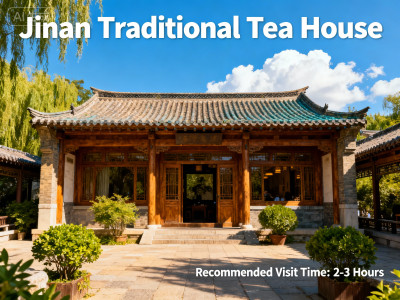
Traditional Tea House
Jinan Traditional Tea House offers an immersive journey into Chinas ancient tea culture in the heart of the Spring City Known as the City of Springs Jinans pure spring water makes it the perfect place to appreciate fine tea This traditional tea house preserves centuries old tea ceremonies and brewing techniques providing visitors with a serene escape from modern life The experience combines tea tasting cultural education and relaxation in an authentic setting decorated with classical Chinese furniture calligraphy and tea ceremony artifacts
 Jinan
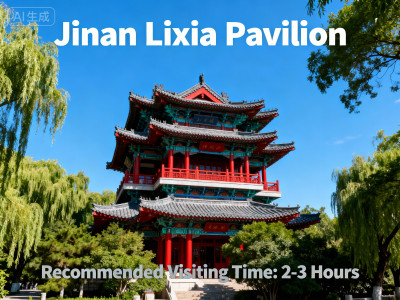
Lixia Pavilion
Lixia Pavilion is one of the most famous historical landmarks in Jinan, known as the City of Springs. Originally built during the Northern Wei Dynasty (386-534 AD), the pavilion has been rebuilt and renovated multiple times throughout history. The current structure dates back to the Qing Dynasty. The pavilion's name 'Lixia' comes from the ancient name of Jinan during the Spring and Autumn Period. The pavilion gained its greatest fame from the Tang Dynasty poet Du Fu's famous line 'At Lixia Pavilion, I meet many old friends' in his poem 'Accompanying Li the Imperial Historian on a Visit to Lixia Pavilion'. The pavilion stands on a small island in Daming Lake, surrounded by willow trees and lotus flowers, creating a picturesque scene that perfectly represents Jinan's reputation as a city of water and springs. The architecture features traditional Chinese wooden construction with upturned eaves and intricate carvings, typical of classical Chinese garden architecture.
 Jinan
Lakeside Restaurant
Lakeside Restaurant offers a unique culinary journey where traditional Shandong cuisine meets breathtaking lake views. Located on the shores of Daming Lake, this restaurant combines exquisite dining with the natural beauty of Jinan's most famous water feature. The restaurant specializes in authentic Lu cuisine, one of China's eight great culinary traditions, featuring fresh local ingredients and time-honored cooking techniques. The elegant interior design incorporates traditional Chinese elements with modern comfort, while the outdoor terrace provides panoramic views of the lake's shimmering waters, weeping willows, and traditional pavilions. During your meal, you can watch traditional boats gliding across the water and enjoy the gentle breeze that has made Jinan famous as the City of Springs.
 Jinan
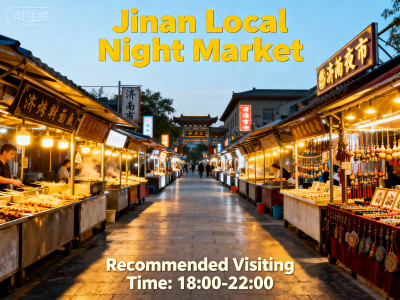
Local Night Market
The Jinan Local Night Market is a sensory feast that comes alive after sunset offering an authentic taste of Shandong provinces rich culinary heritage As the capital of Shandong Province Jinan boasts a night market scene that perfectly blends traditional flavors with contemporary street food trends The market stretches through lively streets filled with the aromas of sizzling meats steaming dumplings and sweet treats creating an unforgettable evening experience for both locals and visitors alike This vibrant gathering place showcases the warmth and hospitality of Jinans people while providing a window into the citys daily life and food culture
 Jinan
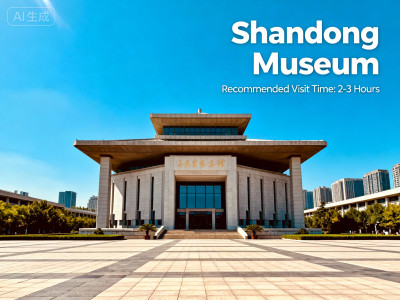
Shandong Museum
The Shandong Museum located in Jinan is one of Chinas most important provincial museums established in 1954 and moved to its current modern facility in 2010 The museum covers an area of 83000 square meters with 21000 square meters of exhibition space It houses an extraordinary collection that tells the story of Shandong Province from prehistoric times through the dynastic periods to modern China The museums architecture itself is a masterpiece combining traditional Chinese elements with contemporary design featuring a distinctive roof that resembles the character for mountain 山 reflecting Shandong meaning East of the Mountains The collection includes priceless artifacts from the Neolithic Dawenkou and Longshan cultures exquisite bronzes from the Shang and Zhou dynasties magnificent Han dynasty stone carvings and ceramics from various periods One of the museums most famous treasures is the Eastern Han Dynasty stone reliefs depicting scenes of daily life mythology and historical events The museum also features an impressive collection of Buddhist art including statues from the Northern Wei and Tang dynasties The exhibitions are thoughtfully curated with excellent English explanations making it accessible to international visitors The museum serves not only as a repository of cultural heritage but also as an educational center promoting understanding of Shandong rich history and its significant role in Chinese civilization
 Jinan
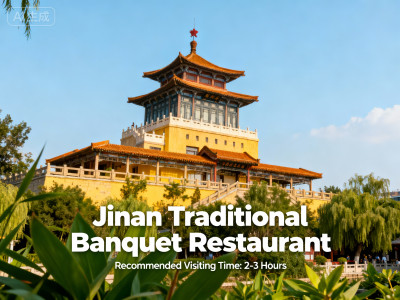
Traditional Banquet Restaurant
This traditional banquet restaurant in Jinan offers an immersive journey into Shandong cuisine, one of Chinas eight major culinary traditions. Known as Lu cuisine, Shandong food is characterized by its emphasis on fresh seafood, tender meats, and aromatic seasonings. The restaurant specializes in recreating the elaborate banquet traditions that date back to the Spring and Autumn Period, when Confucius emphasized the importance of food and dining rituals. The experience includes multiple courses served in a specific sequence, each dish telling a story about Shandong culture and history. The restaurant features traditional Ming and Qing dynasty architectural elements, with private dining rooms arranged around central courtyards, creating an atmosphere that transports guests back to ancient China. The chefs use time-honored cooking techniques passed down through generations, including braising, stewing, and quick-frying, while emphasizing the Confucian principle of harmony in flavors and presentation.
 Jinan
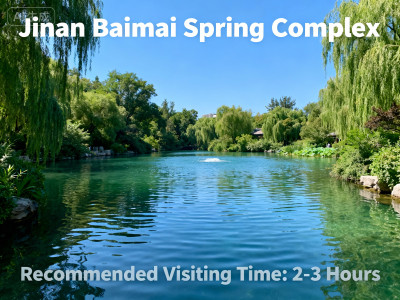
Baimai Spring Complex
Baimai Spring Complex also known as White Horse Spring is a magnificent natural spring system located about 20 kilometers west of Jinans city center The spring gets its name from an ancient legend about a white horse that discovered the spring water The complex features multiple spring pools with water so clear you can see to the bottom where bubbles continuously rise like strings of pearls The water maintains a constant temperature around 18 degrees Celsius throughout the year making it refreshing in summer and warm in winter The spring water flows into the nearby Xiaoqing River creating a picturesque landscape of bridges pavilions and ancient trees The surrounding area features traditional Chinese architecture including the Baimai Temple which dates back to the Ming Dynasty The spring complex represents the perfect harmony between natural beauty and human cultivation that characterizes Jinans famous spring culture
 Jinan
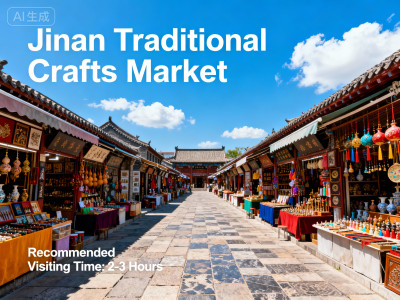
Traditional Crafts Market
The Traditional Crafts Market in Jinan is a living museum of Shandong's artisanal traditions, where ancient craftsmanship meets modern appreciation. Located in the heart of Jinan, this market serves as a cultural bridge connecting visitors with centuries-old techniques passed down through generations. The market features master artisans practicing traditional skills including paper cutting, dough figurine sculpting, shadow puppetry, woodblock printing, and intricate embroidery. Each stall tells a story of cultural preservation, with craftspeople often demonstrating their techniques while sharing the historical significance of their art forms. The market atmosphere buzzes with creative energy, filled with the sounds of artisans at work, the vibrant colors of traditional textiles, and the earthy scents of natural materials. Beyond being a shopping destination, it's an educational experience where visitors can witness the transformation of raw materials into exquisite works of art, understanding the patience, skill, and cultural knowledge required for each craft.
 Jinan
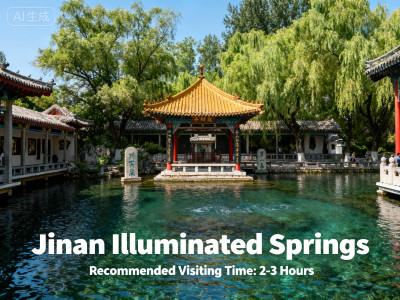
Illuminated Springs
The Illuminated Springs of Jinan represent one of Chinas most enchanting urban natural wonders where the citys famous spring water is transformed into a luminous spectacle after sunset Located in the heart of Jinan known as the City of Springs this attraction showcases the unique geological phenomenon of natural springs that have been flowing for thousands of years During the day visitors can appreciate the crystal clear spring water but as darkness falls the entire area undergoes a magical transformation Strategic lighting installations illuminate the bubbling springs creating shimmering reflections that dance across the water surface The most famous illuminated springs include Baotu Spring Black Tiger Spring and Pearl Spring each with its own unique lighting design that highlights their distinct characteristics The warm mineral-rich water maintains a constant temperature year-round creating misty vapors that interact beautifully with the colored lights making the scene appear almost mystical This attraction perfectly blends natural beauty with modern technology offering visitors an unforgettable sensory experience that captures the essence of Jinsan as both an ancient water city and a modern cultural destination
 Shenyang
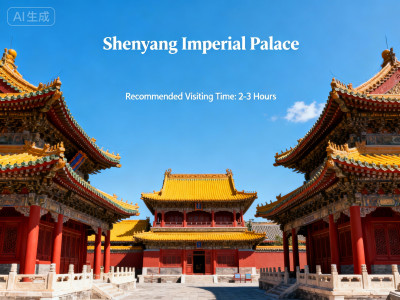
 Imperial Palace
The Shenyang Imperial Palace also known as Mukden Palace is the only existing royal palace in China outside the Forbidden City in Beijing Built between 1625 and 1636 by Nurhaci the founder of the Qing Dynasty and his son Hong Taiji this magnificent complex served as the imperial residence and administrative center for the early Qing rulers before they conquered the rest of China and moved the capital to Beijing The palace represents a unique fusion of Manchu Tibetan and Han Chinese architectural styles reflecting the multicultural nature of the Qing Empire Covering an area of 60000 square meters with over 300 rooms the complex is divided into three main sections the eastern section with its distinctive octagonal Dazheng Hall where important ceremonies were held the central section with the emperors living quarters and administrative buildings and the western section added later by Emperor Qianlong The palace houses an extensive collection of Qing Dynasty artifacts including imperial robes weapons musical instruments and precious artworks In 2004 it was designated as a UNESCO World Heritage Site as an extension of the Imperial Palaces of the Ming and Qing Dynasties
 Shenyang
Imperial Street
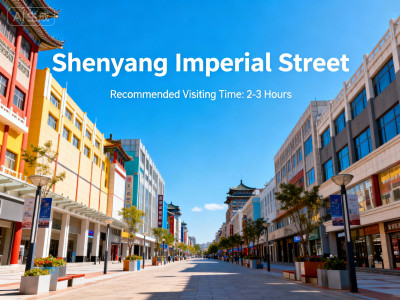
Imperial Street also known as Shenyang Zhongjie is one of the oldest and most famous commercial streets in Northeast China Located in the heart of Shenyang this pedestrian street stretches for about 1500 meters and dates back to the Qing Dynasty The street perfectly blends traditional Chinese architecture with modern commercial development creating a unique atmosphere where history meets contemporary life As you walk along Imperial Street youll notice the distinctive Qing Dynasty style buildings with their curved roofs intricate wood carvings and traditional Chinese architectural elements The street was originally developed during the reign of Emperor Nurhaci the founder of the Qing Dynasty and served as a major commercial hub connecting the Imperial Palace with the rest of the city Today it remains a vibrant shopping and cultural destination where visitors can experience both Shenyangs historical legacy and its modern urban life
 Shenyang
 Old City Walls
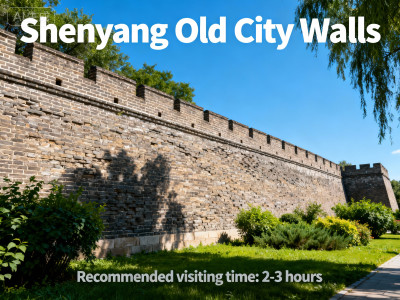
The Shenyang Old City Walls represent one of the most significant historical landmarks in Northeast China, serving as the original defensive fortifications of Shenyang during the Ming and Qing dynasties. These walls were constructed in the 14th century and played a crucial role in the rise of the Qing Dynasty, as Shenyang served as the early capital before the Manchu rulers moved to Beijing. The walls originally formed a square-shaped enclosure with eight gates, stretching approximately 10 kilometers in circumference and standing about 11 meters high. While much of the original structure has been lost to time and urban development, several restored sections and gates remain as testament to Shenyang's historical importance as the political and military center of Manchuria. The walls showcase traditional Chinese military architecture with their massive rammed earth construction, brick facing, and strategic gate towers that once controlled access to the city.
 Shenyang
Fuling Tomb
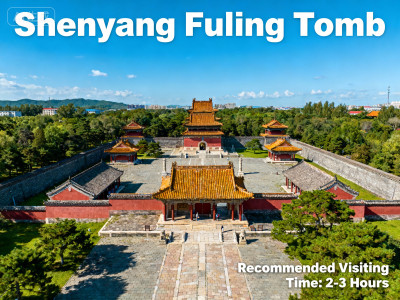
Fuling Tomb is one of the three imperial tombs in Shenyang collectively known as the Three Tombs of the Qing Dynasty in Shenyang Built between 1629 and 1651 this magnificent mausoleum complex represents the early Manchu architectural style before they fully adopted Chinese traditions The tomb complex covers approximately 500000 square meters and is divided into three main sections the front section middle section and rear section The site features a unique combination of Manchu and Han architectural elements with distinctive features like the 108 steps representing the 108 stars of the Big Dipper in Manchu cosmology The tomb was inscribed as a UNESCO World Heritage Site in 2004 as part of the Imperial Tombs of the Ming and Qing Dynasties
 Shenyang
Zhaoling Tomb
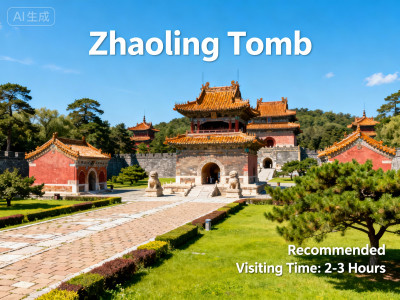
Zhaoling Tomb, also known as the North Mausoleum, is the burial site of Emperor Huang Taiji (1592-1643) and his empress Xiaoduanwen. As the second emperor of the Qing Dynasty, Huang Taiji played a crucial role in consolidating Manchu power and laying the foundation for the Qing conquest of China. The tomb complex represents a masterpiece of early Qing architecture, blending traditional Manchu burial customs with Chinese imperial tomb design principles. Covering an area of 450 hectares, Zhaoling is the largest and most complete imperial tomb in Northeast China. The site features a perfect harmony of architecture and nature, with pine forests, stone statues, ceremonial halls, and the sacred burial mound arranged along a central axis according to Feng Shui principles. The tomb's design reflects the cultural integration between Manchu and Han civilizations during the early Qing period, making it not just a burial site but a symbol of cultural fusion and imperial power.
 Shenyang
North Temple
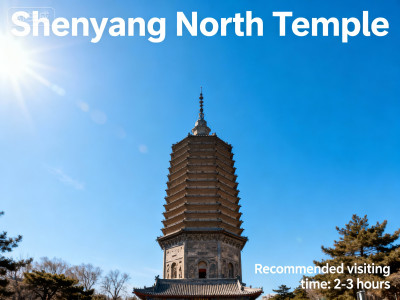
North Temple officially named Beita Temple is a magnificent Buddhist temple complex located in Shenyang Liaoning Province Originally built during the Qing Dynasty in the 17th century the temple has undergone several renovations and expansions throughout its history The temple complex features traditional Chinese Buddhist architecture with multiple halls pavilions and courtyards arranged in a symmetrical layout The main hall houses impressive statues of Buddha and other Buddhist deities while the surrounding gardens provide a peaceful retreat from the bustling city The temple is particularly famous for its ancient pagoda which stands as a landmark visible from various parts of the city North Temple serves as an active place of worship for local Buddhists and also functions as an important cultural heritage site that showcases the rich religious history of Northeast China
 Shenyang
Tiexi Industrial Zone
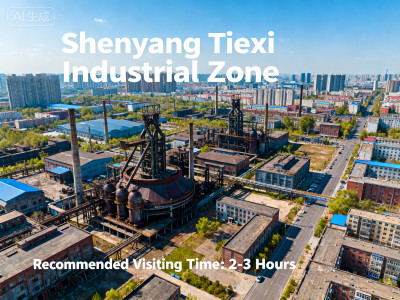
Tiexi Industrial Zone known as the Oriental Ruhr is the birthplace of modern Chinese industry Located in western Shenyang this vast industrial complex was once the largest and most comprehensive industrial base in Asia Established during the Japanese occupation in the 1930s and expanded significantly during the Sovietassisted industrialization of the 1950s Tiexi became the heart of Chinas heavy industry producing everything from machine tools and locomotives to military equipment and consumer goods At its peak in the 1980s the zone employed over one million workers and contributed significantly to Chinas economic development Today this transformed industrial landscape stands as a testament to Chinas industrial heritage with repurposed factories creative art districts and museums that tell the story of Chinas journey from industrial powerhouse to modern economic giant The zones unique blend of Sovietinspired architecture Japanese colonial structures and Chinese industrial design creates a fascinating urban landscape where rusting machinery coexists with contemporary art galleries and where the echoes of factory whistles mingle with the sounds of creative innovation
 Shenyang
September 18th Historical Museum
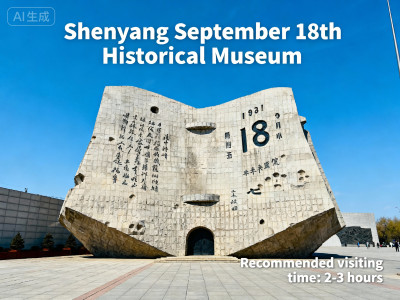
The September 18th Historical Museum also known as the 918 Museum is a solemn memorial site built on the exact location where the Mukden Incident occurred on September 18 1931 This incident marked the beginning of Japans fullscale invasion of Northeast China and the start of the 14year War of Resistance Against Japanese Aggression The museum complex features a massive openair exhibition with a striking monument shaped like an open calendar page frozen on September 18 1931 Inside the museum visitors will find extensive collections of historical photographs documents artifacts and multimedia presentations that chronicle the events leading up to the incident the subsequent Japanese occupation and the heroic resistance of the Chinese people The exhibitions are arranged chronologically starting from the historical background of Northeast China the planning and execution of the Mukden Incident the establishment of the puppet state of Manchukuo and culminating with the eventual liberation and victory The museums design incorporates symbolic elements throughout including the main monument which represents a torn page of history and the underground exhibition halls that symbolize the darkness of occupation and the resilience of the Chinese spirit
 Shenyang
 Industrial Museum
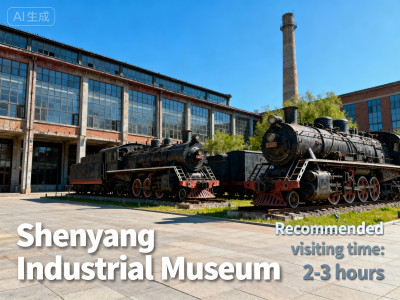
The Shenyang Industrial Museum stands as a monumental tribute to Chinas industrial heritage housed within a beautifully restored factory complex that once produced heavy machinery for the nations development Located in the Tiexi District the heart of Shenyangs industrial zone this museum offers an immersive experience into the machinery technology and human stories that powered Chinas transformation from an agricultural society to an industrial powerhouse The museums collection spans over 30000 square meters featuring massive industrial equipment vintage machinery historical photographs and interactive exhibits that bring to life the sweat determination and innovation of Chinese workers during the 20th century
 Shenyang
Liaoning Provincial Museum
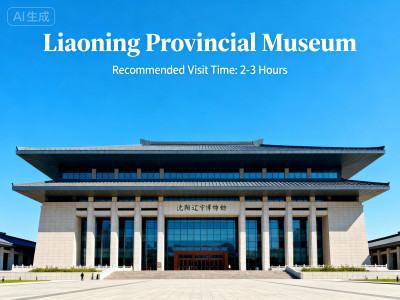
Liaoning Provincial Museum established in 1949 is one of Chinas first museums and the largest comprehensive museum in Northeast China The museum houses an impressive collection of over 120000 cultural relics including bronzes ceramics jade lacquerware calligraphy paintings and archaeological finds The exhibitions are organized chronologically from prehistoric times through the Qing Dynasty with special emphasis on the Liao Jin and Qing periods reflecting Liaonings unique position as a crossroads of various ethnic cultures The museums architecture combines traditional Chinese elements with modern design creating a spacious and elegant environment for cultural exploration Among its most prized possessions are artifacts from the Hongshan Culture one of Chinas earliest Neolithic cultures as well as exquisite collections from the Liao Dynasty tombs and Qing imperial treasures The museum serves not only as a repository of historical artifacts but also as a cultural education center offering visitors deep insights into the rich heritage of Liaoning Province and Northeast China
 Shenyang
 Grand Theater
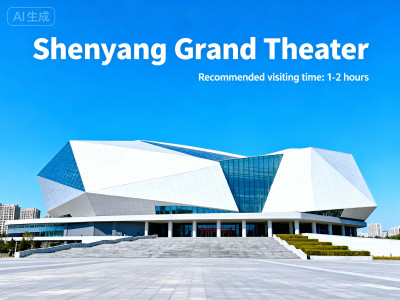
Shenyang Grand Theater stands as one of the most important cultural institutions in Northeast China, representing the fusion of modern architecture with traditional performing arts. Opened in 2005, this state-of-the-art facility covers approximately 85,000 square meters and serves as the cultural heart of Shenyang, the capital of Liaoning Province. The theaters distinctive design features a striking glass facade that resembles a crystal palace, symbolizing the citys commitment to artistic excellence and cultural development. Inside, visitors discover world-class acoustics, advanced stage technology, and elegant interiors that create the perfect environment for experiencing both traditional Chinese performances and international productions. As the main venue for the Shenyang International Music Festival and numerous cultural exchanges, the theater plays a crucial role in promoting cultural dialogue between China and the world while preserving and showcasing the rich artistic heritage of Northeast China.
 Shenyang
 Middle Street
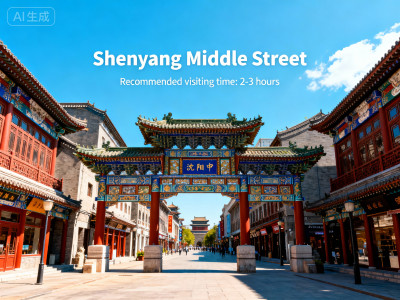
Shenyang Middle Street, also known as Zhongjie, is a 1500-meter-long pedestrian street that dates back to the Ming Dynasty. Established in 1625 during the Qing Dynasty, it served as the commercial heart of Shenyang and witnessed the citys transformation from a Manchu capital to a modern metropolis. The street features a unique blend of historical architecture, traditional Chinese shops, and modern retail establishments. Walking along Middle Street, visitors can experience the evolution of Chinese commerce through centuries, from traditional tea houses and silk shops to contemporary fashion boutiques and international brands. The street is particularly famous for its preserved Qing Dynasty architecture, including traditional courtyard houses and shopfronts that have been meticulously restored to their original glory. During festivals, the street comes alive with traditional performances, lantern displays, and cultural activities that celebrate Shenyangs rich heritage.
 Shenyang
Manchu Cultural Museum
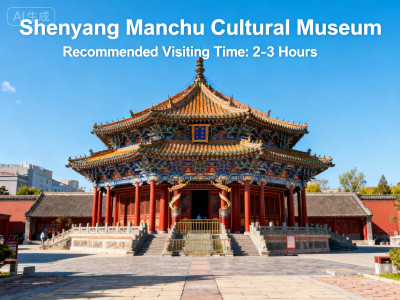
Located in the heart of Shenyang, the former capital of the Qing Dynasty, the Manchu Cultural Museum offers an immersive journey into the history, traditions, and lifestyle of the Manchu ethnic group. The museum houses an extensive collection of artifacts, documents, and exhibits that trace the rise of the Manchu people from their origins in Northeast China to their establishment of the Qing Dynasty, which ruled China for nearly three centuries from 1644 to 1912. The museum building itself reflects traditional Manchu architectural styles, with distinctive features like the kang heated platform beds and intricate wood carvings. Visitors can explore the evolution of Manchu culture, from their nomadic roots to their sophisticated court traditions, and understand how this minority group shaped Chinese history and culture during their reign.
 Shenyang
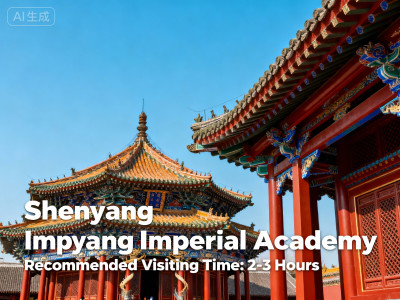
 Imperial Academy
The Shenyang Imperial Academy, also known as Shengjing Imperial Academy, was established in 1636 during the early Qing Dynasty by Emperor Hong Taiji. As the highest educational institution in Manchuria, it played a crucial role in cultivating officials and scholars for the Qing government. The academy was designed to educate the children of Manchu nobility and prepare them for imperial examinations and government service. The complex features traditional Chinese architecture with distinct Manchu characteristics, including the main hall where Confucian classics were taught, examination halls, and living quarters for scholars. During its peak, the academy attracted students from across Northeast China and served as a cultural and educational center that helped integrate Manchu and Han Chinese traditions. The site represents the Qing Dynasty's efforts to establish a proper Confucian education system in their ancestral homeland while maintaining their unique Manchu identity.
 Changchun
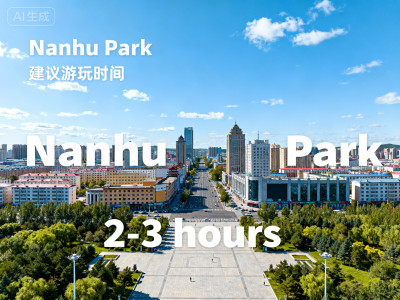
 City Center
Changchun City Center represents the cultural and historical core of Jilin Province's capital city. Originally established as the capital of the Japanese puppet state of Manchukuo from 1932 to 1945, the city center retains remarkable architectural heritage from this period alongside Soviet-era influences and contemporary Chinese development. The area is characterized by wide boulevards, European-style buildings, and a distinctive urban layout that reflects its complex history. Today, it serves as the commercial, cultural, and administrative hub of Changchun, offering visitors a fascinating journey through 20th century Chinese history while providing modern amenities and vibrant city life.
 Changchun
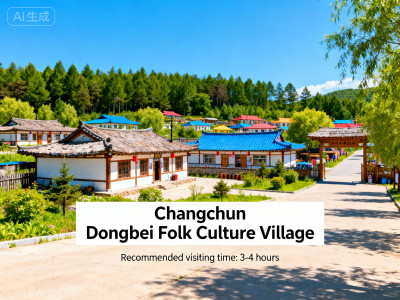
Dongbei Folk Culture Village
This village is a recreated traditional Dongbei settlement where visitors can experience the distinct culture of Northeast China. It features authentic Manchurian-style buildings, folk art demonstrations, and areas dedicated to regional culinary traditions, including opportunities to observe and learn about Dongbei cuisine.
 Changchun
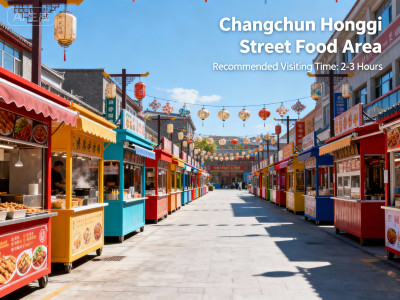
Hongqi Street Food Area
Hongqi Street Food Area is Changchuns premier culinary destination where traditional Northeastern Chinese cuisine meets modern street food culture. This bustling food street stretches along Hongqi Street and its surrounding alleys, offering an authentic taste of Jilin Provinces gastronomic heritage. As the capital of Northeast Chinas Jilin Province, Changchun has developed a unique food culture influenced by Manchu traditions, Korean flavors, and Russian culinary elements. The Hongqi Street Food Area perfectly encapsulates this diverse heritage with its wide array of street vendors, small eateries, and specialty food shops. During the day, the area serves as a local market where residents shop for fresh ingredients and traditional snacks. As evening falls, the street transforms into a lively food paradise illuminated by colorful lanterns and neon signs, with the aroma of sizzling meats, steaming dumplings, and spicy noodles filling the air. The food area is particularly famous for its winter specialties, reflecting Changchuns cold climate with hearty, warming dishes that have sustained locals through harsh winters for generations. From traditional hot pots to grilled skewers and sweet treats, every stall tells a story of Northeast Chinas culinary evolution. The atmosphere is always vibrant, with locals and tourists mingling, sharing tables, and enjoying the communal dining experience that defines Chinese street food culture. The area also serves as a cultural hub where traditional food preparation techniques are preserved and passed down through generations of family-run businesses.
Want the days already arranged?
Open the guidebook