The places index · 505 places
Places worth
Landmarks with a story, neighbourhood corners with a slower pace and natural places that deserve more than a photograph. Use this index as a starting point, not a checklist.
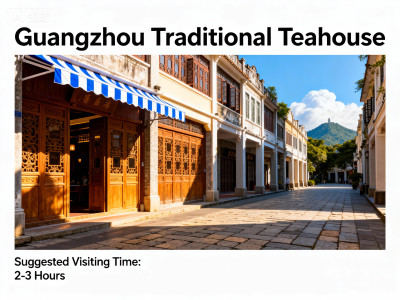 Guangzhou
Traditional Teahouse
Guangzhous traditional teahouses represent the heart of Cantonese culture where tea is not just a beverage but a way of life These establishments have been social hubs for centuries serving as meeting places for business discussions family gatherings and cultural exchanges The teahouse experience in Guangzhou is unique with its distinctive yum cha tradition which literally means drink tea but encompasses the entire ritual of enjoying tea with dim sum snacks The architecture often features traditional Lingnan style with wooden carvings antique furniture and serene courtyards creating an atmosphere that transports visitors back to ancient times
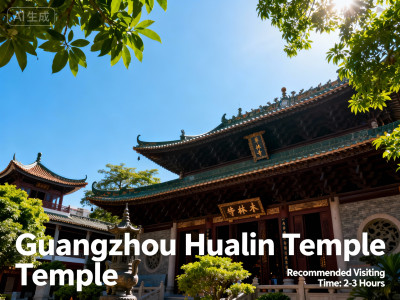 Guangzhou
Hualin Temple
Hualin Temple also known as Hualin Chan Temple is a historic Buddhist temple located in the Liwan District of Guangzhou Guangdong Province Established during the Liang Dynasty in 526 AD during the reign of Emperor Wu of Liang it is one of the four great Buddhist temples of Guangzhou along with Guangxiao Temple Liurong Temple and Haizhuang Temple The temple has undergone numerous reconstructions throughout its history with the current structures mainly dating from the Qing Dynasty 16441912 The temple complex covers an area of approximately 14000 square meters and features traditional Chinese temple architecture with elegant halls courtyards and gardens Hualin Temple is particularly famous for its Five Hundred Arhats Hall which houses 500 life size gilded clay statues of arhats Buddhist saints each with unique facial expressions and postures representing different aspects of enlightenment The temple serves as an active Buddhist monastery and cultural heritage site offering visitors a peaceful retreat from the bustling city while showcasing traditional Chinese Buddhist art and architecture
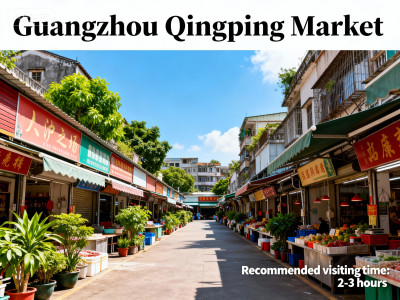 Guangzhou
Qingping Market
Qingping Market, established in the late Qing Dynasty, is a legendary open-air market located along the Pearl River in Guangzhou's historic Liwan District. This sprawling market covers several blocks and offers an authentic sensory experience of traditional Cantonese life. Known as the 'kitchen of Guangzhou,' it's where locals and chefs come to source the freshest ingredients, from exotic herbs and medicinal plants to live seafood and rare delicacies. The market is divided into sections specializing in different products - dried seafood and medicinal herbs in the northern section, fresh produce and meats in the central area, and traditional Chinese medicines in specialized shops. The atmosphere is lively and chaotic, with vendors calling out prices in Cantonese, the aroma of spices filling the air, and the sounds of bargaining creating a symphony of commerce. Qingping Market represents the heart of Guangzhou's food culture and serves as a living museum of traditional Chinese market practices that have remained largely unchanged for over a century.
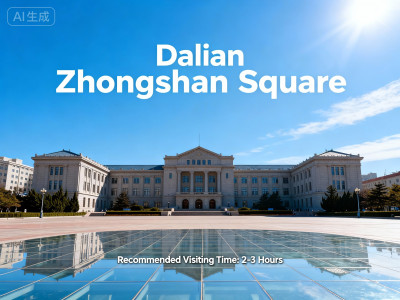 Dalian
Zhongshan Square
Zhongshan Square is one of Dalian's most iconic landmarks and the largest circular square in China. Built during the Russian colonial period in 1899 and further developed during Japanese occupation, the square features ten radiating streets and is surrounded by magnificent European-style buildings from different historical periods. The square is named after Dr Sun Yat-sen, the founding father of modern China, and serves as both a historical monument and a vibrant public space. The architectural ensemble around the square represents a unique fusion of Russian, Japanese, and Chinese influences, creating a living museum of Dalian's colonial past and modern development. The central area features beautiful gardens, fountains, and walking paths where locals gather for leisure activities, making it an essential destination for understanding Dalian's complex history and cosmopolitan character.
 Dalian
 Peoples Square
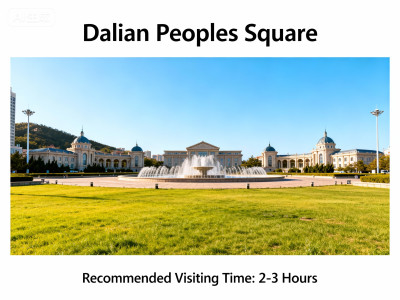
Dalian Peoples Square is the central public square and symbolic heart of Dalian city. Originally built during the Russian colonial period in 1899 as Nikolayevskaya Square, it was renamed after the establishment of the Peoples Republic of China. The square showcases a perfect blend of Russian architectural influence and modern Chinese urban planning. At its center stands the magnificent Dalian City Hall, an impressive Russian-style building with distinctive yellow walls and green roofs that serves as the citys administrative center. The square is surrounded by important government buildings, financial institutions, and commercial centers, making it the political and economic hub of Dalian. The meticulously landscaped gardens, fountains, and walking paths create a peaceful oasis amidst the bustling city. Every evening, the square comes alive with locals practicing tai chi, dancing, and socializing, offering visitors a genuine glimpse into Dalian urban life.
 Dalian
Bangchuidao Island
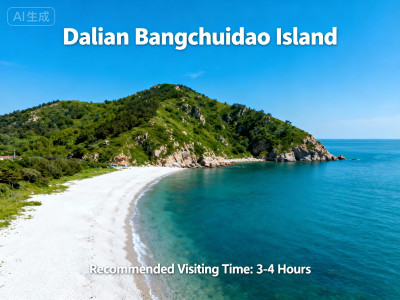
Bangchuidao Island also known as Drumstick Island is one of Dalians most iconic natural attractions located in the picturesque Binhai Road scenic area This unique island gets its name from its distinctive shape resembling a traditional Chinese drumstick with a large rock formation at one end and a smaller one at the other creating a fascinating geological wonder The island is surrounded by crystal clear waters and connected to the mainland by a narrow isthmus making it accessible during low tide The area features dramatic coastal cliffs lush vegetation and breathtaking ocean views that have made it a favorite destination for photographers nature lovers and tourists seeking Dalians natural beauty The islands geological composition tells a story of millions of years of coastal erosion and tectonic activity creating the unique drumstick shape that has become synonymous with Dalians coastline
 Dalian
 Discovery Kingdom
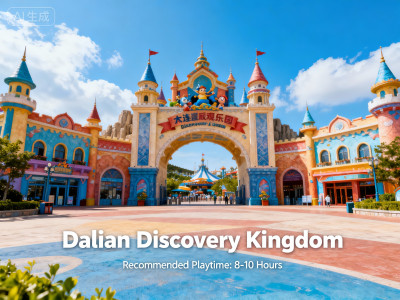
Dalian Discovery Kingdom is one of Northeast Chinas largest and most exciting theme parks located in the picturesque coastal city of Dalian This magnificent entertainment complex spans over 47 hectares and offers an unforgettable experience combining cutting-edge amusement rides with unique Chinese cultural elements The park features six distinct themed areas each with its own character and attractions making it a perfect destination for families thrill seekers and culture enthusiasts alike
 Dalian
 Botanical Garden
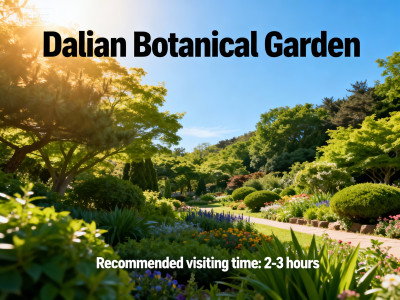
Dalian Botanical Garden established in 1920 is one of Northeast Chinas most important botanical research and conservation centers Spanning 32 hectares the garden features diverse plant collections from around the world with particular emphasis on temperate zone species The garden serves as both a scientific research facility and a public recreational space offering visitors a serene escape from the bustling city The layout combines traditional Chinese garden design with modern botanical displays creating a harmonious blend of nature and culture
 Dalian
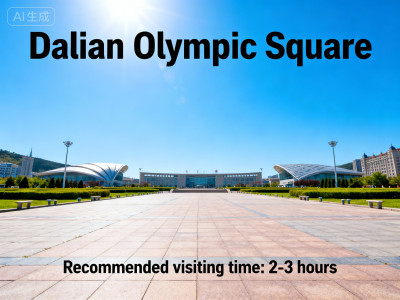
 Olympic Square
Dalian Olympic Square stands as a testament to Chinas Olympic spirit and Dalians transformation into a modern coastal metropolis. Built to commemorate the 2008 Beijing Olympics, this expansive 6-hectare waterfront plaza combines Olympic symbolism with traditional Chinese design elements. The square features a striking central monument resembling an Olympic torch, surrounded by 12 zodiac animal sculptures representing Chinese cultural heritage. As you walk along the promenade, youll enjoy panoramic views of Xinghai Bay and the iconic Xinghai Bridge, creating a perfect blend of urban architecture and natural beauty. The square serves as both a historical landmark and a vibrant public space where locals practice tai chi in the morning, families gather for evening strolls, and tourists marvel at the fusion of Olympic ideals with Chinese aesthetics. The surrounding area showcases Dalians development as a major port city and its role in Chinas modern economic growth.
 Dalian
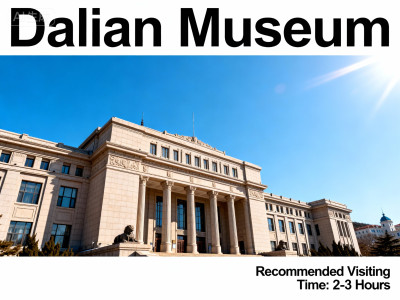
 Museum
Dalian Museum established in 1954 is a comprehensive museum that systematically presents the history culture and development of Dalian and the Liaodong Peninsula The museum building itself is an architectural masterpiece featuring a unique design that combines modern aesthetics with traditional elements The museum houses over 100000 cultural relics including ancient artifacts historical documents photographs and artworks that trace the regions development from prehistoric times through various dynasties to modern Dalian The exhibitions are thoughtfully curated with English explanations available making it accessible to international visitors The museum not only showcases historical artifacts but also presents the unique cultural heritage of Dalian including its maritime history port development colonial influences and modern transformation into one of Chinas most beautiful coastal cities
 Dalian
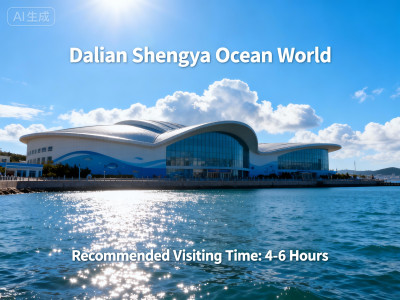
Shengya Ocean World
Shengya Ocean World is a magnificent marine life exhibition center that showcases the wonders of the ocean through innovative technology and immersive experiences Located in Xinghai Square area this stateoftheart facility spans over 35000 square meters and features the worlds longest underwater tunnel at 118 meters The oceanarium houses more than 300 species of marine animals including sharks dolphins sea turtles penguins and thousands of tropical fish The facility combines entertainment education and conservation offering visitors a chance to explore marine ecosystems from polar regions to tropical seas The architecture itself is impressive with its modern design blending seamlessly with Dalians coastal landscape making it both an educational destination and an architectural landmark
 Dalian
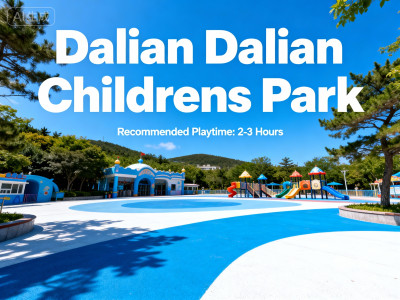
 Childrens Park
Dalian Childrens Park is a beautifully designed urban park specifically created for children and families. Located in the heart of Dalian, this park combines natural beauty with educational facilities, creating a perfect environment for children to learn, play, and explore. The park features extensive green spaces, interactive playgrounds, educational exhibits, and cultural activities that introduce children to Chinese traditions and modern science. With its emphasis on both fun and learning, the park has become a beloved destination for local families and tourists alike, offering a safe and stimulating environment where children can develop their creativity and physical abilities while experiencing Chinese culture.
 Dalian
Tianjin Street
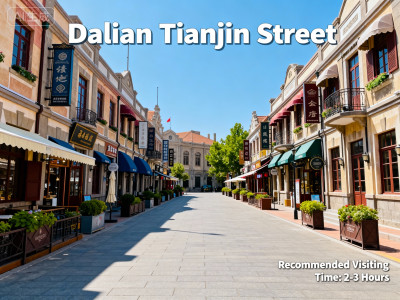
Tianjin Street is a historic commercial thoroughfare that dates back to the early 20th century when Dalian was under Russian and Japanese influence The street showcases a fascinating architectural fusion with European style buildings Japanese department stores and traditional Chinese shops all coexisting along its bustling length Originally developed during the Russian occupation in the late 19th century and further expanded during Japanese rule Tianjin Street became the commercial center of Dalian Today it remains a vibrant shopping destination where modern retail establishments stand alongside historic buildings creating a unique atmosphere that tells the story of Dalians multicultural past The street is particularly famous for its preserved architecture including the iconic Dalian Department Store building which exemplifies the blend of Eastern and Western design elements
 Dalian
Xinghai Square Seafood Market
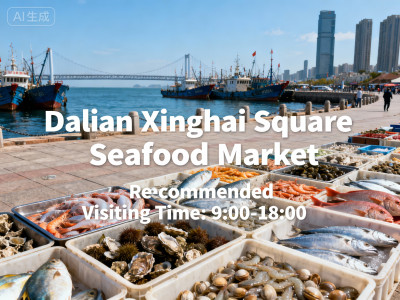
Xinghai Square Seafood Market is not just a marketplace but a cultural experience that showcases Dalians deep connection to the sea As one of Chinas most important port cities Dalian has a rich maritime heritage and this market brings that heritage to life The market operates in the shadow of the magnificent Xinghai Square one of the largest city squares in the world where the modern meets the traditional Here youll find an incredible array of seafood freshly caught from the Bohai Sea and Yellow Sea including Dalians famous sea cucumbers abalone scallops oysters crabs shrimp and countless varieties of fish The market atmosphere is electric with vendors calling out their wares the sound of live seafood splashing in tanks and the aroma of cooking food filling the air What makes this market special is its location it combines the excitement of seafood shopping with the breathtaking views of Xinghai Square and the coastline making it a perfect destination for both food enthusiasts and sightseers
 Dalian
Coastal Seafood Restaurant
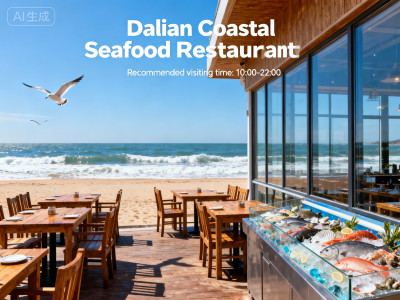
This restaurant specializes in serving fresh, locally-caught seafood in a coastal setting. Guests can enjoy traditional Dalian seafood dishes while overlooking the water.
 Dalian
Russian Street Bakery
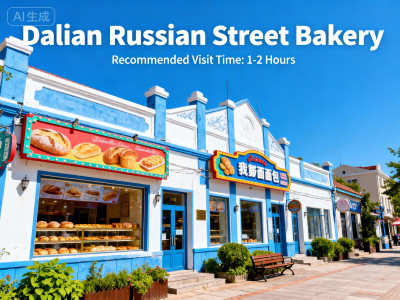
This bakery specializes in Russian-style baked goods, including black bread, pirozhki, and pastries, reflecting the area's historical Russian influence.
 Dalian
Tianjin Street Night Market
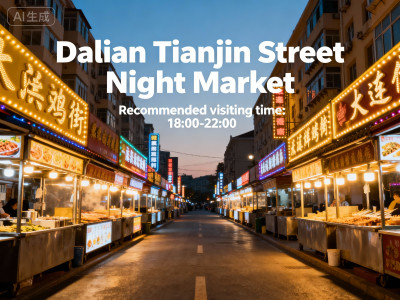
Tianjin Street Night Market is the beating heart of Dalians evening entertainment and culinary scene. Located in the historic Zhongshan District, this vibrant market transforms as the sun sets, coming alive with hundreds of food stalls, street performers, and local vendors. The market stretches along Tianjin Street, one of Dalians oldest commercial streets dating back to the early 20th century when Russian and Japanese influences shaped the citys architecture and culture. Here youll find a perfect fusion of Dalians maritime heritage and modern urban energy. The air fills with the tantalizing aromas of grilled seafood, sizzling skewers, and traditional Chinese snacks, while colorful lanterns and neon signs create a festive atmosphere. This is where locals and tourists alike gather to sample authentic Dalian street food, shop for souvenirs, and experience the citys lively night culture. The market showcases Dalians unique position as a port city with influences from Shandong cuisine, Korean flavors, and Russian culinary traditions all blending together in a delicious symphony of tastes.
 Dalian
Marine Delicacies Center
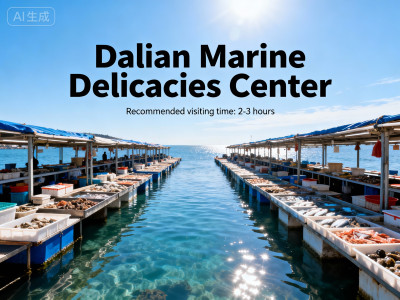
The Marine Delicacies Center in Dalian is not just a seafood market but a comprehensive cultural experience that celebrates the citys deep connection to the sea. Located in this vibrant port city of northeastern China, the center serves as both an educational hub and culinary destination where visitors can explore the incredible diversity of marine life from the Bohai Sea and Yellow Sea. Dalians history as a major fishing port and trading center comes alive here, with traditions dating back centuries when local fishermen would bring their daily catch to shore. The center beautifully blends modern aquaculture technology with time-honored fishing practices, offering insights into sustainable seafood production while showcasing the regions most prized delicacies. From live seafood tanks displaying exotic species to cooking demonstrations by master chefs, every aspect of marine cuisine is celebrated. The architecture itself reflects nautical themes, with wave-like structures and blue glass facades that evoke the surrounding ocean. This is where Dalians identity as a coastal city truly shines through its most delicious expressions.
 Dalian
 Culinary School
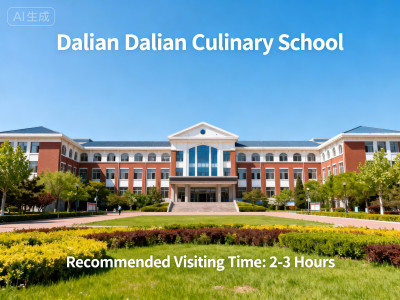
Dalian Culinary School is a specialized training center focused on Chinese and international cuisine techniques. While primarily an educational facility, it occasionally offers public workshops and demonstrations for culinary enthusiasts.
 Beijing
Palace Museum
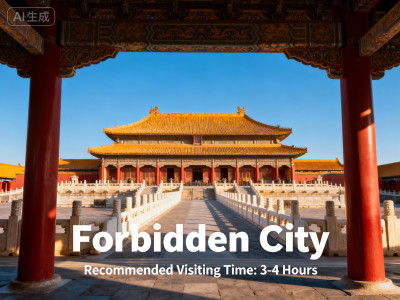
The Palace Museum also known as the Forbidden City is the worlds largest and best preserved ancient wooden architectural complex Located in the heart of Beijing it served as the imperial palace for 24 emperors during the Ming and Qing dynasties from 1420 to 1911 This UNESCO World Heritage Site covers 72 hectares with over 980 buildings containing more than 9000 rooms The complex is divided into the Outer Court for ceremonial purposes and the Inner Court for imperial living quarters The architectural design follows strict Confucian principles with yellow glazed roof tiles representing imperial power and red walls symbolizing good fortune and happiness Today it houses the Palace Museums extensive collection of imperial artifacts artworks and cultural relics offering visitors a glimpse into Chinas imperial past and traditional architecture
 Beijing
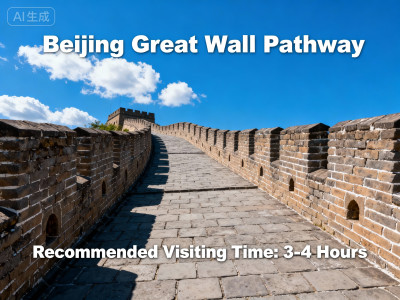
Great Wall Pathway
The Great Wall Pathway represents the quintessential Chinese cultural experience tracing the footsteps of emperors soldiers and merchants across centuries of history Stretching across rugged mountain ridges this UNESCO World Heritage site showcases the architectural brilliance of ancient China with its watchtowers battlements and strategic fortifications Originally constructed to protect Chinese states and empires from nomadic invasions the wall now stands as a symbol of national pride and human achievement The pathway winds through diverse landscapes from steep mountain passes to rolling hills offering panoramic views that change with the seasons Each section tells a unique story from the wellrestored Badaling to the wilder more authentic Jiankou where nature and history intertwine Visitors can feel the weight of history in every stone while marveling at the engineering that has withstood the test of time
 Beijing
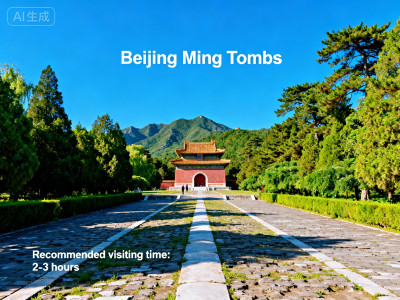
Ming Tombs
Nestled at the foot of Tianshou Mountain in Changping District, the Ming Tombs form a sacred valley of imperial burial sites spanning over 40 square kilometers. This grand necropolis served as the final resting place for 13 of the 16 Ming Dynasty emperors who ruled China from 1368 to 1644. The tombs are masterfully arranged according to Feng Shui principles, with the mountains providing protection and the valley offering tranquility. The complex follows a traditional Chinese architectural layout with a sacred way leading to each tomb, featuring stone statues of animals and officials guarding the eternal sleep of emperors. Only three tombs are open to the public: Changling, Dingling, and Zhaoling, each offering unique insights into Ming Dynasty burial customs, imperial architecture, and Chinese cosmology.
 Beijing
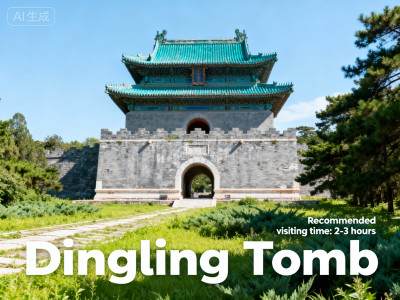
Dingling Tomb
Dingling Tomb, constructed between 1584 and 1590, represents one of the most significant archaeological discoveries in modern Chinese history. As the only Ming Dynasty imperial tomb that has been excavated and opened to the public, it offers a rare glimpse into the sophisticated burial practices and architectural achievements of the Ming era. The tomb complex follows traditional Chinese geomantic principles, with its layout carefully designed according to feng shui concepts to ensure harmony between heaven, earth, and humanity. The underground palace, discovered in 1956 and excavated in 1957, consists of five interconnected marble chambers arranged in a T-shape pattern, covering an area of 1,195 square meters. The main burial chamber houses three marble thrones for Emperor Wanli and his two empresses, along with numerous precious artifacts that reflect the artistic and cultural achievements of the late Ming period. The excavation revealed over 3,000 cultural relics, including exquisite gold and jade artifacts, silk textiles, porcelain, and personal items that provide invaluable insights into 16th-century Chinese court life, craftsmanship, and imperial traditions.
 Beijing
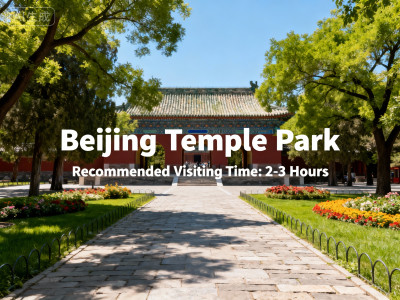
Temple Park Activities
Temple Park Activities in Beijing offer visitors a unique opportunity to immerse themselves in traditional Chinese culture within the serene settings of historic temple grounds. These activities represent living traditions that have been preserved for centuries, allowing participants to connect with China's rich spiritual and cultural heritage. From practicing Tai Chi at dawn to learning ancient calligraphy techniques, each activity provides a window into the philosophical and artistic traditions that have shaped Chinese civilization. The temple parks themselves serve as tranquil oases amidst Beijing's bustling urban landscape, featuring classical Chinese garden design with pavilions, rockeries, and water features that create harmonious environments for cultural exploration. These activities are led by experienced practitioners who share not only the techniques but also the philosophical foundations behind each tradition, making this experience both educational and spiritually enriching.
 Beijing
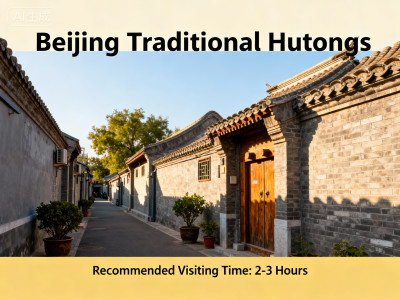
Traditional Hutongs
Beijing's hutongs are the city's ancient alleyway neighborhoods that date back to the Yuan Dynasty 13th century forming a labyrinth of narrow lanes courtyard homes and traditional architecture These historic residential areas represent the soul of old Beijing offering a glimpse into traditional Chinese family life community structure and architectural heritage The hutongs are organized around siheyuan traditional courtyard residences with gray brick walls gray tile roofs and wooden lattice windows creating a harmonious balance between human habitation and nature The name hutong comes from the Mongolian word for water well reflecting their original organization around water sources Today these neighborhoods serve as living museums where visitors can witness authentic Beijing lifestyle traditional crafts and centuriesold social customs
 Beijing
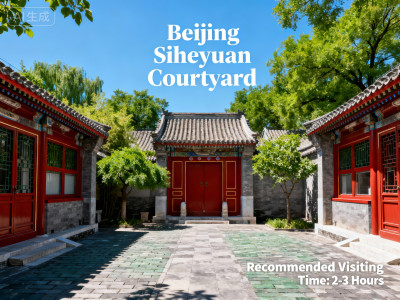
Siheyuan Courtyard
Siheyuan also known as Chinese quadrangles are traditional courtyard residences that have been an integral part of Beijing's urban landscape for over 700 years These symmetrical compounds represent the profound philosophy of Chinese architecture and family life The name Siheyuan literally means courtyard enclosed by buildings on four sides creating a harmonious square layout that follows Confucian principles of order hierarchy and family unity The typical Siheyuan consists of four main buildings arranged around a central courtyard with the main house facing south the most auspicious direction according to Feng Shui principles The layout reflects traditional Chinese social structure with the eldest family members occupying the main northern building while younger generations and servants lived in the side buildings Beyond their architectural significance Siheyuan courtyards served as microcosms of Chinese society where multiple generations lived together sharing meals stories and traditions within the enclosed private space Today these courtyards offer visitors a glimpse into old Beijing life with many converted into museums teahouses boutique hotels and cultural centers preserving the citys historical character amidst modern development
 Beijing
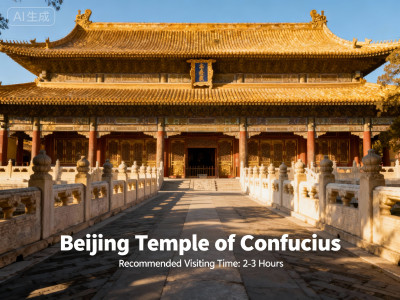
 Temple of Confucius
The Beijing Temple of Confucius also known as the Confucius Temple in Beijing is a magnificent complex dedicated to the great Chinese philosopher Confucius Built in 1302 during the Yuan Dynasty it served as a place for imperial ceremonies honoring Confucius and for the education of Confucian scholars The temple complex covers an area of 22000 square meters and features traditional Chinese architecture with elegant halls stone steles and ancient cypress trees The main hall Dacheng Hall is particularly impressive with its yellow glazed tile roof and intricate wooden carvings Throughout history emperors from various dynasties would come here to pay homage to Confucius and conduct important rituals The temple also houses 198 stone tablets inscribed with the names of successful candidates from the imperial examinations making it a fascinating record of Chinas ancient education system Today it stands as a peaceful oasis in bustling Beijing offering visitors a glimpse into traditional Chinese philosophy culture and education
 Beijing
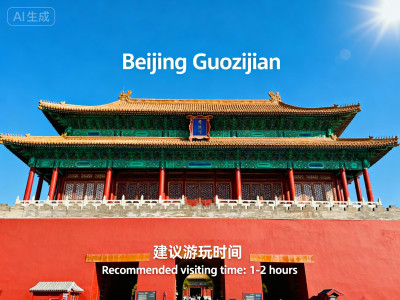
Guozijian
Guozijian also known as the Imperial College or Imperial Academy was the highest educational institution in ancient China during the Yuan Ming and Qing dynasties Established in 1306 during the Yuan Dynasty it served as the national central university where the most brilliant scholars from across the empire studied Confucian classics and prepared for the imperial civil service examinations The complex includes the Biyong Hall the main lecture hall surrounded by a circular moat symbolizing the pursuit of knowledge as endless as water and the Hall of Classics where sacred texts were stored This UNESCO World Heritage site represents Chinas profound respect for education and scholarship throughout history
 Beijing
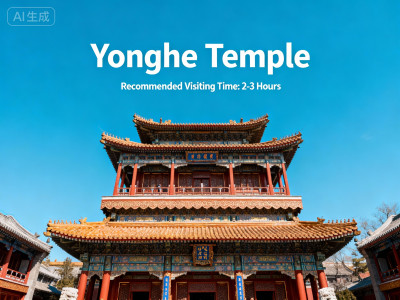
Yonghe Temple
Yonghe Temple originally built in 1694 during the Qing Dynasty served as the residence of Prince Yong who later became Emperor Yongzheng After his ascension to the throne in 1722 the complex was converted into a Tibetan Buddhist temple and became the national center of Lama administration The temple represents a unique fusion of Han Chinese and Tibetan architectural styles with its vibrant yellow glazed tiles and intricate decorations The complex houses some of Chinas most important Buddhist artifacts including an 18meter tall statue of Maitreya Buddha carved from a single sandalwood tree The temple remains an active place of worship where visitors can observe Buddhist rituals and experience the spiritual atmosphere of Tibetan Buddhism in the heart of Beijing
 Beijing
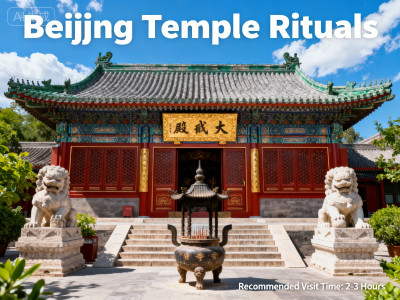
Temple Rituals
Temple rituals in Beijing offer a unique window into China's rich spiritual heritage and Buddhist traditions. These sacred ceremonies have been practiced for centuries in the city's historic temples, blending religious devotion with cultural artistry. Visitors can witness or participate in various rituals including morning chanting sessions, incense offerings, prayer ceremonies, and meditation practices. The experience provides deep insight into Chinese Buddhism, Taoism, and Confucian traditions that have shaped Chinese civilization for millennia. These rituals are not just religious observances but living cultural treasures that connect modern visitors with ancient wisdom and spiritual practices.
 Beijing
Kunming Lake
Kunming Lake is the largest lake within the Summer Palace (Yiheyuan) in Beijing. Created primarily through manual labor in the 18th century, it covers approximately three-quarters of the palace grounds. The lake is famed for its serene beauty, traditional Chinese landscaping, and iconic structures like the Marble Boat and the Seventeen-Arch Bridge that adorn its shores. It was designed to reflect the harmony between human creation and natural beauty, serving as a royal garden and retreat.
 Beijing
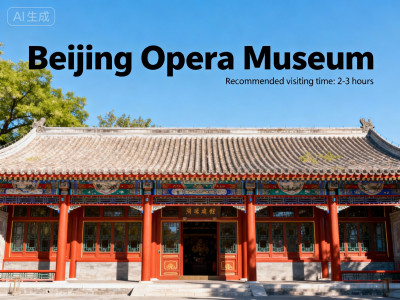
Opera Museum
The Beijing Opera Museum, also known as the Peking Opera Museum, is a specialized cultural institution dedicated to preserving and promoting the art of Chinese opera, particularly Peking Opera which is recognized as a UNESCO Intangible Cultural Heritage. Housed within the historic Huguang Guild Hall, a beautifully preserved Qing Dynasty architectural complex dating back to 1807, the museum offers visitors a comprehensive journey through the evolution of Chinese opera arts. The museum complex itself is an architectural masterpiece featuring traditional courtyard layouts, intricate wood carvings, and classic Chinese garden elements that provide an authentic historical atmosphere for experiencing this traditional art form. The exhibitions cover various aspects of opera including costumes, makeup, musical instruments, scripts, and stage props, with detailed explanations of the symbolic meanings behind different colors, patterns, and designs used in traditional Chinese opera performances. Visitors can explore the original theater stage where famous opera masters once performed, and learn about the four main role types in Peking Opera: Sheng (male roles), Dan (female roles), Jing (painted face roles), and Chou (clown roles). The museum also hosts regular live performances, workshops, and demonstrations where visitors can witness the intricate process of applying traditional opera makeup and see authentic costumes up close. This immersive experience provides deep insights into one of China's most cherished cultural traditions and its enduring influence on Chinese performing arts.
 Beijing
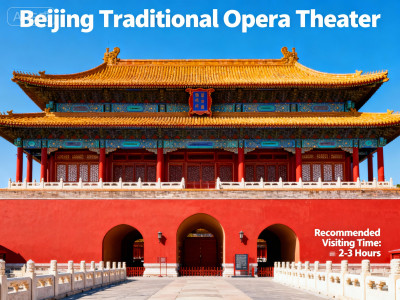
Traditional Opera Theater
The Traditional Opera Theater in Beijing stands as a magnificent cultural institution dedicated to preserving and presenting the exquisite art of Chinese opera particularly Peking Opera which is recognized by UNESCO as an Intangible Cultural Heritage of Humanity This theater offers visitors an immersive journey into the world of traditional Chinese performing arts where vibrant costumes intricate makeup symbolic movements and melodious singing converge to tell timeless stories from Chinese history and mythology The venue itself is a masterpiece of traditional Chinese architecture featuring ornate decorations red lacquered columns and intricate wood carvings that transport audiences back to imperial times Each performance is a feast for the senses combining martial arts acrobatics music and drama in a unique theatrical form that has captivated audiences for centuries The theater provides English subtitles and program notes ensuring international visitors can fully appreciate the nuanced storytelling and cultural significance of each performance
 Beijing
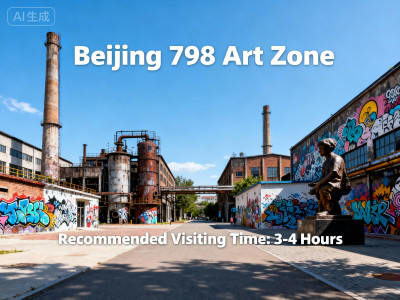
798 Art Zone
The 798 Art Zone also known as Dashanzi Art District is a thriving arts community located in the Chaoyang District of Beijing It occupies a complex of 1950s Bauhausstyle factory buildings originally built for military electronics production by East German architects Today this industrial heritage site has been transformed into one of Chinas most dynamic contemporary art centers with over 200 galleries studios cafes and boutiques The area showcases the perfect fusion of industrial architecture modern art and creative culture representing Beijings transformation from industrial powerhouse to cultural capital
 Beijing
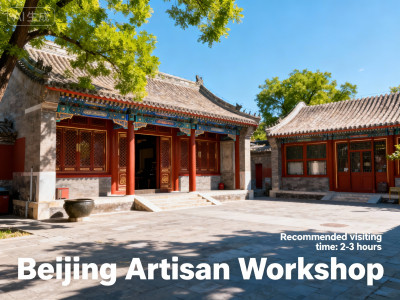
Artisan Workshop
Nestled in the historic hutongs of Beijing, the Artisan Workshop offers visitors a unique opportunity to step into the world of traditional Chinese craftsmanship. This immersive cultural experience center showcases the living heritage of China's artisan traditions, from intricate cloisonné enamel work and delicate porcelain painting to traditional woodblock printing and silk embroidery. The workshop is housed in a beautifully restored courtyard residence that dates back to the Qing Dynasty, providing an authentic atmosphere for learning about China's rich artistic legacy. Master craftsmen and women, many from families with generations of experience, guide visitors through the processes that have defined Chinese art for centuries. The workshop not only preserves these endangered skills but also makes them accessible to international visitors through hands-on sessions, demonstrations, and cultural storytelling. Each activity is designed to connect participants with the philosophical and aesthetic principles underlying Chinese art, from the harmony of yin and yang to the balance of form and function.
 Beijing
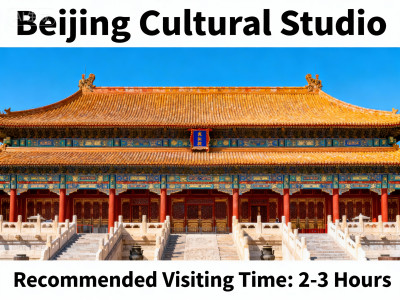
Cultural Studio
Cultural Studio is a unique destination in Beijing that offers visitors an authentic and interactive experience of traditional Chinese culture. Located in the heart of the city, this studio provides a comprehensive introduction to various aspects of Chinese heritage including calligraphy, painting, pottery, paper cutting, and traditional music. The studio is designed as both an educational space and a creative workshop where visitors can learn directly from master artisans who have dedicated their lives to preserving these ancient arts. The environment combines traditional Chinese aesthetics with modern facilities, creating a perfect setting for cultural immersion. Visitors can participate in guided workshops, watch live demonstrations, and create their own cultural artifacts to take home as meaningful souvenirs. The studio also features a gallery showcasing exquisite works by contemporary Chinese artists who are keeping traditional techniques alive while adding modern interpretations. This is not just a tourist attraction but a living cultural institution that bridges the gap between ancient traditions and contemporary appreciation.
 Beijing
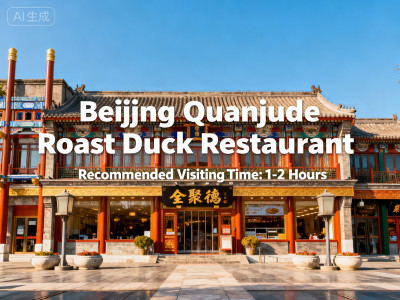
Quanjude Roast Duck Restaurant
Quanjude is the most famous Peking Duck restaurant in the world, known for its meticulous preparation using open-wood fire ovens and time-honored recipes passed down through generations. The restaurant offers an authentic imperial dining experience.
 Tianjn
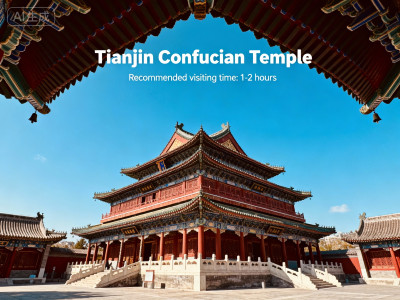
Tianjin Confucian Temple
The Tianjin Confucian Temple also known as Wen Miao is one of the most important Confucian temples in northern China Built during the Ming Dynasty in 1436 it has served as a center for Confucian worship and imperial examinations for centuries The temple complex covers an area of 12000 square meters and features traditional Chinese architecture with elegant halls pavilions and courtyards It was originally established as a place for scholars to pay homage to Confucius and to prepare for the imperial civil service examinations The temple underwent several renovations during the Qing Dynasty and was restored in recent years to preserve its cultural heritage Today it stands as a testament to Chinas rich intellectual history and Confucian traditions
 Tianjn
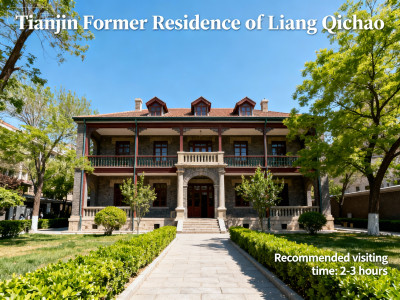
Former Residence of Liang Qichao
Located in the Italian Concession area of Tianjin, this well-preserved European-style villa was the home of Liang Qichao from 1915 to 1929 during his most productive years. Liang Qichao was a prominent scholar, journalist, and political reformer who played a crucial role in Chinas transition from imperial rule to modern republic. The residence showcases the life and work of this intellectual giant who advocated for constitutional monarchy, educational reform, and modernization while preserving Chinese cultural heritage. The two-story building features Western architectural elements with Chinese decorative touches, reflecting the cultural fusion of early 20th century Tianjin. Inside, visitors can see Lings study where he wrote many influential essays, his personal library, family living quarters, and exhibition halls displaying his manuscripts, photographs, and personal effects. The residence offers a fascinating glimpse into the life of a man whose ideas shaped modern Chinese political thought and whose writings continue to influence Chinese intellectuals today.
 Tianjn
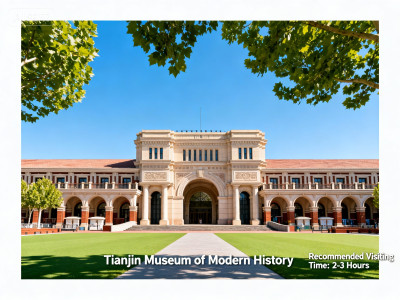
Tianjin Museum of Modern History
The Tianjin Museum of Modern History is a premier cultural institution that chronicles the remarkable transformation of Tianjin from a treaty port to a modern metropolis. Housed in a beautifully restored colonial-era building that itself is a historical artifact, the museum offers visitors a journey through time from the late 19th century to present day. Through meticulously curated exhibits, interactive displays, and authentic artifacts, the museum tells the story of Tianjins unique position as one of Chinas first international trading ports and its evolution into a major economic hub. The collection includes rare photographs, documents, personal belongings of historical figures, and scale models that bring to life the architectural and social changes that shaped modern Tianjin. The museums narrative covers key periods including the late Qing Dynasty, the Republican era, Japanese occupation, and post-liberation development, providing a balanced perspective on the citys complex history.
 Dalian
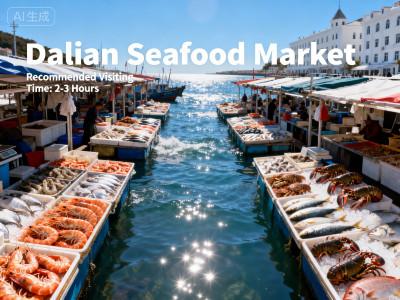
 Seafood Market
Dalian Seafood Market is not just a place to buy fish - it's a living theater of northeastern China's maritime culture. Located along the city's picturesque coastline, this bustling market brings together fishermen, vendors, and food enthusiasts in a symphony of sights, sounds, and smells. As one of Liaoning Province's largest seafood markets, it offers an incredible variety of marine life freshly caught from the Bohai Sea and Yellow Sea, including sea cucumbers, abalone, scallops, crabs, shrimp, and countless fish species. The market operates with an energy that reflects Dalian's history as a major port city, blending Russian, Japanese, and Chinese influences in its architecture and atmosphere. Visitors can witness the entire seafood journey from boat to table, learn about traditional fishing methods, and experience the warm hospitality of local vendors who have been working these waters for generations.
 Dalian
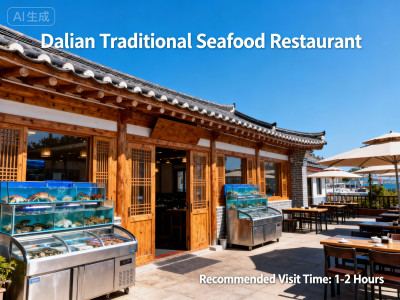
Traditional Seafood Restaurant
Nestled along the picturesque coastline of Dalian, this traditional seafood restaurant embodies the essence of Liaoning provinces maritime culture. Dalian, known as the Pearl of Northern China, boasts a unique geographical advantage with its location on the Liaodong Peninsula, surrounded by the Yellow Sea and Bohai Sea. The restaurant showcases the regions abundant seafood resources through traditional cooking methods passed down through generations of local fishermen. The dining experience here is not just about food but a cultural immersion into the coastal lifestyle of northeastern China. The interior decor often features nautical elements, fishing nets, and traditional Chinese wooden furniture, creating an atmosphere that transports diners to a traditional fishing village. The chefs specialize in preserving the natural flavors of fresh seafood while incorporating local culinary techniques that highlight the regions distinct taste profile.
 Dalian
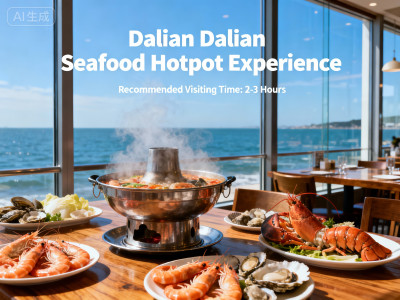
 Seafood Hotpot Experience
Nestled in the heart of Dalian this local hotpot restaurant offers an immersive culinary journey through Liaoning provinces coastal flavors Dalian known as the Pearl of Northern China boasts a rich maritime heritage that shines through its cuisine Here youll experience the perfect fusion of traditional Chinese hotpot with the regions abundant seafood The restaurant features a vibrant atmosphere where bubbling pots of savory broth fill the air with tantalizing aromas The signature seafood broth is crafted from hours of simmering fish bones seaweed and local spices creating a delicate yet flavorful base that enhances rather than overwhelms the natural sweetness of fresh seafood What sets this establishment apart is its commitment to showcasing Dalians maritime bounty from justcaught fish and plump shrimp to tender squid and briny clams all sourced daily from nearby fishing ports The dining experience is interactive and social reflecting the communal spirit of Chinese hotpot culture where friends and family gather around a shared pot dipping fresh ingredients into simmering broth and creating personalized dipping sauces
 Dalian
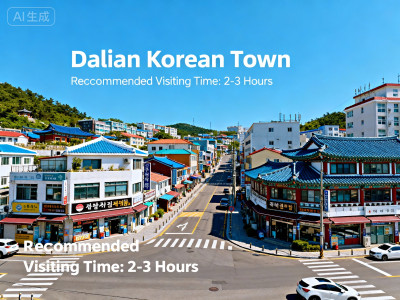
 Korean Town
Dalian Korean Town is a fascinating cultural enclave that beautifully blends traditional Korean heritage with modern Korean lifestyle influences. Located in the heart of Dalian, this district serves as a living bridge between Chinese and Korean cultures, offering visitors an authentic taste of Korea without leaving China. The area features traditional Korean architecture, authentic restaurants serving classic Korean dishes, cultural centers, and shops selling Korean products. The district comes alive with cultural festivals, traditional performances, and culinary events that celebrate Korean traditions while embracing contemporary Korean pop culture trends. It's not just a tourist attraction but a genuine community where Korean culture thrives and interacts with Chinese society.
 Dalian
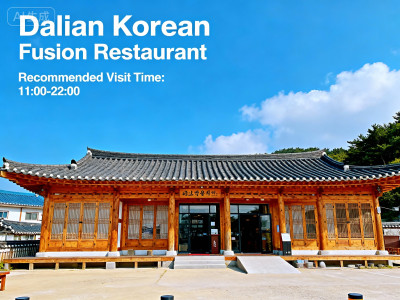
Korean Fusion Restaurant
This restaurant offers a unique fusion of Korean cuisine with international influences, creating innovative dishes in a stylish setting. It caters to both locals and tourists seeking a novel dining experience.
 Dalian
 Cooking School
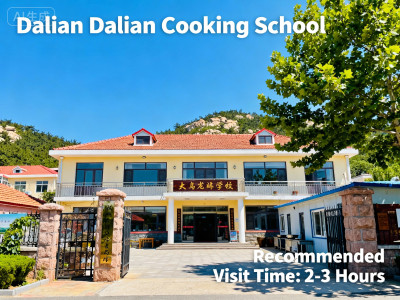
Dalian Cooking School offers visitors a unique opportunity to dive into the vibrant food culture of northeastern China's premier coastal city. Located in the heart of Dalian, this hands-on cooking experience focuses on the city's famous seafood traditions that have been shaped by its strategic position on the Bohai Sea. Under the guidance of expert local chefs, participants learn to prepare classic Dalian dishes using fresh ingredients sourced directly from the nearby fishing ports. The experience goes beyond just cooking - it's a journey through Dalian's history as a Russian and Japanese concession port, which has created a fascinating fusion of culinary influences. You'll discover how the city's Korean minority community has also contributed to its food scene, creating a unique blend of flavors found nowhere else in China. The school operates in a beautifully restored colonial-era building that reflects Dalian's architectural heritage, adding to the authentic atmosphere of this culinary adventure.
 Dalian
Russian Quarter Bakery
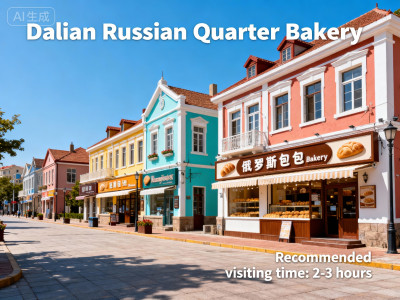
This charming bakery specializes in Russian-style baked goods, from hearty rye breads to sweet pastries like pirozhki and medovik honey cake. It provides a cozy atmosphere reminiscent of Eastern European cafes.
 Dalian
The Fusion Kitchen
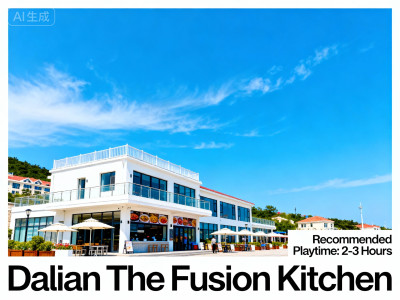
Located in the heart of Dalian with stunning sea views The Fusion Kitchen represents the best of modern Chinese fusion cuisine This elegant restaurant combines traditional Chinese cooking techniques with international ingredients and presentation styles creating a unique dining experience that celebrates both local Dalian seafood specialties and global culinary trends The restaurant features contemporary decor with traditional Chinese elements offering panoramic views of the Yellow Sea and Xinghai Square area
 Dalian
Modern Fusion Restaurant
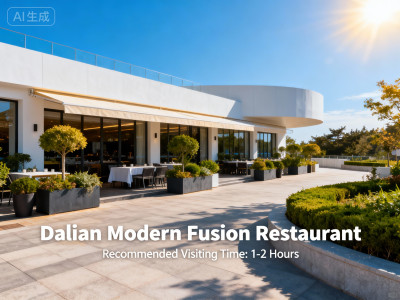
This modern fusion restaurant offers an innovative dining experience by combining elements from various global cuisines with traditional Dalian ingredients and seafood specialties.
 Dalian
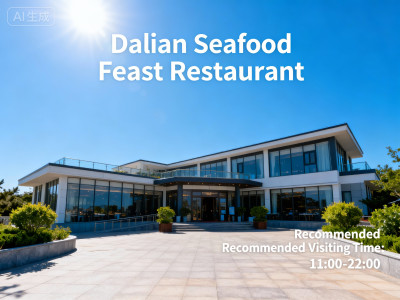
 Seafood Feast Restaurant
Located in the heart of Dalian this restaurant specializes in authentic northeastern Chinese seafood cuisine with particular emphasis on Dalian local specialties As a major port city on the Liaodong Peninsula Dalian boasts some of the freshest seafood in China The restaurant sources its ingredients directly from local fishermen ensuring the highest quality seafood including abalone sea cucumbers scallops and various shellfish The dining experience combines traditional Chinese cooking techniques with the unique flavors of the Bohai Sea region The restaurant features elegant decor with nautical themes and offers both private dining rooms and open seating areas perfect for experiencing the vibrant food culture of Dalian
Want the days already arranged?
Open the guidebook