The places index · 505 places
Places worth
Landmarks with a story, neighbourhood corners with a slower pace and natural places that deserve more than a photograph. Use this index as a starting point, not a checklist.
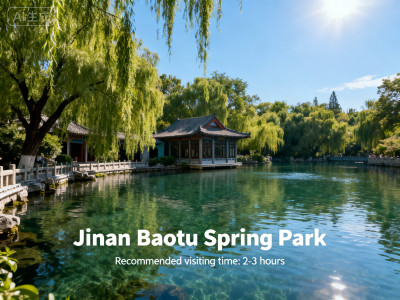 Jinan
Baotu Spring Park
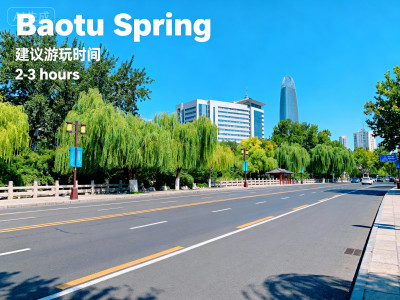
Baotu Spring is the most renowned among Jinan's 72 famous springs. It has been a celebrated scenic spot for centuries, with a history dating back over 3,500 years. The spring water gushes out from three outlets with great force, creating a spectacular sight. The surrounding park features traditional Chinese pavilions, corridors, bridges, and halls set amidst lush gardens and clear water channels.
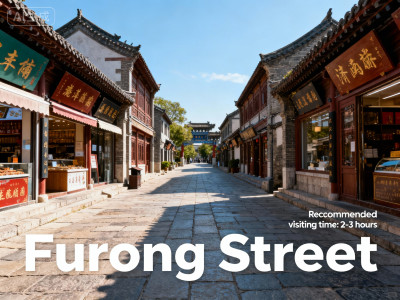 Jinan
Furong Street
Furong Street, also known as Lotus Street, is one of the most famous historical and cultural streets in Jinan, Shandong Province. Located in the heart of the city near Daming Lake and Baotu Spring, this 432-meter-long pedestrian street dates back to the Ming Dynasty (1368-1644). The street gets its name from the lotus flowers that once bloomed in the nearby ponds. Today, it preserves the architectural style of old Jinan with traditional courtyard houses, stone-paved paths, and ancient wells. The street is a living museum of Shandong culture, where visitors can experience authentic local cuisine, traditional crafts, and the daily life of Jinan residents. It perfectly represents the harmonious blend of history, culture, and modern tourism that characterizes this Spring City.
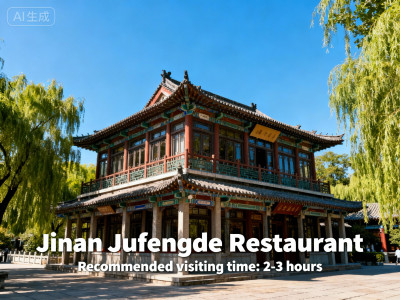 Jinan
Jufengde Restaurant
Founded in the late Qing Dynasty, Jufengde is a legendary restaurant in Jinan famous for its authentic Shandong (Lu) cuisine. It specializes in classic dishes prepared with time-honored techniques, using locally sourced ingredients. The ambiance reflects traditional Chinese aesthetics, offering a genuine cultural dining experience.
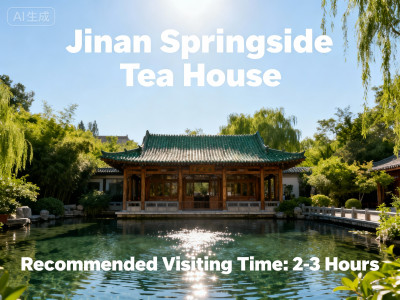 Jinan
Springside Tea House
Springside Tea House is an authentic traditional Chinese tea house situated right next to Baotu Spring the most famous spring in Jinan Known as the City of Springs Jinan boasts 72 famous springs and Baotu Spring is the crown jewel The tea house offers visitors a unique opportunity to experience traditional Chinese tea culture while enjoying the serene atmosphere of the springs The architecture follows classic Ming and Qing dynasty styles with wooden structures curved roofs and intricate carvings creating a peaceful retreat from the bustling citynnWhat makes Springside Tea House truly special is its water source The tea house uses fresh spring water directly from Baotu Spring which is renowned for its purity and mineral content This water is considered perfect for brewing tea as it enhances the flavor and aroma of the leaves The tea masters here are trained in traditional tea ceremony techniques and can guide visitors through the entire process from selecting tea leaves to proper brewing methodsnnThe tea house features several themed rooms each decorated with traditional Chinese furniture calligraphy and paintings Visitors can choose from a wide variety of Chinese teas including famous varieties like Longjing green tea Tieguanyin oolong tea Pu erh fermented tea and Jasmine tea Each tea selection comes with traditional snacks and desserts that complement the tea flavorsnnBeyond just tea drinking the tea house offers cultural activities such as tea ceremony demonstrations calligraphy sessions and traditional music performances The location provides stunning views of Baotu Springs pavilions and gardens making it a perfect spot to appreciate both natural beauty and cultural heritage
 Jinan
Qianfo Mountain
Qianfo Mountain Thousand Buddha Mountain is located in the southeastern part of Jinan City Shandong Province It is one of the three major scenic spots in Jinan along with Baotu Spring and Daming Lake The mountain got its name from the numerous Buddha statues carved on the cliffs during the Sui Dynasty 581618 AD The mountain has a rich history dating back over 1600 years and is considered a sacred Buddhist site in northern China The mountain stands at 285 meters above sea level and offers panoramic views of Jinan City known as the City of Springs due to its numerous natural springs The mountain features ancient temples stone carvings pavilions and lush vegetation making it a perfect blend of natural beauty and cultural heritage
 Jinan
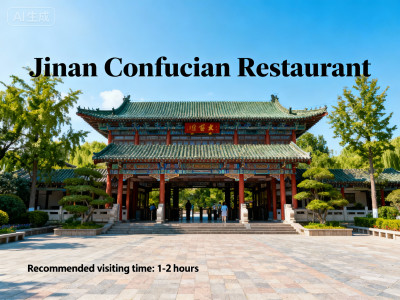
Confucian Restaurant
Confucian Restaurant in Jinan offers a unique dining experience that combines the profound philosophy of Confucianism with the exquisite flavors of Shandong cuisine. Located in the heart of Jinan, the capital of Shandong Province, this restaurant serves as a living museum of Chinese culinary heritage. The establishment follows the traditional Confucian dining etiquette and serves dishes that were historically prepared for Confucius family ceremonies and official banquets. The restaurant's interior features classical Chinese architecture with elegant wooden furniture, calligraphy scrolls, and traditional decorations that reflect the simplicity and harmony valued in Confucian philosophy. Each dish is not only a culinary masterpiece but also carries symbolic meanings related to Confucian virtues such as benevolence, righteousness, propriety, wisdom, and trustworthiness. The restaurant sources ingredients locally, including fresh vegetables from the Shandong countryside, premium seafood from the Yellow Sea, and specially prepared meats following traditional methods. The dining experience is accompanied by cultural performances, tea ceremonies, and explanations of the historical and philosophical significance behind each dish.
 Jinan
Morning Market
The Jinan Morning Market is a bustling traditional market that comes alive at dawn, offering visitors a genuine glimpse into the daily life of local residents. Known as the Spring City, Jinans morning market showcases the regions rich agricultural produce, fresh ingredients, and traditional snacks. As you wander through the lively stalls, youll encounter colorful displays of seasonal fruits, vegetables, herbs, and spices, many grown in the fertile Shandong countryside. The air is filled with enticing aromas of freshly prepared breakfast foods and local delicacies. This market is not just a place to shop but a cultural experience where you can observe the traditional market culture that has been part of Jinans heritage for centuries. The friendly vendors, many from families who have been selling at the market for generations, are always happy to share stories about their products and offer samples of local specialties.
 Jinan
Cooking School
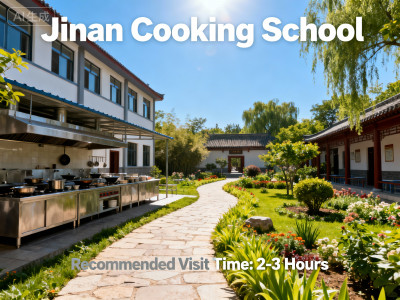
Located in the heart of Jinan known as the City of Springs this cooking school offers visitors a unique opportunity to dive deep into Shandong cuisine one of Chinas eight great culinary traditions Shandong cuisine also known as Lu cuisine is characterized by its emphasis on fresh ingredients particularly seafood from the nearby Yellow Sea and its light savory flavors that highlight natural tastes rather than heavy seasoning The cooking school provides hands-on classes taught by experienced local chefs who share centuries-old techniques passed down through generations Youll learn about the importance of broth making in Shandong cuisine the art of stir-frying at high temperatures and the delicate balance of flavors that makes this regional cuisine so distinctive The experience goes beyond just cooking it includes visits to local markets to select fresh ingredients understanding the cultural significance of different dishes and learning about the historical development of Shandong cuisine which has influenced imperial cooking throughout Chinese history The school is situated in a traditional courtyard setting with modern kitchen facilities creating a perfect blend of old and new
 Jinan
Cooking School Dining
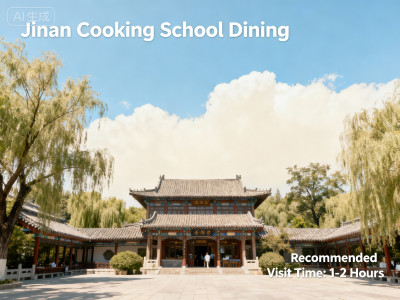
Cooking School Dining in Jinan offers a unique hands-on culinary journey through the flavors of Shandong Province, known as the birthplace of Chinese cuisine. Located in the heart of Jinan, this experience combines cooking instruction with cultural education, allowing visitors to learn traditional techniques from master chefs while discovering the rich culinary heritage of the region. The school specializes in Shandong cuisine, one of China's Eight Great Cuisines, famous for its emphasis on fresh ingredients, seafood, and clear broths. Participants not only learn to prepare classic dishes but also enjoy the fruits of their labor in a communal dining setting, creating lasting memories of authentic Chinese cooking.
 Jinan
Shandong Provincial Museum
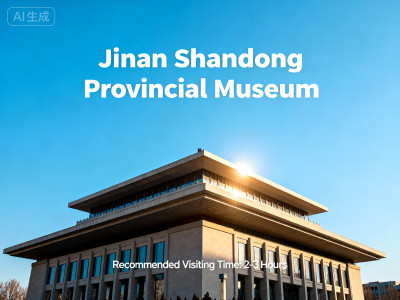
The Shandong Provincial Museum stands as a magnificent cultural landmark in Jinan showcasing over 140000 precious artifacts that trace the 8000year history of Shandong Province Known as the birthplace of Confucianism and the cradle of Chinese civilization this museum offers an unparalleled journey through time from prehistoric relics to modern cultural treasures The museums stunning architecture combines traditional Chinese elements with contemporary design creating a perfect backdrop for exploring the regions profound cultural legacy
 Jinan
Night Market
Jinan Night Market is a lively openair food paradise that comes alive after sunset offering an authentic taste of Shandong provinces rich culinary heritage As the capital of Shandong Province Jinan boasts a food culture deeply rooted in Confucian traditions emphasizing harmony balance and seasonal ingredients The night market transforms ordinary streets into a sensory feast with sizzling woks aromatic spices and colorful displays of local specialties Here you can sample everything from traditional Lu cuisine dishes to innovative street food creations all while experiencing the warm hospitality of Jinan locals The market showcases the citys nickname Spring City through its emphasis on fresh ingredients and the vibrant energy that flows like the famous springs throughout Jinan
 Jinan
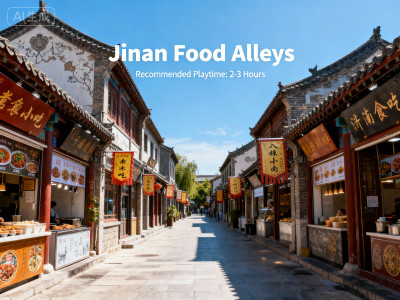
Food Alleys
Jinan's food alleys represent the authentic culinary soul of Shandong Province offering a sensory journey through traditional flavors and local specialties These bustling lanes showcase the city's rich food heritage where generations of chefs have perfected recipes passed down through centuries The alleys come alive in the evenings with the sizzle of woks the aroma of spices and the cheerful chatter of locals and visitors alike Here you can experience the true essence of Jinan cuisine from famous Lu dishes to innovative street food creations all prepared with fresh local ingredients and timehonored techniques
 Jinan
Rural Village
The rural villages around Jinan provide a genuine glimpse into traditional Shandong countryside life These villages nestled in the foothills of Mount Tai and along the Yellow River have preserved centuriesold farming practices architectural styles and cultural traditions Visitors can explore ancient stone houses walk through terraced fields and interact with local farmers who maintain the agricultural heritage of the region The villages showcase the harmonious relationship between humans and nature that has defined rural Chinese life for millennia with traditional courtyard homes irrigation systems and community spaces that reflect Confucian values of family and community
 Jinan
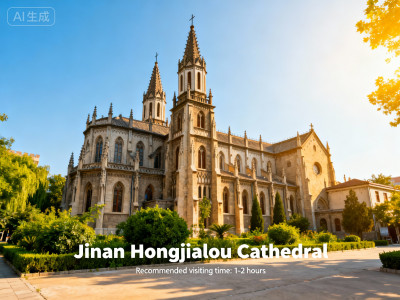
Hongjialou Cathedral
Hongjialou Cathedral, also known as St. Joseph's Cathedral, is one of the largest Catholic churches in northern China. Built between 1901 and 1905 during the late Qing Dynasty, this stunning Gothic Revival structure stands as a testament to the cultural exchange between East and West. The cathedral was constructed by German missionaries and features classic Gothic elements including pointed arches, ribbed vaults, and flying buttresses. Despite its Western architectural style, the cathedral has been integrated into the local Jinan landscape for over a century, surviving through various historical periods including the Cultural Revolution. Today, it serves both as an active place of worship and a historical monument that attracts visitors interested in religious architecture, history, and cultural fusion. The cathedral's twin spires reach 35 meters high and can be seen from various points in the Hongjialou district, creating a striking contrast with the surrounding modern university buildings and traditional Chinese architecture.
 Jinan
Jinan Seafood Restaurant
Located in the heart of Jinan this seafood restaurant brings the taste of the ocean to the inland capital of Shandong Province While Jinan is famous for its springs and historical sites this establishment offers a unique culinary experience by serving fresh seafood transported daily from coastal regions like Qingdao Yantai and Weihai The restaurant combines traditional Shandong cooking techniques with modern presentation creating a bridge between inland and coastal culinary traditions
 Jinan
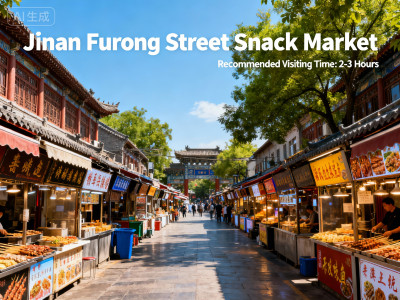
Furong Street Snack Market
Furong Street is one of Jinan's most famous and historic commercial streets, renowned for its vibrant atmosphere and wide array of specialty food shops. Located near Quancheng Square, this pedestrian street dates back to the Ming Dynasty and has been a center for commerce and local cuisine for centuries. Visitors can explore numerous shops selling Jinan's signature dishes and snacks, including sweet and sour carp, braised intestines, pancake wraps, and various noodle dishes. The street combines traditional architecture with modern food stalls, offering an authentic taste of Shandong culinary culture.
 Jinan
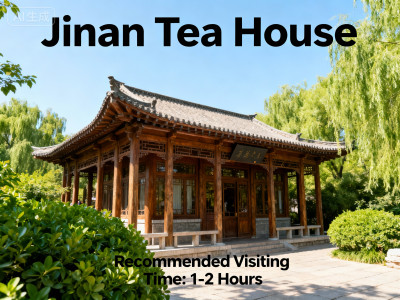
Tea House
Jinan tea houses offer a unique cultural immersion into Chinas rich tea heritage As the capital of Shandong Province Jinan has a long history of tea appreciation dating back centuries The citys tea houses are not just places to drink tea but cultural hubs where locals gather to socialize discuss business and enjoy traditional performances The most famous tea served here is Laoshan tea grown in the nearby Laoshan Mountains known for its delicate flavor and health benefits Many tea houses feature traditional Chinese architecture with wooden furniture calligraphy and classical music creating a serene atmosphere perfect for relaxation and cultural exchange Visitors can participate in tea ceremonies learn about different tea varieties and enjoy local snacks while experiencing the authentic Jinan lifestyle
 Jinan
Transportation
Jinan known as the Spring City is a major transportation hub in Shandong Province with a comprehensive modern transportation system that seamlessly connects traditional culture with contemporary convenience As the capital of Shandong Jinan offers visitors multiple transportation options including high speed rail traditional trains buses and local transit systems that provide access to both urban attractions and surrounding historical sites The citys transportation infrastructure reflects its role as a gateway to Shandong Province with Jinan West Railway Station serving as one of Chinas busiest high speed rail hubs connecting Beijing Shanghai and other major cities within hours
 Jinan
Black Tiger Spring
Black Tiger Spring is one of the most iconic natural springs in Jinan, known as the City of Springs. Located in the heart of the city, this spring gets its name from the roaring sound of water gushing from three stone tiger heads, which resembles the roar of a black tiger. The spring water emerges from a limestone cave and flows through three carved tiger heads into a rectangular pool. With a daily flow of over 40,000 cubic meters, it ranks among the most productive springs in Jinan. The water maintains a constant temperature of 18°C (64°F) year-round and is famous for its purity and mineral content. The surrounding area features traditional Chinese architecture, stone bridges, and pavilions that create a serene urban oasis. Historically, Black Tiger Spring has been celebrated in Chinese poetry and literature for over 1,500 years, with records dating back to the Northern Wei Dynasty (386-534 AD). The spring represents the harmonious relationship between nature and urban life that characterizes Jinan's unique identity.
 Jinan
Pearl Spring Garden
Pearl Spring Garden also known as Pearl Spring Park is a magnificent classical Chinese garden located in the heart of Jinan Shandong Province The garden is centered around the famous Pearl Spring one of the 72 famous springs in Jinan which has been celebrated for its crystal clear water that bubbles up like strings of pearls hence its name The garden covers approximately 44 hectares and combines traditional Chinese garden architecture with natural spring landscapes creating a serene oasis in the bustling city The garden features elegant pavilions winding corridors ancient trees and beautiful rockeries all designed in perfect harmony with the natural spring water The Pearl Spring itself is the main attraction where visitors can observe the unique phenomenon of water bubbles rising to the surface resembling countless pearls The garden has a history dating back to the Song Dynasty 9601279 AD and was expanded during the Ming and Qing dynasties Today it represents the perfect integration of natural springs classical architecture and Chinese gardening philosophy
 Jinan
Daming Lake
Daming Lake covers an area of 46 hectares with a water surface of 46 hectares and is surrounded by willows and lotus flowers The lake is fed by numerous springs from the surrounding area making its water exceptionally clear and pure Throughout history Daming Lake has been celebrated by poets and scholars with many pavilions temples and historical sites dotting its shores The lake changes with the seasons offering different charms from spring blossoms to summer lotus flowers autumn moon reflections and winter snow scenes
 Jinan
Five Dragon Pool Park
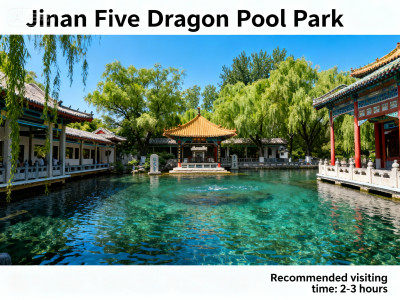
Five Dragon Pool Park is one of Jinans most famous spring water parks located in the heart of the city The park gets its name from the Five Dragon Pool a natural spring pool that has been flowing for thousands of years According to legend during the Tang Dynasty five dragons were seen playing in the pool hence the name The park covers an area of 55 hectares and features numerous springs ancient buildings pavilions and lush gardens The water in Five Dragon Pool is exceptionally clear and maintains a constant temperature of 18 degrees Celsius yearround making it a unique natural wonder The park combines natural beauty with rich cultural heritage showcasing traditional Chinese garden design principles
 Jinan
Yellow River Forest Park
Yellow River Forest Park is a sprawling ecological park located along the banks of the Yellow River in Jinan. This park represents the harmonious coexistence between humanity and nature along Chinas Mother River. Spanning over 1000 hectares, it features dense forests, wetlands, and riverfront landscapes that provide a serene escape from urban life. The park showcases the unique Yellow River culture of Jinan, where the river has shaped the citys history, agriculture, and way of life for centuries. Visitors can explore the ecological restoration projects that have transformed former floodplains into thriving natural habitats. The park serves as an important educational center about Yellow River conservation while offering breathtaking views of the river that has nourished Chinese civilization for millennia.
 Jinan
Hutuo River Scenic Area
The Hutuo River Scenic Area is a beautiful waterfront park stretching along the Hutuo River in Jinan Shandong Province Known as the City of Springs Jinan has a special relationship with water and this scenic area perfectly embodies that connection The Hutuo River itself is fed by numerous natural springs including the famous Baotu Spring and Black Tiger Spring creating crystal clear waters that flow through the city The scenic area features well maintained walking paths lush green spaces traditional Chinese gardens and modern recreational facilities Visitors can enjoy the harmonious blend of natural beauty urban development and cultural heritage that makes Jinan unique The area is particularly stunning during spring when cherry blossoms bloom and autumn when maple trees turn vibrant red
 Beijing
Tiananmen Square
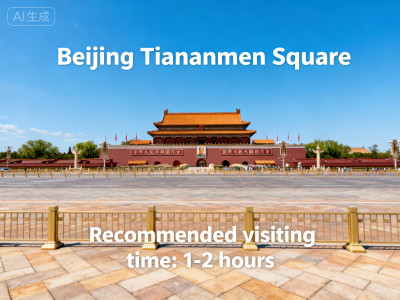
Tiananmen Square is not just a vast open space but the symbolic center of modern China spanning 440000 square meters. This iconic square witnessed pivotal moments in Chinese history from the founding of the Peoples Republic in 1949 to contemporary national celebrations. Flanked by monumental structures including the Great Hall of the People and the National Museum of China the square represents the political and cultural soul of Beijing. The name Tiananmen translates to Gate of Heavenly Peace referring to the magnificent gate at its northern end that once served as the main entrance to the Forbidden City. Today it stands as a testament to Chinas journey through centuries of imperial rule revolutionary transformation and modern development offering visitors a profound connection to the nations past present and future.
 Beijing
Forbidden City
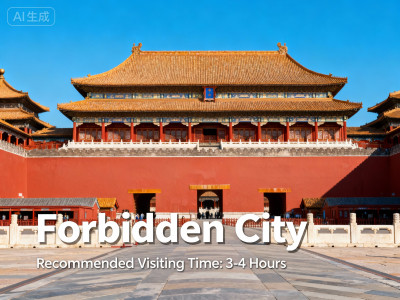
The Forbidden City located in the heart of Beijing is a magnificent architectural masterpiece that served as the imperial palace for nearly 500 years from 1420 to 1912 This UNESCO World Heritage site spans 72 hectares with over 980 buildings containing more than 9000 rooms The complex is divided into two main sections the Outer Court where emperors conducted state affairs and the Inner Court where the imperial family lived The architecture follows strict principles of symmetry and hierarchy reflecting traditional Chinese cosmology and imperial authority The palaces golden roofs vermilion walls and intricate decorations symbolize the supreme power of the emperor
 Beijing
Jingshan Park Area
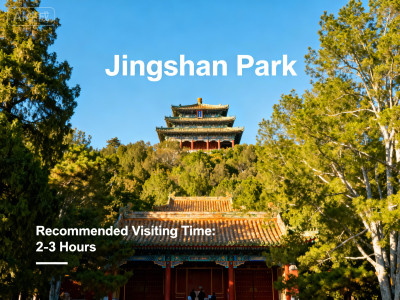
Jingshan Park also known as Coal Hill Park is an imperial garden located directly north of the Forbidden City in Beijing Originally an imperial garden during the Yuan Ming and Qing dynasties the park was built from earth excavated to create the moats of the Forbidden City The artificial hill was created during the Ming Dynasty and served as the northern boundary of the Imperial City The parks most famous feature is its central hill with five pavilions offering breathtaking 360degree views of Beijing From the summit visitors can see the entire Forbidden City layout the modern skyline of Beijing Beihai Park and the Drum and Bell Towers The park holds historical significance as the site where the last Ming emperor Chongzhen hanged himself in 1644 Today its a peaceful oasis where locals practice tai chi dance and enjoy leisure activities amidst ancient cypress trees and traditional Chinese garden design
 Beijing
Jingshan Park
Jingshan Park also known as Coal Hill Park is a 57acre imperial garden built during the Ming Dynasty 13681644 The parks most distinctive feature is Jingshan Hill an artificial mound created from soil excavated during the construction of the Forbidden Citys moats and canals The hill reaches 457 meters above sea level making it the highest point in central Beijing and providing breathtaking 360degree views of the Forbidden City Beihai Park and the modern cityscape The park served as a private imperial garden for Ming and Qing emperors and features five beautifully decorated pavilions on the hilltop each representing one of the five cardinal directions The central pavilion Wanchun Pavilion offers the most spectacular view of the Forbidden Citys golden roofs arranged in perfect symmetry Jingshan Park is not only a scenic spot but also a place of historical significance as it was here that the last Ming emperor Chongzhen committed suicide in 1644 marking the end of the Ming Dynasty
 Beijing
 Hutongs
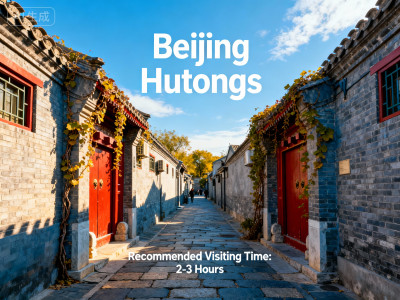
Beijing Hutongs are the traditional narrow alleyways and courtyard residences that form the historic heart of Chinas capital city Dating back over 700 years to the Yuan Dynasty these labyrinthine neighborhoods represent the living history of Beijing where traditional courtyard homes known as siheyuan create intimate communities The hutongs were originally laid out according to strict imperial planning with the widest avenues reserved for royalty and nobility while narrower lanes served commoners Today these preserved neighborhoods offer a fascinating glimpse into traditional Beijing life with their grey brick walls black tile roofs and distinctive wooden gates Many hutongs still house multi generational families maintaining centuries old traditions while others have been revitalized with boutique shops art galleries and traditional teahouses The most famous hutongs are concentrated around the Bell and Drum Towers Houhai Lake and the Lama Temple area each with its own unique character and stories
 Xi'an
Terracotta Warriors Museum
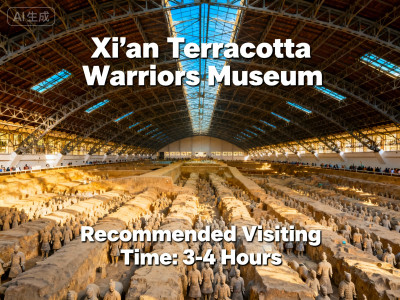
The Terracotta Warriors Museum is an extraordinary archaeological site discovered in 1974 by local farmers digging a well. This vast underground army was created to accompany China's first emperor Qin Shi Huang in the afterlife. The museum complex consists of three main pits containing over 8,000 life-sized terracotta soldiers, 130 chariots with 520 horses, and 150 cavalry horses, each with unique facial features, hairstyles, and armor. This UNESCO World Heritage Site represents one of the greatest artistic achievements of ancient China and provides invaluable insights into Qin Dynasty military organization, weaponry, and craftsmanship. The warriors were created around 210-209 BCE and remained buried for over 2,200 years until their accidental discovery.
 Xi'an
Qin Shi Huang Mausoleum
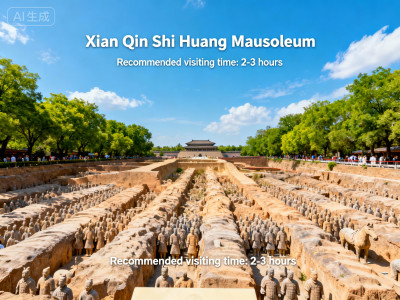
The Qin Shi Huang Mausoleum is one of the most significant archaeological discoveries of the 20th century and a UNESCO World Heritage Site. This massive burial complex was constructed over 38 years for Qin Shi Huang, the first emperor who unified China in 221 BCE. The mausoleum complex covers approximately 56 square kilometers and remains largely unexcavated, with the main tomb mound still sealed. The most famous part of the complex is the Terracotta Army, discovered in 1974 by local farmers digging a well. This incredible collection includes over 8,000 life-sized terracotta soldiers, 130 chariots with 520 horses, and 150 cavalry horses, each with unique facial features and arranged in battle formation. The site represents the pinnacle of ancient Chinese funerary art and provides invaluable insights into Qin Dynasty military organization, technology, and artistic achievement.
 Xi'an
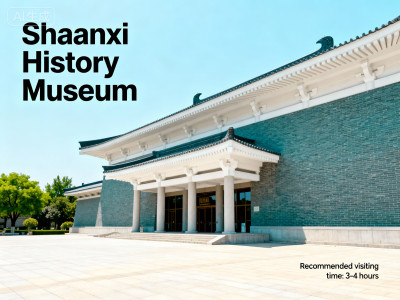
Shaanxi History Museum
The Shaanxi History Museum is one of China's first national museums and stands as a magnificent architectural masterpiece that combines traditional Tang Dynasty style with modern museum design. Located at the northwest side of the Big Wild Goose Pagoda in Xi'an, this museum houses an unparalleled collection of artifacts from the Zhou, Qin, Han, and Tang dynasties - the golden ages of Chinese civilization. The museum's three main exhibition halls are arranged chronologically, taking visitors on a journey through time from prehistoric times to the Qing Dynasty. The building itself is a work of art, designed by renowned architect Zhang Jinqiu in the style of a Tang Dynasty palace, with its majestic halls, elegant courtyards, and traditional Chinese architectural elements creating an atmosphere of historical grandeur. The museum's collection includes priceless treasures such as Tang Dynasty tri-colored glazed pottery, exquisite bronze vessels, delicate jade carvings, ancient coins, and stunning murals that offer a window into the artistic and cultural achievements of ancient China. Particularly noteworthy are the artifacts from the Han and Tang dynasties when Xi'an (then called Chang'an) served as the capital of China and the eastern terminus of the Silk Road, making it one of the world's most cosmopolitan cities.
 Xi'an
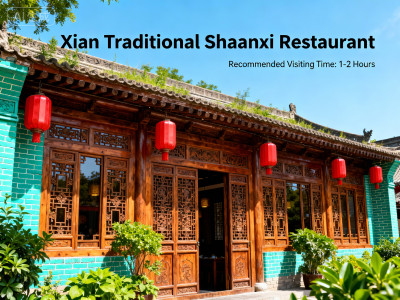
Traditional Shaanxi Restaurant
This traditional Shaanxi restaurant offers an immersive dining experience that showcases the authentic flavors of Northwest China Located in the heart of Xian the culinary capital of ancient China the restaurant specializes in Shaanxi cuisine which has evolved over thousands of years influenced by the Silk Road trade routes and the regions diverse geography From the famous Biang Biang noodles to succulent Roujiamo Chinese hamburgers every dish tells a story of cultural exchange and culinary innovation The restaurants decor reflects traditional Shaanxi architecture with wooden beams paper lanterns and antique furnishings creating an atmosphere that transports diners back to the Tang Dynasty era when Xian was known as Changan and served as the eastern terminus of the Silk Road
 Xi'an
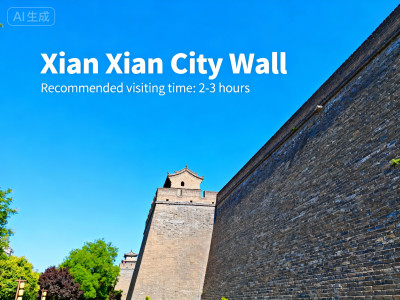
Xian City Wall
The Xian City Wall is one of the largest and best-preserved ancient city walls in China, originally built during the Ming Dynasty in the 14th century under Emperor Zhu Yuanzhang. This massive fortification stretches 13.7 kilometers around the historic center of Xian, standing 12 meters high and 12-14 meters wide at the top. The wall features 98 ramparts, four main gates facing the cardinal directions, and a deep moat that once provided additional defense. What makes this wall particularly remarkable is that it follows the exact footprint of the original Tang Dynasty imperial city, connecting modern Xian with its glorious past as the eastern terminus of the Silk Road and capital of 13 dynasties. Visitors can walk, cycle, or take an electric cart along the broad top of the wall, enjoying panoramic views of both ancient architecture and modern cityscapes. The wall's construction represents advanced military engineering of its time, with watchtowers, battlements, and arrow slits designed for defense against invaders. Today, it serves as a living monument to Chinese architectural ingenuity and a peaceful green belt in the heart of one of China's most historically significant cities.
 Xi'an
Bell Tower
Standing majestically at the exact geographical center of ancient Xian, the Bell Tower is a masterpiece of Ming Dynasty architecture that has watched over the city for over 600 years. Originally built in 1384 during Emperor Hongwu's reign, this magnificent wooden structure served as the timekeeping center for the entire city, with its massive bell ringing at dawn to mark the start of each day. The tower's strategic position at the intersection of Xian's four main avenues made it the perfect vantage point for observing the city's bustling activity. Rising 36 meters high with a base measuring 35.5 meters on each side, the three-story pavilion-style building features traditional Chinese architectural elements including intricate dougong brackets, sweeping eaves, and vibrant glazed tiles. The tower has survived earthquakes, wars, and centuries of change, standing as a testament to Chinese engineering ingenuity. Today, visitors can climb to the top for panoramic views of modern Xian while surrounded by the echoes of ancient history.
 Xi'an
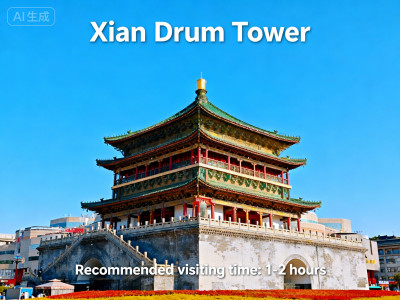
Drum Tower
The Drum Tower in Xian is a magnificent architectural masterpiece dating back to the Ming Dynasty Built in 1380 during the reign of Emperor Hongwu this imposing structure served as the timekeeping center of ancient Xian Along with its counterpart the Bell Tower the Drum Tower was part of the citys sophisticated timekeeping system where drums were beaten at sunset to signal the closing of city gates and the beginning of the night watch The tower stands 34 meters high with a base measuring 52.6 meters long and 38 meters wide Its traditional Chinese wooden architecture features intricate dougong bracket systems colorful paintings and glazed tiles that showcase the pinnacle of Ming Dynasty craftsmanship The tower houses a collection of ancient drums including replicas of the original Tang Dynasty drums and offers panoramic views of the modern city against the backdrop of ancient history
 Xi'an
Muslim Quarter
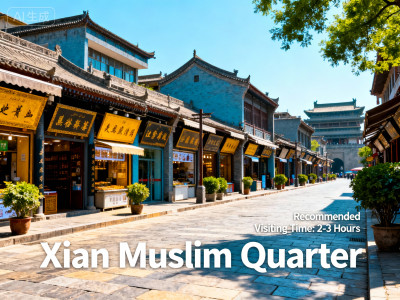
The Muslim Quarter also known as Huimin Street is Xians most famous food street and cultural enclave located just behind the Drum Tower in the heart of the ancient city This historic neighborhood dates back over 1300 years to the Tang Dynasty when Arab and Persian traders traveled along the Silk Road and settled in Changan todays Xian Today it remains home to the Hui Muslim community who have preserved their unique cultural identity while integrating with Han Chinese traditions The quarter stretches along Beiyuanmen Street and surrounding alleys creating a labyrinth of narrow lanes filled with food stalls restaurants souvenir shops and historic mosques The area is particularly famous for its incredible street food scene where you can sample authentic Hui Muslim cuisine including yangrou paomo lamb stew with bread biangbiang noodles roujiamo Chinese hamburger and various grilled meats and sweets The architecture blends traditional Chinese courtyard houses with Islamic decorative elements creating a unique visual tapestry that tells the story of cultural exchange along the ancient Silk Road
 Xi'an
Great Mosque of Xian
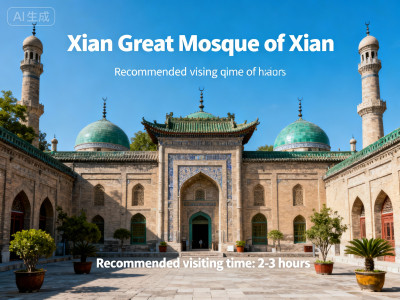
The Great Mosque of Xian stands as one of the oldest largest and best preserved Islamic mosques in China dating back to the Tang Dynasty in 742 AD during the reign of Emperor Xuanzong This remarkable site represents the harmonious fusion of Chinese architectural styles with Islamic religious functions creating a distinctive cultural landmark Unlike traditional Middle Eastern mosques with domes and minarets this mosque follows traditional Chinese courtyard layout with pavilions pagodas and gardens spread across four courtyards covering approximately 13000 square meters The mosque serves as both an active place of worship for Xians Muslim community and a testament to the long history of cultural exchange along the ancient Silk Road
 Xi'an
Big Wild Goose Pagoda
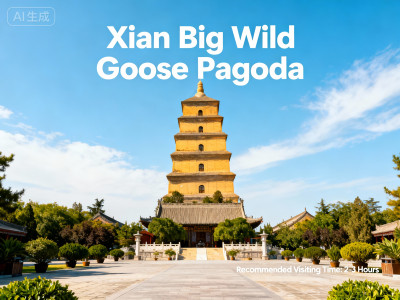
The Big Wild Goose Pagoda also known as Dayanta is one of Xians most iconic landmarks Built in 652 AD during the Tang Dynasty under the supervision of the famous Buddhist monk Xuanzang this sevenstory pagoda was originally constructed to house the Buddhist scriptures sutras and figurines that Xuanzang brought back from his epic 17year journey to India The pagoda stands at 64 meters tall and is a masterpiece of Chinese brick pagoda architecture Its simple yet elegant design reflects the influence of Indian Buddhist stupa architecture adapted to Chinese aesthetics The pagoda is located within the Dacien Temple complex which was originally built in 648 AD by Emperor Gaozong of Tang in memory of his mother The name Big Wild Goose Pagoda comes from a Buddhist legend about a group of hungry monks who prayed for food when a flock of wild geese flew overhead and one fell to the ground providing them with sustenance Over the centuries the pagoda has survived earthquakes and wars though it has been repaired and renovated several times most notably during the Ming Dynasty Today it serves not only as a religious site but also as a cultural symbol of Xian and Chinas rich Buddhist heritage
 Xi'an
Big Wild Goose Pagoda Square
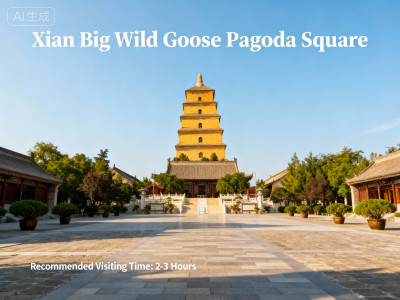
Big Wild Goose Pagoda Square is the magnificent public space surrounding the iconic Big Wild Goose Pagoda one of Xians most treasured historical landmarks Located in the southern part of Xian this expansive square covers approximately 110000 square meters making it one of the largest city squares in China The square serves as both a modern gathering place and a gateway to ancient Chinese Buddhist history with the magnificent Tang Dynasty pagoda standing as its centerpiece The square was completely renovated in 2003 to create a harmonious blend of ancient architecture and modern urban design featuring beautiful landscaping musical fountains and cultural displays that celebrate Xians rich heritage as the starting point of the Silk Road
 Xi'an
Small Wild Goose Pagoda
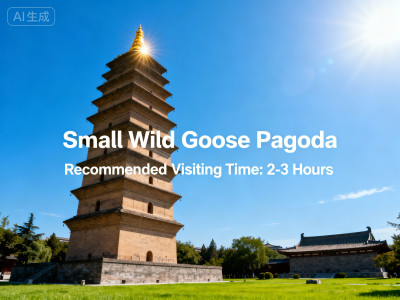
The Small Wild Goose Pagoda, also known as Jianfu Temple Pagoda, is a magnificent 43.4-meter tall brick pagoda built during the Tang Dynasty in 709 AD. Originally part of the Jianfu Temple complex, this elegant structure has survived over 1,300 years of history, including several major earthquakes that caused it to crack and miraculously heal itself. The pagoda stands as a testament to ancient Chinese architectural ingenuity and Buddhist cultural heritage. Unlike its larger counterpart, the Big Wild Goose Pagoda, this structure features a more slender and graceful design with fifteen tiers (though only thirteen remain intact). The pagoda was built to house Buddhist sutras and statues brought from India by the famous monk Yi Jing, who spent 25 years studying Buddhism in India and Sri Lanka. Today, the surrounding Xi'an Museum complex offers visitors a comprehensive cultural experience combining ancient architecture, historical artifacts, and beautiful gardens.
 Xi'an
Xi'an Museum
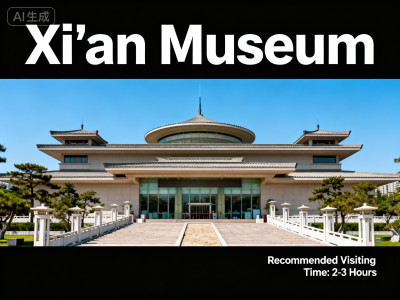
Xi'an Museum is a state-level museum that offers a fascinating journey through the 3,100-year history of Xi'an, one of China's oldest cities and the starting point of the Silk Road. Located near the iconic Small Wild Goose Pagoda, the museum complex beautifully integrates modern exhibition halls with historical architecture. The museum's collection spans from prehistoric times through the Zhou, Qin, Han, Tang dynasties to modern Xi'an, featuring over 130,000 cultural relics including exquisite bronze ware, pottery figures, gold and silver artifacts, and ancient calligraphy. The museum's design cleverly connects indoor exhibitions with outdoor historical sites, creating a seamless cultural experience that tells the story of how Xi'an evolved from the ancient capital of Chang'an to the vibrant modern city it is today.
 Xi'an
Tang Paradise Theme Park
Tang Paradise Theme Park is a spectacular recreation of the royal gardens and palaces from China's glorious Tang Dynasty (618-907 AD), often considered the golden age of Chinese civilization. Spanning over 165 acres, this magnificent park is built on the original site of the Tang Dynasty's Furong Garden, where emperors once entertained guests and held grand celebrations. The park masterfully combines historical authenticity with modern entertainment, featuring meticulously reconstructed Tang-style architecture, beautiful gardens, and cultural performances that bring the splendor of ancient Chang'an (modern-day Xi'an) back to life. As you wander through the park's eight themed zones, you'll encounter stunning palaces, tranquil lakes, flowing streams, and traditional pavilions, all designed according to historical records and archaeological findings. The park serves as both an educational experience and entertainment destination, offering visitors a unique opportunity to step back in time and experience the cultural richness of one of China's most prosperous dynasties.
 Xi'an
Forest of Stone Steles Museum
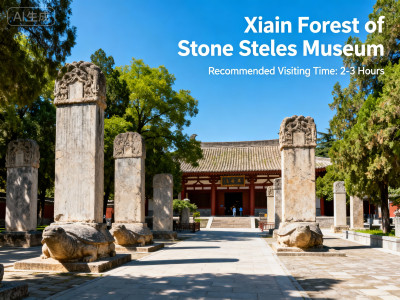
The Forest of Stone Steles Museum also known as the Beilin Museum is one of Chinas most important repositories of stone inscriptions and calligraphic masterpieces Located within the ancient city walls of Xian this museum houses over 3000 stone steles from various dynasties dating back to the Han Dynasty 206 BC220 AD The collection includes Confucian classics Buddhist sutras historical records and literary works carved on stone tablets The museum was originally established in 1087 during the Northern Song Dynasty to preserve the Kaicheng Stone Classics which contain the complete texts of the Confucian classics The steles serve not only as historical documents but also as masterpieces of Chinese calligraphy showcasing the evolution of Chinese script through different dynasties The museum complex itself is a beautiful traditional Chinese garden with pavilions corridors and courtyards creating a serene atmosphere for appreciating these ancient treasures
 Xi'an
Xian Confucius Temple
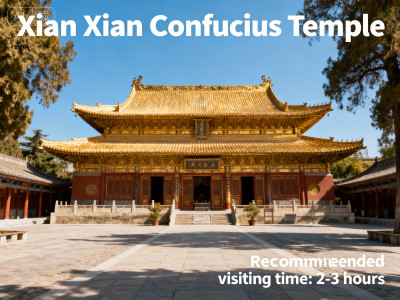
The Xi'an Confucius Temple, also known as the Confucian Temple of Xi'an, is one of the most well-preserved Confucian temples in China. Built during the Tang Dynasty (618-907 AD) and expanded during subsequent dynasties, this temple complex served as a center for Confucian worship, education, and imperial examinations. The temple features traditional Chinese architecture with elegant halls, stone tablets, and beautiful courtyards. It houses the famous Forest of Stone Steles Museum, which contains over 3,000 stone tablets inscribed with classical Chinese texts, including the complete Thirteen Confucian Classics. The temple represents the profound influence of Confucianism on Chinese culture, education, and social values throughout history.
 Xi'an
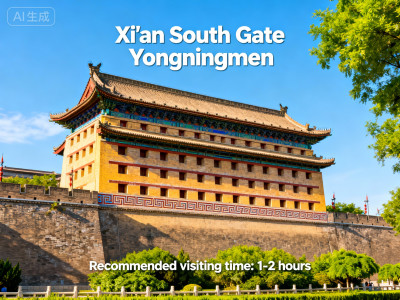
South Gate Yongningmen
Yongningmen, meaning Gate of Eternal Peace, stands as the southern main gate of Xi'an's Ming Dynasty city wall. Built in 1370 during the reign of Emperor Hongwu, this imposing structure represents one of the most complete ancient military defense systems in the world. The gate complex consists of three main sections: the watchtower, the archery tower, and the main gate tower, all connected by massive walls and courtyards. As the ceremonial entrance to the ancient capital, Yongningmen has witnessed countless historical events, from imperial processions to modern celebrations. The gate's strategic position facing southward reflects traditional Chinese cosmological principles, where the south direction symbolizes prosperity and imperial authority. Today, visitors can walk along the ancient ramparts, explore the gate towers, and experience the grandeur of China's imperial past while enjoying panoramic views of modern Xi'an.
 Shanghai
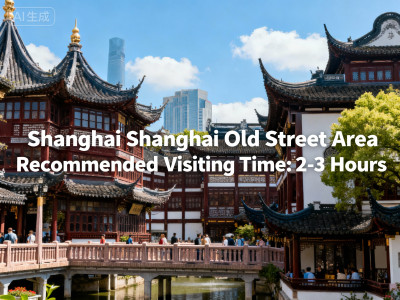
 Old Street Area
Shanghai Old Street Area also known as Fangbang Road is a historic district that preserves the authentic atmosphere of old Shanghai This area dates back to the Ming and Qing dynasties serving as the original commercial hub of the city The street stretches approximately 825 meters from Renmin Road to Henan Road and features traditional Chinese architecture with whitewashed walls black tiled roofs and intricate wooden lattice windows What makes this area truly special is its ability to transport visitors back in time while maintaining a lively contemporary atmosphere with shops tea houses and local eateries The area showcases Shanghais unique blend of Chinese and Western influences reflecting its history as a treaty port where Eastern and Western cultures converged
 Shanghai
Fuxing Park
Fuxing Park originally known as French Park is one of Shanghais most beautiful and historically significant public parks Located in the former French Concession area it was established in 1909 and designed by French landscape architects The park features classic French geometric garden layouts with symmetrical pathways flower beds and fountains combined with traditional Chinese garden elements Today it serves as a vibrant community space where locals practice tai chi dance and socialize amidst Europeanstyle architecture and lush greenery
 Shanghai
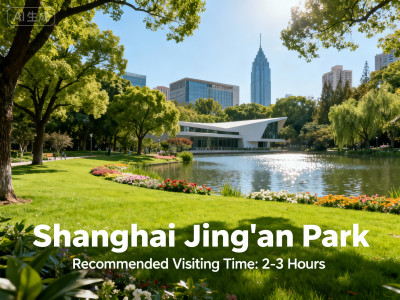
Jing'an Park
Jing'an Park is a beautifully designed urban green space located in the prestigious Jing'an District of Shanghai. Originally established in 1955, this park spans approximately 33,000 square meters and serves as a peaceful retreat from the surrounding skyscrapers and busy commercial areas. The park masterfully combines traditional Chinese garden elements with modern recreational facilities, featuring winding pathways, artificial hills, tranquil ponds, and carefully curated plantings that change with the seasons. What makes Jing'an Park particularly special is its harmonious coexistence with the adjacent Jing'an Temple, one of Shanghai's most important Buddhist temples dating back to the Three Kingdoms period (247 AD). The park offers visitors a unique opportunity to experience both spiritual tranquility and natural beauty within one of Shanghai's most dynamic urban centers.
 Shanghai
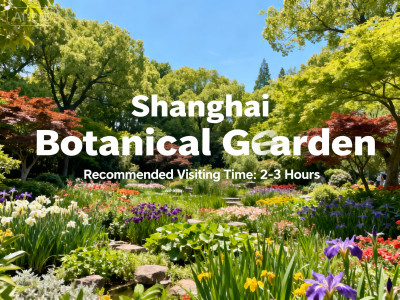
 Botanical Garden
Shanghai Botanical Garden established in 1974 is one of the largest botanical gardens in China spanning over 81 hectares Located in the southwestern part of Shanghai this living museum houses more than 6000 plant species including many rare and endangered varieties The garden is divided into several specialized sections each representing different botanical themes and ecosystems from traditional Chinese medicinal plants to exotic tropical species The design incorporates classical Chinese garden aesthetics with modern botanical science creating a harmonious blend of natural beauty and educational value Throughout the garden visitors can discover traditional Chinese pavilions winding pathways serene ponds and carefully curated plant collections that reflect Chinas long history of botanical study and appreciation
Want the days already arranged?
Open the guidebook