The places index · 505 places
Places worth
Landmarks with a story, neighbourhood corners with a slower pace and natural places that deserve more than a photograph. Use this index as a starting point, not a checklist.
 Beijing
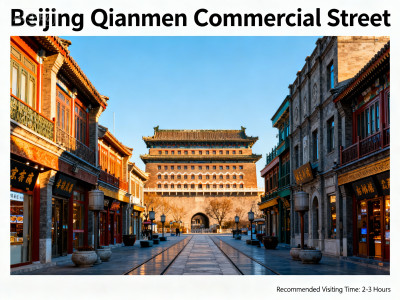
Qianmen Commercial Street
Qianmen Commercial Street, also known as Qianmen Street or Qianmen Dajie, is a 840-meter long pedestrian street that dates back to the Ming Dynasty (1368-1644). Located at the southern end of Tiananmen Square, it served as the main entrance to the imperial city during ancient times. The street has been meticulously restored to showcase traditional Chinese architectural styles while housing modern shops, restaurants, and cultural venues. The area represents a perfect fusion of Beijing's imperial history with contemporary urban life, offering visitors a unique glimpse into both old and new China.
 Beijing
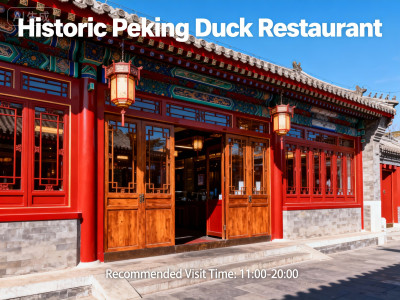
Historic Peking Duck Restaurant
The Historic Peking Duck Restaurant stands as a living testament to Chinas rich culinary heritage, tracing its origins back to the Qing Dynasty when Peking duck was exclusively served to the imperial court. This iconic establishment has perfected the art of roasting duck over fruitwood fires for centuries, maintaining traditional techniques passed down through generations of master chefs. The restaurant occupies a beautifully preserved courtyard complex that once served as a noble residence, featuring traditional Chinese architecture with intricate wood carvings, red lanterns, and elegant calligraphy adorning the walls. Each dining room tells a story of Beijings history, from the Imperial Hall with its Ming Dynasty furnishings to the more intimate Scholar Chambers where literati once gathered. The experience here transcends mere dining it is a cultural journey through time, where every aspect from the presentation of the glistening golden-brown duck to the ceremonial slicing by master carvers reflects centuries of culinary refinement. The restaurants commitment to authenticity extends to sourcing only the finest Beijing white ducks, specially bred for their tender meat and crisp skin, and using traditional recipes for the accompanying pancakes, sweet bean sauce, and fresh garnishes. Dining here connects visitors not just to exceptional food but to the very soul of Chinese gastronomic tradition.
 Beijing
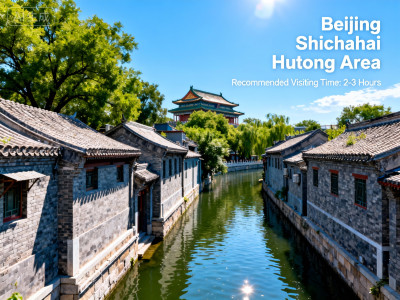
Shichahai Hutong Area
Shichahai Hutong Area is one of Beijings most picturesque and historically significant neighborhoods located northwest of the Forbidden City The area comprises three interconnected lakes Qianhai Front Sea Houhai Back Sea and Xihai West Sea surrounded by traditional courtyard houses siheyuan and ancient alleyways known as hutongs This area dates back to the Yuan Dynasty 12711368 when it served as the northern terminus of the Grand Canal During the Ming and Qing dynasties it became a popular retreat for nobles and officials who built elegant mansions along its shores Today Shichahai preserves the authentic atmosphere of old Beijing with its winding hutongs traditional architecture and vibrant local life The area is particularly famous for its beautiful lakeside scenery historic sites like Prince Gongs Mansion and the Bell and Drum Towers and its lively nightlife scene around Houhai Bar Street
 Beijing
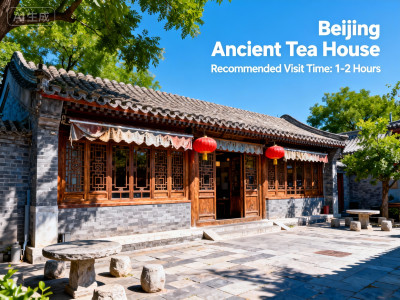
Ancient Tea House
The Ancient Tea House in Beijing is a living museum of Chinese tea culture where visitors can experience authentic tea ceremonies dating back to the Ming and Qing dynasties. Located in a beautifully restored courtyard house with traditional architecture, this establishment offers more than just tea tasting - it's a journey through China's rich tea heritage. The tea masters here are trained in traditional brewing techniques and can explain the intricate processes of tea selection, preparation, and appreciation. The atmosphere is serene and contemplative, with antique furniture, classical Chinese music, and the gentle aroma of various teas filling the air. Visitors can learn about different tea varieties including Longjing green tea, Tieguanyin oolong, Pu'er fermented tea, and delicate white teas, each with its own unique history and health benefits.
 Beijing
 Morning Market
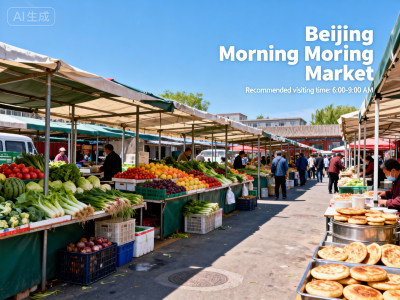
The Beijing Morning Market is not just a place to shop but a living cultural experience that showcases the authentic daily life of Beijing residents. As dawn breaks over the ancient capital, this market comes to life with the hustle and bustle of vendors setting up their stalls, offering everything from the freshest seasonal vegetables and fruits to traditional Beijing snacks and breakfast items. The air fills with the aromas of steaming baozi (steamed buns), youtiao (fried dough sticks), and doujiang (soybean milk) - the classic Beijing breakfast combination. Here you can witness the traditional way of shopping that has existed for centuries, where bargaining is an art form and personal connections between vendors and regular customers create a warm community atmosphere. The market represents the perfect blend of old Beijing traditions and modern urban life, offering visitors a genuine glimpse into how locals start their day.
 Beijing
Cooking School Kitchen
Located in the vibrant Dongcheng District, Cooking School Kitchen offers immersive Chinese cooking classes that blend culinary education with cultural exploration. This hands-on experience takes participants through the rich tapestry of Chinese cuisine, from basic knife skills to complex flavor balancing techniques. Under the guidance of expert chefs, visitors learn to prepare classic Beijing dishes like Peking Duck, Zhajiangmian (Beijing noodles), and traditional dumplings. The school emphasizes the philosophy of Chinese cooking where food is medicine and every ingredient serves a purpose. Classes are conducted in a traditional courtyard setting, providing an authentic atmosphere that connects cooking with Chinese heritage. Participants not only learn recipes but also gain insights into Chinese dining etiquette, ingredient selection at local markets, and the cultural significance of various dishes in Chinese festivals and daily life.
 Beijing
Workshop Dining Area
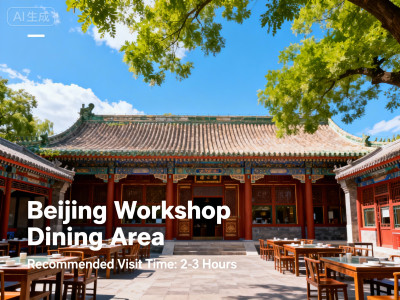
A unique dining area integrated within a cultural or creative workshop environment, offering local cuisine amidst artistic surroundings.
 Beijing
Niujie Muslim Quarter
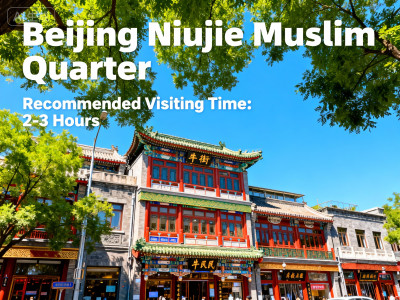
Niujie Muslim Quarter also known as Ox Street is Beijings oldest and most significant Muslim community established during the Liao Dynasty over 1000 years ago This historic neighborhood serves as the cultural and religious center for Beijings Hui Muslim population The area features traditional Islamic architecture authentic halal cuisine and vibrant community life centered around the magnificent Niujie Mosque which is the oldest and largest mosque in Beijing The quarter preserves the unique cultural heritage of Chinese Muslims blending Islamic traditions with Chinese architectural styles creating a fascinating cultural fusion that reflects centuries of harmonious coexistence
 Beijing
Traditional Hot Pot Restaurant
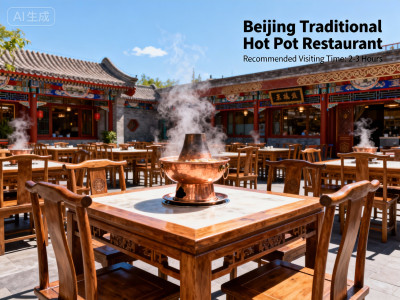
Traditional Hot Pot Restaurant in Beijing offers an immersive dining experience that showcases Chinas rich culinary heritage. Hot pot known as huoguo in Chinese has been a beloved communal dining tradition for over 1000 years dating back to the Mongol Empire. This restaurant preserves the authentic Beijing style hot pot characterized by its clear broth copper pots and emphasis on highquality ingredients. The dining experience is not just about food but also about social connection as friends and family gather around a simmering pot sharing stories while cooking their favorite ingredients. The restaurant features traditional decor with wooden furniture red lanterns and Chinese calligraphy creating an atmosphere that transports diners to old Beijing. The signature copper hot pot with its distinctive chimney shape is heated by charcoal maintaining the authentic cooking method that has been used for centuries. The broth is carefully simmered for hours using premium ingredients like goji berries Chinese dates ginger and scallions creating a delicate yet flavorful base that enhances rather than overwhelms the natural taste of the ingredients. What sets Beijing hot pot apart is its emphasis on simplicity and quality allowing diners to appreciate the natural flavors of each ingredient. The restaurant offers a wide selection of premium meats including thinly sliced lamb shoulder handcut beef and various organ meats all prepared with traditional techniques. Fresh vegetables handmade noodles and authentic Beijing style dipping sauces complete the experience. The sesame sauce a Beijing specialty is particularly noteworthy made from ground sesame seeds mixed with fermented bean curd cilantro and other secret ingredients. Dining here is not just a meal its a cultural journey through Beijings culinary history where every element from the cooking method to the presentation reflects centuries of tradition and refinement.
 Beijing
Summer Palace Gardens
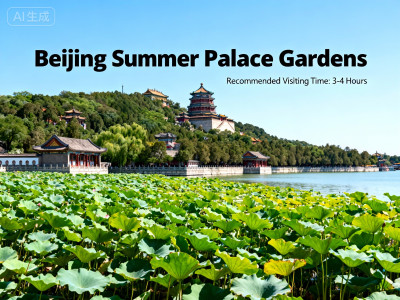
The Summer Palace Gardens originally known as the Garden of Clear Ripples is a vast ensemble of lakes gardens and palaces in Beijing China Dominating the complex is Longevity Hill and Kunming Lake which together create a stunning landscape that exemplifies the philosophy of Chinese garden design The site covers an area of 29 square kilometers three quarters of which is water The gardens were initially built in 1750 during the reign of Emperor Qianlong of the Qing Dynasty as a luxurious royal garden for the imperial family to escape the summer heat of the Forbidden City The design incorporates traditional Chinese gardening techniques that emphasize the harmony between manmade structures and natural elements creating a perfect balance between architecture and nature The gardens were destroyed during the Second Opium War in 1860 and rebuilt by Empress Dowager Cixi in 1888 using funds originally intended for the Chinese navy The Summer Palace Gardens represent the pinnacle of Chinese landscape garden design with its careful arrangement of hills water plants architecture and pavilions to create scenes of poetic beauty Every element from the placement of rocks to the curvature of bridges follows traditional Chinese aesthetic principles that seek to recreate and idealize nature The gardens feature over 3000 ancient structures including halls pavilions bridges and corridors that wind through the landscape The most famous structures include the Marble Boat the Long Corridor with its 14000 paintings the Tower of Buddhist Incense and the SeventeenArch Bridge The gardens were designated a UNESCO World Heritage Site in 1998 recognized as an outstanding expression of the creative art of Chinese landscape garden design with its natural landscapes of hills and open water combined with artificial features such as pavilions halls palaces temples and bridges to form a harmonious ensemble of exceptional aesthetic value
 Shijiazhuang
Zhaozhou Bridge
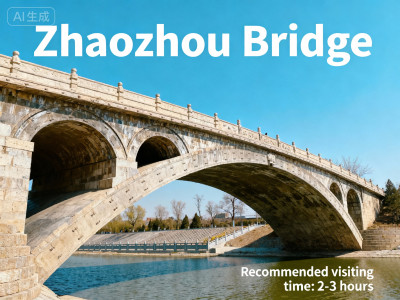
Zhaozhou Bridge also known as Anji Bridge is the worlds oldest open spandrel stone segmental arch bridge located in Zhaoxian County about 40 kilometers southeast of Shijiazhuang Hebei Province Built between 595 and 605 AD during the Sui Dynasty this architectural marvel has stood for over 1400 years surviving numerous floods earthquakes and wars The bridge spans 502 meters with a main arch of 373 meters and was designed by the brilliant engineer Li Chun Its innovative design features four smaller arches on each side of the main arch which allow floodwaters to pass through reducing pressure on the structure The bridge represents the pinnacle of ancient Chinese engineering and has influenced bridge construction worldwide for centuries
 Shijiazhuang
Bailin Temple
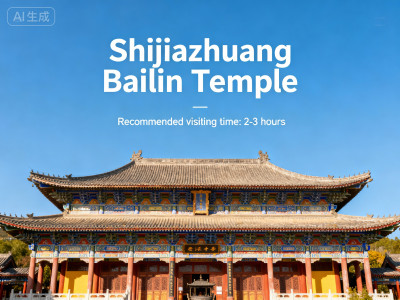
Bailin Temple also known as the White Forest Temple is a renowned Buddhist monastery located in Zhaoxian County Shijiazhuang Hebei Province Established during the Eastern Han Dynasty around 200 AD it has witnessed the rise and fall of numerous Chinese dynasties The temple is particularly famous for its association with Master Faxian one of Chinas most celebrated Buddhist monks who traveled to India to bring back sacred Buddhist scriptures The temple complex features traditional Chinese Buddhist architecture with multiple halls pagodas and courtyards arranged in a symmetrical layout reflecting the harmony and balance central to Buddhist philosophy The main hall houses precious Buddhist statues and artifacts while the surrounding gardens create a serene atmosphere for meditation and reflection Bailin Temple serves not only as a religious center but also as a living museum of Chinese Buddhist history and culture attracting pilgrims scholars and tourists from around the world
 Shijiazhuang
Longxing Temple
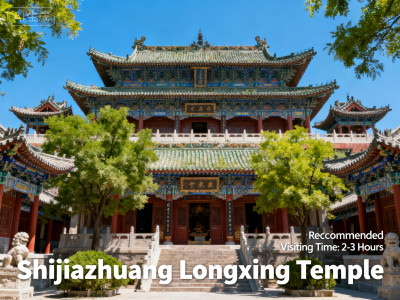
Longxing Temple, also known as the Great Buddha Temple, is located in Zhengding County of Shijiazhuang. Founded during the Sui Dynasty in 586 AD, this sprawling temple complex covers an area of 82,500 square meters and represents one of the most complete and well-preserved Song Dynasty Buddhist temple complexes in China. The temple is renowned for its magnificent architecture, exquisite Buddhist statues, and rich historical significance. It served as an important center for Buddhist worship and study throughout Chinese history, particularly during the Song, Jin, and Yuan dynasties. The temple complex features numerous halls, pavilions, and towers arranged along a central axis, showcasing traditional Chinese temple architecture at its finest. The most famous attraction is the 21.3-meter tall bronze statue of Guanyin, the Goddess of Mercy, housed in the Dabei Pavilion. This thousand-armed, thousand-eyed Guanyin is considered one of the most impressive Buddhist sculptures in China. The temple also contains valuable collections of stone steles, ancient scriptures, and Buddhist artifacts that provide insights into the development of Buddhism in northern China.
 Shijiazhuang
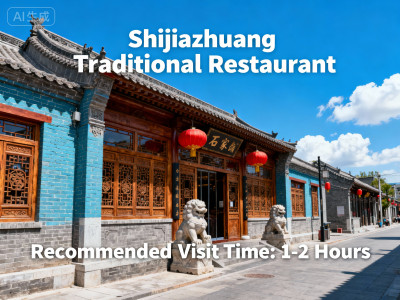
Traditional Restaurant
This traditional restaurant in Shijiazhuang offers a genuine taste of Hebei provinces culinary heritage Located in the heart of the city it serves as a cultural gateway to Northern Chinese food traditions The restaurant specializes in authentic local dishes that have been passed down through generations featuring hearty flavors and timehonored cooking techniques From handpulled noodles to savory dumplings each dish tells a story of Hebeis agricultural abundance and culinary craftsmanship The dining experience is enhanced by traditional decor featuring wooden furniture paper lanterns and calligraphy that reflects the regions cultural identity The restaurant sources ingredients locally including fresh vegetables from surrounding farmlands and premium wheat from the North China Plain making it a true representation of terroir dining Whether youre seeking classic Hebei specialties or exploring Northern Chinese cuisine for the first time this establishment provides an immersive journey into Chinas rich food culture
 Shijiazhuang
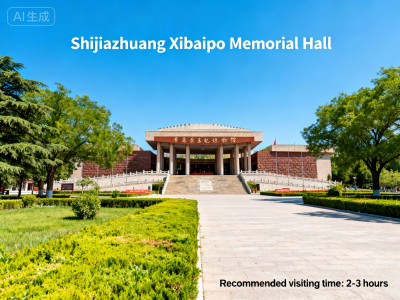
Xibaipo Memorial Hall
Xibaipo Memorial Hall is a significant historical site located in Pingshan County, Shijiazhuang, Hebei Province. It was here that the Central Committee of the Communist Party of China and Chairman Mao Zedong commanded the decisive battles of the Liberation War from May 1948 to March 1949. This humble village served as the last rural revolutionary headquarters before the Party moved to Beijing. The memorial complex preserves the original residences of revolutionary leaders, military command centers, and historical artifacts that tell the story of China's revolutionary struggle. Visitors can walk through the same courtyards where Mao Zedong, Zhou Enlai, Liu Shaoqi, and other leaders lived and worked, making strategic decisions that shaped modern China. The site represents the spirit of perseverance, unity, and revolutionary determination that led to the establishment of the People's Republic of China.
 Shijiazhuang
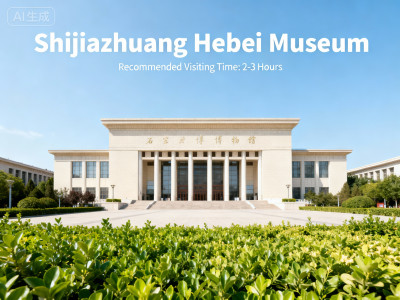
Hebei Museum
Located in the heart of Shijiazhuang the Hebei Museum stands as a magnificent cultural landmark representing the rich heritage of Hebei Province The museum building itself is an architectural masterpiece combining traditional Chinese elements with modern design The museum houses an extensive collection of over 240000 cultural relics including bronze ware ceramics jade artifacts ancient coins calligraphy paintings and historical documents The exhibitions are organized chronologically taking visitors on a journey through Hebei's history from prehistoric times through the Warring States period Han Dynasty Tang Dynasty Song Dynasty Yuan Dynasty Ming Dynasty and Qing Dynasty up to modern times One of the museum's highlights is its collection of artifacts from the Zhongshan Kingdom an ancient state that flourished during the Warring States period The museum also features special exhibitions on Hebei's revolutionary history traditional folk arts and the provinces natural resources The interactive displays and multimedia presentations make the museum experience engaging for visitors of all ages
 Shijiazhuang
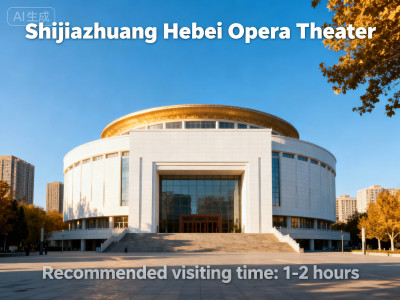
Hebei Opera Theater
The Hebei Opera Theater stands as a cultural landmark in Shijiazhuang dedicated to preserving and promoting the traditional art forms of Hebei Province Established in the mid20th century this theater has become the epicenter for Hebei Bangzi opera one of Chinas most distinctive regional opera styles The theaters architecture blends traditional Chinese elements with modern theatrical design creating an immersive environment for audiences to experience authentic Chinese opera The venue hosts regular performances by renowned opera troupes featuring elaborate costumes intricate makeup and captivating storytelling through song and dance Beyond performances the theater also serves as an educational center offering workshops and exhibitions that introduce visitors to the history and techniques of Chinese opera The Hebei Opera Theater represents a living tradition where ancient art forms continue to thrive in contemporary society
 Shijiazhuang
Local Markets
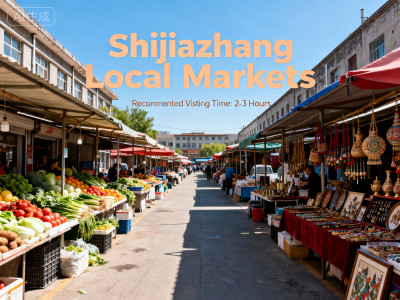
Shijiazhuangs local markets offer an immersive cultural experience showcasing the authentic daily life of Hebei Province. These bustling markets are not just shopping destinations but living museums of traditional Chinese commerce and community interaction. From the historic Nansan Market to the lively vegetable markets in old neighborhoods, each market tells a story of Shijiazhuangs development from a small railway town to a major provincial capital. The markets feature everything from fresh local produce like Hebei pears and walnuts to traditional handicrafts, herbal medicines, and street food that reflects the regions culinary heritage. The atmosphere is filled with the sounds of vendors calling out their goods, the aroma of freshly cooked local snacks, and the vibrant colors of seasonal fruits and vegetables. These markets serve as social hubs where locals gather to shop, chat, and maintain community connections that have endured for generations.
 Shijiazhuang
Mount Cangyan
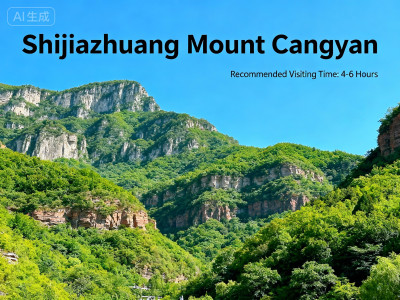
Mount Cangyan also known as Cangyan Mountain is a magnificent mountain range located about 50 kilometers southwest of Shijiazhuang in Hebei Province This sacred mountain is renowned for its unique combination of natural beauty and ancient Buddhist architecture The most famous feature is the Bridge Tower Temple a stunning architectural marvel built across a deep gorge connecting two cliffs The temples appear to cling precariously to sheer cliff faces creating a breathtaking sight that has inspired poets and pilgrims for over 1400 years The mountain gets its name Cangyan which means Azure Cliff from the bluish gray color of its rocks particularly striking at sunrise and sunset The area features numerous ancient temples pavilions and stone inscriptions dating back to the Sui and Tang dynasties making it not only a natural wonder but also a significant cultural and religious site
 Shijiazhuang
Bridge Temple
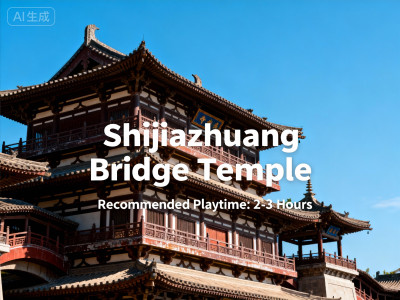
The Bridge Temple also known as Zhaozhou Bridge Temple is one of Chinas most fascinating historical sites located in Zhaoxian County Shijiazhuang This remarkable structure combines a magnificent ancient stone bridge with a traditional Buddhist temple creating a perfect harmony between engineering brilliance and spiritual significance The original Zhaozhou Bridge built during the Sui Dynasty 581618 AD is the worlds oldest open spandrel stone segmental arch bridge and a UNESCO World Heritage site candidate The temple complex was later constructed on the bridge showcasing the seamless integration of practical infrastructure and religious architecture that characterizes traditional Chinese philosophy
 Shijiazhuang
Mountain Temples
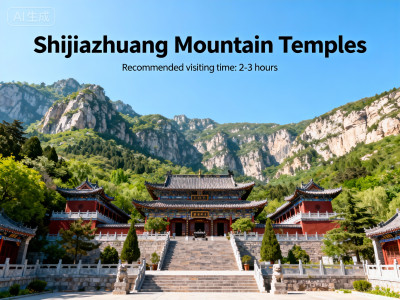
The Mountain Temples of Shijiazhuang represent a remarkable collection of Buddhist temples dating back to the Northern Wei Dynasty 386-535 AD and continuing through successive dynasties These sacred sites are strategically built into the natural mountain landscape creating a harmonious blend of human artistry and natural beauty The temples feature traditional Chinese Buddhist architecture with intricate wood carvings stone sculptures and colorful murals depicting Buddhist teachings and legends Many temples house ancient scriptures bronze statues and cultural relics that have survived centuries of history The mountain setting provides not only spiritual tranquility but also breathtaking panoramic views of the surrounding Hebei countryside making it both a religious pilgrimage site and a natural wonder
 Shijiazhuang
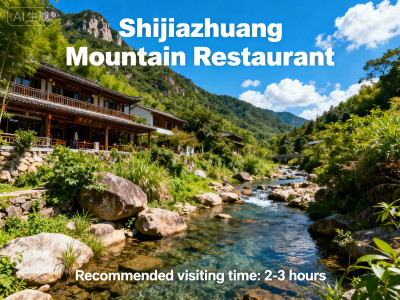
Mountain Restaurant
Mountain Restaurant is not just a dining establishment but a complete cultural and culinary experience located in the picturesque mountains near Shijiazhuang. This restaurant combines traditional Hebei cooking techniques with modern presentation, all while providing panoramic views of the surrounding natural landscape. The restaurant is built using local stone and wood, blending seamlessly with its mountainous environment. Specializing in dishes made from locally sourced ingredients including wild herbs, mountain mushrooms, and free-range poultry, the restaurant offers an authentic taste of Hebei province's culinary heritage. The establishment is particularly famous for its traditional clay pot dishes cooked over wood fire, which have been prepared using methods passed down through generations. The restaurant's location makes it a perfect stop for tourists exploring the nearby scenic areas, offering both nourishment and a chance to appreciate the natural beauty of the region.
 Shijiazhuang
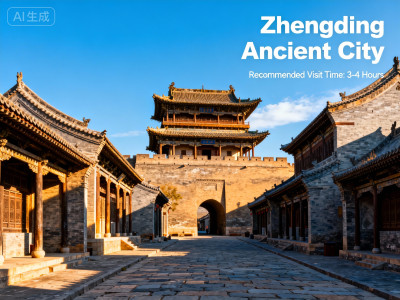
Zhengding Ancient City
Zhengding Ancient City located in Shijiazhuang Hebei Province is one of Chinas most wellpreserved ancient cities with a history dating back to the Northern Wei Dynasty 386534 AD The city is renowned for its exceptional collection of ancient architecture including temples pagodas and city walls that showcase the evolution of Chinese architectural styles through various dynasties Often called the Treasure House of Ancient Architecture Zhengding boasts nine nationallevel cultural relics and numerous provinciallevel protected sites The citys layout follows traditional Chinese urban planning principles with a central axis and symmetrical arrangement reflecting ancient cosmological beliefs
 Shijiazhuang
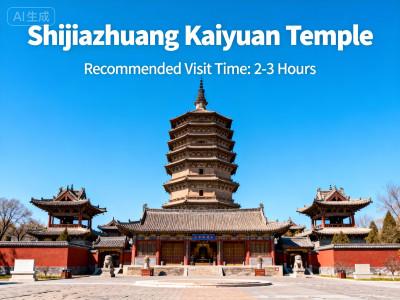
Kaiyuan Temple
Kaiyuan Temple also known as Kaiyuan Temple of Zhengding is one of the most important Buddhist temples in Hebei Province with a history dating back over 1400 years The temple was originally built during the Eastern Wei Dynasty 534550 AD and underwent significant expansion during the Tang Dynasty 618907 AD The temple complex covers an area of approximately 80000 square meters and features a harmonious blend of architectural styles from different dynasties The main structures include the Dabei Pavilion the Mani Hall the Zhuanlun Sutra Repository and the Bell and Drum Towers Each building represents the pinnacle of Chinese wooden architecture with intricate carvings colorful paintings and exquisite craftsmanship The temple houses numerous cultural relics including ancient Buddhist scriptures stone inscriptions and statues that reflect the deep spiritual traditions of Chinese Buddhism
 Shijiazhuang
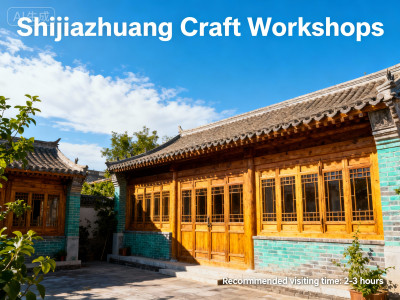
Craft Workshops
Shijiazhuang Craft Workshops offer visitors a unique opportunity to immerse themselves in the traditional arts and crafts of Hebei Province. These workshops showcase centuries-old techniques passed down through generations, allowing you to witness and participate in the creation of exquisite handicrafts. From intricate paper-cutting and delicate embroidery to traditional pottery and wood carving, each workshop provides a window into the cultural heritage of northern China. The skilled artisans not only demonstrate their craft but also share stories about the historical significance and cultural symbolism behind each art form. This interactive experience connects you with the living traditions that have shaped the region's identity for centuries.
 Shijiazhuang
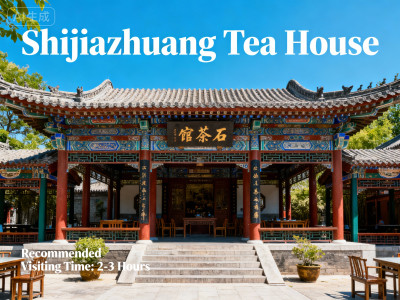
Tea House
This traditional tea house in Shijiazhuang provides visitors with an immersive experience into Chinas ancient tea culture Located in the heart of Hebei province the tea house offers authentic tea ceremonies guided by knowledgeable tea masters who demonstrate the intricate art of tea preparation The establishment features elegant traditional decor with wooden furniture calligraphy scrolls and serene ambiance perfect for relaxation and cultural exploration Visitors can learn about various Chinese tea varieties including famous Hebei teas like Jinxian tea and experience the meditative Gongfu tea ceremony The tea house also serves traditional Chinese snacks and desserts that complement the tea tasting experience
 Shijiazhuang
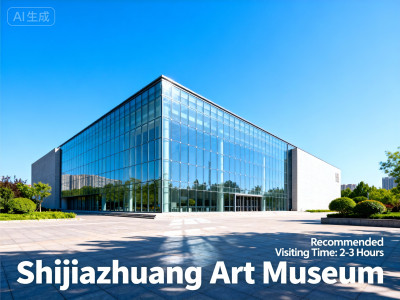
 Art Museum
The Shijiazhuang Art Museum stands as a premier cultural institution in Hebei Province, dedicated to preserving and promoting the rich artistic traditions of northern China while embracing contemporary creative expressions. Established to serve as a bridge between traditional Chinese art forms and modern artistic movements, the museum features extensive collections that span centuries of Chinese artistic development. The architecture itself is a work of art, blending modern design elements with traditional Chinese aesthetic principles, creating a harmonious space that enhances the visitor experience. The museum's galleries are thoughtfully curated to guide visitors through various periods of Chinese art history, from ancient pottery and bronze works to contemporary paintings and installations. Special emphasis is placed on local Hebei artists and craftspeople, highlighting the unique cultural identity of the region. The museum also serves as an educational hub, offering workshops, lectures, and interactive programs that make art accessible to people of all ages and backgrounds. Its location in Shijiazhuang, the capital of Hebei Province, positions it as a cultural center that attracts both local residents and international visitors interested in understanding China's artistic evolution.
 Shijiazhuang
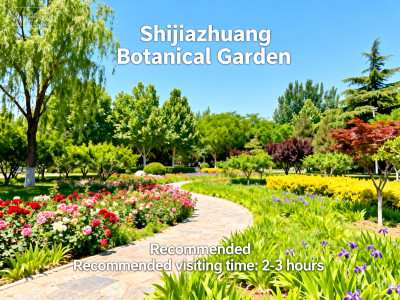
 Botanical Garden
Shijiazhuang Botanical Garden is a sprawling 40-hectare botanical paradise located in the capital city of Hebei Province. Established in 1985, this magnificent garden serves as both a recreational oasis for city residents and an important botanical research center. The garden features over 5,000 plant species from around the world, carefully organized into thematic sections that showcase the rich biodiversity of China and beyond. Visitors can explore beautifully landscaped gardens, tranquil water features, and educational exhibits that highlight the importance of plant conservation and ecological balance. The garden's design incorporates traditional Chinese garden aesthetics with modern botanical science, creating a harmonious blend of natural beauty and educational value. Throughout the seasons, the garden transforms with vibrant displays of cherry blossoms in spring, lush greenery in summer, fiery foliage in autumn, and serene snowscapes in winter. It's not just a collection of plants but a living museum that tells the story of botanical evolution and human interaction with nature.
 Shijiazhuang
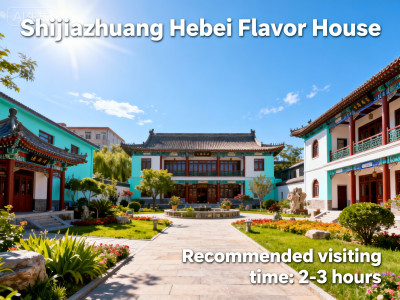
Hebei Flavor House
This popular local establishment offers a warm, family-friendly atmosphere and serves classic dishes from the Shijiazhuang region, prepared with time-honored recipes.
 Shijiazhuang
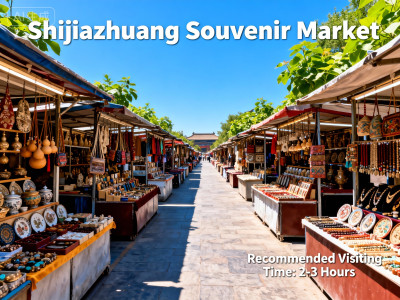
Souvenir Market
The Shijiazhuang Souvenir Market is a bustling cultural hub where visitors can immerse themselves in the authentic crafts and traditions of Hebei Province. Located in the heart of the provincial capital, this market offers a fascinating glimpse into local artistry and craftsmanship. The market features numerous stalls and shops selling everything from traditional paper cuttings and ceramic ware to exquisite silk products and hand-painted fans. What makes this market particularly special is its focus on preserving and promoting Hebei's unique cultural heritage, with many artisans demonstrating their skills on-site. The market atmosphere is lively yet authentic, providing visitors with an opportunity to interact directly with local craftspeople and learn about the stories behind each creation. From delicate porcelain pieces inspired by ancient Ding kiln techniques to colorful New Year paintings with auspicious motifs, every item tells a story of Hebei's rich history and artistic traditions.
 Guangzhou
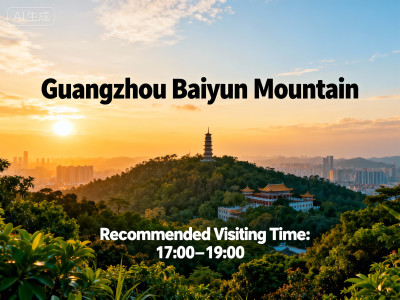
Baiyun Mountain Evening Views
Baiyun Mountain also known as White Cloud Mountain offers one of the most spectacular evening views in southern China As the sun sets over the Pearl River Delta the entire city of Guangzhou transforms into a glittering sea of lights stretching from the modern skyscrapers of Tianhe District to the historic landmarks along the Pearl River The mountain itself has been celebrated in Chinese poetry for over a thousand years with its evening scenery being particularly famous during the Tang and Song dynasties Today visitors can ascend via cable car or hiking trails to witness the magical transition from day to night when the citys iconic landmarks including Canton Tower and Guangzhou International Finance Center begin their nightly light shows The cool mountain breeze combined with the warm glow of the city below creates an unforgettable sensory experience
 Guangzhou
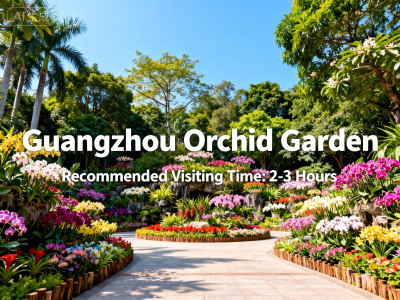
Orchid Garden
The Guangzhou Orchid Garden, established in 1957, is one of Chinas earliest and most comprehensive orchid conservation and exhibition centers. Spanning over 5 hectares, this botanical sanctuary houses more than 10,000 orchid plants representing over 200 species and varieties. The garden combines traditional Chinese landscape design with modern horticultural techniques, creating a harmonious environment where delicate orchids thrive alongside ancient trees, tranquil ponds, and traditional pavilions. As a living museum of orchid culture, it showcases the profound connection between orchids and Chinese civilization, where these elegant flowers have symbolized refinement, friendship, and moral integrity for over 2,500 years. The garden serves not only as a conservation center but also as an educational hub where visitors can appreciate the delicate beauty of these epiphytic wonders while learning about their cultural significance in Chinese art, literature, and philosophy.
 Guangzhou
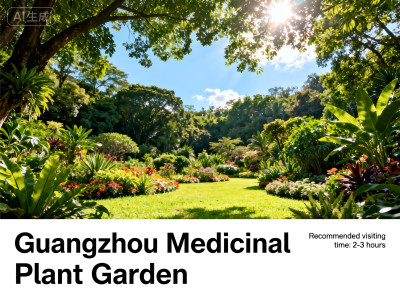
Medicinal Plant Garden
The Medicinal Plant Garden in Guangzhou is a unique botanical sanctuary dedicated to preserving and showcasing the rich heritage of Traditional Chinese Medicine TCM This garden serves as both an educational resource and a living laboratory where visitors can explore the natural origins of healing herbs that have been used in Chinese medicine for thousands of years The garden features meticulously organized sections representing different medicinal plant families therapeutic categories and regional specialties from across China Visitors can discover plants used for everything from common ailments to complex health conditions with detailed signage explaining each plants medicinal properties preparation methods and historical significance The garden also includes demonstration areas where traditional herbal processing techniques are showcased such as drying steaming and powdering of medicinal herbs This tranquil oasis in the heart of Guangzhou offers a fascinating journey through the botanical wisdom of Chinese civilization
 Guangzhou
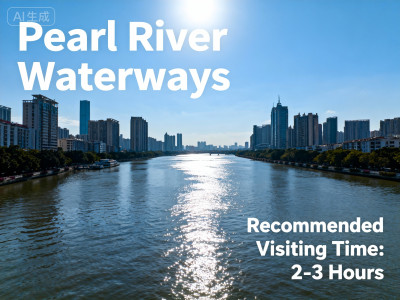
Pearl River Waterways
The Pearl River known as Zhujiang in Chinese is the third longest river in China and the lifeblood of Guangzhou As you cruise along its shimmering waters youll witness the remarkable transformation of this ancient city into a modern metropolis The waterways serve as a liquid stage where Guangzhou's 2000year history unfolds before your eyes From traditional Cantonese architecture to futuristic skyscrapers the riverbanks tell stories of maritime trade cultural exchange and economic prosperity that have shaped southern China for centuries
 Guangzhou
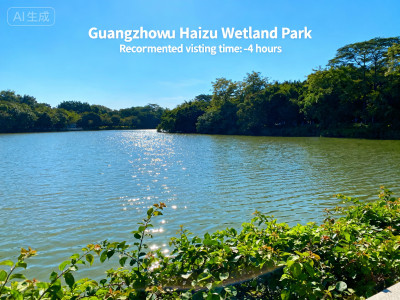
Haizhu Wetland Park
Haizhu Wetland Park is the largest urban wetland park in China covering approximately 1100 hectares Located in the heart of Guangzhou this ecological wonderland serves as the citys green lung and a vital habitat for diverse flora and fauna The park features a complex network of rivers canals ponds and marshes that create a unique ecosystem within a bustling metropolis Originally part of the Pearl River Delta wetlands Haizhu Wetland has been carefully preserved and developed to showcase the harmonious coexistence of urban development and natural conservation Visitors can explore traditional Lingnan water villages fruit orchards and ecological zones while observing migratory birds and native wildlife The park represents a perfect example of sustainable urban planning where ancient farming traditions meet modern ecological protection
 Guangzhou
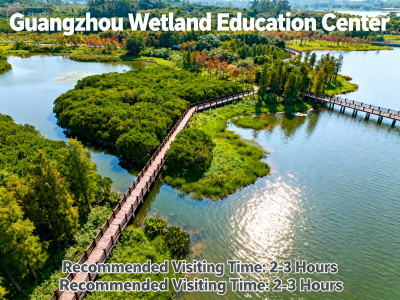
Wetland Education Center
The Guangzhou Wetland Education Center is a remarkable facility dedicated to environmental education and wetland conservation located in the heart of the Pearl River Delta region This center serves as both an educational hub and a living laboratory where visitors can explore the intricate wetland ecosystems that have shaped Guangzhous natural and cultural history The center features interactive exhibits wetland observation areas and educational programs that highlight the importance of wetlands in flood control water purification and biodiversity conservation Visitors can learn about the unique flora and fauna of southern Chinas wetlands including migratory birds aquatic plants and various wetland species that thrive in this subtropical environment The center also addresses the challenges of wetland conservation in rapidly urbanizing areas and showcases sustainable practices for wetland restoration and protection
 Guangzhou
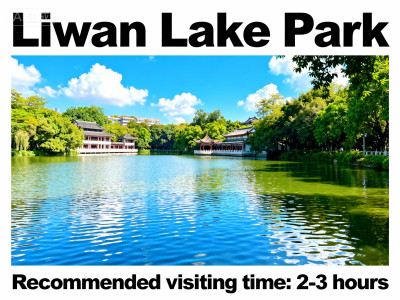
Liwan Lake Park
Liwan Lake Park also known as Liwanhu Park is one of Guangzhous most cherished urban green spaces with a history dating back to the Tang Dynasty The park covers approximately 40 hectares centered around the picturesque Liwan Lake which was originally part of the Pearl River delta The name Liwan translates to Lotus Bay reflecting the parks signature lotus flowers that bloom spectacularly during summer months This park represents the essence of Lingnan garden design characterized by its integration of water landscapes pavilions bridges and lush vegetation creating a harmonious balance between natural scenery and human artistry Throughout its long history the park has been a gathering place for poets scholars and artists who found inspiration in its tranquil beauty Today it serves as both a cultural landmark and a beloved recreational space for locals and visitors alike
 Guangzhou
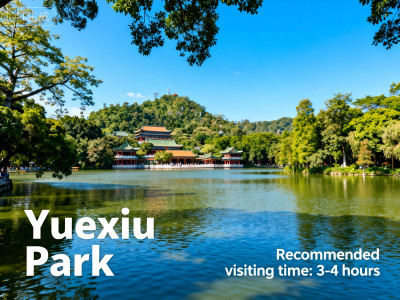
Yuexiu Park
Yuexiu Park covers an area of 860000 square meters and is composed of seven hills and three artificial lakes It represents the perfect integration of natural landscapes cultural relics and recreational facilities The park features three main lakes Dongxiu Lake Nanxiu Lake and Beixiu Lake which are connected by bridges and pathways creating a picturesque waterscape The park is home to several significant cultural landmarks including the iconic Five Rams Statue which symbolizes Guangzhou as the City of Rams and the Zhenhai Tower which houses the Guangzhou Museum With its lush greenery tranquil lakes and rich historical heritage Yuexiu Park offers visitors a peaceful retreat from the bustling city while showcasing Guangzhous unique cultural identity
 Guangzhou
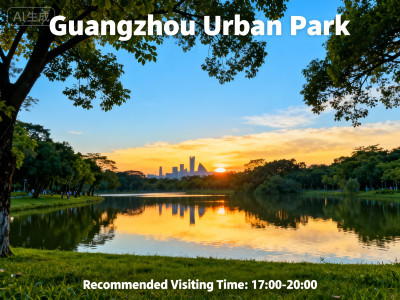
Urban Park Evening Experience
Guangzhou's urban parks transform into magical realms as night falls offering a unique blend of traditional Chinese garden culture modern city lights and local lifestyle experiences This evening tour showcases how Cantonese people enjoy their leisure time in beautifully landscaped parks that serve as green lungs within the bustling metropolis From the shimmering reflections on lakes to the soft glow of traditional lanterns and the lively atmosphere of evening activities these parks provide a serene escape from the citys fast pace while remaining deeply connected to its cultural heritage
 Guangzhou
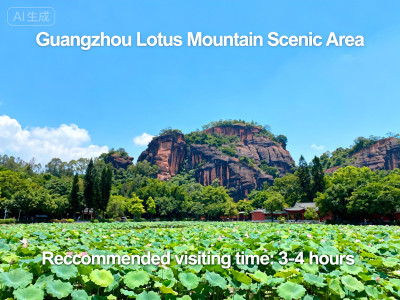
Lotus Mountain Scenic Area
Lotus Mountain Scenic Area is one of Guangzhous most iconic natural landmarks located in Panyu District about 30 kilometers from downtown Guangzhou The area covers approximately 234 square kilometers and features spectacular granite peaks that resemble blooming lotus flowers hence its name The scenic area combines stunning natural landscapes with profound cultural significance dating back over 2000 years to the Qin Dynasty The most famous attraction is the Lotus Tower a magnificent 408-meter-tall pagoda that offers panoramic views of the Pearl River Delta The area also contains ancient quarry sites where red granite was mined for construction of important historical buildings including parts of the Forbidden City in Beijing The natural scenery includes lush forests crystal clear lakes waterfalls and unique rock formations that have been shaped by centuries of weathering creating a truly magical landscape
 Guangzhou
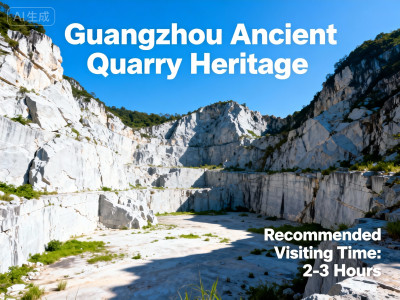
Ancient Quarry Heritage
The Ancient Quarry Heritage in Guangzhou is a fascinating archaeological site that preserves the legacy of stone quarrying dating back over 2,000 years. Located in the Baiyun District, this heritage site offers a unique glimpse into the ancient techniques used to extract and process stone for construction during various Chinese dynasties. The quarry played a crucial role in building Guangzhou's historical landmarks, including temples, city walls, and traditional architecture. Visitors can explore the massive stone pits, observe the intricate quarrying marks left by ancient craftsmen, and learn about the geological significance of the area. The site also features educational displays about traditional stone carving techniques and the cultural importance of stone in Chinese architecture and art.
 Guangzhou
Lotus Mountain Sunset Views
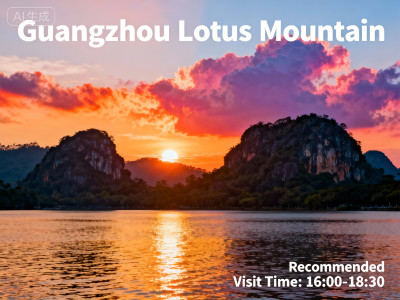
Lotus Mountain also known as Lianhua Shan is a magnificent natural wonder located in Panyu District of Guangzhou Rising 108 meters above sea level this ancient mountain is renowned for its unique geological formations resembling blooming lotus flowers The sunset views from the mountain are particularly spectacular offering panoramic vistas of the Pearl River Delta and surrounding countryside The mountain holds deep cultural significance as it was once the site of ancient Buddhist temples and stone quarries dating back over 2000 years to the Western Han Dynasty Today visitors can witness the magical transformation of the landscape as the sun sets over the delta painting the sky in vibrant hues of orange pink and purple while the ancient stone carvings and pagodas are silhouetted against the colorful sky
 Guangzhou
Huanghuagang Park
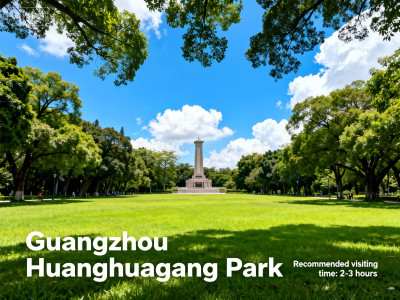
Huanghuagang Park also known as the Mausoleum of the 72 Martyrs is a significant historical site in Guangzhou that memorializes the Huanghuagang Uprising of April 27 1911 during the Xinhai Revolution This uprising was a pivotal event in Chinese history as it directly contributed to the overthrow of the Qing Dynasty and the establishment of the Republic of China The park covers approximately 130000 square meters and features a magnificent memorial archway traditional Chinese architecture lush gardens and the iconic 72 Martyrs Mausoleum The site beautifully blends historical significance with natural beauty creating a serene yet powerful atmosphere that honors the revolutionary heroes who sacrificed their lives for Chinas modernization
 Guangzhou
Dongshan Lake Park
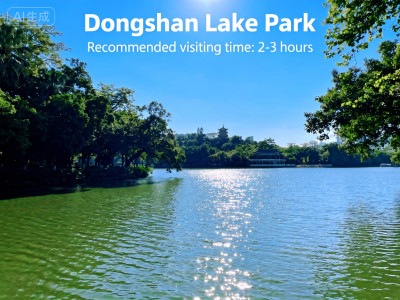
Dongshan Lake Park is one of Guangzhous most cherished green spaces located in the historic Dongshan district Known as the former residential area of overseas Chinese and wealthy merchants this park offers a tranquil escape from the bustling city The park centers around a beautiful artificial lake created in 1958 surrounded by lush gardens traditional pavilions and winding pathways The area was originally part of the Dongshan mansions estate showcasing a unique blend of Lingnan garden architecture and Western influences Visitors can enjoy the peaceful atmosphere while learning about the areas fascinating history as a hub for returned overseas Chinese during the early 20th century
 Changchun
Puppet Emperor Palace
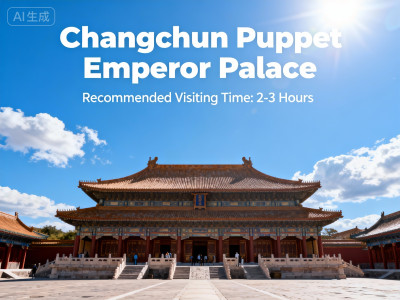
The Puppet Emperor Palace also known as the Manchukuo Imperial Palace was the official residence of Puyi the last emperor of China during his reign as the nominal ruler of the Japanese puppet state of Manchukuo from 1932 to 1945 Located in Changchun Jilin Province this historical complex serves as a poignant reminder of a turbulent period in Chinese history The palace complex covers approximately 43 hectares and consists of two main sections the inner court where Puyi lived with his family and the outer court where official ceremonies and government affairs were conducted The architecture blends traditional Chinese palace styles with Japanese and Western influences reflecting the complex political situation of the time Today the site has been transformed into a comprehensive museum that meticulously preserves this controversial chapter of history offering visitors a unique opportunity to explore the life of Chinas last emperor and understand the broader historical context of Japanese occupation in Northeast China
 Guangzhou
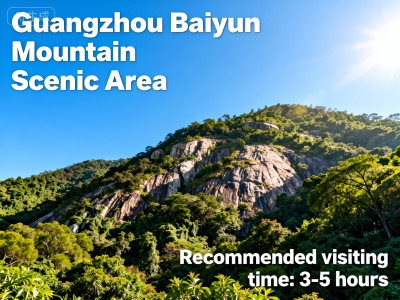
Baiyun Mountain Scenic Area
Baiyun Mountain, literally meaning White Cloud Mountain, stands as the highest peak in Guangzhou at 382 meters above sea level. This iconic landmark has been celebrated in Chinese poetry and literature for over a thousand years, with its name originating from the white clouds that often envelop its peaks after rainfall. The mountain spans 28 square kilometers and features seven main peaks, with Moxing Ridge as the highest point offering panoramic views of the entire Pearl River Delta region. The scenic area combines natural beauty with cultural significance, featuring ancient temples, historical sites, and modern recreational facilities. It serves as Guangzhou's most important ecological conservation area, home to over 800 species of plants and numerous wildlife species. The mountain has been a source of inspiration for poets, artists, and scholars throughout Chinese history, with its beauty changing dramatically through the four seasons - cherry blossoms in spring, lush greenery in summer, golden foliage in autumn, and occasional frost in winter.
 Guangzhou
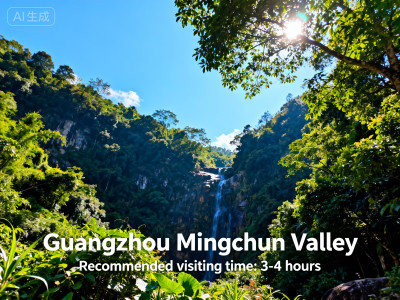
Mingchun Valley
Mingchun Valley, located within the Baiyun Mountain Scenic Area, is a picturesque valley known for its cascading waterfalls, crystal-clear streams, and tranquil forest paths. The name Mingchun translates to 'Singing Spring,' perfectly capturing the melodic sound of water flowing through the valley. This natural wonderland features multiple waterfall tiers, the most famous being the Mingchun Waterfall which drops 30 meters into a turquoise pool below. The valley is particularly famous for its spring blossoms and autumn foliage, creating a different visual spectacle each season. Traditional Chinese pavilions and stone bridges dot the landscape, blending harmoniously with the natural environment. The area has been developed with eco-friendly wooden walkways that allow visitors to explore without disturbing the delicate ecosystem. Local legends speak of ancient poets who found inspiration here, and the valley has been a source of artistic creativity for centuries. The microclimate created by the waterfalls and dense vegetation makes Mingchun Valley noticeably cooler than the surrounding Guangzhou area, providing a refreshing escape from the city's subtropical heat.
 Guangzhou
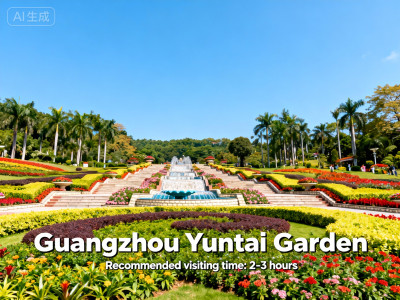
Yuntai Garden
Yuntai Garden is a stunning 120000 square meter botanical paradise located at the foot of Baiyun Mountain in Guangzhou. Established in 1995, this garden showcases exquisite European landscape architecture combined with traditional Chinese gardening techniques. The garden features meticulously designed floral displays, elegant fountains, classical sculptures, and beautifully manicured lawns that create a romantic and serene atmosphere. Yuntai Garden is particularly famous for its seasonal flower exhibitions, especially the spectacular rose garden which contains over 200 varieties of roses from around the world. The garden is divided into several themed areas including the Rose Garden, Rockery Garden, Water Garden, and European Garden, each offering unique visual experiences. With its perfect blend of Eastern and Western gardening philosophies, Yuntai Garden has become one of Guangzhou's most popular destinations for photography, relaxation, and appreciating the art of landscape design.
 Guangzhou
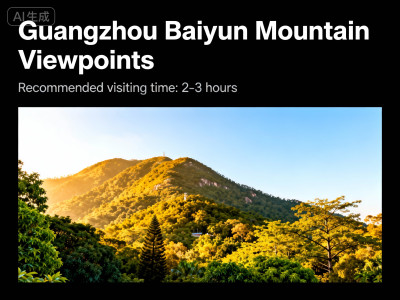
Baiyun Mountain Viewpoints
Baiyun Mountain or White Cloud Mountain is the highest peak in Guangzhou rising 382 meters above sea level This magnificent mountain range has been a beloved destination for locals and tourists for centuries offering stunning viewpoints that provide unparalleled panoramic vistas of Guangzhou The mountain gets its name from the white clouds that often envelop its peaks creating a mystical atmosphere The viewpoints are strategically located at various elevations each offering unique perspectives of the Pearl River Delta the modern Guangzhou skyline and the surrounding lush greenery
 Guangzhou
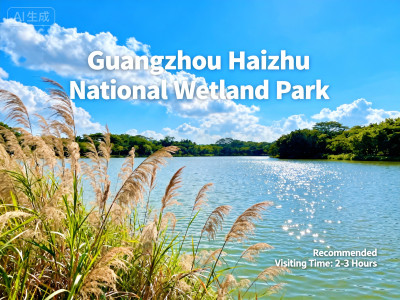
Haizhu National Wetland Park
Haizhu National Wetland Park is a remarkable ecological oasis spanning over 1100 hectares in the bustling metropolis of Guangzhou. Often called the 'Green Lung of Guangzhou', this park represents one of the most successful urban wetland conservation projects in China. The park features a diverse ecosystem with interconnected waterways, reed marshes, mangrove forests, and lotus ponds that provide habitat for over 100 species of birds including migratory species like black-faced spoonbills and egrets. The park's design incorporates traditional Lingnan water town elements with modern ecological engineering, creating a harmonious blend of nature and culture. Visitors can explore the wetland through elevated boardwalks that wind through the marshes, offering intimate encounters with the wetland ecosystem without disturbing its delicate balance. The park serves not only as a recreational space but also as an important educational center for environmental awareness and wetland conservation.
Want the days already arranged?
Open the guidebook