The places index · 505 places
Places worth
Landmarks with a story, neighbourhood corners with a slower pace and natural places that deserve more than a photograph. Use this index as a starting point, not a checklist.
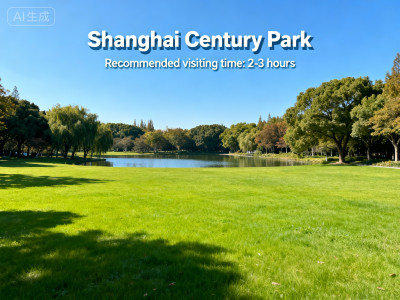 Shanghai
Century Park
Century Park is the largest urban park in Shanghai covering an area of 1403 hectares Located in the heart of Pudong New Area it serves as the green lung of the city The park was opened in 2000 to commemorate the new millennium hence its name The park features a perfect blend of Chinese and Western landscaping styles with seven distinct thematic areas including the International Garden Area Bird Island and the Central Lake The parks design incorporates elements from both traditional Chinese garden art and modern Western park concepts creating a harmonious space for relaxation recreation and cultural activities
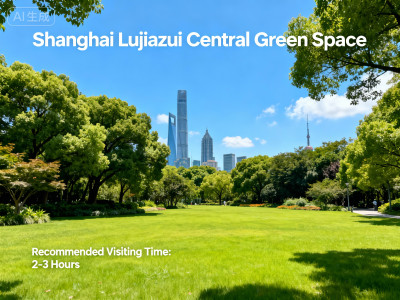 Shanghai
Lujiazui Central Green Space
Lujiazui Central Green Space is a beautifully designed urban park located in the heart of Shanghais financial district. This 100000 square meter green oasis provides a stunning contrast to the surrounding skyscrapers including the iconic Shanghai Tower Jin Mao Tower and Oriental Pearl Tower. The park features meticulously landscaped gardens water features walking paths and open lawns creating a serene escape from the bustling city life. Designed with both aesthetics and functionality in mind it serves as a popular gathering place for office workers tourists and local residents alike offering some of the best vantage points for photographing Shanghais famous skyline
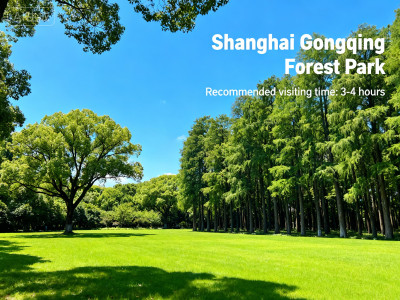 Shanghai
Gongqing Forest Park
Gongqing Forest Park also known as Gongqing National Forest Park is the largest urban forest park in Shanghai covering an area of 131 hectares Located in Yangpu District this green lung of the city was established in 1956 and has evolved into a comprehensive recreational area combining natural beauty cultural activities and ecological education The park features diverse landscapes including dense forests open meadows winding waterways and themed gardens creating a perfect escape from the urban hustle
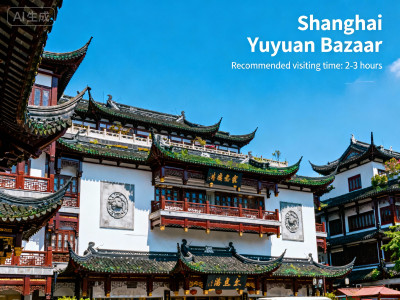 Shanghai
Yuyuan Bazaar
Yuyuan Bazaar, also known as Yuyuan Tourist Mart or City God Temple Market, is a bustling traditional Chinese market complex that dates back to the Ming Dynasty. Situated in the heart of Shanghai's Old City, this vibrant commercial area surrounds the famous Yuyuan Garden and the City God Temple. The bazaar features traditional Chinese architecture with curved roofs, intricate wood carvings, and beautiful lattice windows that transport visitors back to ancient China. The area is divided into several sections including the Old Street, the Mid-Lake Pavilion Teahouse area, and various shopping lanes. Yuyuan Bazaar is not just a shopping destination but a living museum of Shanghai's commercial history, where traditional craftsmanship meets modern tourism. The market has been a commercial hub for centuries, originally serving as a gathering place for merchants during the Ming and Qing dynasties. Today, it offers an authentic taste of old Shanghai while providing visitors with a wide array of traditional goods, local snacks, and cultural experiences.
 Beijing
Gulou Breakfast Street
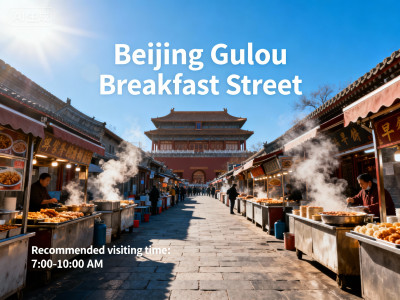
Gulou Breakfast Street, nestled in the historic Gulou area near the iconic Drum and Bell Towers, is a morning culinary destination that captures the essence of traditional Beijing breakfast culture. This bustling street comes alive at dawn as locals gather to enjoy authentic morning delicacies that have been passed down through generations. The area combines historical charm with culinary authenticity, creating a unique atmosphere where ancient architecture meets modern food culture. As you walk along this street, you'll encounter the sights, sounds, and aromas of traditional Beijing breakfast being prepared fresh before your eyes. From steaming baskets of baozi to sizzling jianbing crepes, every stall tells a story of Beijing's rich culinary heritage. The street offers not just food, but a complete cultural experience where you can observe daily life, interact with friendly vendors, and taste dishes that have been part of Beijing's morning routine for centuries.
 Beijing
Nanluoguxiang Hutong
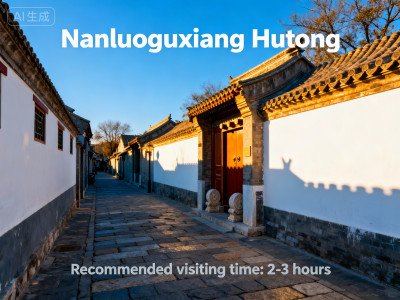
Nanluoguxiang Hutong is one of Beijings most famous and wellpreserved ancient alleyways dating back over 700 years to the Yuan Dynasty This 768meterlong hutong runs northsouth and is characterized by its traditional siheyuan courtyard houses that showcase classic Beijing architecture The name Nanluoguxiang literally means South Gong and Drum Alley referring to its historical function as a street where musical instruments were made and sold Today it has transformed into a lively pedestrian street that perfectly balances historical preservation with modern vitality preserving the authentic hutong atmosphere while hosting trendy cafes boutique shops art galleries and traditional teahouses
 Dalian
 City Introduction
Dalian is a major port city in Liaoning Province, renowned for its beautiful coastlines, pleasant climate, and unique blend of architectural styles. Originally a fishing village called Qingniwa, Dalian developed under Russian and Japanese influence in the late 19th and early 20th centuries, which is evident in its distinctive architecture. Today, it's a modern metropolis with lush parks, sandy beaches, and a thriving economy. The city's name means 'Great Connection' in Chinese, reflecting its strategic importance as a transportation hub. Dalian is famous for its seafood, fashion industry, and hosting the annual Dalian International Fashion Festival. The city's clean environment, European-style squares, and coastal scenery make it one of China's most livable and picturesque cities.
 Guangzhou
Haixinsha Island
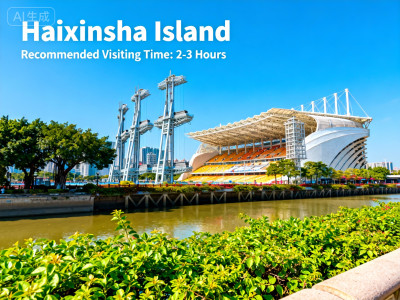
Haixinsha Island is a stunning man-made island located in the heart of Guangzhou's Pearl River. Created specifically for the 2010 Asian Games, this 176,000 square meter island has become one of Guangzhou's most recognizable landmarks. The island's name Haixinsha translates to Sea Heart Sand reflecting its position in the river. The island features a unique sail-shaped design with three main sections connected by bridges creating a harmonious blend of modern architecture and natural river scenery. The centerpiece is the magnificent Asian Games Park where the spectacular opening and closing ceremonies took place. Today Haixinsha serves as a multi-functional venue hosting major cultural events concerts and exhibitions while offering visitors breathtaking views of Guangzhou's skyline including the iconic Canton Tower and Guangzhou Opera House. The islands strategic location makes it a perfect spot to appreciate Guangzhou's transformation from a historic trading port to a modern metropolis.
 Guangzhou
Guangdong Museum
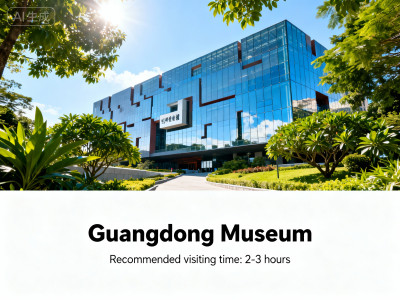
The Guangdong Museum is a magnificent modern architectural marvel located in the heart of Guangzhou on the southern bank of the Pearl River As one of Chinas largest provincial museums it houses over 160000 cultural relics spanning from prehistoric times to the modern era The museums distinctive design resembles a treasure box floating above a sea of water symbolizing the maritime heritage of Guangdong province Inside visitors can explore five major exhibition halls covering natural resources historical artifacts ceramics art and intangible cultural heritage The museum offers a comprehensive journey through Guangdong's 2000year history as a major trading port and cultural melting pot where Chinese traditions blended with foreign influences from around the world
 Guangzhou
 Opera House
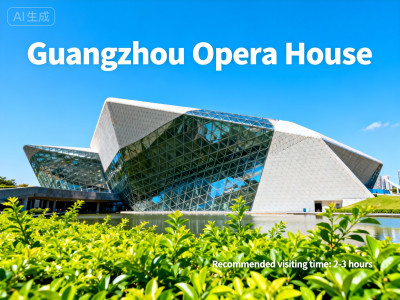
The Guangzhou Opera House, also known as the Guangzhou Grand Theatre, is a stunning architectural marvel that has become an iconic symbol of modern Guangzhou. Designed by the late British-Iraqi architect Dame Zaha Hadid, this futuristic structure opened in 2010 and represents a bold departure from traditional Chinese architecture. The building's fluid, organic forms resemble two smooth pebbles washed up by the Pearl River, creating a harmonious dialogue between nature and urban development. As one of the largest performing arts centers in China, it hosts world-class opera, ballet, symphony concerts, and theatrical performances. The interior features a 1,800-seat main hall and a 400-seat multifunctional hall, both equipped with state-of-the-art acoustics and lighting systems. The building's titanium and glass facade reflects the changing light throughout the day, creating a mesmerizing visual spectacle. Located in the heart of Guangzhou's new central business district, the Opera House stands as a testament to the city's transformation into a global metropolis while maintaining its cultural heritage.
 Guangzhou
Shangxiajiu Pedestrian Street
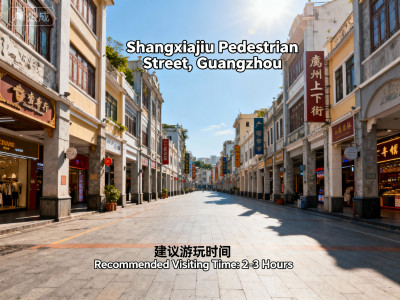
Shangxiajiu Pedestrian Street is one of the most famous commercial streets in Guangzhou with a history spanning over 1,200 years. Located in the historic Liwan District, this 1,237-meter-long pedestrian street preserves the traditional Lingnan architectural style with its iconic arcaded buildings featuring continuous covered walkways that protect pedestrians from both rain and sun. The street gets its name from the combination of Shangjiu Road, Xiajiu Road, and Dishifu Road. It represents the heart of old Guangzhou's commercial district and serves as a living museum of Cantonese culture, architecture, and commerce. The area flourished during the Qing Dynasty as a major trading hub and continues to be a bustling center for traditional Cantonese businesses, including herbal medicine shops, silk stores, tea houses, and local snack vendors. The architecture features Western-style arcades combined with traditional Chinese elements, creating a unique blend that reflects Guangzhou's history as a major port city and its interactions with foreign traders.
 Guangzhou
Temple of Six Banyan Trees
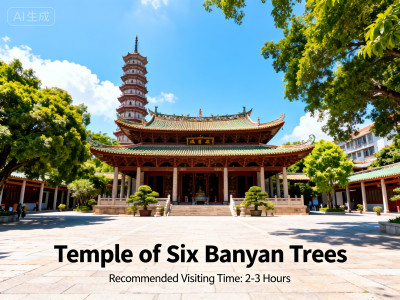
The Temple of Six Banyan Trees also known as Liurong Temple is one of Guangzhous most famous ancient Buddhist temples with a history spanning over 1400 years The temple was originally built in 537 AD during the Southern Dynasties period by Emperor Wu of Liang to house Buddhist relics brought from India The name Six Banyan Trees comes from the six ancient banyan trees that once grew in the temple courtyard planted by the famous poet Su Shi during the Song Dynasty The temples most prominent feature is the magnificent Flower Pagoda a 57 meter tall octagonal pagoda with nine stories that appears to have thirteen stories from the outside due to its architectural design The pagoda is adorned with colorful glazed tiles and intricate carvings earning it the name Flower Pagoda The temple complex includes several halls such as the Mahavira Hall Six Banyan Hall and Hall of Heavenly Kings each housing precious Buddhist statues and artifacts Throughout its long history the temple has been destroyed and rebuilt several times with the current structures dating mainly from the Qing Dynasty and later restorations Today it serves as both an active Buddhist monastery and a major cultural attraction showcasing the rich Buddhist heritage of Guangzhou
 Guangzhou
Guangxiao Temple
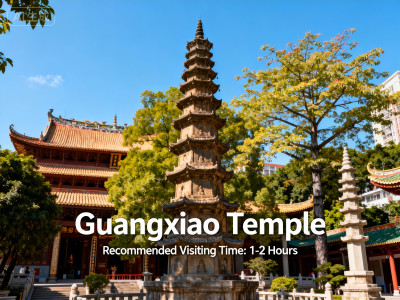
Guangxiao Temple also known as Bright Filial Piety Temple is the oldest Buddhist temple in Guangzhou with a history dating back to the Western Han Dynasty around 196 AD Originally built as the residence of Prince Zhao Jiande of the Nanyue Kingdom it was later converted into a Buddhist temple during the Three Kingdoms period The temple has served as a major center for Buddhist learning and practice in Southern China for centuries Many famous monks including the Sixth Patriarch of Chan Buddhism Huineng were ordained here The temple complex features traditional Chinese architecture with magnificent halls ancient trees and historical relics that showcase the rich Buddhist heritage of the Lingnan region
 Guangzhou
Sun Yatsen Memorial Hall
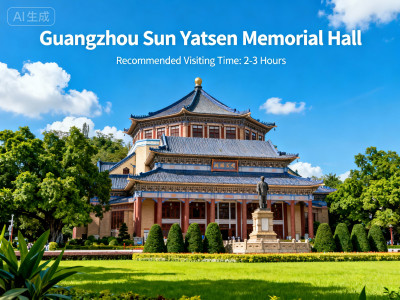
The Sun Yatsen Memorial Hall is an iconic architectural masterpiece built in 1931 to commemorate Dr Sun Yatsen the revolutionary leader who played a pivotal role in overthrowing the Qing Dynasty and establishing the Republic of China Located in the heart of Guangzhou this grand octagonal building showcases traditional Chinese palace architecture with Western influences The hall stands as a testament to Dr Suns vision for a modern China and serves as an important cultural and historical site in southern China
 Guangzhou
Beijing Road Pedestrian Street
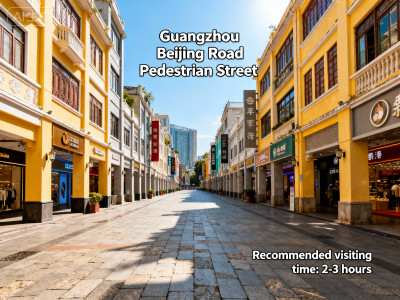
Beijing Road Pedestrian Street is one of Guangzhou's most famous and historically significant commercial areas. This 440-meter long pedestrian street dates back over 2,000 years to the Qin Dynasty and has served as the commercial heart of Guangzhou since ancient times. What makes this street truly unique is the visible archaeological remains beneath transparent glass panels that allow visitors to walk over and view ancient road layers from different dynasties including Song, Yuan, Ming, and Qing periods. The street perfectly combines historical preservation with modern commercial development, featuring international brand stores, traditional Chinese shops, and numerous restaurants serving authentic Cantonese cuisine. As you stroll along the street, you'll experience the fascinating contrast between ancient stone foundations and contemporary glass skyscrapers, making it a living museum of Guangzhou's commercial evolution.
 Guangzhou
Shamian Island
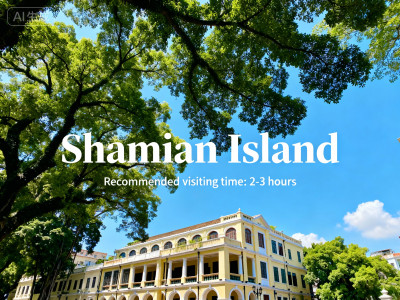
Shamian Island is a picturesque sandbank island located in the Liwan District of Guangzhou along the Pearl River. Originally formed as a sandbank in the Qing Dynasty, it became a vital foreign concession area during the 19th century after the Opium Wars. The island preserves a remarkable collection of European colonial architecture from the British and French concessions, featuring elegant neoclassical, Gothic, and Baroque style buildings with arched verandas, ornate balconies, and lush tropical gardens. This 0.3 square kilometer island offers a peaceful escape from Guangzhou's urban intensity, with tree-lined avenues, historic churches, consulate buildings, and charming cafes creating a unique European ambiance in southern China. The island's layout follows a grid pattern with wide boulevards and public squares, showcasing the architectural legacy of its colonial past while serving as a popular leisure destination for both locals and tourists seeking tranquility and historical charm.
 Guangzhou
Sacred Heart Cathedral
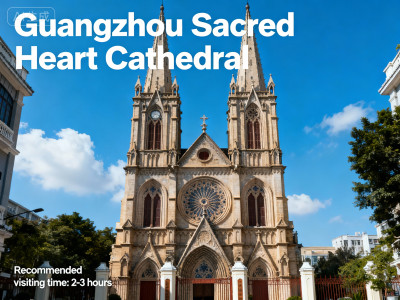
The Sacred Heart Cathedral also known as the Stone House is a breathtaking Gothic revival cathedral constructed entirely of granite Located in the heart of Guangzhou this architectural masterpiece was built between 1863 and 1888 during the late Qing Dynasty The cathedral stands as a remarkable fusion of European Gothic architecture and Chinese craftsmanship with its twin spires reaching 58 meters high making it the tallest church in China The cathedral features stunning stained glass windows imported from France intricate stone carvings and a magnificent rose window above the main entrance Despite facing damage during various historical periods including the Cultural Revolution the cathedral has been meticulously restored and continues to serve as an active place of worship for Guangzhou's Catholic community while also attracting visitors from around the world
 Guangzhou
Chen Clan Ancestral Hall
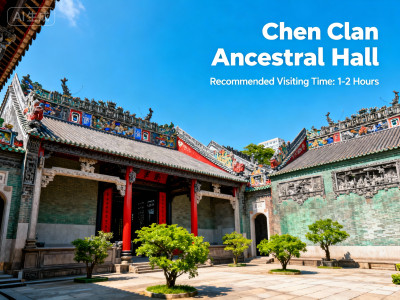
The Chen Clan Ancestral Hall also known as the Chen Clan Academy is a magnificent complex that stands as one of the finest examples of traditional Cantonese architecture Built between 1890 and 1894 during the Qing Dynasty this ancestral hall served as both a temple for ancestor worship and an academy for Chen clan members from 72 counties of Guangdong Province The complex represents the pinnacle of Lingnan architectural style featuring breathtaking wood stone and brick carvings intricate ceramic figurines and exquisite iron castings that adorn every surface of the buildings The halls courtyards and corridors display an astonishing array of folk art including wood carvings that depict scenes from Chinese mythology and history stone carvings with symbolic motifs and ceramic ridge decorations that tell stories of prosperity and virtue Today the site houses the Guangdong Folk Art Museum showcasing an impressive collection of traditional crafts from the region
 Guangzhou
 Museum of Art
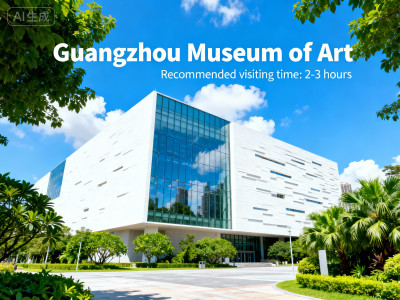
The Guangzhou Museum of Art stands as one of the most important contemporary art museums in southern China, located in the heart of Guangzhou's cultural district. Established to promote and preserve modern and contemporary Chinese art, the museum features an impressive collection that spans from the late 20th century to the present day. The museum's striking architectural design, with its clean lines and spacious galleries, provides an ideal setting for appreciating the dynamic evolution of Chinese art. As a cultural hub in the Pearl River Delta region, the museum not only displays works by established Chinese masters but also actively supports emerging artists, particularly those from Guangdong province and the Lingnan region. The collection includes significant works of oil painting, sculpture, ink art, photography, and new media, offering visitors a comprehensive view of China's artistic development during its rapid modernization period.
 Guangzhou
Pearl River Cruise
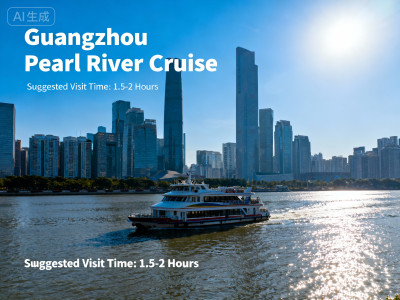
The Pearl River Cruise is one of Guangzhou's most enchanting experiences taking visitors on a journey through the heart of this vibrant metropolis As the third longest river in China the Pearl River has been the lifeblood of Guangzhou for over 2000 years shaping its history culture and economic development The cruise offers spectacular views of Guangzhou's modern skyline including the iconic Canton Tower Guangzhou International Finance Center and Guangzhou Opera House alongside historical landmarks like Shamian Island and European colonial architecture The night cruise is particularly mesmerizing as the city transforms into a glittering wonderland with colorful lights reflecting on the river's surface creating a romantic and unforgettable atmosphere
 Guangzhou
Canton Tower
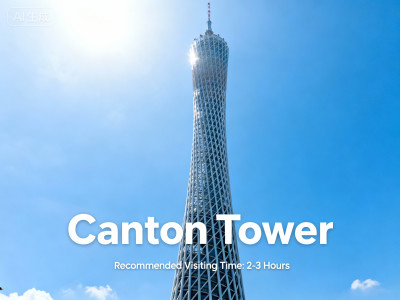
The Canton Tower, also known as Guangzhou TV Tower, is an iconic landmark that dominates the Guangzhou skyline. Completed in 2010 for the Asian Games, this architectural marvel combines cutting-edge engineering with stunning aesthetics. The tower's unique twisted shape and slender waist design were inspired by traditional Chinese ceramics and the flowing lines of calligraphy. During the day, the tower's silver-gray steel structure gleams in the sunlight, while at night it transforms into a spectacular light show with thousands of LED lights creating mesmerizing patterns and colors. The tower serves multiple functions including broadcasting, observation, dining, and entertainment, offering visitors breathtaking 360-degree views of Guangzhou from its various observation decks.
 Dalian
Tiger Beach Ocean Park
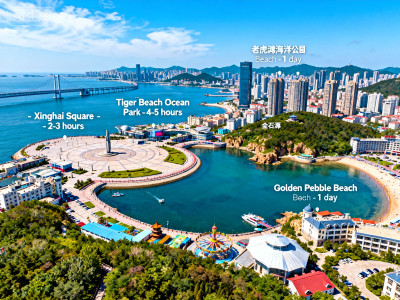
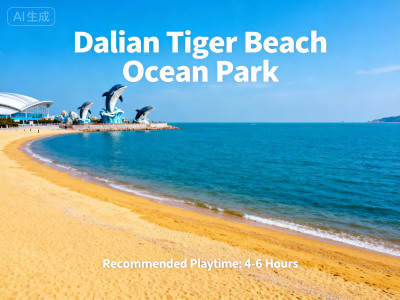
Tiger Beach Ocean Park is a worldclass marine entertainment complex that combines marine animal exhibitions entertainment shows and educational experiences The park gets its name from Tiger Beach the scenic coastal area where it is located which resembles a crouching tiger when viewed from above The park covers an area of over 1.18 million square meters and features numerous attractions including the Polar Pavilion Coral Pavilion Marine Animal Performance Theater Shark Pavilion and Jellyfish Pavilion Visitors can witness spectacular dolphin and sea lion shows watch majestic beluga whales and walruses explore vibrant coral reef ecosystems and interact with various marine creatures The parks design incorporates both indoor and outdoor exhibits making it suitable for yearround visitation Beyond entertainment the park serves as an important marine conservation and education center promoting awareness about ocean protection and biodiversity
 Dalian
Laohutan Scenic Area
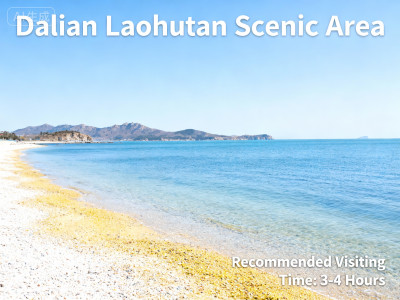
Laohutan Scenic Area located on the southern coast of Dalian is a magnificent coastal park that combines natural beauty with cultural attractions The name Laohutan translates to Tiger Beach originating from a local legend about a tiger that fell into the sea and turned into stone The area features dramatic coastal cliffs lush gardens and panoramic views of the Yellow Sea The parks centerpiece is the massive tiger sculpture that appears to be emerging from the ocean waves creating a breathtaking visual spectacle The scenic area spans approximately 118 hectares and includes various attractions such as the Tiger Sculpture Square Polar Ocean World Coral Pavilion and Bird Singing Forest Visitors can explore winding coastal paths enjoy fresh seafood at local restaurants and experience traditional Chinese garden design The area is particularly famous for its sunrise and sunset views where the golden light reflects off the ocean creating magical moments
 Dalian
 Shell Museum
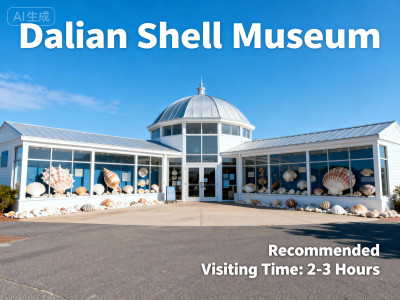
The Dalian Shell Museum located in Xinghai Square is the largest shell museum in Asia and one of the most comprehensive shell collections in the world Established in 2003 this unique museum houses over 5000 species of marine shells from across the globe with more than 60000 individual specimens The museum is divided into several themed exhibition halls including the World Shell Hall Chinese Shell Hall Fossil Shell Hall and Rare Shell Hall Visitors can marvel at the incredible diversity of shapes colors and patterns that nature has created through millions of years of evolution The collection includes the worlds largest shell the giant clam weighing over 200 kilograms as well as the worlds smallest shells visible only under microscope Beyond the aesthetic beauty the museum serves as an important educational center explaining the ecological significance of mollusks their role in marine ecosystems and their importance to human civilization throughout history The architecture of the museum itself resembles a giant seashell creating a harmonious connection between the exhibits and their container
 Dalian
Binhai Road
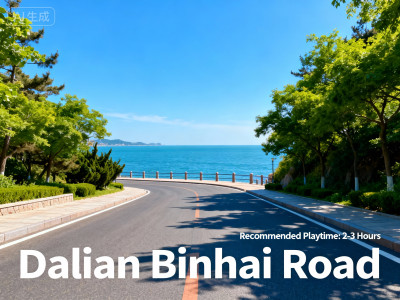
Binhai Road also known as Coastal Road is one of Dalians most iconic attractions stretching approximately 32 kilometers along the citys southern coastline This magnificent road connects several major scenic areas including Tiger Beach Ocean Park Fujiazhuang Beach Xinghai Square and Laohutan Ocean Park The road winds through coastal cliffs lush forests and picturesque bays offering panoramic views of the Yellow Sea With its winding curves dramatic coastal scenery and wellmaintained walking paths Binhai Road represents the perfect fusion of natural beauty and urban planning The road is particularly famous for its marriage proposal spots where couples come to declare their love against the backdrop of stunning ocean vistas Throughout the year the road offers different charms from spring blossoms to summer breezes autumn colors and winter waves crashing against the rocky shores
 Dalian
Bangchuidao Scenic Area
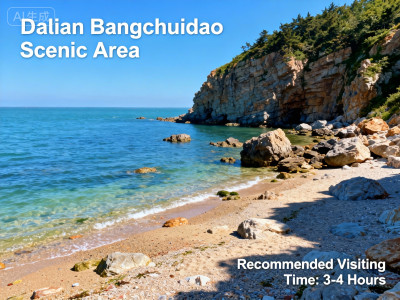
Bangchuidao, also known as 'Bangchui Island,' is a prominent landmark in Dalian featuring a distinctive hammer-shaped rock formation. The area offers stunning views of the Yellow Sea, lush gardens, and coastal walking paths. It's a popular destination for both tourists and locals seeking natural beauty and relaxation.
 Dalian
Xinghai Square
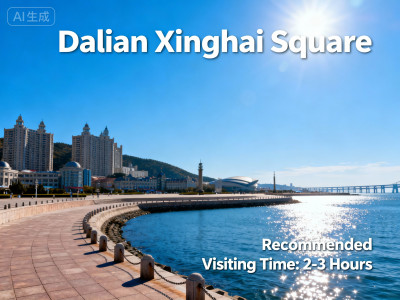
Xinghai Square is not just a square but a magnificent coastal landmark that showcases Dalians modern urban development while embracing its maritime heritage. Spanning an impressive 1.1 million square meters, this is officially recognized as the largest city square in the world. The square faces the Yellow Sea and features a stunning combination of modern sculptures, fountains, and architectural elements that create a harmonious blend of nature and human creativity. The centerpiece is the 19.97-meter-high Huabiao pillar commemorating Hong Kongs return to China in 1997, surrounded by 999 red marble slabs symbolizing eternity. The square serves as a cultural hub where locals and tourists gather to enjoy sea breezes, watch spectacular fountain shows, and witness the vibrant energy of this coastal metropolis.
 Dalian
Xinghai Bay Coastline
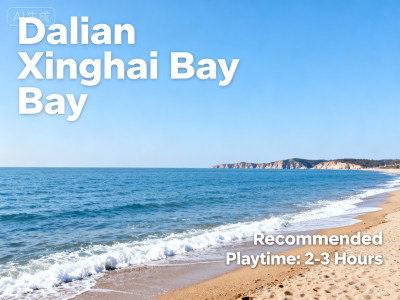
Xinghai Bay Coastline is Dalian's most famous and picturesque coastal area, stretching approximately 4.5 kilometers along the Yellow Sea. This magnificent crescent-shaped bay features golden sandy beaches, dramatic cliffs, and crystal-clear waters that create a perfect harmony between natural beauty and urban sophistication. The name Xinghai translates to Star Sea, reflecting the bay's sparkling waters that resemble a sea of stars under sunlight. Developed as part of Dalian's urban planning in the early 20th century during the Russian and Japanese colonial periods, the area has evolved into a premier recreational destination while preserving its natural charm. The coastline is divided into several distinct sections including the main beach area, Xinghai Square (one of the largest city squares in the world), and the scenic coastal walkways that offer panoramic views of the bay and surrounding hills. The area combines natural coastal features with carefully designed landscapes, creating a perfect blend of relaxation, entertainment, and cultural experiences.
 Dalian
 Forest Zoo
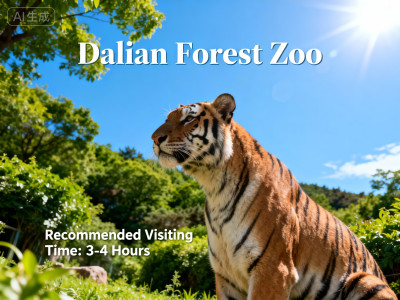
Dalian Forest Zoo is one of Chinas most innovative and environmentally conscious zoological parks spanning over 72 hectares in the lush green hills of Dalian Established in 1997 this modern zoo represents a new generation of wildlife facilities that prioritize animal welfare natural habitats and conservation education The zoo is divided into two main sections the free roaming area and the caged animal area connected by a scenic cable car that offers breathtaking views of the surrounding forest and distant seannThe zoo houses over 2000 animals representing more than 150 species from around the world including rare and endangered species like giant pandas golden monkeys Siberian tigers African elephants and polar bears What sets Dalian Forest Zoo apart is its commitment to creating naturalistic habitats that mimic the animals native environments allowing visitors to observe wildlife in settings that closely resemble their natural homesnnThe parks design incorporates traditional Chinese garden aesthetics with modern zoo management principles creating a harmonious blend of nature conservation and visitor experience Throughout the zoo youll find educational displays conservation messages and interactive exhibits that teach visitors about biodiversity wildlife protection and ecological balancennDalian Forest Zoo is not just a place to see animals its an immersive educational experience that connects people with nature while promoting wildlife conservation on a global scale The zoos location in Dalians forested hills provides a cool refreshing escape from the citys summer heat making it a perfect family destination yearround
 Tianjn
Tianjin Ancient Culture Street
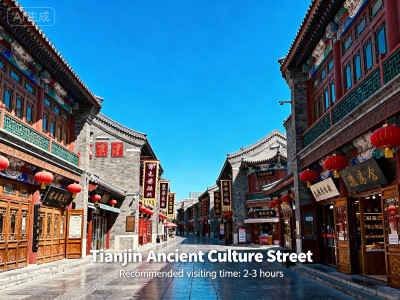
Tianjin Ancient Culture Street also known as Gu Wenhua Jie is a meticulously restored traditional Chinese street located along the Haihe River This 680meter long pedestrian street was originally built during the Yuan Dynasty and reconstructed in 1985 to preserve Tianjins cultural heritage The architecture showcases classic Qing Dynasty style with grey brick walls upturned eaves and intricate wood carvings The street serves as a living museum of Tianjin culture featuring over 100 shops selling traditional handicrafts calligraphy paintings folk art and local snacks Visitors can experience authentic Tianjin culture through various performances including traditional Chinese opera storytelling and folk music The street is particularly famous for its connection to Mazu the Chinese sea goddess with the magnificent Tianhou Palace Temple dedicated to her worship
 Tianjn
Tianjin Confucius Temple
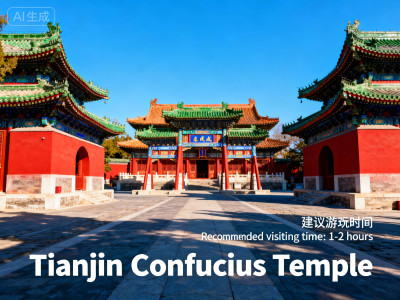
The Tianjin Confucius Temple also known as Wen Miao is one of the best preserved Confucian temples in northern China Originally built in 1436 during the Ming Dynasty it has undergone several renovations throughout its history The temple complex follows traditional Confucian architectural principles with symmetrical layouts and distinct ceremonial spaces The main hall Dacheng Hall houses a statue of Confucius and is surrounded by courtyards ceremonial gates and stone tablets The temple served as both a place of worship for Confucius and an educational institution where scholars prepared for imperial examinations Today it stands as a peaceful oasis in central Tianjin offering visitors insight into traditional Chinese education philosophy and architectural heritage The temple complex includes the Confucius Temple itself the Tianjin Prefecture School and the Imperial Examination Hall making it a comprehensive representation of Chinas ancient education system
 Tianjn
Tianjin Museum
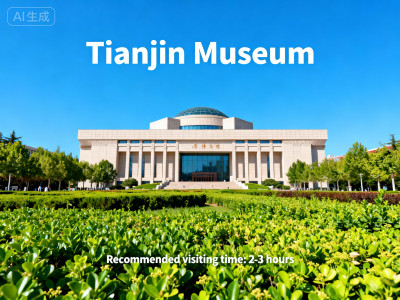
Located in the cultural center of Tianjin, the Tianjin Museum is one of the largest and most comprehensive museums in northern China. The museum building itself is an architectural masterpiece designed to resemble a swan spreading its wings, symbolizing Tianjin's soaring development. The museum houses over 200,000 cultural relics spanning from prehistoric times to the modern era, with particular emphasis on Tianjin's unique history as a treaty port and its role in China's modernization. The collections include ancient bronzes, ceramics, calligraphy, paintings, jade artifacts, and historical documents that tell the story of Tianjin's transformation from a small fishing village to a major international port city. The museum's exhibitions are thoughtfully curated to provide visitors with a deep understanding of Tianjin's cultural heritage, maritime history, and its significant contributions to Chinese art and civilization.
 Tianjn
Haihe River Historical Area
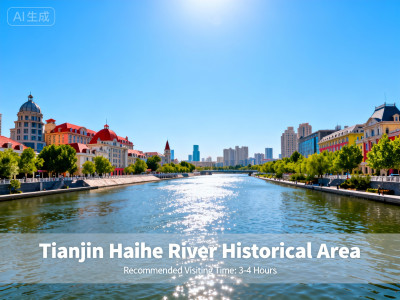
The Haihe River Historical Area stretches along both banks of the Haihe River Tianjins mother river and represents the citys most significant historical and cultural district This area showcases Tianjins unique identity as a treaty port where Chinese and Western cultures converged during the late 19th and early 20th centuries The architectural landscape features a remarkable blend of European colonial buildings traditional Chinese courtyard houses and modern structures creating a visual timeline of Tianjins development from a small fishing village to an international trading port The area includes several historical districts such as the Italian Style Town the Five Great Avenues with their European villas and the Ancient Culture Street preserving traditional Chinese architecture The Haihe River itself serves as the central artery around which Tianjin grew with its nine tributaries symbolizing the citys nickname as the City of Nine Rivers
 Tianjn
Five Great Avenues
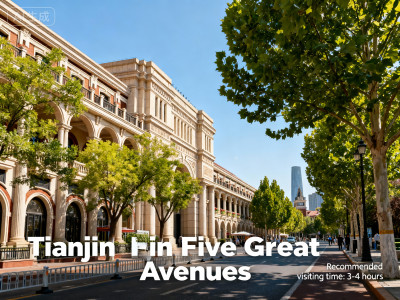
The Five Great Avenues, known as Wudadao in Chinese, is a remarkable historical district in Tianjin that preserves the architectural legacy of the city's colonial past. This area consists of five parallel avenues - Machang Dao, Munan Dao, Dali Dao, Chongqing Dao, and Chengdu Dao - lined with over 2,000 Western-style buildings constructed between the late 19th and early 20th centuries. During the concession era, Tianjin was divided into nine foreign concessions, and this area became home to diplomats, merchants, and wealthy Chinese who built magnificent villas in various European architectural styles including British, French, Italian, German, and Spanish designs. Today, it stands as the largest and best-preserved collection of Western architecture in China, offering visitors a unique glimpse into Tianjin's cosmopolitan history and serving as an open-air architectural museum that tells the story of China's encounter with Western powers during a transformative period.
 Tianjn
Italian Style Street
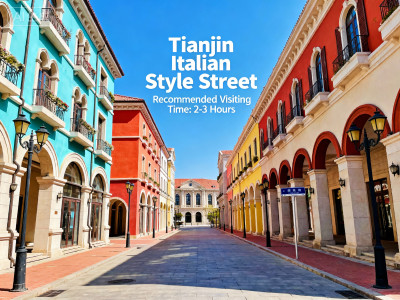
Italian Style Street also known as Italian Concession Area is one of Tianjins most charming and wellpreserved historical districts Established during the late Qing Dynasty in 1902 this area was one of eight foreign concessions in Tianjin and the only Italian concession in Asia The district covers approximately 17 hectares featuring over 200 Europeanstyle buildings that have been meticulously restored to their original glory The architecture reflects various Italian styles from Renaissance to Baroque creating a picturesque Mediterranean atmosphere in the heart of northern China The streets are paved with cobblestones lined with elegant lampposts and adorned with beautiful sculptures and fountains Today this area serves as a vibrant cultural and commercial hub where visitors can experience authentic Italian cuisine shop for unique souvenirs and immerse themselves in Tianjins rich multicultural history The preservation of this district represents a fascinating chapter in Chinas modern history showcasing the cultural exchange between East and West
 Jinan
Baotu Spring Park
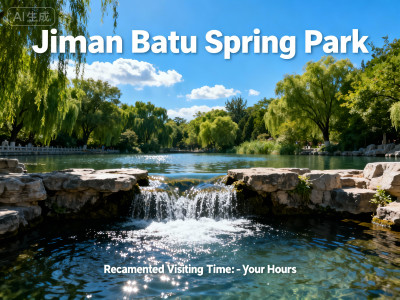
Baotu Spring Park is the most famous spring in Jinan known as the Spring City of China. Located in the heart of Jinan, it is one of the three major scenic spots in the city along with Daming Lake and Thousand Buddha Mountain. The park covers an area of 158 acres and features more than 30 famous springs including Baotu Spring, the most spectacular of them all. Baotu Spring has been celebrated for over 2,600 years with historical records dating back to the Spring and Autumn Period. The spring water gushes out from three main outlets with tremendous force, creating a magnificent spectacle that has inspired poets and emperors throughout Chinese history. The water temperature remains constant at around 18°C (64°F) throughout the year, never freezing in winter nor drying up in summer. The park combines natural beauty with cultural heritage, featuring traditional Chinese gardens, pavilions, bridges, and historical buildings that reflect the rich cultural history of Shandong Province.
 Jinan
Li Qingzhao Memorial Hall
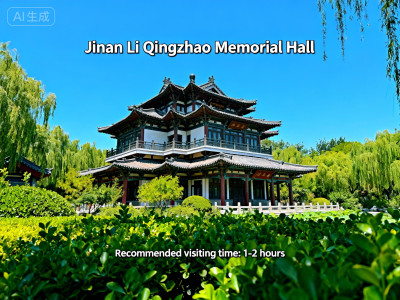
The Li Qingzhao Memorial Hall is a serene cultural sanctuary nestled within Jinans famous Baotu Spring Park, honoring the life and literary legacy of Li Qingzhao (1084-1155), widely regarded as China's greatest female poet from the Song Dynasty. The memorial complex consists of several traditional Chinese courtyard buildings with elegant gardens, lotus ponds, and winding corridors that perfectly reflect the poetic atmosphere of Li Qingzhao's verses. Visitors can explore exhibition halls displaying her original manuscripts, calligraphy works, historical artifacts, and multimedia presentations about her life journey from Jinan to various cities during the turbulent Song Dynasty period. The memorial not only celebrates her literary achievements but also provides insight into the life of women scholars during ancient China, her tragic love story with her husband Zhao Mingcheng, and how her poetry evolved through personal loss and national turmoil. The architecture follows classic Song Dynasty style with black tiles, white walls, and wooden structures that create a contemplative environment ideal for appreciating her delicate ci poetry that often expressed themes of love, longing, and melancholy.
 Jinan
Quancheng Square
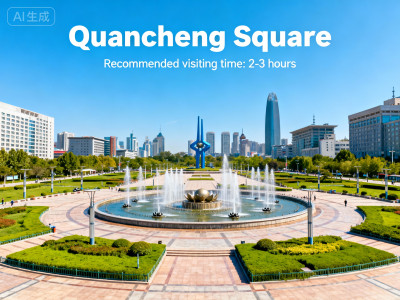
Quancheng Square is the vibrant central square of Jinan, known as the City of Springs. This expansive public space serves as the cultural and social heart of the city, blending modern urban design with traditional Chinese elements. The square covers approximately 160,000 square meters and is strategically located at the intersection of Jinans main thoroughfares, making it both a transportation hub and a gathering place for locals and tourists alike. The name Quancheng translates to Spring City, perfectly reflecting Jinans identity as a city blessed with numerous natural springs. The squares design incorporates water features and fountain displays that pay homage to this natural heritage. During the day, visitors can admire the squares impressive architecture and landscaping, while at night, spectacular light shows transform the space into a magical wonderland. The square is surrounded by important cultural institutions, commercial centers, and historical sites, making it the perfect starting point for exploring Jinans rich heritage.
 Jinan
Thousand Buddha Mountain
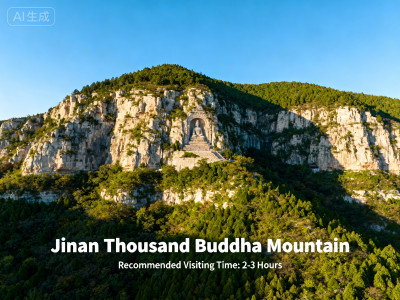
Thousand Buddha Mountain also known as Qianfo Mountain is one of the three major scenic spots in Jinan along with Baotu Spring and Daming Lake With a history dating back to the Sui Dynasty around 581618 AD this sacred mountain features thousands of Buddha statues carved into its cliffs and caves The mountain stands at 285 meters above sea level and offers panoramic views of Jinan City known as the City of Springs The site combines natural beauty with profound Buddhist cultural heritage featuring ancient temples stone carvings and lush vegetation that changes with the seasons
 Jinan
Xingguo Temple
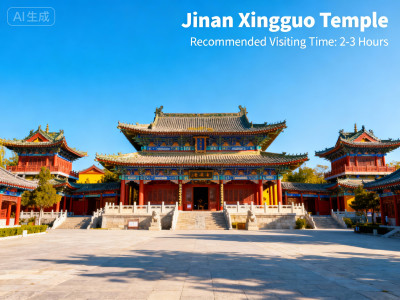
Xingguo Temple also known as Xingguo Chan Temple is a renowned Buddhist temple situated in Jinan the capital city of Shandong Province With a history dating back to the Tang Dynasty around 627649 AD the temple has been an important center for Buddhist practice and cultural exchange for over 1300 years The temple complex features traditional Chinese Buddhist architecture with elegant halls pavilions and courtyards that showcase the exquisite craftsmanship of different dynasties Throughout its long history Xingguo Temple has undergone several renovations and expansions particularly during the Song Ming and Qing dynasties Today it stands as one of Jinans most significant cultural and religious sites attracting both pilgrims and tourists who come to appreciate its serene atmosphere historical artifacts and architectural beauty The temple is particularly famous for its ancient stone carvings Buddhist statues and wellpreserved scriptures
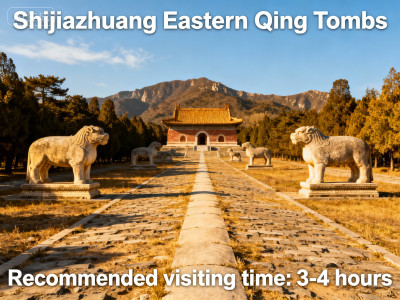 Shijiazhuang
Eastern Qing Tombs
Located in Zunhua City about 125 kilometers northeast of Shijiazhuang the Eastern Qing Tombs are the final resting place of five Qing Dynasty emperors fifteen empresses 136 imperial concubines three princes and two princesses This UNESCO World Heritage Site covers an area of 80 square kilometers and represents the zenith of Chinese imperial tomb architecture The complex was constructed over 247 years from 1661 to 1908 following strict Feng Shui principles with the Changrui Mountain to the north and the Jinxing Mountain to the south creating a perfect natural protective barrier The tombs feature magnificent stone sculptures elaborate ceremonial pathways and underground palaces that showcase the artistic and architectural achievements of the Qing Dynasty The most notable tombs include those of Emperor Shunzhi the first Qing emperor to rule China Emperor Kangxi the longest reigning emperor in Chinese history and Emperor Qianlong under whose rule China reached its peak of prosperity The site also contains the tomb of Empress Dowager Cixi one of the most powerful women in Chinese history whose tomb is particularly ornate with intricate carvings and lavish decorations
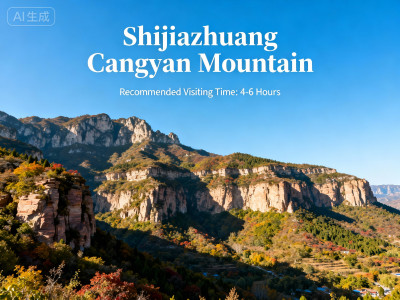 Shijiazhuang
Cangyan Mountain
Cangyan Mountain also known as Cangyan Mountain Scenic Area is a magnificent Buddhist mountain complex located about 50 kilometers southwest of Shijiazhuang in Hebei Province. This sacred site dates back over 1400 years to the Sui Dynasty and is renowned for its spectacular cliffside temples that seem to defy gravity as they cling to the steep mountain faces. The name Cangyan means Green Cliff referring to the lush vegetation covering the mountain slopes. The most famous structure is the Bridge Tower Temple a remarkable architectural feat built across a natural stone bridge spanning a deep gorge. This UNESCO World Heritage candidate site combines natural beauty with profound religious significance offering visitors stunning panoramic views ancient Buddhist art and a peaceful spiritual atmosphere. The mountain rises to 1000 meters above sea level and features unique geological formations including limestone cliffs caves and natural bridges that have been shaped by millions of years of erosion.
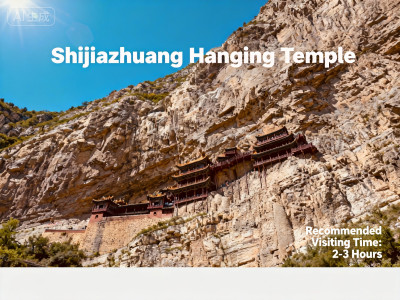 Shijiazhuang
Hanging Temple
The Hanging Temple also known as Xuankong Temple is a unique architectural wonder built into a cliff face at the foot of Mount Heng in Hunyuan County Datong City Shanxi Province Although administratively located in Shanxi Province it is often associated with Shijiazhuang due to its proximity and popularity among tourists visiting the region This temple is remarkable for being the only existing temple that combines Buddhism Taoism and Confucianism Built more than 1500 years ago during the Northern Wei Dynasty the temple appears to hang precariously on the vertical cliffside about 75 meters above the ground The structure is supported by oak crossbeams fitted into holes chiseled into the cliffside with the main supportive structure hidden inside the bedrock The temple consists of 40 halls and pavilions connected by a series of corridors bridges and boardwalks all seemingly defying gravity
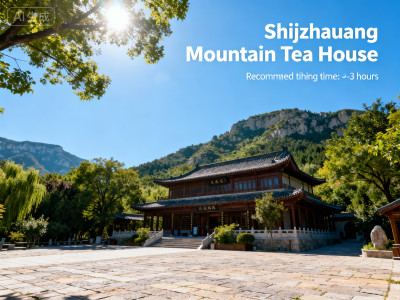 Shijiazhuang
Mountain Tea House
The Mountain Tea House in Shijiazhuang is a hidden gem that beautifully blends traditional Chinese tea culture with the natural beauty of the surrounding mountains. Located in the foothills of the Taihang Mountains, this tea house offers visitors an authentic experience of Chinese tea ceremonies while enjoying panoramic views of lush greenery and misty peaks. The architecture follows traditional Chinese design with wooden structures, curved roofs, and open pavilions that harmonize with the natural environment. Here you can learn about the rich history of Chinese tea culture dating back thousands of years, with Shijiazhuang being part of Hebei Province which has its own unique tea traditions influenced by northern Chinese customs. The tea house serves a variety of premium teas including local specialties and famous Chinese varieties like Longjing, Tieguanyin, and Pu'er. Visitors can participate in traditional tea ceremonies guided by experienced tea masters who explain the art of tea preparation, the significance of different tea utensils, and the philosophy behind Chinese tea culture. The tranquil atmosphere combined with the mountain setting creates a perfect environment for relaxation, meditation, and cultural immersion.
 Shijiazhuang
Baiyangdian Lake
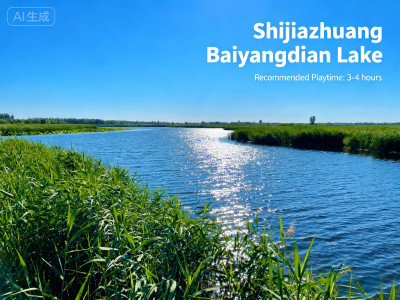
Baiyangdian Lake is the largest freshwater lake in North China, located about 150 kilometers from Shijiazhuang in Hebei Province. Covering an area of 366 square kilometers, it consists of 143 interconnected lakes and is often called the Pearl of North China. The lake plays a crucial ecological role as the Kidney of North China, filtering water and maintaining regional biodiversity. Baiyangdian is famous for its extensive reed marshes, lotus ponds, and traditional fishing villages where people have lived on houseboats for generations. The area is rich in cultural heritage, being the setting for many famous Chinese literary works and revolutionary stories. During World War II, it served as an important base for guerrilla fighters against Japanese invaders. The lake's ecosystem supports diverse wildlife including migratory birds, fish species, and aquatic plants. Traditional fishing methods using cormorants and woven baskets are still practiced here. The best time to visit is from May to October when lotus flowers bloom and the weather is pleasant.
 Shijiazhuang
Baiyangdian Wetlands
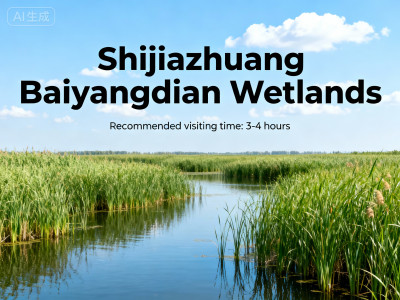
Baiyangdian Wetlands is the largest freshwater wetland in North China, located about 150 kilometers south of Beijing in Hebei Province. Covering an area of approximately 366 square kilometers, this magnificent wetland ecosystem consists of 143 interconnected lakes and thousands of hectares of reed marshes. The name Baiyangdian means White Poplar Lake, referring to the white poplar trees that once grew abundantly around its shores. This wetland plays a crucial ecological role as a natural water purification system and habitat for numerous bird species, earning it the nickname Kidney of North China. The area is also famous for its rich cultural heritage, being the setting for many revolutionary stories during the Anti-Japanese War and serving as inspiration for numerous literary works. The wetland features traditional fishing villages, ancient water towns, and unique floating communities where people have lived in harmony with the water for centuries.
 Shijiazhuang
Water Village Market
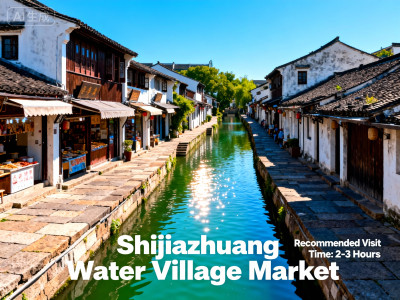
Water Village Market is a vibrant traditional market situated along the waterways of Shijiazhuang Hebei Province This unique market combines the charm of ancient Chinese water towns with modern market culture Visitors can explore wooden boats selling fresh produce local crafts and traditional snacks while experiencing the authentic atmosphere of a Chinese water village The market features traditional architecture with stone bridges wooden pavilions and winding waterways creating a picturesque setting that transports visitors back in time
 Shijiazhuang
Traditional Crafts Center
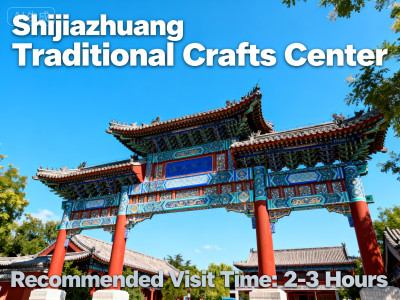
The Traditional Crafts Center in Shijiazhuang is a vibrant cultural institution dedicated to preserving and promoting the exquisite traditional crafts of Hebei Province and northern China. Located in the capital city of Hebei, this center serves as both a museum and an active workshop where visitors can witness master artisans practicing centuries-old techniques. The center features comprehensive exhibitions on various traditional crafts including paper cutting, clay figurines, embroidery, wood carving, and traditional textile weaving. What makes this center particularly special is its interactive approach visitors can not only observe but also participate in workshops led by certified masters who have inherited these skills through generations. The center showcases the unique characteristics of Hebei crafts, which blend influences from the northern nomadic cultures with traditional Han Chinese techniques, creating distinctive styles found nowhere else in China. The architecture of the center itself reflects traditional Hebei courtyard design, creating an authentic atmosphere that transports visitors back in time.
 Shijiazhuang
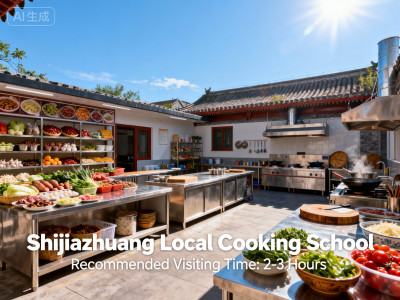
Local Cooking School
Located in the heart of Shijiazhuang, this local cooking school offers an immersive experience into the rich culinary heritage of Hebei Province. Under the guidance of experienced local chefs, you'll learn to prepare traditional dishes that have been passed down through generations. The school provides a unique opportunity to understand Chinese food culture, from ingredient selection to cooking methods, while creating delicious meals you can recreate at home. The classes are designed for all skill levels and offer insights into the regional specialties that make Hebei cuisine distinctive.
 Beijing
Local Breakfast Alley
Beijing's Local Breakfast Alleys are hidden culinary treasures where traditional morning culture comes alive. These narrow lanes and alleys scattered throughout the city's hutong neighborhoods offer an authentic glimpse into daily Beijing life. As dawn breaks, these alleys transform into bustling food markets where generations of Beijingers have started their day. The air fills with the aroma of freshly steamed buns, sizzling pancakes, and simmering soups. Each stall specializes in specific breakfast items passed down through families, preserving culinary traditions that date back centuries. This is not just about food - it's a cultural immersion where you'll witness the rhythm of Beijing mornings, hear the local dialect, and experience the warmth of community interactions that define the city's character.
Want the days already arranged?
Open the guidebook