The places index · 505 places
Places worth
Landmarks with a story, neighbourhood corners with a slower pace and natural places that deserve more than a photograph. Use this index as a starting point, not a checklist.
 Changchun
Local Breakfast Market
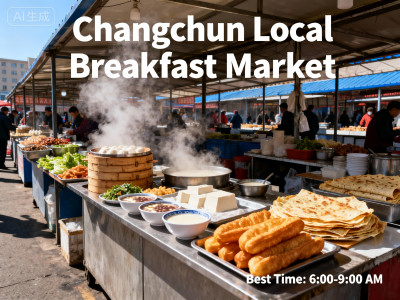
Changchuns Local Breakfast Markets are not just places to eat but living museums of Northeast Chinese culinary traditions These bustling morning hubs showcase the hearty robust flavors that define Jilin provinces food culture As the capital of Chinas northeastern Jilin Province Changchun has developed unique breakfast traditions influenced by its harsh winters Korean minority communities and Russian historical connections The markets typically operate from dawn until midmorning offering everything from steaming bowls of congee to freshly fried youtiao and regional specialties like guobaorou crispy pork slices and Koreanstyle rice cakes The atmosphere is lively with vendors calling out their specialties the sizzle of griddles and locals gathering to start their day with nourishing meals Many markets also feature traditional soy milk makers handpulled noodle artisans and dumpling masters preserving cooking techniques passed down through generations
 Changchun
Puppet Manchurian Palace Museum
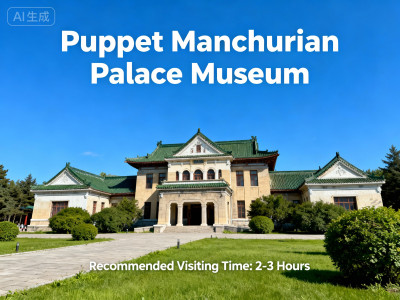
The Puppet Manchurian Palace Museum, also known as the Museum of the Imperial Palace of the Manchukuo, is a significant historical site that preserves the complex legacy of China's last emperor, Puyi. This sprawling complex served as the official residence and administrative center during the Japanese-controlled puppet state of Manchukuo. The museum offers a profound look into one of the most controversial periods in modern Chinese history, where traditional Chinese architecture blends with Japanese colonial influences. Visitors can explore the well-preserved living quarters, ceremonial halls, and government offices that witnessed the tragic drama of Puyi's reign as a figurehead emperor under Japanese control. The site stands as both an architectural marvel and a somber reminder of China's struggle against foreign occupation during the 20th century.
 Changchun
 Local Cooking School
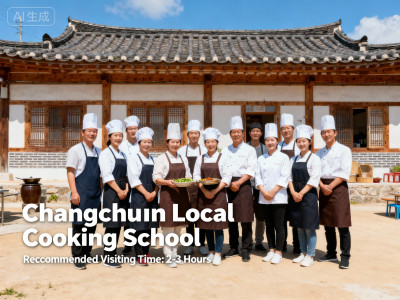
Nestled in the vibrant city of Changchun, this local cooking school offers visitors a unique opportunity to dive deep into the culinary traditions of Northeast China. Known for its hearty, warming dishes that combat the region's cold winters, Dongbei cuisine features bold flavors, generous portions, and locally sourced ingredients. The school provides hands-on cooking classes taught by experienced local chefs who share not only cooking techniques but also the cultural stories behind each dish. You'll learn about the Manchu and Korean influences on the region's food, discover how historical factors shaped local eating habits, and master dishes that have been passed down through generations. The experience goes beyond cooking - it's a cultural journey through taste, tradition, and community.
 Changchun
FamilyStyle Dumpling Restaurant
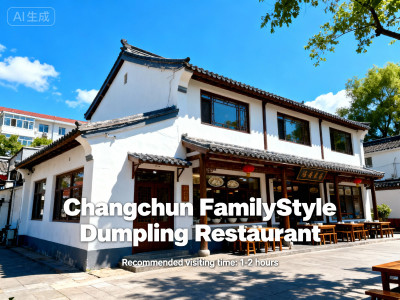
This restaurant offers a warm, family-friendly atmosphere where visitors can enjoy handmade dumplings prepared using traditional recipes passed down through generations. It's a culinary highlight for those exploring Changchun's food culture.
 Changchun
Korean Ethnic District Markets
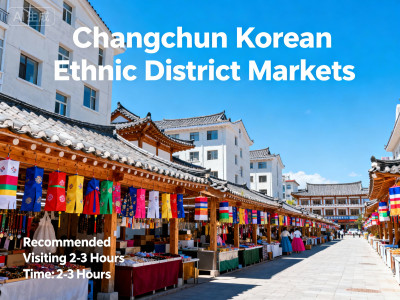
The Korean Ethnic District Markets in Changchun offer an immersive cultural experience that transports visitors directly to Korea without leaving China. Located in the heart of Jilin Province, this vibrant district showcases the rich heritage of the Korean ethnic minority who have lived harmoniously in Northeast China for generations. The markets are a bustling hub of activity where traditional Korean architecture meets modern commerce, creating a unique fusion of cultures. Here you can explore narrow alleyways filled with colorful stalls selling everything from traditional hanbok clothing and Korean handicrafts to authentic ingredients for Korean cooking. The air is filled with tantalizing aromas of kimchi, bulgogi, and bibimbap being prepared in family-run restaurants that have been operating for decades. This district serves as both a cultural preservation center and a living community where Korean traditions are kept alive through daily practices, festivals, and culinary arts. The markets are particularly famous for their authentic Korean street food, traditional tea houses, and specialty shops selling everything from ginseng to Korean cosmetics. Visitors can witness traditional Korean dance performances, learn about Korean tea ceremonies, and even participate in kimchi-making workshops during certain seasons.
 Tianjn
Qilihai National Nature Reserve
Qilihai National Nature Reserve is one of the largest and most important coastal wetlands in northern China, located in the Ninghe District of Tianjin. Covering approximately 233 square kilometers, this ecological treasure serves as a critical stopover point for migratory birds along the East Asian-Australasian Flyway. The reserve gets its name from the seven interconnected lakes that form its core wetland system. With its vast reed marshes, shallow lakes, and rich biodiversity, Qilihai plays a vital role in water purification, flood control, and climate regulation for the Beijing-Tianjin-Hebei region. The reserve represents a harmonious coexistence between human activity and nature conservation, with traditional fishing and reed harvesting practices that have been sustainable for centuries.
 Tianjn
Dule Temple Ancient Forest
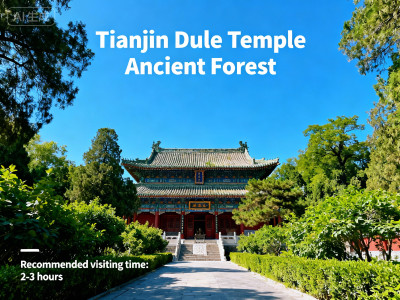
Dule Temple Ancient Forest is one of the oldest surviving wooden structures in China dating back to the Tang Dynasty 618907 AD The temple complex is renowned for its magnificent ancient cypress trees some of which are over 1000 years old creating a serene spiritual atmosphere The main hall Guanyin Pavilion is a masterpiece of ancient Chinese architecture built without a single nail using only wooden brackets The temple has survived numerous wars and natural disasters throughout Chinese history making it a living testament to Buddhist culture and architectural ingenuity The ancient forest surrounding the temple consists of hundreds of cypress trees many with unique twisted shapes and spiritual significance according to local legends
 Tianjn
Haihe River Cultural Square
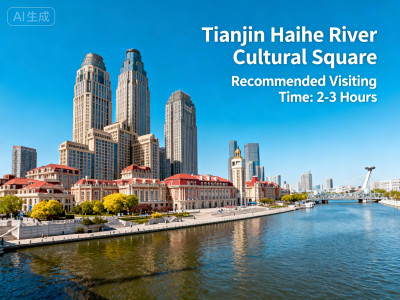
Haihe River Cultural Square is a magnificent public space stretching along the banks of the Haihe River Tianjins most important waterway that has shaped the citys history and development for centuries This expansive square represents the perfect fusion of Tianjins dual identity as both a traditional Chinese port city and a cosmopolitan center influenced by Western colonial architecture The square features beautifully landscaped gardens artistic sculptures and stunning views of the riverside promenade where visitors can admire the unique blend of Europeanstyle buildings from the colonial era alongside modern skyscrapers creating a picturesque skyline that tells the story of Tianjins transformation from a humble fishing village to a major international port city
 Tianjn
Huangyaguan Great Wall Area
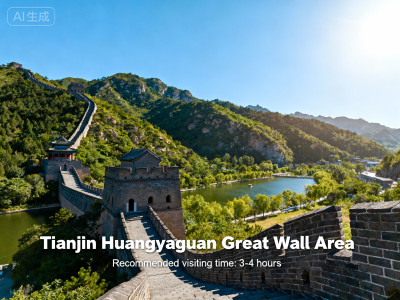
Huangyaguan Great Wall also known as Huangya Pass is a wellpreserved section of the Great Wall located in Jixian County about 130 kilometers north of Tianjin city This section was first built during the Northern Qi Dynasty 550577 AD and extensively renovated during the Ming Dynasty 13681644 AD What makes Huangyaguan unique is its strategic location at a narrow mountain pass surrounded by steep cliffs and dense forests creating a natural fortress The wall here features distinctive architectural elements including watchtowers beacon towers and fortified gates with the most famous being the Huangya Pass Gatehouse The wall snakes through rugged terrain offering panoramic views of the surrounding mountains and valleys Unlike the more crowded sections near Beijing Huangyaguan provides a more authentic and peaceful experience allowing visitors to appreciate both the engineering marvel of the Great Wall and the natural beauty of the region
 Beijing
Hutong Breakfast Spot
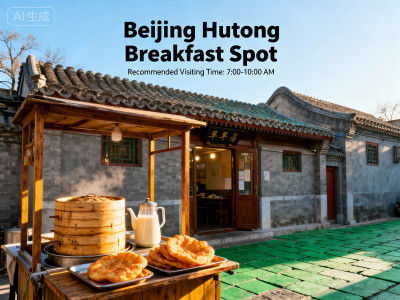
A Hutong Breakfast Spot offers an immersive journey into the heart of Beijing's traditional neighborhood life. These hidden gems within the ancient alleyways serve as communal gathering places where generations of Beijingers have begun their days. Unlike modern restaurants, these breakfast spots preserve centuries-old culinary traditions and social customs. The experience goes beyond mere eating - it's about observing the rhythm of hutong life, hearing the morning chatter of neighbors, and tasting breakfast recipes passed down through families. The atmosphere is authentic and unpretentious, with simple wooden tables and stools arranged in narrow alleys, steam rising from cooking pots, and the aroma of freshly made youtiao (fried dough sticks) filling the air. This is where you'll find the true soul of Beijing, away from tourist crowds, in the intimate spaces where daily life unfolds.
 Beijing
Imperial Cuisine Restaurant
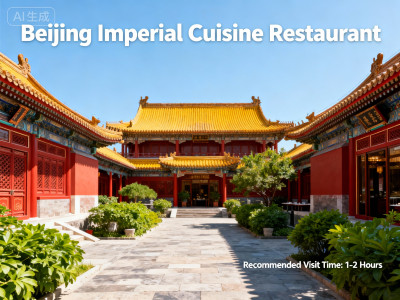
Imperial Cuisine Restaurant offers an authentic taste of the royal dishes once served exclusively to Chinese emperors and their courts. Located in the heart of Beijing, this establishment specializes in recreating the elaborate, meticulously prepared meals that were part of the Qing Dynasty's imperial culinary tradition. The restaurant's chefs have studied ancient recipes and cooking techniques passed down through generations, ensuring each dish maintains its historical authenticity while meeting modern culinary standards. The dining experience is enhanced by traditional Chinese decor, imperial-style service, and an atmosphere that transports guests back to the Forbidden City's golden age.
 Beijing
Traditional Hotpot Restaurant
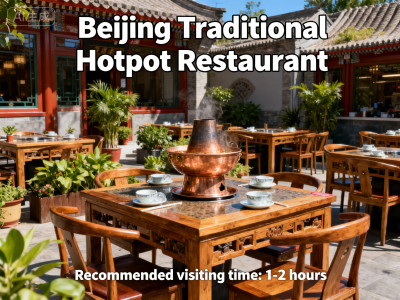
Beijing hotpot represents one of the most cherished culinary traditions in Chinese culture, dating back over 1,000 years to the Yuan Dynasty. Unlike spicy Sichuan hotpot, Beijing hotpot features a clear broth that allows the natural flavors of premium ingredients to shine through. The traditional copper pot with its distinctive chimney shape has been used since the Qing Dynasty, originally favored by Manchu nobility and later embraced by Beijing's residents. This dining experience embodies the communal spirit of Chinese culture, where friends and family gather around a simmering pot to share food and conversation. The restaurant typically features traditional decor with wooden furniture, calligraphy scrolls, and historical photographs that transport diners to old Beijing. The art of hotpot lies in the delicate timing of cooking each ingredient - from thinly sliced lamb to fresh vegetables - creating a symphony of textures and flavors that celebrate seasonal produce and culinary craftsmanship.
 Beijing
 Wholesale Markets
Beijing boasts a diverse array of wholesale markets that serve as commercial hubs for traders retailers and bargain hunters These markets offer everything from clothing and textiles to electronics accessories and fresh produce The wholesale market culture in Beijing reflects the citys role as a major commercial center in northern China with markets operating on different scales from massive international trading centers to specialized local markets Many of these markets have evolved from traditional trading posts to modern commercial complexes while retaining their bustling energetic atmosphere
 Beijing
Cooking School Beijing
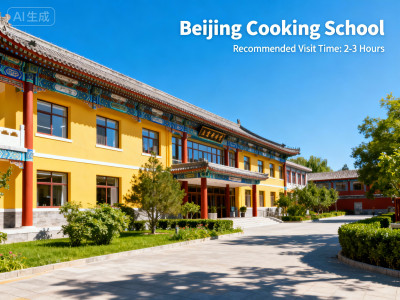
Experience authentic Chinese cuisine through immersive cooking classes taught by expert local chefs. Learn traditional techniques, ingredient selection, and cultural context behind Beijing's famous dishes.
 Beijing
Cooking School Dining Area
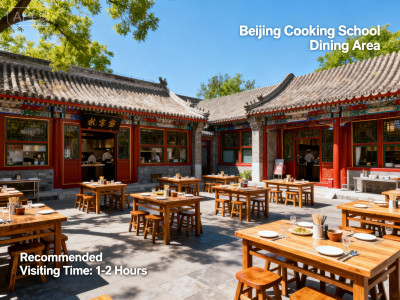
The Cooking School Dining Area in Beijing offers an immersive culinary journey that combines hands-on cooking classes with authentic dining experiences. This is not just a restaurant but a complete cultural immersion where visitors learn to prepare traditional Chinese dishes under the guidance of expert chefs before enjoying their own creations in a beautifully designed dining space. The experience typically begins with a visit to a local market to select fresh ingredients, followed by a cooking class where participants learn techniques like stir-frying, steaming, and dumpling making. The dining area itself reflects traditional Chinese aesthetics with elements of courtyard architecture, wooden furniture, and Chinese artwork. This experience provides deep insights into Chinese culinary traditions, regional cooking styles, and the cultural significance of food in Chinese society. It's perfect for food enthusiasts who want to go beyond typical restaurant dining and truly understand the art of Chinese cuisine.
 Beijing
Qianmen Street
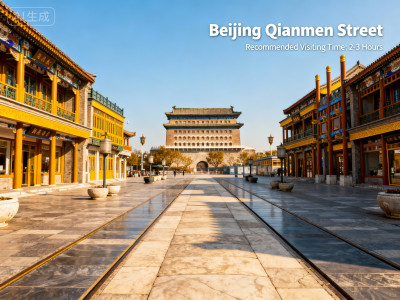
Qianmen Street also known as Zhengyangmen Street is one of Beijings most famous historic commercial streets dating back over 600 years to the Ming Dynasty Located just south of Tiananmen Square this pedestrian street stretches 840 meters from Qianmen Gate to Zhushikou Originally the main commercial district of ancient Beijing Qianmen Street has been revitalized while preserving its traditional architectural style The street features restored Qing Dynasty style buildings with gray brick walls and traditional Chinese architectural elements creating a perfect blend of old and new As you walk along the flagstone paved street youll find a fascinating mix of timehonored Chinese brands modern shops restaurants and cultural venues The street serves as a living museum of Beijings commercial history while offering contemporary shopping and dining experiences
 Beijing
Old Beijing Noodle House
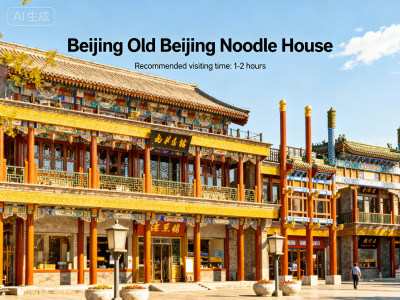
This establishment offers visitors an immersive experience into Beijing's traditional noodle-making culture, featuring hand-pulled noodles prepared using centuries-old techniques in a setting that reflects historical Beijing dining customs.
 Beijing
Temple of Heaven
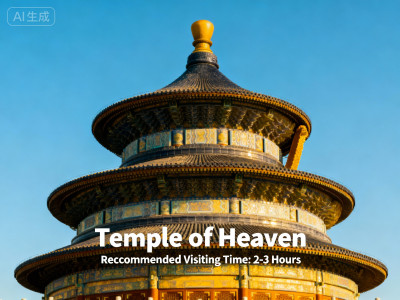
The Temple of Heaven is an imperial complex of religious buildings situated in southeastern Beijing. Constructed from 1406 to 1420 during the reign of the Yongle Emperor of the Ming Dynasty, it served as the sacred altar where emperors of the Ming and Qing dynasties would perform solemn ceremonies to pray for good harvests and divine blessings. The complex covers 2.73 square kilometers and is nearly four times larger than the Forbidden City. Its architectural design reflects ancient Chinese cosmological concepts, with the northern part being semicircular representing Heaven and the southern part square representing Earth. The entire complex is a masterpiece of architectural planning and landscape design that perfectly embodies the philosophical principles of harmony between heaven and earth, and between humans and nature.
 Beijing
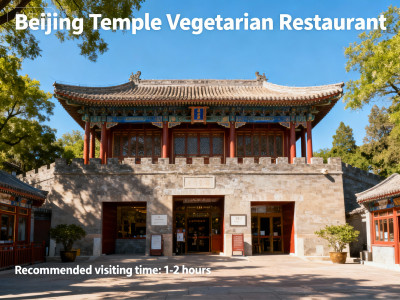
Temple Vegetarian Restaurant
Nestled in the spiritual heart of Beijing, Temple Vegetarian Restaurant offers more than just a meal—it provides a holistic dining experience deeply rooted in Chinese Buddhist culture. This elegant establishment serves meticulously crafted vegetarian dishes that showcase the artistry of meat-free cooking while adhering to Buddhist dietary principles. The restaurant's ambiance reflects traditional temple aesthetics with minimalist decor, soft lighting, and subtle incense aromas creating an atmosphere of tranquility. Each dish tells a story, combining seasonal ingredients with ancient culinary wisdom passed down through generations of temple chefs. The menu features innovative interpretations of classic Buddhist temple food, demonstrating how vegetarian cuisine can be both spiritually meaningful and gastronomically sophisticated. Dining here is not merely about sustenance but about mindfulness, appreciation for nature's bounty, and connecting with China's rich spiritual heritage.
 Beijing
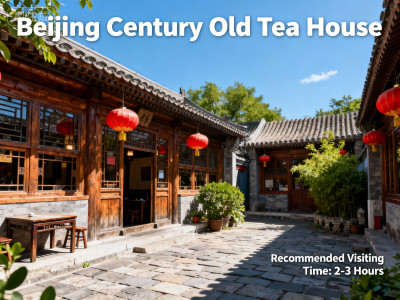
Century Old Tea House
The Century Old Tea House is a living museum of Chinese tea culture nestled in the historic Qianmen area of Beijing. Established in the late Qing Dynasty around 1900, this tea house has witnessed over a century of Chinese history while preserving the authentic traditions of tea preparation and service. The establishment features traditional wooden architecture with intricate carvings, antique tea sets, and a serene atmosphere that transports visitors back to old Beijing. Here, you can experience the complete tea ceremony guided by master tea artists who explain the philosophy behind each movement and the health benefits of different tea varieties. The tea house serves premium quality teas including famous varieties like Longjing Dragon Well, Tieguanyin Iron Goddess, Pu'er, and traditional Beijing flower teas. Beyond just tea drinking, this venue offers cultural performances including traditional Chinese music, storytelling, and sometimes Peking opera excerpts, making it a comprehensive cultural immersion experience.
 Beijing
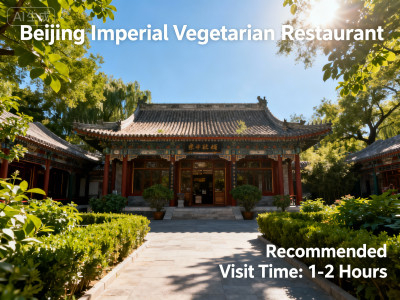
Imperial Vegetarian Restaurant
Imperial Vegetarian Restaurant, also known as Gongdelin, is one of Chinas most prestigious and historic vegetarian restaurants. Established in 1922, it has been serving exquisite Buddhist vegetarian cuisine for over a century. The restaurant specializes in creating stunningly realistic meat-like dishes using only plant-based ingredients, following the principles of Buddhist vegetarianism that prohibit garlic, onion, leeks, and other pungent vegetables. The chefs here are masters of culinary artistry, transforming tofu, gluten, mushrooms, and various vegetables into dishes that look and taste remarkably like meat, seafood, and poultry. The restaurant has served numerous dignitaries, celebrities, and Buddhist monks throughout its history. The elegant traditional Chinese decor creates a serene atmosphere perfect for enjoying healthy, flavorful vegetarian meals. The restaurant is particularly famous during Buddhist festivals and for special occasions when people observe vegetarian diets for spiritual reasons.
 Beijing
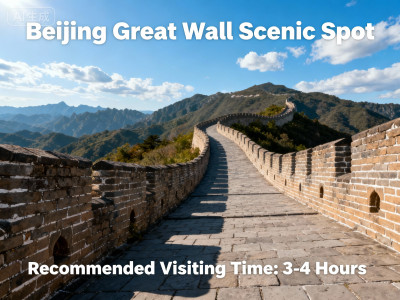
Great Wall Scenic Spot
The Great Wall of China is not just a wall but a series of fortifications built over centuries to protect Chinese states and empires from nomadic invasions from the north. Construction began as early as the 7th century BC with various states building their own walls. The most famous sections were built during the Ming Dynasty 13681644. The wall incorporates watchtowers troop barracks garrison stations signaling capabilities through smoke or fire and fortresses along its length. The Great Wall represents the pinnacle of ancient Chinese military architecture and engineering. It winds through rugged mountains deserts grasslands and plateaus showcasing breathtaking natural scenery alongside human ingenuity. The wall is made of various materials including stone brick tamped earth wood and other materials depending on the local resources available. Today it stands as a UNESCO World Heritage Site and one of the New Seven Wonders of the World attracting millions of visitors annually who come to walk its ancient paths and marvel at this testament to human perseverance and strategic thinking.
 Beijing
Mutianyu Village
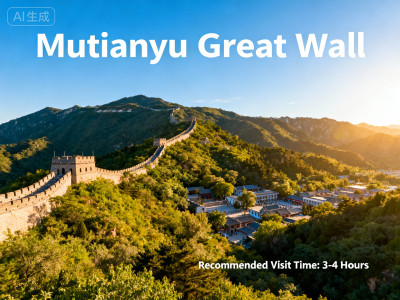
Mutianyu Village is a picturesque traditional settlement located at the base of the Mutianyu section of the Great Wall of China approximately 70 kilometers northeast of Beijing city center This ancient village dates back over 600 years to the Ming Dynasty era when it served as a military garrison supporting the Great Wall defense system Today it preserves its original stone architecture narrow winding lanes and traditional courtyard houses offering visitors an authentic glimpse into rural Chinese life The village is surrounded by lush chestnut orchards and towering mountains creating a serene escape from urban Beijing Visitors can explore traditional courtyard homes sample local cuisine and experience the warm hospitality of local villagers while using the village as a perfect base for exploring the nearby Mutianyu Great Wall section
 Beijing
The Orchard Farm Restaurant
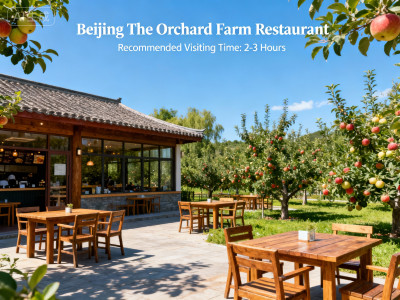
This restaurant is located on a working organic farm where guests can dine surrounded by fields and orchards. The menu changes daily based on seasonal harvests, featuring traditional Northern Chinese dishes with a modern twist. The atmosphere is relaxed and family-friendly, with outdoor seating available during warmer months.
 Beijing
Dumpling Cooking School
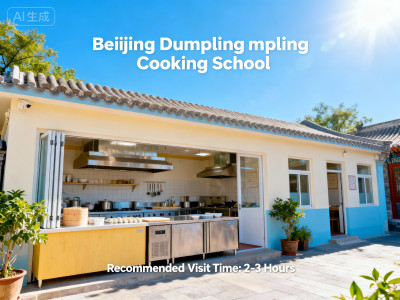
Welcome to Beijing's premier dumpling cooking school, where you'll embark on a delicious journey through Chinese culinary traditions. Dumplings, or jiaozi, are more than just food in China - they represent family, prosperity, and cultural heritage. In this immersive 3-hour class, you'll learn the art of dumpling making from expert chefs who have been perfecting their craft for generations. You'll start by preparing the dough, then move on to creating various fillings including classic pork and cabbage, vegetarian options, and regional specialties. You'll master different folding techniques, from the simple crescent shape to more intricate pleated designs. The experience culminates with cooking and enjoying your own creations, accompanied by traditional dipping sauces. This is not just a cooking class - it's a cultural immersion that connects you to centuries of Chinese culinary tradition.
 Beijing
Gulou and Drum Tower Area
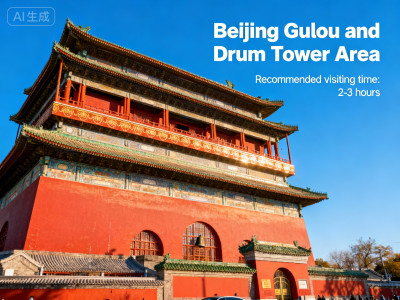
The Gulou and Drum Tower Area represents the authentic soul of old Beijing, where imperial timekeeping traditions blend seamlessly with vibrant local life. Located along the central north-south axis of ancient Beijing, this area served as the official timekeeping center of the Ming and Qing dynasties. The Drum Tower (Gulou) and Bell Tower (Zhonglou) stand as magnificent architectural twins that once regulated the daily rhythms of the imperial capital. Today, this neighborhood preserves the traditional hutong alleyways, courtyard houses (siheyuan), and authentic Beijing lifestyle that has largely disappeared from other parts of the modern city. The area offers a living museum experience where visitors can witness traditional crafts, sample authentic local cuisine, and experience the warm hospitality of Beijing residents who have lived here for generations.
 Beijing
Wangfujing Snack Street
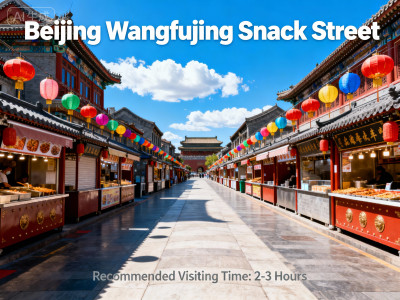
Wangfujing Snack Street is one of Beijings most famous and vibrant food destinations located just off the main Wangfujing shopping street This bustling pedestrian alley is a sensory feast where visitors can experience authentic Chinese street food culture The narrow lane is lined with colorful stalls and small shops each offering a unique culinary specialty From traditional Beijing snacks to exotic delicacies the street provides an unforgettable gastronomic journey The atmosphere is electric with the sounds of sizzling woks the aroma of spices and the excitement of adventurous eaters trying everything from classic dumplings to more unusual offerings like scorpions and starfish This is not just a place to eat but a cultural experience that showcases Chinas diverse regional cuisines and street food traditions
 Beijing
Wangfujing Snack Street
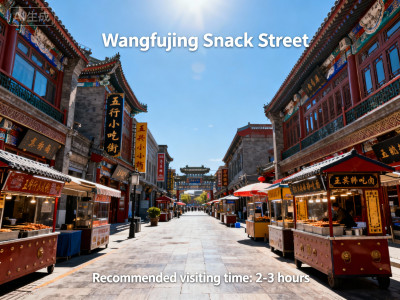
Wangfujing Snack Street is a bustling tourist destination where visitors can experience authentic Beijing street food culture. While not a single restaurant, it features numerous stalls and small eateries offering a wide variety of local delicacies, including chuan'r (skewers) and other barbecue-style foods. It provides an immersive sensory experience with sights, sounds, and aromas characteristic of traditional Beijing street markets.
 Beijing
Sanlitun Village
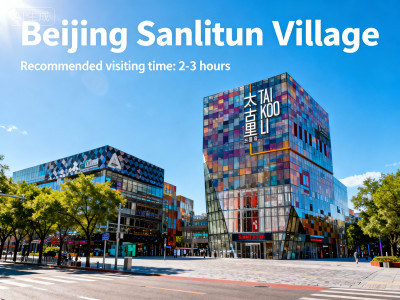
Sanlitun Village represents the modern face of Beijing as a global metropolis Located in the Chaoyang District this stylish complex comprises two main areas Sanlitun Village North and South connected by an openair plaza The architectural design features contemporary glass structures with innovative geometric patterns creating a visually striking contrast against traditional Beijing neighborhoods As one of Beijings premier international lifestyle destinations Sanlitun Village offers a sophisticated blend of highfashion boutiques global dining experiences trendy bars and cultural venues The area has evolved from its origins as a diplomatic quarter in the 1950s to become a symbol of Beijings cosmopolitan transformation particularly after the 2008 Olympics The complex embodies the citys embrace of international influences while maintaining its unique Chinese character making it a mustvisit destination for travelers seeking Beijings modern cultural scene
 Beijing
Forbidden City (Palace Museum)
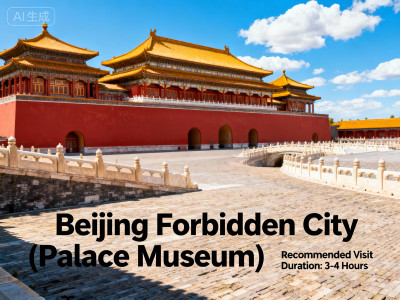
Located at the heart of Beijing, the Forbidden City is a masterpiece of traditional Chinese palatial architecture. It consists of 980 buildings with over 8,700 rooms, surrounded by a wide moat and a high wall. The complex is divided into the Outer Court for ceremonial purposes and the Inner Court for the emperor's residence and daily affairs. It houses an immense collection of artifacts and treasures from the imperial collections.
 Beijing
Traditional Medicine Shop
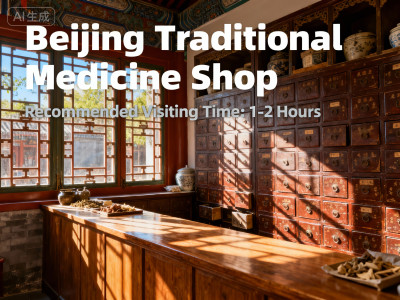
Traditional Medicine Shops in Beijing represent centuries of Chinese medical heritage dating back to the Ming and Qing dynasties These establishments are not merely pharmacies but cultural institutions preserving the ancient wisdom of Traditional Chinese Medicine TCM Within their wooden cabinets lie thousands of herbal remedies mineral substances and animal products each carefully selected and prepared according to timehonored formulas The shops atmosphere is characterized by the distinctive aroma of dried herbs the rhythmic sound of grinding stones and the meticulous craftsmanship of medicine preparation Many shops feature traditional architectural elements like carved wooden beams antique scales and ancient medical texts creating an immersive experience into Chinas medical history
 Beijing
Local Food Market
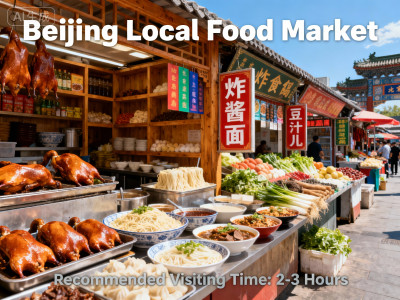
Beijing's local food markets are living museums of Chinese culinary traditions offering an immersive sensory experience These bustling hubs showcase the city's rich food heritage from imperial court cuisine to humble street snacks Visitors can witness the art of traditional cooking techniques sample regional specialties and interact with local vendors who have perfected their craft over generations The markets reflect Beijing's unique position as a cultural melting pot where northern Chinese flavors blend with influences from across the country Beyond food these markets serve as community gathering spaces preserving centuries-old traditions while adapting to contemporary tastes
 Beijing
Traditional Banquet Hall
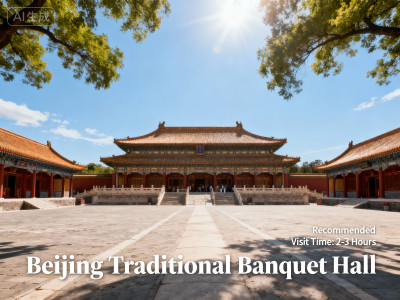
The Traditional Banquet Hall in Beijing offers visitors a unique opportunity to experience the grandeur of imperial Chinese dining traditions. Located in the heart of China's capital, this establishment recreates the lavish banquets once enjoyed by emperors and nobility during various dynasties, particularly the Ming and Qing periods. The hall features traditional architectural elements, antique furnishings, and period-appropriate decor that transport guests back to the golden age of Chinese imperial culture. Here, you'll not only taste exquisite dishes but also witness traditional tea ceremonies, musical performances, and cultural demonstrations that bring ancient Chinese dining customs to life. The experience combines culinary artistry with historical reenactment, providing deep insights into China's rich gastronomic heritage and the sophisticated etiquette of royal dining.
 Beijing
Summer Palace
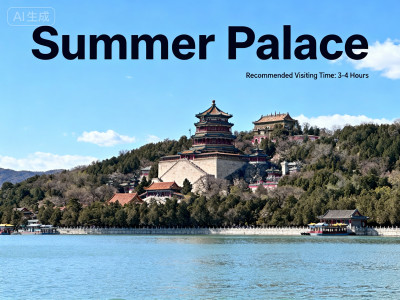
The Summer Palace known as Yiheyuan in Chinese is a vast ensemble of lakes gardens and palaces in Beijing China It served as a summer retreat for the Qing Dynasty imperial family The garden covers an area of 29 square kilometers with Kunming Lake and Longevity Hill as its main features The site combines natural landscapes with artificial constructions including pavilions temples bridges and corridors representing the pinnacle of Chinese garden art The Summer Palace was first built in 1750 during the reign of Emperor Qianlong and was reconstructed in 1886 after being destroyed during the Second Opium War The design follows traditional Chinese garden principles of harmony between architecture and nature creating a poetic landscape that changes with every step Visitors can explore the Long Corridor the longest covered walkway in the world decorated with over 14000 paintings depicting Chinese mythology history and literature The Marble Boat symbolizes the stability of the Qing Dynasty while the Tower of Buddhist Incense offers panoramic views of the entire complex The Summer Palace was designated a UNESCO World Heritage Site in 1998 for its exceptional testimony to Chinese garden design and imperial culture
 Beijing
Beihai Park
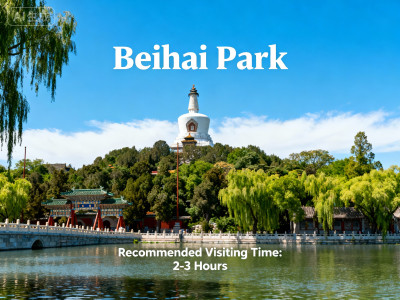
Beihai Park, located in the heart of Beijing, is a masterpiece of classical Chinese garden design that dates back to the 10th century during the Liao Dynasty. Covering 69 hectares, with over half of the area occupied by the beautiful Beihai Lake, this imperial garden served as a royal retreat for successive dynasties including the Jin, Yuan, Ming, and Qing. The park represents the perfect harmony between man-made structures and natural landscapes, featuring artificial hills, pavilions, temples, and corridors that create a poetic atmosphere. The centerpiece is the stunning White Dagoba, a Tibetan-style stupa built in 1651 that stands majestically on Jade Flower Island. The park's design follows traditional Chinese philosophy, with the lake representing the sea and the island symbolizing Penglai, the mythical island of immortals. Beihai Park is not just a scenic spot but a living museum of Chinese garden art, architecture, and imperial history.
 Beijing
Houhai Lake
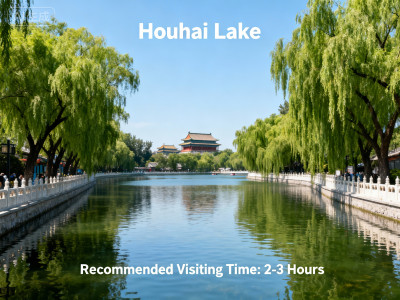
Houhai Lake also known as Rear Lake is part of the Shichahai lake system in central Beijing Located in the Xicheng District Houhai is surrounded by traditional hutongs ancient courtyard houses and historical sites dating back to the Yuan Dynasty The lake area was once part of the Grand Canal water system serving as a major transportation hub during ancient times Today Houhai has transformed into a vibrant entertainment district while preserving its historical charm The lakeside is lined with willow trees traditional teahouses bars restaurants and boutique shops creating a perfect blend of old and new Beijing The area is particularly famous for its nightlife with numerous bars and live music venues while during the day visitors can enjoy boat rides on the lake or explore the surrounding hutongs Houhai also serves as a popular winter destination when the lake freezes over allowing for ice skating and other winter activities
 Beijing
Mutianyu Great Wall
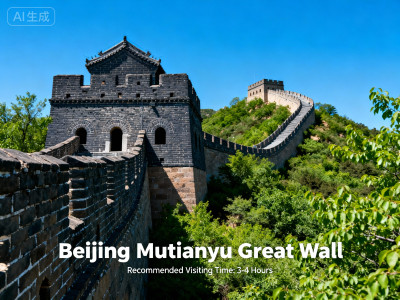
Mutianyu Great Wall is a magnificent section of the Great Wall located approximately 70 kilometers northeast of Beijing. Built during the Northern Qi Dynasty (550-577) and reconstructed during the Ming Dynasty (1368-1644), this section features unique architectural elements including watchtowers, battlements, and crenellations. The wall stretches for 2.5 kilometers with 22 watchtowers, offering breathtaking views of the surrounding mountains and valleys. Unlike other sections, Mutianyu is characterized by its unique double-sided battlements, allowing defenders to fire from both sides. The wall is beautifully restored while maintaining its historical authenticity, making it less crowded than Badaling but equally impressive. The area is surrounded by lush forests, especially stunning during autumn when the leaves turn vibrant colors.
 Beijing
Mutianyu Mountain Trails
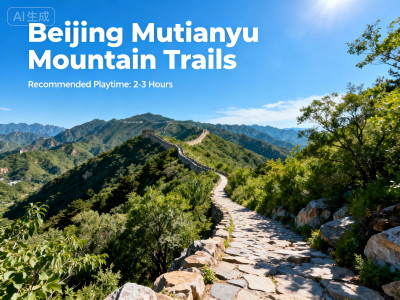
The Mutianyu section of the Great Wall is one of the best-preserved and most scenic parts of this UNESCO World Heritage site. Located approximately 70 kilometers northeast of Beijing, Mutianyu was first built during the Northern Qi Dynasty (550-577) and later rebuilt during the Ming Dynasty (1368-1644). This section stretches for 2.5 kilometers and features 22 watchtowers, each with unique architectural characteristics. What makes Mutianyu particularly special is its integration with the natural landscape - the wall winds its way through dense forests and rugged mountains, offering panoramic views that change with the seasons. The restoration work here has been carefully done to maintain historical authenticity while ensuring visitor safety. Unlike the more crowded Badaling section, Mutianyu offers a more peaceful experience with better-preserved original features and fewer crowds, making it perfect for photography and contemplation.
 Beijing
 Traditional Restaurant
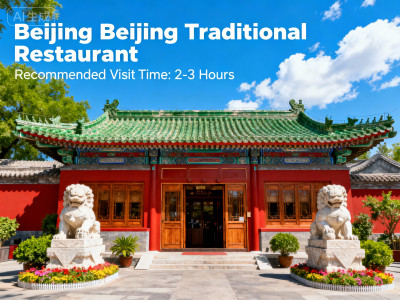
Beijing Traditional Restaurant offers an immersive journey into the capital's rich culinary heritage, specializing in imperial court cuisine and traditional Beijing dishes that have been perfected over centuries. Located in a beautifully restored courtyard house with traditional architectural elements, this restaurant provides not just a meal but a cultural experience. The establishment follows the principles of imperial dining, where presentation, balance, and seasonal ingredients are paramount. The menu features classic dishes that were once served to emperors and nobility, prepared with meticulous attention to traditional cooking techniques passed down through generations of master chefs. The dining experience is enhanced by the elegant ambiance, featuring antique furniture, traditional Chinese decor, and the warm hospitality that reflects Beijing's long-standing dining traditions.
 Beijing
Temple of Heaven Park
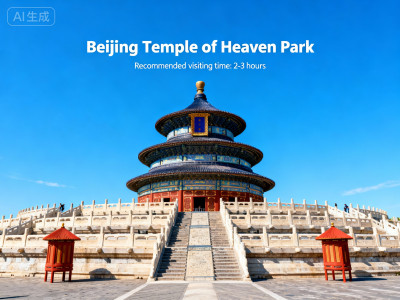
The Temple of Heaven Park is a magnificent imperial complex spanning 273 hectares that served as the most sacred site in imperial China for over 500 years. Built between 1406 and 1420 during the reign of Emperor Yongle of the Ming Dynasty, this architectural masterpiece represents the pinnacle of Chinese ritual architecture. The park consists of three main groups of buildings: the Hall of Prayer for Good Harvests, the Imperial Vault of Heaven, and the Circular Mound Altar, all arranged along a north-south axis. The entire complex embodies profound cosmological principles with its circular structures representing heaven and square foundations symbolizing earth. Emperors of the Ming and Qing dynasties would perform elaborate ceremonies here twice a year to pray for good harvests and offer sacrifices to heaven. The park's design reflects ancient Chinese beliefs about the relationship between heaven and earth, with meticulous attention to acoustics, numerology, and astronomical alignment. Today, it serves as both a historical monument and a vibrant public park where locals practice traditional activities like tai chi, dancing, and playing traditional instruments.
 Beijing
Confucius Temple
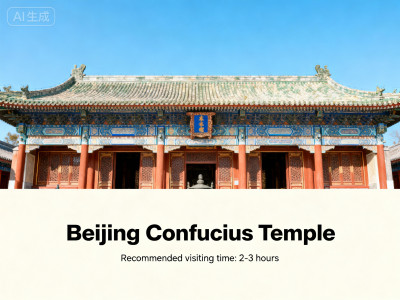
Located in the heart of Beijing near the Lama Temple, the Beijing Confucius Temple was originally built in 1302 during the Yuan Dynasty and expanded during the Ming and Qing periods. This sacred complex served as the imperial temple where emperors would personally pay homage to Confucius, the great Chinese philosopher and educator. The temple complex covers approximately 22,000 square meters and features traditional Chinese architecture with red walls, yellow glazed tiles, and intricate wooden structures. The main hall, Dacheng Hall, is particularly impressive with its double-eaved roof and nine-bay width, a privilege reserved for imperial buildings. Within the temple grounds, youll find 198 stone tablets inscribed with the names of over 50,000 scholars who passed the imperial examinations, creating a fascinating historical record of Chinas intellectual elite. The temple also houses the Imperial Academy, where scholars studied for the civil service examinations that determined government appointments for centuries. Today, the temple stands as a peaceful oasis in bustling Beijing, offering visitors a glimpse into Chinas rich educational and philosophical traditions.
 Beijing
Fragrant Hills Park
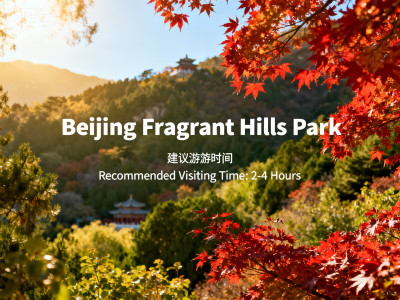
Fragrant Hills Park also known as Xiangshan Park is a sprawling imperial garden located at the eastern foot of the Western Hills in Beijing Covering an area of 160 hectares this scenic park was originally built in 1186 during the Jin Dynasty and later expanded during the Yuan Ming and Qing dynasties The park gets its name from the large incense burner shaped peak that resembles a censer emitting fragrant smoke at sunrise and sunset The most famous feature of Fragrant Hills Park is its spectacular autumn foliage when thousands of maple trees turn brilliant shades of crimson orange and gold creating a breathtaking sea of red leaves that has inspired poets and artists for centuries Beyond the autumn spectacle the park offers numerous historical sites including ancient temples pavilions and the remains of imperial palaces The park also features the Fragrant Hills Hotel designed by renowned architect IM Pei which beautifully blends modern architecture with traditional Chinese garden design
 Beijing
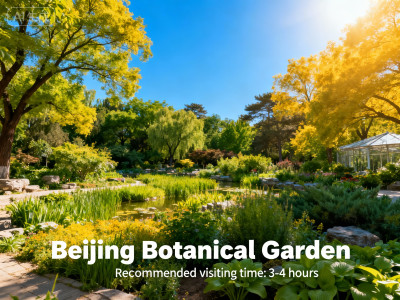
 Botanical Garden
The Beijing Botanical Garden established in 1956 is one of Chinas premier botanical institutions covering over 400 hectares at the foot of the Western Hills This comprehensive botanical garden serves as both a scientific research center and a public recreational space housing more than 6000 species of plants from across China and around the world The garden is organized into specialized sections including the Chinese Traditional Medicine Garden Rose Garden Magnolia Garden Peony Garden and Bonsai Garden with the highlight being the spectacular conservatory complex featuring tropical rainforest desert and orchid collections Beyond its botanical significance the garden also contains historical sites like the Temple of the Sleeping Buddha dating back to the Tang Dynasty and the Cherry Valley where visitors can experience seasonal floral displays that change throughout the year
 Beijing
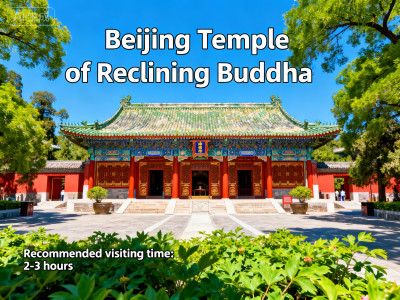
Temple of Reclining Buddha
The Temple of Reclining Buddha Wofosi is a historic Buddhist temple dating back to the Tang Dynasty 7th century AD Located in the scenic Western Hills of Beijing this temple complex is renowned for its magnificent 54 meter long 5 meter high reclining Buddha statue carved from a single piece of sandalwood The statue depicts the historical Buddha Shakyamuni in his final moments before entering Nirvana with a serene expression and graceful posture The temple complex features traditional Chinese architecture with multiple halls courtyards and ancient trees creating a peaceful spiritual atmosphere Beyond the main reclining Buddha statue the temple houses numerous other Buddhist artifacts ancient steles and cultural relics Visitors can explore the Hall of Heavenly Kings the Mahavira Hall and the Hall of Reclining Buddha each showcasing exquisite Buddhist art and architecture The surrounding landscape offers beautiful views of the Western Hills making it a perfect combination of cultural heritage and natural beauty
 Beijing
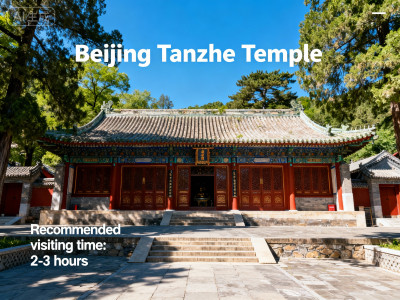
Tanzhe Temple
Tanzhe Temple also known as the Pool and Mulberry Temple is one of the oldest Buddhist temples in Beijing with a history dating back over 1700 years to the Jin Dynasty The temple gets its name from the dragon pool Tanzhe in front and the mulberry trees Zheshu behind the temple complex The temple has served as an important Buddhist center throughout Chinese history and is renowned for its beautiful natural setting in the Western Hills of Beijing The architecture follows traditional Chinese Buddhist temple layout with multiple courtyards halls and pagodas The temple complex covers a vast area and features ancient trees some over 1000 years old creating a serene atmosphere perfect for spiritual contemplation
 Beijing
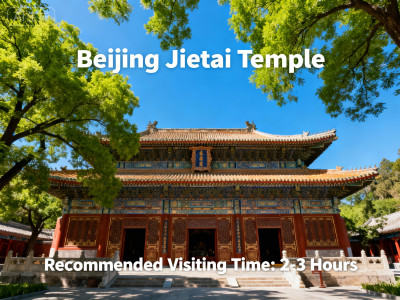
Jietai Temple
Jietai Temple located in the western hills of Beijing is renowned for its magnificent ordination platform which is considered one of the three great ordination platforms in China along with those at Guoqing Temple in Zhejiang and Kaiyuan Temple in Fujian The temple was first built during the Sui Dynasty 581618 AD and has been expanded and renovated throughout subsequent dynasties particularly during the Tang and Ming periods The temples name Jietai literally means Ordination Platform referring to the sacred platform where Buddhist monks receive their full ordination The temple complex features traditional Chinese Buddhist architecture with multiple halls courtyards and ancient pine trees some of which are over 1000 years old The main attractions include the Mahavira Hall the Ordination Platform Hall and numerous stone steles and inscriptions that document the temples long history The surrounding natural environment with its pine forests and mountain scenery adds to the temples serene atmosphere making it both a religious site and a scenic destination
 Beijing
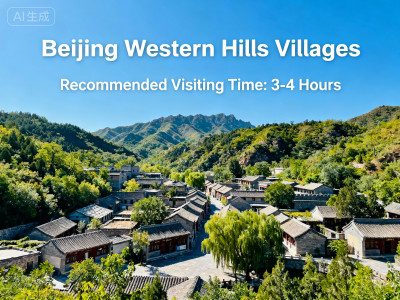
Western Hills Villages
The Western Hills Villages refer to several traditional settlements nestled in the mountainous region west of Beijing. These villages offer a glimpse into rural Chinese life, with historic architecture, local crafts, and access to hiking trails with panoramic views of the surrounding hills and forests.
 Beijing
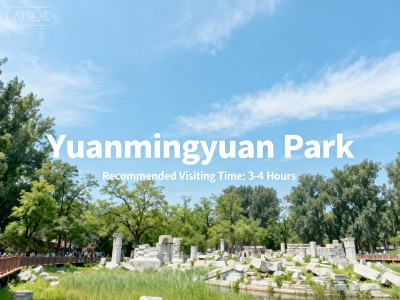
Yuanmingyuan Park
Yuanmingyuan also known as the Old Summer Palace was once the most magnificent imperial garden complex in China Built during the Qing Dynasty it covered over 350 hectares and featured a stunning collection of Europeanstyle palaces Chinese pavilions artificial lakes and elaborate gardens The complex was looted and destroyed by British and French forces in 1860 during the Second Opium War Today the ruins stand as a poignant reminder of Chinas imperial past and the painful history of foreign aggression The park combines beautiful natural scenery with historical ruins creating a unique atmosphere of both beauty and melancholy Visitors can explore the remains of Europeanstyle palaces designed by Jesuit missionaries admire the intricate stone carvings and wander through the picturesque gardens that have been partially restored
 Beijing
Olympic Forest Park
Olympic Forest Park is the largest urban green space in Beijing, covering 680 hectares in the northern part of the city. Built as the green lung for the 2008 Summer Olympics, this park represents Chinas commitment to environmental sustainability and urban planning excellence. The park seamlessly integrates the iconic Olympic venues like the Birds Nest Stadium and Water Cube with lush forests, serene lakes, and beautifully landscaped gardens. It serves as both a recreational haven for Beijing residents and a living testament to the Olympic spirit of harmony between humanity and nature. The parks design incorporates traditional Chinese garden aesthetics with modern ecological principles, creating a perfect balance between natural preservation and urban functionality.
 Beijing
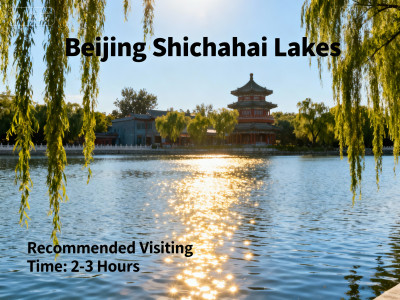
Shichahai Lakes
Shichahai Lakes also known as Houhai is a scenic area in central Beijing comprising three interconnected lakes Qianhai Front Sea Houhai Back Sea and Xihai West Sea This historic water system dates back to the Yuan Dynasty 12711368 and was once part of the Grand Canals northern terminus The area preserves traditional Beijing architecture with ancient hutongs narrow alleyways courtyard homes siheyuan and historic mansions surrounding the lakes Shichahai offers a unique blend of natural beauty cultural heritage and modern entertainment with traditional teahouses lakeside bars restaurants and boutique shops lining the waterfront The area is particularly famous for its willowlined banks lotus flowers in summer and ice skating in winter making it a yearround destination that captures the essence of old Beijing while embracing contemporary urban life
Want the days already arranged?
Open the guidebook