The places index · 505 places
Places worth
Landmarks with a story, neighbourhood corners with a slower pace and natural places that deserve more than a photograph. Use this index as a starting point, not a checklist.
 Shijiazhuang
Flying Bridge Across the Sky
The Flying Bridge Across the Sky is a spectacular glass suspension bridge that spans across a deep canyon offering breathtaking views of the surrounding mountainous landscape This engineering marvel combines modern architectural techniques with natural beauty creating a thrilling experience for visitors The bridge features transparent glass panels allowing you to look straight down to the valley floor hundreds of meters below making it both an exhilarating and scenic attraction The structure represents Chinas advanced engineering capabilities while providing access to some of the most stunning natural scenery in the region
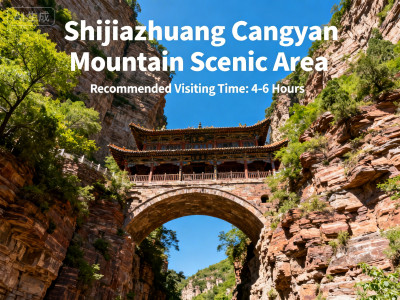 Shijiazhuang
Cangyan Mountain Scenic Area
Cangyan Mountain, also known as Cangyan Mountain Scenic Area, is a magnificent natural and cultural attraction located about 50 kilometers southwest of Shijiazhuang in Hebei Province. This sacred mountain is renowned for its unique red sandstone cliffs, ancient Buddhist temples built precariously on sheer rock faces, and lush forested landscapes. The name 'Cangyan' translates to 'Green Cliff,' referring to the mountain's distinctive greenish rock formations that contrast beautifully with the surrounding red sandstone. The area has been a center of Buddhist worship since the Sui Dynasty (581-618 AD) and features the famous Qiaoloudian Temple complex, which appears to be suspended in mid-air against the cliffside. The mountain stands at approximately 1,000 meters above sea level and offers panoramic views of the Taihang Mountain range. Cangyan Mountain combines natural beauty with profound spiritual significance, making it one of North China's most remarkable destinations for both nature lovers and cultural enthusiasts.
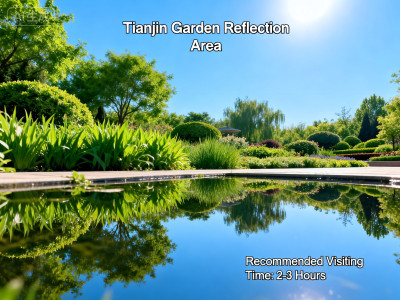 Tianjn
Garden Reflection Area
The Garden Reflection Area is one of Tianjins most exquisite classical Chinese gardens located in the heart of the city This meticulously designed garden follows traditional Chinese garden principles of creating miniature landscapes that reflect the natural world in a harmonious balance The name Reflection Area refers to both the physical water features that mirror the surrounding architecture and the philosophical concept of self reflection and contemplation that the garden inspiresnnBuilt during the Qing Dynasty the garden showcases the sophisticated aesthetics of Chinese landscape design with its winding pathways elegant pavilions rockeries and water features Every element is carefully arranged to create a sense of discovery and tranquility as visitors meander through the space The garden represents the Chinese philosophy of harmony between humanity and nature where man made structures blend seamlessly with natural elementsnnThe design incorporates the four essential elements of classical Chinese gardens rocks water plants and architecture arranged according to Feng Shui principles to create positive energy flow The garden features several distinct areas including the Moon Viewing Pavilion the Lotus Pond the Scholar's Study and the Zigzag Bridge each offering unique perspectives and experiencesnnBeyond its aesthetic beauty the Garden Reflection Area serves as a living museum of Chinese cultural traditions hosting seasonal festivals tea ceremonies and calligraphy exhibitions that allow visitors to immerse themselves in traditional Chinese arts and customs
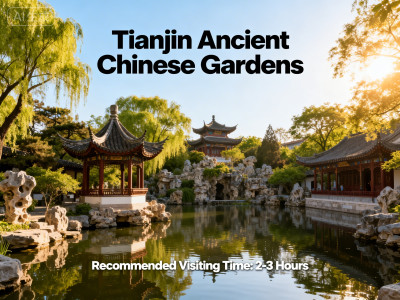 Tianjn
Ancient Chinese Gardens
The Ancient Chinese Gardens in Tianjin represent one of the finest collections of traditional Chinese garden design in northern China. This expansive complex features meticulously recreated gardens from various historical periods, including Ming and Qing dynasty styles. Each garden follows the fundamental principles of Chinese landscape design - harmony between architecture and nature, symbolic arrangements of rocks and water, and the creation of miniature worlds that reflect cosmic order. The gardens incorporate traditional elements like winding pathways, moon gates, pavilions, rockeries, lotus ponds, and carefully curated plantings that change with the seasons. Visitors can experience the philosophical concepts of yin and yang, the five elements, and the Taoist pursuit of harmony with nature through the garden layouts. The complex also includes educational displays about Chinese garden history, traditional construction techniques, and the cultural significance of garden elements in Chinese literature and art.
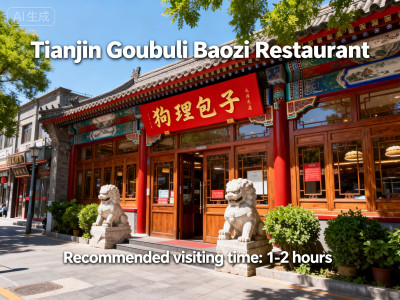 Tianjn
Goubuli Baozi Restaurant
Goubuli Baozi Restaurant is not just a dining establishment its a living piece of Tianjin history dating back to 1858 The name Goubuli literally translates to dogs dont care reflecting the original owners nickname and the irresistible quality of his steamed buns that even dogs would ignore their masters when these buns were around This iconic restaurant specializes in Tianjin Goubuli Baozi a UNESCO-recognized intangible cultural heritage item featuring 18 precise folds on each bun The restaurant offers an authentic experience where you can watch master chefs create these delicate buns through traditional techniques passed down through generations The dining environment combines Qing Dynasty architectural elements with modern comfort creating a perfect setting to enjoy one of Chinas most famous culinary treasures
 Tianjn
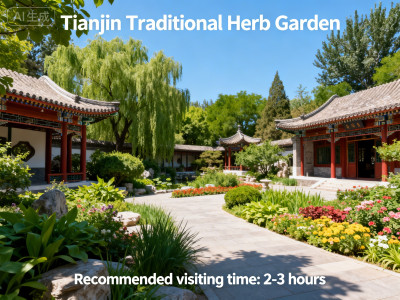
Traditional Herb Garden
The Traditional Herb Garden in Tianjin is a remarkable botanical sanctuary dedicated to preserving and showcasing Chinas rich heritage of traditional Chinese medicine TCM This expansive garden features over 500 species of medicinal plants herbs and trees carefully cultivated in thematic sections that represent different aspects of Chinese herbal medicine Visitors can explore the beautifully landscaped grounds which include traditional Chinese garden elements such as winding pathways rock formations water features and pavilions Each plant is labeled with both scientific and Chinese names along with detailed information about its medicinal properties preparation methods and historical uses in TCM The garden serves not only as an educational resource but also as a peaceful retreat where visitors can learn about the philosophy of balance and harmony that underpins traditional Chinese healing practices
 Tianjn
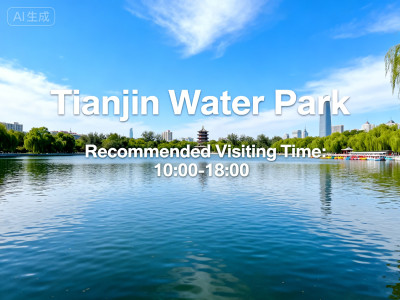
Tianjin Water Park
Tianjin Water Park also known as Shuishang Park is one of Tianjins largest and most beautiful urban parks covering an area of 200 hectares Established in 1950 the park features extensive water areas interconnected lakes and traditional Chinese garden elements The park masterfully combines natural landscapes with cultural attractions offering visitors a serene escape from the bustling city The design follows classical Chinese garden principles with winding paths pavilions bridges and carefully curated plantings creating picturesque scenes at every turn Throughout the park youll find various themed areas including lotus ponds willow lined shores and beautifully manicured gardens that change with the seasons
 Tianjn
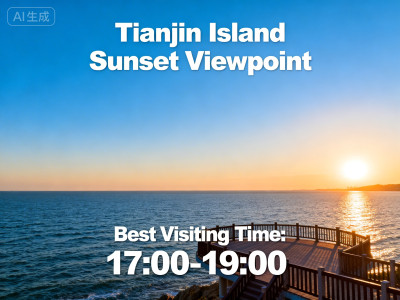
Island Sunset Viewpoint
Located on a coastal island in Tianjin, this viewpoint is renowned for its unobstructed western horizon, making it a popular destination for sunset enthusiasts and photographers. The area features walking paths, seating areas, and interpretive signs about the local marine environment.
 Tianjn
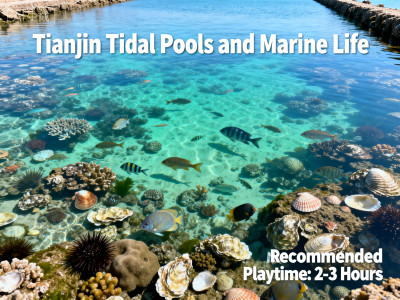
Tidal Pools and Marine Life
Tianjins tidal pools and marine life areas showcase the remarkable biodiversity of the Bohai Sea region These intertidal zones located along the citys coastline reveal a hidden world that emerges during low tide Visitors can explore rock pools sandy flats and mudflats teeming with marine creatures including crabs starfish sea anemones mollusks and various fish species The area represents an important ecological system where freshwater from the Haihe River meets the saltwater of the Bohai Sea creating unique brackish water environments This natural attraction offers educational opportunities about marine conservation coastal ecology and the delicate balance of these ecosystems The best time to visit is during spring and autumn when tidal conditions are most favorable for exploration
 Tianjn
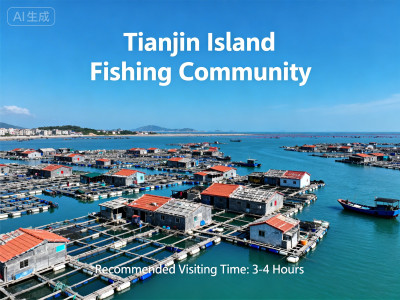
Island Fishing Community
The Island Fishing Community is a living heritage site located on a picturesque island in the Bohai Sea near Tianjin. This traditional fishing village has preserved its centuries-old way of life, offering visitors an authentic glimpse into China's coastal fishing culture. The community consists of colorful wooden houses built along the shoreline, fishing boats docked in the natural harbor, and narrow stone pathways connecting the village. Local fishermen still practice traditional fishing methods passed down through generations, using hand-woven nets and wooden boats. The village maintains a strong sense of community with shared facilities, seafood processing areas, and communal spaces where residents gather to mend nets and share stories. The air carries the fresh scent of the sea mixed with the aroma of drying seafood, creating a sensory experience that transports visitors back in time. The island's unique geography provides stunning views of the Bohai Sea and surrounding islands, making it both a cultural and natural treasure.
 Tianjn
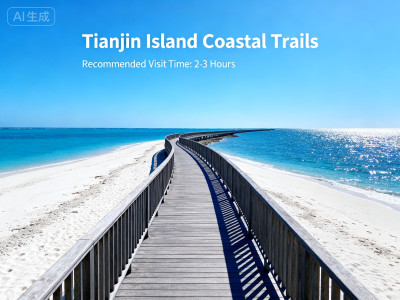
Island Coastal Trails
The Island Coastal Trails in Tianjin offer visitors a spectacular journey along the Bohai Sea coastline featuring pristine beaches dramatic cliffs and lush coastal vegetation This unique trail system connects several islands and peninsulas providing panoramic views of the sea and surrounding landscapes The trails showcase Tianjins maritime heritage with historical lighthouses fishing villages and traditional coastal architecture Visitors can experience the harmonious coexistence of nature and human settlement while enjoying fresh sea breezes and observing diverse marine life The area is particularly famous for its migratory bird watching opportunities during spring and autumn seasons
 Tianjn
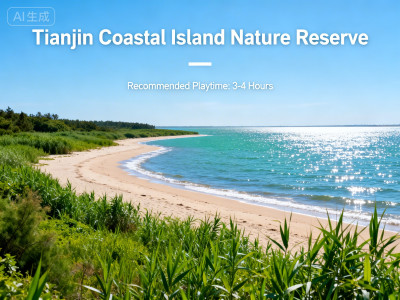
Coastal Island Nature Reserve
This reserve protects a significant coastal wetland area along the Bohai Sea, featuring diverse habitats including mudflats, salt marshes, and shallow waters that serve as crucial stopover points for migratory birds along the East Asian-Australasian Flyway.
 Tianjn
Haihe River Promenade
The Haihe River Promenade is a beautifully developed pedestrian area along the banks of the Haihe River, the lifeblood of Tianjin. It offers stunning views of the city's blend of colonial-era buildings and modern skyscrapers, with numerous bridges, gardens, and public art installations lining its path.
 Tianjn
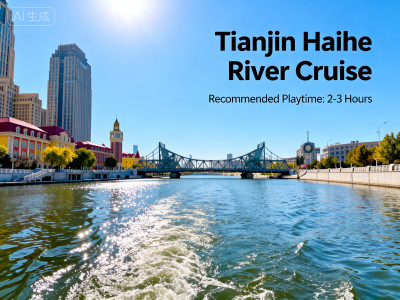
Haihe River Cruise
The Haihe River Cruise offers a unique perspective of Tianjin's stunning architecture and rich history as you glide along the city's most important waterway. The Haihe River, often called Tianjin's mother river, has been the lifeblood of the city for centuries, serving as a crucial transportation route and commercial artery. As you embark on this journey, you'll witness the perfect blend of Western colonial architecture and traditional Chinese design that makes Tianjin so distinctive. The cruise takes you past iconic landmarks including the Italian Style Street, the dazzling Tianjin Eye Ferris wheel, and numerous historic bridges that showcase different architectural styles from around the world. Each bridge tells a story - from the modern Liberation Bridge to the elegant Jiefang Bridge, creating a living museum of bridge architecture. The evening cruise is particularly magical as the city lights reflect on the water, creating a romantic atmosphere that has made this experience a favorite among both locals and visitors. The cruise provides not just transportation but a moving history lesson about Tianjin's development from a small fishing village to one of China's most important port cities.
 Tianjn
Local Farm Restaurant
Nestled in the outskirts of Tianjin, this charming farm restaurant offers a unique culinary journey that connects diners directly with the source of their food. The restaurant operates on a working organic farm where vegetables, fruits, and herbs are grown using traditional Chinese farming methods passed down through generations. The dining experience here is not just about eating but about understanding the connection between land, food, and culture. The restaurant features rustic yet elegant decor with wooden beams, traditional Chinese pottery, and panoramic views of the surrounding farmland. What makes this establishment special is its commitment to sustainability and preserving Tianjin's agricultural heritage while serving exquisite regional cuisine.
 Tianjn
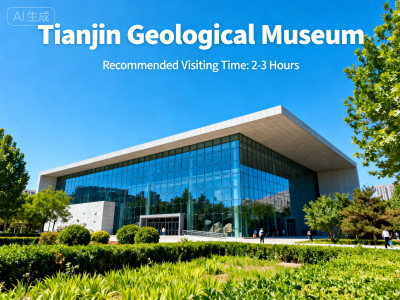
Geological Museum
The Tianjin Geological Museum is a comprehensive geological science museum that offers visitors an immersive exploration of Earths geological wonders. Located in the heart of Tianjin, this museum houses extensive collections of minerals, fossils, and geological specimens that tell the story of our planets evolution over billions of years. The museum features interactive exhibits, detailed geological models, and educational displays that make complex geological concepts accessible to visitors of all ages. Special emphasis is placed on Tianjins local geological features, including the Bohai Bay basin formations and the unique mineral resources found in northern China. The museum serves as both an educational center and a research institution, contributing to geological studies in the region.
 Tianjn
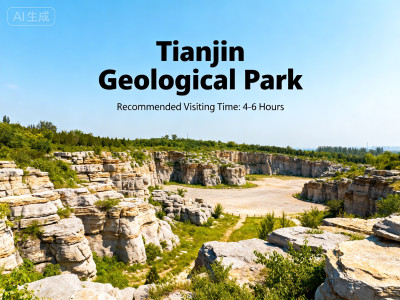
Tianjin Geological Park
Tianjin Geological Park is a remarkable natural museum that unveils the geological history of northern China spanning over 1.4 billion years. Located in the Jizhou District of Tianjin, this park covers approximately 342 square kilometers and serves as a living textbook of Earths evolution. The park features spectacular geological formations including the famous Huangyaguan Great Wall section built on quartzite mountains, ancient marine fossil beds, and unique karst landscapes. Visitors can explore various geological wonders such as the Middle Proterozoic Changcheng System rock formations, which are among the oldest exposed rocks in the region. The park also showcases evidence of ancient volcanic activity, sedimentary layers that tell stories of changing climates, and tectonic movements that shaped the North China Plain. Beyond its geological significance, the park integrates cultural elements with the nearby Huangyaguan section of the Great Wall, creating a perfect blend of natural wonders and human history. Educational trails, observation platforms, and interactive exhibits make this park an ideal destination for both geological enthusiasts and general tourists seeking to understand the deep history of our planet.
 Tianjn
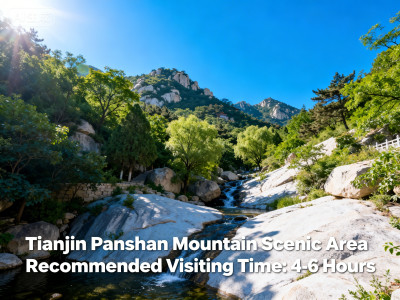
Panshan Mountain Scenic Area
Panshan is a mountain of historical and cultural significance located in Jixian County, Tianjin. Known as 'The First Mountain East of Beijing,' it features ancient pines, strange rocks, clear waters, and historic temples blending Taoist, Buddhist, and Confucian influences. The mountain offers numerous scenic overlooks with breathtaking panoramic views of the surrounding landscape.
 Tianjn
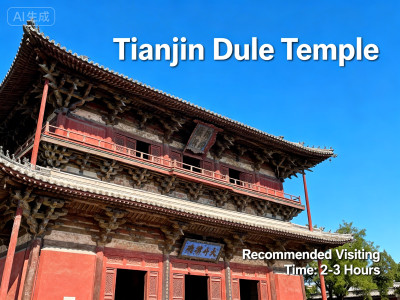
Dule Temple
Dule Temple, located in Ji County, Tianjin, is a historic Buddhist temple dating back over a thousand years. It is famed for housing one of China's oldest surviving wooden structures, the Guanyin Pavilion, which stands 23 meters tall and contains a colossal 16-meter-high clay statue of the Eleven-Headed Avalokitesvara (Guanyin). The temple complex exemplifies Liao Dynasty architecture and is a UNESCO World Heritage tentative site, offering a serene atmosphere amidst ancient cypress trees.
 Tianjn
Forest Clearing Picnic Area
A designated, peaceful clearing nestled within a larger forested park area, featuring open grassy spaces, shaded picnic tables, and basic recreational facilities for visitors to enjoy nature and outdoor meals.
 Tianjn
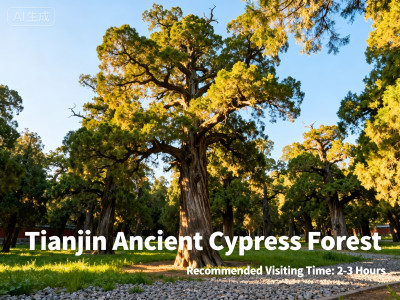
Ancient Cypress Forest
This protected forest area is home to a remarkable collection of ancient cypress trees, revered for their longevity and cultural significance. The forest features well-maintained walking paths that wind through groves of these majestic trees, with informational plaques detailing their age and historical context. The atmosphere is one of tranquility and natural beauty, providing a stark contrast to the urban environment of nearby Tianjin city.
 Tianjn
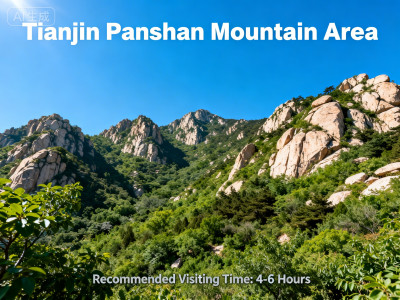
Panshan Mountain Area
Panshan Mountain Area is a stunning natural and cultural destination situated approximately 110 kilometers northwest of Tianjin city center. This majestic mountain range covers an area of 106 square kilometers with its highest peak reaching 864 meters above sea level. Known for its Five Peaks Eight Rocks and Three Temples Panshan has been celebrated by poets and emperors throughout Chinese history including Emperor Qianlong of the Qing Dynasty who visited 32 times and declared I would have visited Panshan Mountain a hundred times if I had known it earlier. The mountain combines breathtaking natural scenery with rich Buddhist heritage featuring ancient temples pagodas and stone inscriptions dating back over a thousand years. The area is particularly famous for its pine trees strange rock formations clear mountain springs and spectacular waterfalls creating a perfect harmony between natural beauty and cultural significance
 Tianjn
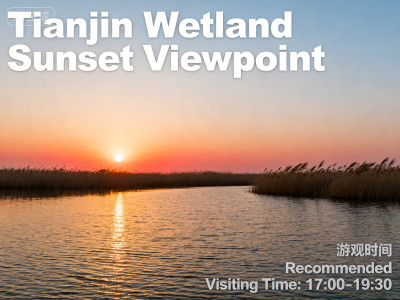
Wetland Sunset Viewpoint
The Wetland Sunset Viewpoint is one of Tianjins most spectacular natural attractions located within the Qilihai Wetlands Nature Reserve This unique vantage point offers visitors an unparalleled opportunity to witness the magical convergence of wetland ecosystems with dramatic sunset skies The viewpoint provides panoramic views over vast reed marshes shimmering waterways and diverse bird habitats creating a serene natural theater for natures daily spectacle As the sun descends it paints the wetlands in golden hues transforming the landscape into a living canvas of light and shadow The area represents a perfect harmony between ecological preservation and natural beauty showcasing Tianjins commitment to environmental conservation while offering visitors a tranquil escape from urban life
 Tianjn
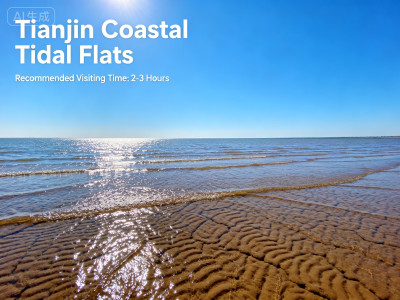
Coastal Tidal Flats
The Coastal Tidal Flats of Tianjin form a spectacular natural phenomenon along the Bohai Bay coastline where the Yellow River deposits rich sediments creating extensive mudflats that transform dramatically with the tides This unique ecosystem serves as a critical stopover point for migratory birds along the East AsianAustralasian Flyway making it a paradise for birdwatchers and nature enthusiasts The tidal flats stretch across kilometers of coastline offering breathtaking views of the meeting point between river and sea where the interplay of water land and sky creates everchanging patterns and colors Throughout the year the area hosts millions of migratory birds including endangered species like the redcrowned crane Saunders gull and blackfaced spoonbill Beyond its ecological significance the tidal flats hold cultural importance as traditional fishing grounds where local communities have practiced sustainable harvesting methods for generations The area also features unique geological formations and serves as a natural laboratory for studying coastal processes and climate change impacts
 Tianjn
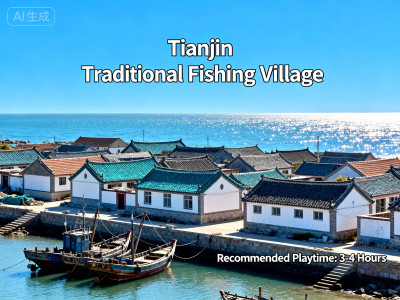
Traditional Fishing Village
The Traditional Fishing Village in Tianjin offers visitors a rare glimpse into the centuries-old fishing culture that has sustained coastal communities along the Bohai Sea. This living heritage site preserves traditional fishing techniques, boat-building methods, and community lifestyles that have been passed down through generations. The village showcases the unique architectural style of coastal dwellings, with stone houses built to withstand sea winds and traditional fishing boats moored along the waterfront. Visitors can witness the daily rhythms of fishing life, from early morning net-mending to the return of fishing boats with their daily catch. The village represents an important cultural heritage that connects modern Tianjin to its maritime roots and provides insight into sustainable fishing practices that have maintained ecological balance for centuries.
 Tianjn
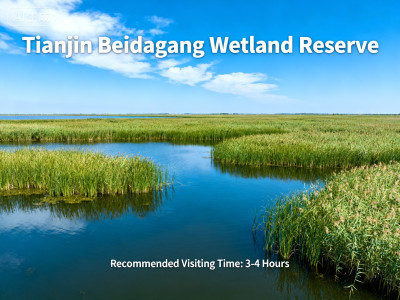
Beidagang Wetland Reserve
Beidagang Wetland Reserve is one of the most important coastal wetlands in northern China, located in the Binhai New Area of Tianjin. This expansive wetland ecosystem covers approximately 348 square kilometers and serves as a critical stopover point for migratory birds along the East Asian-Australasian Flyway. The reserve features a diverse landscape of marshes, reed beds, salt pans, and shallow waters that create a unique habitat for both resident and migratory species. Established as a national nature reserve in 1997, Beidagang plays a crucial role in maintaining regional biodiversity, regulating climate, and protecting coastal environments. The wetland is particularly famous for its spectacular bird migrations, with over 250 species recorded including rare and endangered birds like the red-crowned crane, oriental white stork, and Saunders's gull. Beyond its ecological significance, the reserve offers visitors a serene escape from urban life with its vast open spaces, tranquil waters, and breathtaking natural scenery that changes dramatically with the seasons.
 Tianjn
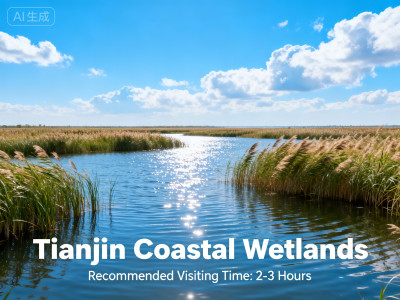
Tianjin Coastal Wetlands
The Tianjin Coastal Wetlands represent one of Chinas most important ecological zones along the Bohai Sea coastline Spanning over 300 square kilometers this protected area serves as a critical stopover point for migratory birds along the East Asian Australasian Flyway The wetlands feature diverse ecosystems including tidal flats salt marshes reed beds and shallow coastal waters creating a unique habitat for both wildlife and marine species Beyond its ecological significance the wetlands demonstrate Tienjins innovative approach to balancing urban development with environmental protection offering visitors a rare glimpse into coastal conservation efforts in one of Chinas most developed regions
 Xi'an
Banpo Museum
Xi'anCalligraphy Culture Center
Xi'anXi'an Museum
Xi'anDaci'en Temple
Xi'anGreat Mosque
Xi'anXi'an Drum Tower
Xi'anXi'an Bell Tower
Xi'anXi'an Ancient City Wall
 Xi'an
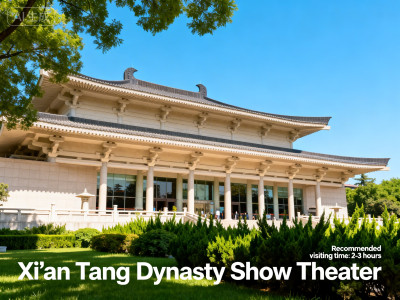
Tang Dynasty Show Theater
The Tang Dynasty Show Theater offers visitors an unforgettable journey back to the golden age of Chinese civilization during the Tang Dynasty 618907 AD Known as one of Chinas most prosperous and culturally rich periods the Tang Dynasty Show presents a magnificent spectacle of traditional music classical dance and elaborate costumes that recreate the splendor of the imperial court Located in the heart of Xian the ancient capital of China this performance combines historical authenticity with artistic excellence The show features over 100 performers including musicians dancers and singers who present a series of captivating scenes from Tang Dynasty life From the elegant court dances to the powerful military performances the show showcases the diversity and sophistication of Tang culture The theater itself is designed to resemble a Tang palace with traditional architecture and decor creating an immersive atmosphere that transports audiences back 1300 years The performance includes famous pieces like the Rainbow Skirt Feathered Garment Dance which was a favorite of Emperor Xuanzong and his beloved concubine Yang Guifei The music is performed on authentic Tang Dynasty instruments including the pipa guzheng and erhu creating a soundscape that echoes through the centuries The Tang Dynasty Show is not just entertainment but an educational experience that helps visitors understand the cultural heritage that shaped modern China
 Xi'an
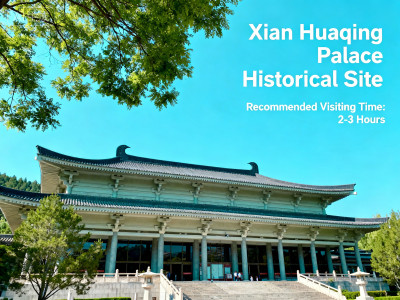
Huaqing Palace Historical Site
Huaqing Palace, also known as Huaqing Pool, is one of China's most famous historical sites located at the northern foot of Mount Li in Lintong District, Xi'an. With a history spanning over 3000 years, this site served as an imperial hot spring palace for multiple dynasties, most notably during the Tang Dynasty when Emperor Xuanzong built luxurious palaces here for his beloved concubine Yang Guifei. The site combines natural hot springs with exquisite Tang Dynasty architecture, creating a romantic and historical atmosphere that has inspired countless poems and stories throughout Chinese history. The complex includes the original hot spring pools, palace ruins, gardens, and the famous Flying Rainbow Bridge. The site gained additional historical significance as the location of the Xi'an Incident in 1936, when Chiang Kai-shek was detained here. Today, visitors can explore the beautifully restored Tang-style buildings, soak in the same hot springs used by emperors, and enjoy stunning views of Mount Li while learning about China's rich imperial history.
 Xi'an
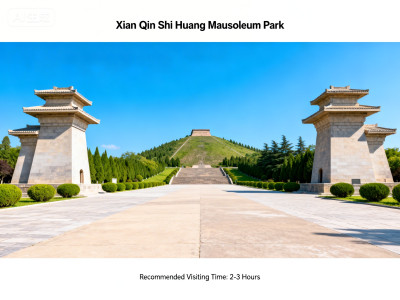
Qin Shi Huang Mausoleum Park
Qin Shi Huang Mausoleum Park is one of the most significant archaeological discoveries of the 20th century and a UNESCO World Heritage Site. This vast burial complex was constructed over 38 years by 700,000 workers for Qin Shi Huang, the first emperor who unified China in 221 BCE. The site covers approximately 56 square kilometers and represents the culmination of ancient Chinese burial practices and imperial power. While the main tomb mound remains unexcavated to preserve its contents, the surrounding pits have revealed thousands of life-sized terracotta warriors, horses, chariots, and weapons, each with unique facial features and expressions. The complex was designed as a microcosm of the emperor's empire, complete with palaces, stables, and administrative offices, reflecting the belief in an afterlife that mirrored the earthly realm.
 Tianjn
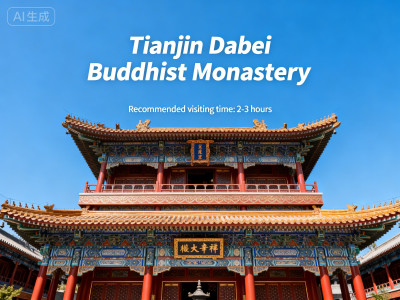
Dabei Buddhist Monastery
Dabei Buddhist Monastery also known as the Great Compassion Monastery is one of Tianjins most important Buddhist temples with a history dating back to the Ming Dynasty The monastery complex features stunning traditional Chinese architecture including magnificent halls intricate carvings and beautiful gardens The main hall houses a remarkable 72 meter tall bronze statue of the ThousandHanded Guanyin Bodhisattva making it one of the tallest indoor Buddhist statues in the world The monastery serves as both an active place of worship and a cultural treasure offering visitors a peaceful retreat from the bustling city while showcasing the rich spiritual traditions of Chinese Buddhism
 Tianjn
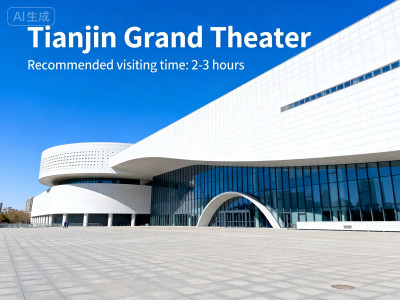
Tianjin Grand Theater
The Tianjin Grand Theater is a stunning modern architectural marvel that serves as the cultural heart of Tianjin. Designed by the renowned German architectural firm GMP, this magnificent structure opened in 2012 and has since become a symbol of Tianjins cultural renaissance. The theaters unique design features three main performance halls housed under a single, flowing roof that resembles a seashell or a blossoming flower, paying homage to Tianjins coastal heritage. The complex includes a 1,600-seat opera house, a 1,200-seat concert hall, and a 400-seat multi-functional theater, all equipped with state-of-the-art acoustics and lighting systems. The theaters exterior is clad in shimmering aluminum panels that reflect the changing light throughout the day, creating a dynamic visual experience. Located in the Hexi District along the Haihe River, the theater is part of Tianjins cultural corridor and serves as a premier venue for both local and international performances, including opera, ballet, symphony concerts, and traditional Chinese theater.
 Tianjn
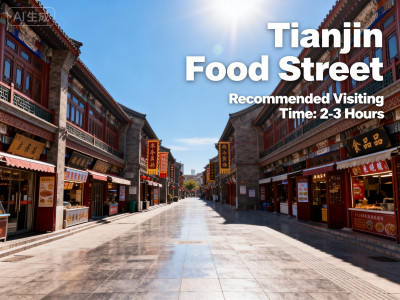
Tianjin Food Street
Tianjin Food Street is a vibrant culinary destination that captures the essence of Tianjins gastronomic heritage. Located in the heart of the city, this bustling food street offers visitors an authentic taste of northern Chinese cuisine with a distinctive Tianjin flavor. The area features traditional architecture with red lanterns, carved wooden facades, and narrow alleyways that transport you back to old Tianjin. Here you can sample famous local specialties like Goubuli steamed buns, Erduoyan fried rice cakes, and Mahua twisted dough sticks. The street is not just about food—its a cultural experience where you can witness traditional cooking methods, interact with local vendors, and immerse yourself in the lively atmosphere of Tianjin street food culture. The area is divided into different sections featuring various regional Chinese cuisines, but the highlight remains the authentic Tianjin delicacies that have been perfected over centuries.
 Xi'an
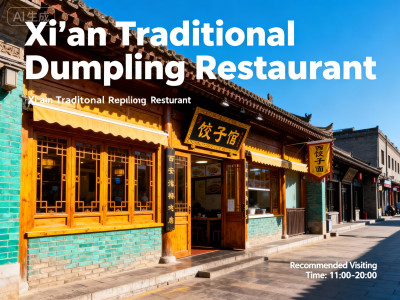
Traditional Dumpling Restaurant
Welcome to Xi'an's premier traditional dumpling restaurant where we celebrate the art of dumpling making that dates back over 1,800 years to the Han Dynasty. Located in the heart of China's ancient capital, this establishment preserves the authentic techniques passed down through generations while embracing the rich cultural heritage of the Silk Road. Xi'an dumplings are not just food—they're edible history, representing the convergence of Central Asian, Middle Eastern, and Chinese culinary traditions that flowed along the ancient trade routes. Our restaurant showcases the incredible diversity of dumplings that evolved in this region, from delicate steamed varieties to hearty boiled creations, each with its own story and significance in Chinese culture. The dumpling-making process here is a performance art, with skilled chefs demonstrating traditional techniques that have remained unchanged for centuries. We use locally sourced ingredients from Shaanxi province, including premium wheat flour from the Loess Plateau and fresh vegetables from nearby farms, ensuring authentic flavors that connect you directly to the land and history of this remarkable region.
 Xi'an
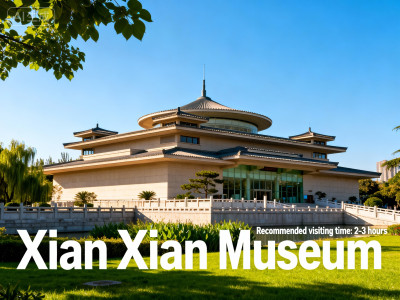
Xian Museum
Xian Museum is a modern cultural institution that offers visitors a deep dive into the historical and cultural heritage of Xian one of Chinas oldest and most significant cities Located near the Small Wild Goose Pagoda the museum complex beautifully integrates ancient architecture with contemporary exhibition spaces The museum houses over 130000 cultural relics spanning from prehistoric times to the Qing Dynasty with particular emphasis on the Tang Dynasty when Xian known as Chang'an served as the capital of China and the eastern terminus of the Silk Road The exhibitions are thoughtfully curated to tell the story of Xians evolution from a Neolithic settlement to a cosmopolitan capital and finally to the modern city it is today The museums architecture itself is noteworthy featuring traditional Chinese design elements that harmonize with the adjacent historical sites
 Xi'an
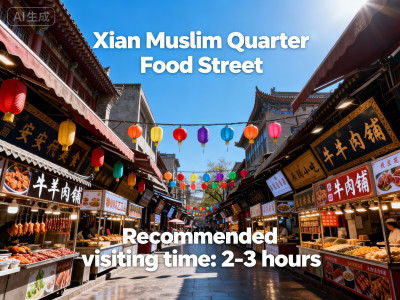
Muslim Quarter Food Street
The Muslim Quarter Food Street located near the iconic Drum Tower and Bell Tower is one of Xians most famous and vibrant culinary destinations This historic area dates back over 1300 years to the Tang Dynasty when Arab and Persian traders settled here along the Silk Road Today it stretches along Beiyuanmen Street Huimin Street and surrounding alleys creating a bustling maze of food stalls restaurants and shops operated by the Hui Muslim community The air is thick with the aromas of sizzling meats roasting nuts and exotic spices creating an unforgettable sensory experience As you wander through the narrow lanes youll see traditional Chinese architecture with Islamic influences including decorative Arabic calligraphy and crescent moon symbols The street comes alive especially in the evening when locals and tourists alike gather to sample the incredible variety of street food making it not just a dining destination but a cultural immersion into Xians rich multicultural history
 Xi'an
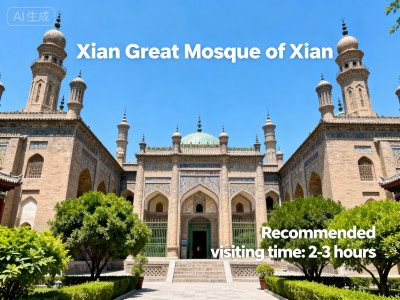
Great Mosque of Xian
The Great Mosque of Xian is one of the oldest largest and best preserved Islamic mosques in China dating back to the Tang Dynasty in 742 AD during the reign of Emperor Xuanzong This remarkable site represents the harmonious integration of Islamic culture with traditional Chinese architecture creating a unique synthesis that reflects Xians historical role as the eastern terminus of the Silk Road Unlike typical Islamic mosques with domes and minarets this complex follows traditional Chinese courtyard layout with pavilions pagodas and gardens arranged along a central axis The mosque has served the local Hui Muslim community for over 1300 years and remains an active place of worship while also being a major cultural attraction The complex covers approximately 13000 square meters and features four successive courtyards each with distinct architectural elements and symbolic significance The preservation of both Islamic religious functions and Chinese architectural aesthetics makes this site a living testament to cultural exchange and religious tolerance in Chinese history
 Xi'an
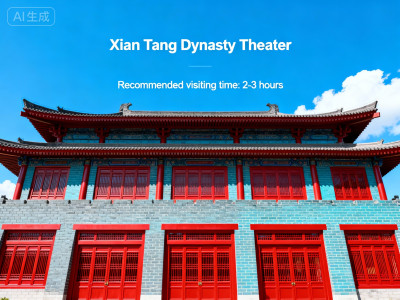
Tang Dynasty Theater
The Tang Dynasty Theater in Xian offers visitors an unforgettable journey back to Chinas Golden Age of the Tang Dynasty 618907 AD This magnificent theater presents a breathtaking showcase of traditional Chinese performing arts featuring elaborate costumes exquisite choreography and authentic Tang Dynasty music The performances recreate the splendor of the Tang imperial court with dancers musicians and acrobats bringing to life the elegance and sophistication of this remarkable historical period The theater itself is designed with traditional Chinese architectural elements creating an immersive atmosphere that transports audiences to ancient Changan modern day Xian which was once the worlds largest and most cosmopolitan city
 Xi'an
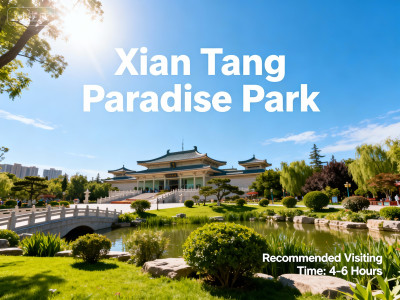
Tang Paradise Park
Tang Paradise Park also known as Datang Furong Garden is a magnificent cultural theme park that recreates the splendor of the Tang Dynasty 618907 AD Chinas golden age of poetry art and international exchange Covering an area of 1000 mu approximately 165 acres the park features stunning Tangstyle architecture beautiful gardens and numerous cultural performances that transport visitors back to the prosperous era of Emperor Xuanzong The park is centered around the magnificent Ziyun Tower which stands as the tallest Tangstyle building in China and offers panoramic views of the entire complex Visitors can explore various themed zones including the Imperial Garden Folk Customs Area and Poetry Culture Area each showcasing different aspects of Tang Dynasty life The park comes alive at night with spectacular light shows water screen movies and cultural performances that recreate the opulence of the Tang court
 Xi'an
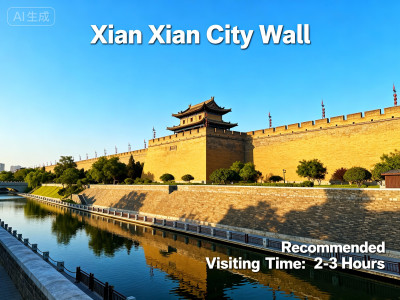
Xian City Wall
The Xian City Wall is one of the largest and best-preserved ancient city walls in the world. Built during the Ming Dynasty in the 14th century, it stands as a magnificent testament to ancient Chinese military architecture and urban planning. The wall stretches for 13.7 kilometers (8.5 miles) around the historic center of Xian, forming a perfect rectangle that encloses the old city. With a height of 12 meters (39 feet), a width of 15-18 meters (49-59 feet) at the top, and a thickness of 12-14 meters (39-46 feet) at the base, this formidable structure was designed to protect the city from invaders. The wall features 98 ramparts, four main gates facing the cardinal directions, watchtowers, corner towers, and a deep moat that once surrounded the entire structure. Walking or cycling along the top of the wall offers breathtaking panoramic views of both ancient and modern Xian, creating a unique experience where history meets contemporary life.
 Xi'an
Terracotta Army Museum
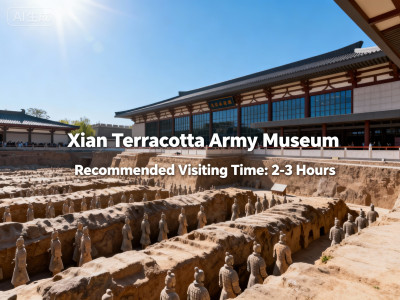
Discovered in 1974 by local farmers digging a well the Terracotta Army is a collection of thousands of life sized terracotta sculptures depicting the armies of Qin Shi Huang the first Emperor of China These sculptures were buried with the emperor in 210209 BCE to protect him in the afterlife The museum complex consists of three main pits containing warriors chariots and horses arranged in battle formation Each figure has unique facial features hairstyles and armor reflecting the diversity of the Qin dynasty army The site also includes the Bronze Chariots and Horses Exhibition Hall showcasing exquisite bronze artifacts The Terracotta Army represents not only military might but also the artistic and technological achievements of ancient China offering visitors a glimpse into the Qin dynastys power and the emperors quest for immortality
 Guangzhou
Qingping Market
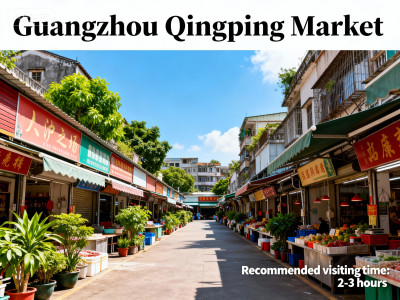
Qingping Market, established in the late Qing Dynasty, is a legendary open-air market located along the Pearl River in Guangzhou's historic Liwan District. This sprawling market covers several blocks and offers an authentic sensory experience of traditional Cantonese life. Known as the 'kitchen of Guangzhou,' it's where locals and chefs come to source the freshest ingredients, from exotic herbs and medicinal plants to live seafood and rare delicacies. The market is divided into sections specializing in different products - dried seafood and medicinal herbs in the northern section, fresh produce and meats in the central area, and traditional Chinese medicines in specialized shops. The atmosphere is lively and chaotic, with vendors calling out prices in Cantonese, the aroma of spices filling the air, and the sounds of bargaining creating a symphony of commerce. Qingping Market represents the heart of Guangzhou's food culture and serves as a living museum of traditional Chinese market practices that have remained largely unchanged for over a century.
Want the days already arranged?
Open the guidebook