The places index · 505 places
Places worth
Landmarks with a story, neighbourhood corners with a slower pace and natural places that deserve more than a photograph. Use this index as a starting point, not a checklist.
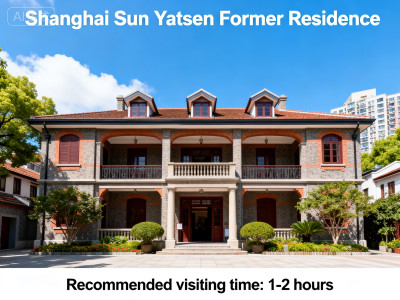 Shanghai
Sun Yatsen Former Residence
This elegant Europeanstyle villa served as the residence of Dr Sun Yatsen and his wife Soong Chingling from 1918 to 1924 during a crucial period of Chinas revolutionary history The three story grey brick building with its distinctive red roof and arched windows represents a blend of Western architectural styles popular in early 20th century Shanghai The residence witnessed many important political discussions and revolutionary planning sessions that shaped modern China Today it stands as a museum preserving original furniture personal belongings photographs and documents that offer intimate insights into the life and work of Chinas first provisional president The residence has been meticulously restored to its 1920s appearance with each room telling a different chapter of Sun Yatsens revolutionary journey
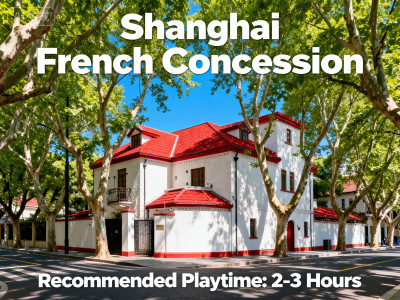 Shanghai
French Concession
The French Concession is one of Shanghai's most charming and historically significant areas, established as a French settlement from 1849 to 1946. This picturesque neighborhood preserves the architectural legacy of Shanghai's colonial era while blending seamlessly with modern urban life. Spanning approximately 10 square kilometers, it features wide tree-lined boulevards, elegant European-style villas, art deco apartment buildings, and hidden lane houses known as shikumen. The area was originally home to French administrators, wealthy merchants, and Russian aristocrats fleeing the Bolshevik Revolution, creating a unique cultural melting pot that still influences Shanghai's cosmopolitan character today. Walking through the French Concession feels like stepping into a different era, where plane trees form natural canopies over quiet streets, boutique shops occupy renovated colonial buildings, and trendy cafes nestle alongside traditional Chinese establishments. The district is divided into two main sections: the former French Settlement area around Huaihai Road and the more residential Xuhui area with its beautiful gardens and embassies. This neighborhood has witnessed Shanghai's transformation from treaty port to global metropolis while maintaining its distinctive European charm and serving as a living museum of 20th-century Shanghai history.
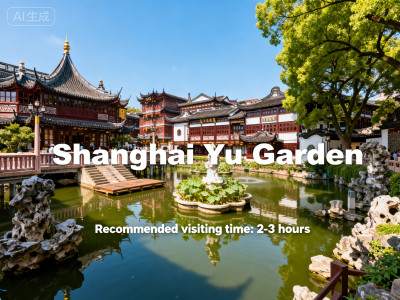 Shanghai
Yu Garden
Yu Garden, also known as Yuyuan Garden, is a magnificent classical Chinese garden located in the heart of Shanghai's Old City. Built during the Ming Dynasty between 1559 and 1577 by a government officer named Pan Yunduan for his parents, this 5-acre garden complex represents the pinnacle of Chinese garden design from the Ming and Qing dynasties. The name 'Yu' means 'peace and comfort,' reflecting the garden's original purpose as a place of tranquility and contemplation. Despite being damaged and rebuilt several times throughout its history, Yu Garden has been meticulously restored to its former glory and now stands as one of Shanghai's most cherished cultural treasures. The garden follows traditional Chinese garden design principles with its winding pathways, artificial hills, ponds, pavilions, and rockeries, creating a harmonious balance between architecture and nature. Each element in the garden carries symbolic meaning, from the dragon-adorned walls representing imperial power to the carefully placed rocks symbolizing mountains and the water representing the sea. The garden is divided into six main scenic areas, each with its own unique character and design, connected by winding corridors and moon gates that create a sense of discovery and surprise at every turn.
 Shanghai
 Tower
Soaring 632 meters above the Huangpu River, the Shanghai Tower is not just a skyscraper but a vertical city that represents the pinnacle of Chinese engineering and sustainable design. Completed in 2015, this architectural marvel features a unique double-skin facade that spirals upward, creating nine separate vertical zones that house offices, hotels, retail spaces, and observation decks. The towers innovative design incorporates numerous sustainable features including wind turbines, rainwater collection systems, and a double-skin facade that reduces energy consumption by 21%. Inside, visitors can experience the worlds fastest elevators that travel at 20.5 meters per second, whisking guests to the observation deck in just 55 seconds. The building stands as the centerpiece of Lujiazui financial district, forming a stunning trio with the neighboring Jin Mao Tower and Shanghai World Financial Center, collectively known as the Three Super Tall Towers of Shanghai.
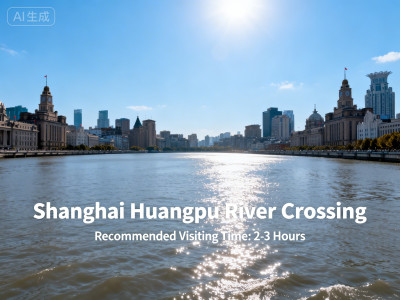 Shanghai
Huangpu River Crossing
The Huangpu River Crossing is not just a transportation route but a symbolic journey through Shanghai's past and future. As you cross this historic waterway that divides the city into two distinct worlds, you'll witness the dramatic contrast between the colonial-era architecture of the Bund on the west bank and the soaring skyscrapers of Pudong on the east bank. The river itself has been Shanghai's lifeline for centuries, serving as a major port and commercial artery since the city's early days as a fishing village. Today, crossing the Huangpu offers visitors a unique perspective on Shanghai's transformation from a treaty port to a global financial hub. Whether you choose to cross by ferry, tunnel, or bridge, each method provides a different experience of this iconic waterway that has shaped Shanghai's identity and development.
 Shanghai
The Bund
The Bund also known as Waitan is Shanghais most famous waterfront area stretching along the western bank of the Huangpu River This 15 kilometer promenade offers a stunning contrast between the colonial European architecture of the 26 historical buildings on one side and the futuristic skyscrapers of Pudong on the opposite bank The Bund represents the meeting point of East and West old and new and serves as a living museum of Shanghais transformation from a treaty port to a global financial hub
 Xi'an
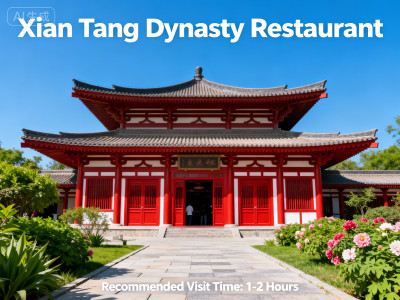
Tang Dynasty Restaurant
The Tang Dynasty Restaurant is not just a place to eat but a complete cultural journey into Chinas golden age. Located in the heart of Xian, this renowned establishment recreates the splendor of the Tang Dynasty 618907 AD when Xian known as Changan was the worlds largest and most cosmopolitan city. The restaurant offers a multi-sensory experience where guests enjoy traditional Shaanxi cuisine while being entertained by authentic Tang Dynasty music and dance performances. The architecture, decor, costumes, and even the serving style are meticulously designed to reflect the elegance and sophistication of Tang culture. This dining experience provides a perfect complement to your exploration of Xians historical sites like the Terracotta Warriors and the ancient city walls, allowing you to taste and feel the living history of this ancient capital.
 Xi'an
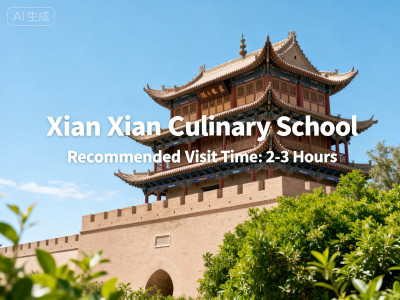
Xian Culinary School
The Xian Culinary School offers visitors a unique opportunity to dive deep into the rich culinary traditions of Shaanxi Province. Located in the heart of Xian, this hands-on cooking school provides English-speaking classes where participants learn to prepare authentic local dishes under the guidance of expert chefs. The experience begins with a visit to a traditional wet market where you'll learn about local ingredients like biangbiang noodles, roujiamo bread, and various spices. Then you'll return to the school's professional kitchen to master cooking techniques that have been passed down through generations. This is not just a cooking class but a cultural journey through Xian's 3000-year culinary history, connecting you with the flavors that have sustained dynasties from the Qin to the Tang.
 Xi'an
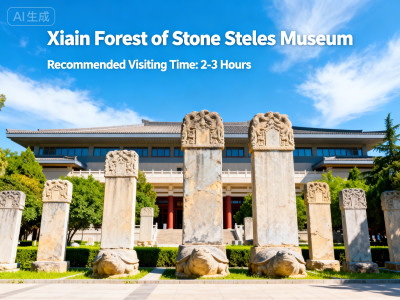
Forest of Stone Steles Museum
Located within the historic Confucius Temple complex in Xian the Forest of Stone Steles Museum houses one of the worlds richest collections of stone inscriptions Established in 1087 during the Northern Song Dynasty this museum serves as a living library of Chinese civilization The collection includes steles from the Han Dynasty 206 BC220 AD through the Qing Dynasty 16441912 featuring classical texts historical records Buddhist scriptures poetry and official documents carved in stone The museums most famous treasures include the Kaicheng Stone Classics containing the complete Confucian classics and the Nestorian Stele documenting the arrival of Christianity in China during the Tang Dynasty Each stele is not only a historical document but also a masterpiece of Chinese calligraphy showcasing the evolution of writing styles from ancient seal script to modern regular script The museum complex itself is a beautiful example of traditional Chinese architecture with courtyards pavilions and gardens that create a serene atmosphere for contemplation and study
 Xi'an
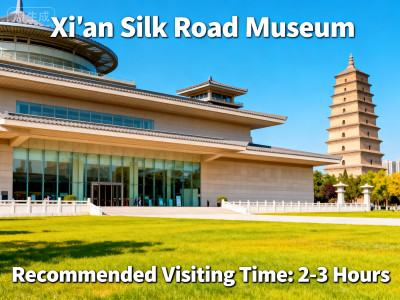
Silk Road Museum
The Silk Road Museum in Xi'an is a world-class institution that tells the epic story of the ancient Silk Road which connected China with Central Asia the Middle East and Europe for over 1500 years Located in the historic city that served as the eastern terminus of this legendary trade network the museum houses thousands of artifacts that illustrate the cultural economic and technological exchanges that shaped civilizations across continents Through meticulously curated exhibits visitors can trace the journey of silk spices precious metals and ideas that flowed along these routes creating a bridge between East and West The museums collection includes rare Tang Dynasty relics Buddhist artifacts from Dunhuang Central Asian textiles Persian ceramics and Roman glassware all telling the story of interconnectedness that predates modern globalization The architecture itself reflects the fusion of cultural influences with design elements inspired by both Chinese and Central Asian traditions making it not just a repository of history but a living testament to the enduring legacy of cross-cultural exchange
 Xi'an
Xian Opera House
Xi'anShadow Puppet Museum
Xi'anGreat Mosque of Xian
Xi'anBig Wild Goose Pagoda
Xi'anMuslim Quarter
Xi'anBell Tower
Xi'anShaanxi History Museum
Xi'anXian City Wall
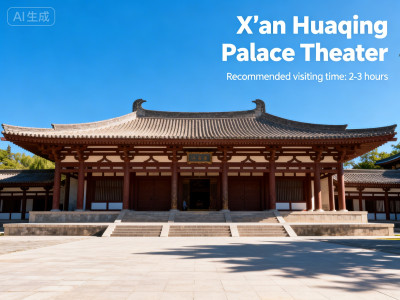 Xi'an
Huaqing Palace Theater
Huaqing Palace Theater is a world-class performance venue situated within the historic Huaqing Palace complex at the foot of Mount Li in Xi'an. This theater presents the spectacular Tang Dynasty Song and Dance Show which recreates the glorious cultural heritage of the Tang Dynasty (618-907 AD) when Xi'an known as Chang'an was the capital of China and one of the largest cities in the world. The theater itself is an architectural masterpiece that blends traditional Chinese design with modern stage technology. The performance tells the legendary love story between Emperor Xuanzong and his favorite concubine Yang Guifei set against the backdrop of the magnificent Huaqing Palace which was originally built as an imperial hot spring resort during the Tang Dynasty. The show features over 200 performers in exquisite Tang Dynasty costumes accompanied by traditional Chinese music and breathtaking stage effects. The theater's location within the actual historical site adds an authentic atmosphere that transports audiences back to the golden age of Chinese civilization.
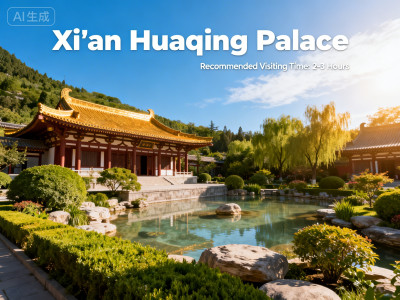 Xi'an
Huaqing Palace
Huaqing Palace also known as Huaqing Pool is a historic site located at the northern foot of Mount Li in Lintong District Xi'an Shaanxi Province This ancient imperial hot spring resort has a history dating back over 3000 years to the Western Zhou Dynasty The site is most famous for its association with Emperor Xuanzong of the Tang Dynasty and his beloved concubine Yang Guifei whose legendary love story unfolded here The palace complex features natural hot springs that have been used for therapeutic bathing since ancient times with water temperatures around 43°C The architecture combines traditional Chinese palace design with beautiful gardens pavilions and pools The site also holds significance as the location of the Xi'an Incident in 1936 when Chiang Kaishek was detained leading to the formation of the Second United Front against Japanese invasion
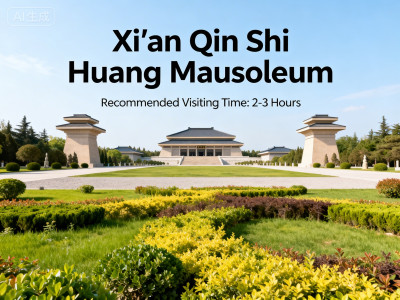 Xi'an
Qin Shi Huang Mausoleum
The Qin Shi Huang Mausoleum is one of the most significant archaeological discoveries of the 20th century and a UNESCO World Heritage Site. Built over 38 years by 700,000 workers, this massive burial complex was constructed for Qin Shi Huang, the first emperor who unified China in 221 BC. The site covers approximately 56 square kilometers and features the famous Terracotta Army - thousands of life-sized clay soldiers, horses, and chariots arranged in battle formation to protect the emperor in the afterlife. The mausoleum itself remains largely unexcavated, with the main tomb mound still containing the emperor's remains and untold treasures. The complex represents the pinnacle of ancient Chinese funerary art and engineering, showcasing the power and ambition of China's first centralized empire.
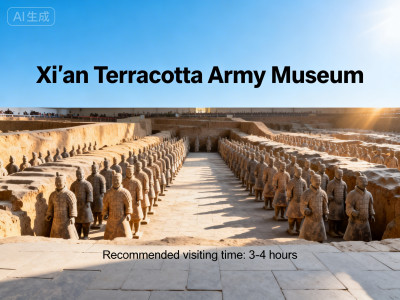 Xi'an
Terracotta Army Museum
The Terracotta Army Museum is a UNESCO World Heritage Site that houses the life-sized terracotta army created to accompany China's first emperor Qin Shi Huang in the afterlife. Discovered in 1974 by local farmers digging a well, this archaeological marvel consists of over 8,000 soldiers, 130 chariots with 520 horses, and 150 cavalry horses, all arranged in battle formation. Each warrior has unique facial features, hairstyles, and armor, showcasing the incredible craftsmanship of ancient Chinese artisans. The museum complex includes three main pits: Pit 1 contains the main infantry army, Pit 2 features the command center with chariots and cavalry, and Pit 3 represents the headquarters. The site provides profound insights into Qin Dynasty military organization, technology, and burial practices.
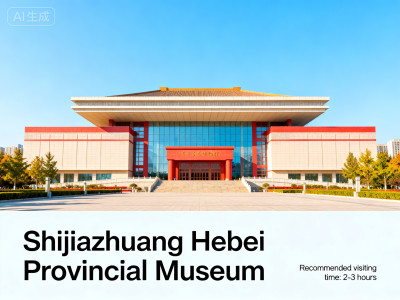 Shijiazhuang
Hebei Provincial Museum
The Hebei Provincial Museum stands as one of Chinas premier provincial museums housing over 150000 cultural relics that span more than 5000 years of Hebeis history Located in the provincial capital Shijiazhuang this architectural marvel combines modern design with traditional Chinese elements The museums collections are organized chronologically taking visitors on a journey from the Neolithic Age through the Warring States period Han and Tang dynasties to the modern era Among its most prized exhibits are the exquisite bronze artifacts from the ancient Zhongshan Kingdom the magnificent jade burial suits of the Han Dynasty and the stunning Buddhist sculptures from the Northern Wei period The museum also features interactive displays multimedia presentations and special exhibitions that bring Hebeis cultural heritage to life making it an essential destination for understanding the historical and cultural significance of this important northern Chinese province
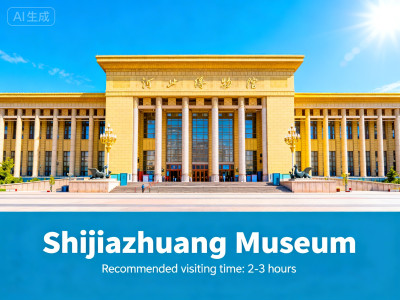 Shijiazhuang
 Museum
Located in the heart of Shijiazhuang, the capital city of Hebei Province, Shijiazhuang Museum stands as a cultural landmark that preserves and presents the fascinating history of this important region. The museum's architecture combines modern design with traditional Chinese elements, creating an impressive facade that welcomes visitors from around the world. Inside, the museum houses over 80,000 cultural relics spanning from prehistoric times to the modern era, with particular emphasis on the revolutionary history of the region during the War of Resistance Against Japan and the Chinese Civil War. The exhibitions are thoughtfully curated to provide visitors with a comprehensive understanding of Hebei's cultural heritage, including ancient artifacts, traditional crafts, and historical documents. The museum's collection includes exquisite bronze ware from the Shang and Zhou dynasties, delicate porcelain from various periods, ancient coins, jade carvings, and revolutionary memorabilia. One of the highlights is the exhibition dedicated to the history of Shijiazhuang itself, tracing its development from a small railway town to a major industrial and cultural center. The museum also features interactive displays and multimedia presentations that bring history to life, making it an engaging experience for visitors of all ages. With its well-organized galleries, educational programs, and cultural activities, Shijiazhuang Museum serves as both a repository of history and a vibrant cultural center for the community.
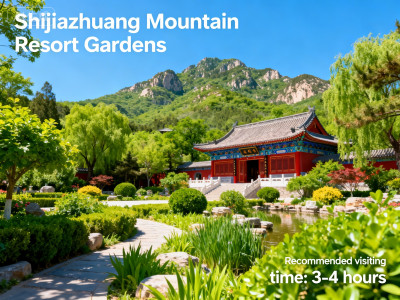 Shijiazhuang
Mountain Resort Gardens
The Mountain Resort Gardens in Shijiazhuang represent one of Chinas most significant imperial garden complexes originally designed as a summer retreat for Qing Dynasty emperors This UNESCO World Heritage site showcases the perfect harmony between Chinese garden architecture and natural mountain landscapes The gardens feature traditional pavilions temples lakes and bridges all carefully arranged according to Feng Shui principles to create a miniature universe reflecting Chinese cosmological beliefs The complex served not only as a summer escape from Beijing heat but also as a political center where emperors conducted state affairs received foreign envoys and practiced hunting in the surrounding mountains The gardens architectural styles incorporate elements from various Chinese regions including southern water gardens northern mountain landscapes and Tibetan Buddhist temples creating a microcosm of the Qing Empires vast territory
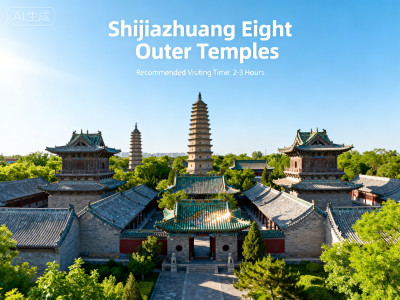 Shijiazhuang
Eight Outer Temples
The Eight Outer Temples of Zhengding, located just north of Shijiazhuang, represent one of the most important Buddhist temple complexes in Northern China. Dating back to the Tang and Song dynasties, these temples were strategically built around the ancient city of Zhengding, which served as a major political and cultural center in Hebei Province. Each temple has its unique architectural style, religious significance, and historical background, collectively forming a spiritual ring that protected the city. The temples showcase various Buddhist traditions including Chan, Pure Land, and Esoteric Buddhism, reflecting the religious diversity that flourished during Chinas imperial periods. The complex includes some of the oldest and best-preserved wooden structures in China, with intricate carvings, ancient murals, and priceless cultural relics that have survived centuries of history.
 Shijiazhuang
Chengde Mountain Resort
The Chengde Mountain Resort built between 1703 and 1792 during the reigns of Emperors Kangxi and Qianlong covers an area of 56 million square meters It served as a summer retreat for Qing emperors to escape the heat of Beijing and conduct state affairs The complex includes palaces lakes mountains and grasslands blending Han Chinese garden design with Mongolian Tibetan and other ethnic architectural styles The resort consists of four main sections the palace area lake area plain area and mountain area featuring 72 scenic spots named by Emperor Kangxi and Qianlong The surrounding Eight Outer Temples represent different Buddhist architectural styles from across China making it a unique cultural and religious site
 Shijiazhuang
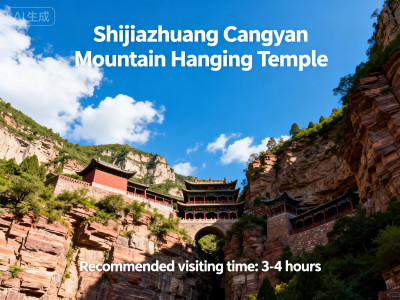
Cangyan Mountain Hanging Temple
Cangyan Mountain Hanging Temple also known as Xuankong Temple is one of Chinas most breathtaking architectural wonders dating back to the Northern Wei Dynasty around 491 AD Perched precariously on the sheer cliffs of Cangyan Mountain about 50 kilometers southwest of Shijiazhuang this temple complex defies gravity and engineering logic What makes this temple truly unique is its harmonious integration of three major Chinese religious traditions Buddhism Taoism and Confucianism all coexisting within the same sacred space The temple appears to hang from the cliff face supported by wooden beams inserted into holes drilled into the rock with its 40 halls and pavilions connected by narrow walkways and dizzying staircases The architecture follows the natural contours of the cliff creating a seamless blend between human creation and natural wonder The temple complex includes notable structures like the Sanjiao Hall where statues of Confucius Laozi and Buddha sit side by side symbolizing religious harmony The temple has survived earthquakes floods and wars for over 14 centuries thanks to its ingenious construction that allows it to sway with the mountains movements rather than resist them The surrounding Cangyan Mountain area features lush forests ancient trees and natural springs creating a serene spiritual atmosphere
 Shijiazhuang
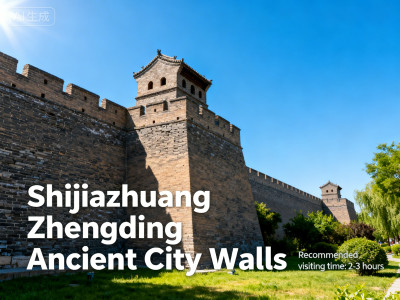
Zhengding Ancient City Walls
Zhengding Ancient City Walls represent one of the best-preserved ancient city fortifications in northern China, with origins tracing back to the Eastern Jin Dynasty (317-420 AD). These formidable walls have witnessed the rise and fall of multiple dynasties and served as a crucial defensive structure protecting the strategic city of Zhengding, which was historically known as Changshan. The walls showcase traditional Chinese military architecture with their imposing rammed earth construction, watchtowers, and strategic gateways. What makes Zhengding particularly fascinating is its unique layout featuring four distinct gates oriented to the cardinal directions, each with its own architectural character and historical significance. The walls stretch approximately 12 kilometers in circumference and stand as a living museum of Chinese defensive engineering, having been reinforced and expanded during the Tang, Song, Ming, and Qing dynasties. Today, visitors can walk along the restored sections, marvel at the ancient construction techniques, and enjoy panoramic views of both the historic city within and the modern developments beyond.
 Shijiazhuang
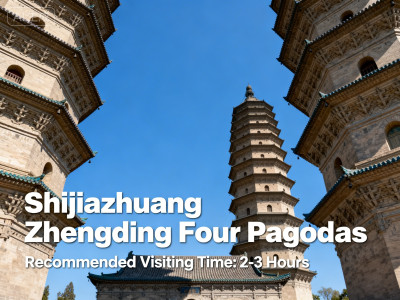
Zhengding Four Pagodas
The Zhengding Four Pagodas are a magnificent ensemble of ancient Chinese Buddhist architecture located in Zhengding County just north of Shijiazhuang. These four pagodas were constructed during different periods from the Tang to Song dynasties, each representing distinct architectural styles and Buddhist traditions. They stand as silent witnesses to over a thousand years of Chinese history, religious development, and artistic achievement. The pagodas are scattered throughout the ancient town of Zhengding, creating a spiritual landscape that has inspired poets, artists, and pilgrims for centuries. Each pagoda has its unique characteristics in terms of construction materials, architectural design, and religious significance, offering visitors a comprehensive understanding of Chinese pagoda evolution. The site is particularly famous for its well-preserved state and the diversity of styles concentrated in one location, making it a must-see destination for anyone interested in Chinese architecture, Buddhism, or ancient history.
 Harbin
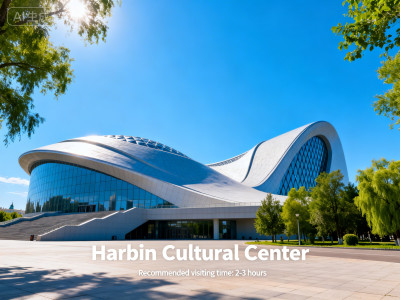
 Cultural Center
The Harbin Cultural Center is a stunning modern architectural complex that serves as the cultural heart of Harbin. Located along the Songhua River, this magnificent structure represents the perfect fusion of Harbins Russian heritage with contemporary Chinese design. The center features a unique snowflake-inspired design that pays homage to Harbins famous Ice and Snow Festival. Inside, visitors can explore world-class performance halls, exhibition spaces, and cultural facilities that showcase the rich artistic traditions of Northeast China. The complex includes a grand theater, concert hall, art gallery, and cultural exchange center, all designed to promote cultural understanding and artistic excellence. The architecture itself is a masterpiece, with its flowing lines and crystalline forms reflecting both the icy beauty of Harbins winters and the warmth of its cultural heritage. The center hosts regular performances of traditional Chinese opera, Russian ballet, classical music concerts, and contemporary theater productions, making it a vibrant hub for cultural activities throughout the year.
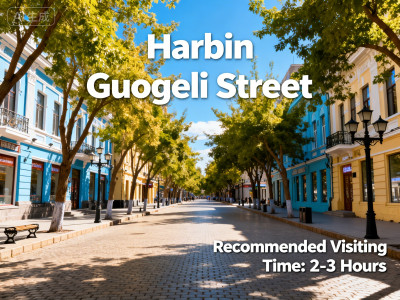 Harbin
Guogeli Street
Guogeli Street also known as Gogol Street is one of Harbins most famous historical streets dating back to the early 20th century Originally built in 1901 this 1450meterlong pedestrian street showcases the unique blend of Chinese and Russian cultures that defines Harbin The street is named after the famous Russian writer Nikolai Gogol and features wellpreserved Baroque and Renaissance style buildings that transport visitors back to Harbins golden age as the Paris of the East During the early 1900s this street was the commercial and cultural center for Russian immigrants and today it stands as a living museum of Harbins multicultural history The cobblestone pavement Europeanstyle street lamps and ornate architectural details create an enchanting atmosphere that makes Guogeli Street a mustvisit destination for anyone exploring Harbins rich heritage
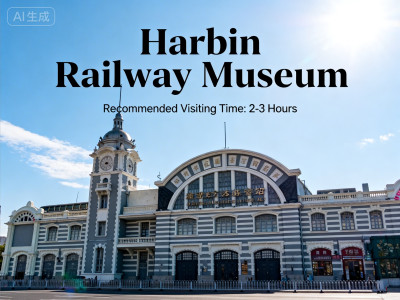 Harbin
 Railway Museum
The Harbin Railway Museum is housed in the original Harbin Railway Administration Building constructed in 1903 during the construction of the Chinese Eastern Railway This historic building itself is a masterpiece of Russian architectural style reflecting Harbins unique position as a cultural crossroads between Russia and China The museum chronicles the development of railways in Northeast China from the late 19th century to modern times with particular emphasis on the Chinese Eastern Railway which played a crucial role in shaping Harbins identity as the Paris of the East Visitors can explore authentic railway artifacts historical documents vintage photographs and beautifully restored locomotives that tell the story of how railways transformed Harbin from a small fishing village into a major international hub The museum also highlights the cultural exchange between Chinese and Russian communities that occurred along these railway lines making it not just a transportation museum but a cultural heritage site that captures the essence of Harbins cosmopolitan history
 Harbin
 Russian Village
Harbin Russian Village also known as Russian Town is a picturesque cultural district that preserves the rich Russian architectural legacy and cultural influences that have shaped Harbins identity for over a century Located along the Songhua River this beautifully preserved area features authentic Russianstyle wooden houses Orthodox churches and cobblestone streets that transport visitors back to the early 20th century when Russian immigrants first settled in Harbin The village stands as a living testament to the unique SinoRussian cultural exchange that occurred during the construction of the Chinese Eastern Railway Established in the late 19th century Harbin became home to thousands of Russian engineers merchants and aristocrats fleeing the Russian Revolution who brought with them their architectural styles culinary traditions and cultural practices Today the Russian Village serves as both a historical preservation site and a vibrant cultural destination where visitors can experience traditional Russian architecture sample authentic Russian cuisine and learn about the fascinating history of Russian settlement in Northeast China The areas most striking feature is its collection of over 50 wellpreserved Russian wooden houses known as log cabins or izbas each featuring intricate wood carvings colorful window frames and traditional Russian architectural elements The village also includes several Orthodox churches with distinctive onion domes that create a stunning skyline against Harbins modern backdrop Beyond architecture the village offers cultural experiences including Russian folk music performances traditional dance shows and handicraft demonstrations Local artisans create Russianstyle nesting dolls lacquer boxes and embroidered textiles while bakeries produce authentic Russian breads pastries and sweets The village comes alive during winter when snow blankets the wooden houses creating a fairytale atmosphere reminiscent of a Russian winter wonderland This cultural enclave provides a unique opportunity to understand how Russian influences blended with Chinese traditions to create Harbins distinctive multicultural identity making it an essential destination for anyone interested in the citys history architecture and cultural diversity
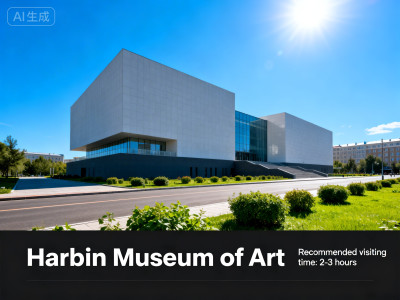 Harbin
 Museum of Art
The Harbin Museum of Art stands as one of the most important art museums in Northeast China, established in 1997 and located in the heart of Harbin. This magnificent institution spans over 20,000 square meters and houses an impressive collection of more than 10,000 artworks. The museum's architecture itself is a masterpiece, blending modern design with traditional Chinese elements, featuring elegant curves and expansive glass facades that allow natural light to illuminate the galleries. The collection focuses on Chinese contemporary art, Russian art (reflecting Harbin's historical connections), and works by Northeast Chinese artists. The museum plays a crucial role in cultural exchange between China and Russia, hosting regular international exhibitions and serving as a bridge between Eastern and Western artistic traditions. Its permanent collection includes oil paintings, watercolors, sculptures, prints, and calligraphy, with special emphasis on the development of Chinese art since the 20th century.
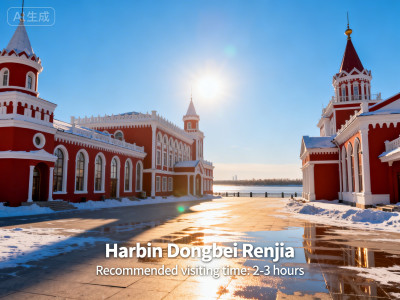 Harbin
Dongbei Renjia
This restaurant specializes in hearty, flavorful Dongbei cuisine, featuring generous portions, rustic cooking styles, and a warm, bustling atmosphere typical of Northeastern hospitality.
 Harbin
Historic Harbin Teahouse
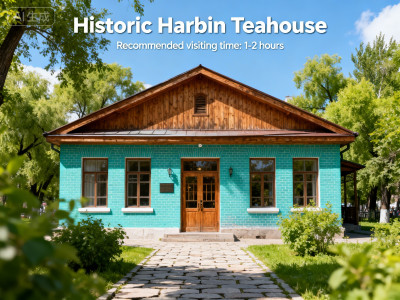
Nestled in the heart of Harbins historic district, the Historic Harbin Teahouse is a living testament to the citys unique cultural fusion. Established in the early 20th century during Harbins golden era as a major Russian settlement, this teahouse beautifully blends Chinese tea traditions with European architectural elegance. The establishment features original Russian-style wooden interiors, stained glass windows, and antique tea sets that transport visitors back to the 1920s when Harbin was known as the Oriental Moscow. Here you can experience authentic Chinese tea ceremonies while surrounded by the architectural legacy of Russian immigrants who once called this city home. The teahouse serves as a cultural bridge where East meets West, offering not just tea but a journey through Harbins multicultural history.
 Harbin
 Confucius Temple
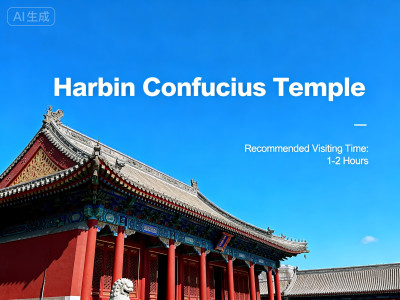
Harbin Confucius Temple, also known as the Confucian Temple of Harbin, is a magnificent architectural complex dedicated to Confucius, the great Chinese philosopher and educator. Built in 1926 during the Republic of China period, this temple represents the fusion of traditional Chinese culture with Harbin's unique historical background. The temple complex covers an area of 25,000 square meters and features the classic Chinese temple layout with courtyards, halls, and pavilions arranged along a central axis. Unlike many Confucius temples in southern China, this one incorporates some architectural elements influenced by Harbin's Russian heritage, creating a distinctive cultural blend. The main hall, Dacheng Hall, houses a statue of Confucius and is used for traditional ceremonies and cultural activities. The temple serves not only as a place of worship but also as an important cultural and educational center, hosting various cultural events, calligraphy exhibitions, and traditional music performances throughout the year.
 Harbin
Heilongjiang Provincial Museum
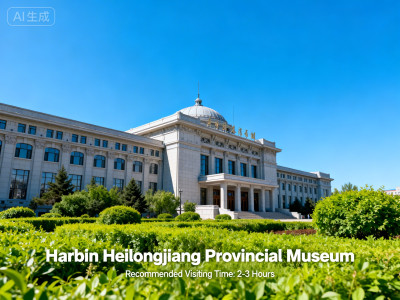
The Heilongjiang Provincial Museum stands as one of the largest and most comprehensive museums in Northeast China, offering visitors an immersive journey through the region's fascinating history, diverse ethnic cultures, and unique natural environment. Established in 1923, this museum houses over 100,000 precious artifacts spanning from prehistoric times to the modern era. The museum's architecture itself is a historical landmark, originally built in 1904 as a department store during the Russian colonial period, reflecting Harbin's unique multicultural heritage. The collections are organized into several major sections including natural history displays featuring the region's distinctive flora and fauna, archaeological exhibits showcasing ancient civilizations that thrived in the Heilongjiang region, ethnic cultural displays highlighting the traditions of Manchu, Korean, Mongolian, and other minority groups, and historical artifacts documenting the region's development through various dynasties and modern periods. Particularly noteworthy are the exhibits on the Jurchen people who established the Jin Dynasty, the unique ice and snow culture of Northeast China, and the region's role in the development of modern China. The museum serves as an essential educational resource for understanding the complex tapestry of cultures that have shaped this border region where Chinese, Russian, Korean, and indigenous influences converge.
 Harbin
 Grand Theater
Harbin Grand Theater stands as one of Chinas most stunning contemporary architectural achievements rising majestically from the northern bank of the Songhua River Designed by the renowned MAD Architects led by Ma Yansong this cultural landmark resembles a snowdrift or a flowing river echoing Harbins winter landscape and the citys nickname as the Ice City The theaters organic curvilinear forms create a seamless integration with the surrounding natural environment while paying homage to Harbins unique blend of Chinese and Russian cultural heritage Completed in 2015 the Grand Theater has become an iconic symbol of Harbins transformation into a modern cultural hub while maintaining its historical character The buildings white aluminum panels shimmer like ice in sunlight and glow with ethereal illumination at night creating different visual experiences throughout the day and seasons Inside visitors discover worldclass acoustics and innovative spatial design that enhances every performance from classical concerts to contemporary theater
 Harbin
 Old Synagogue
The Harbin Old Synagogue also known as the Main Synagogue of Harbin stands as a testament to the vibrant Jewish community that flourished in Harbin from the late 19th to mid20th century This magnificent building constructed in 1909 represents one of the largest and most important synagogues in East Asia during its time Located in the Daoli District the synagogue served as the spiritual and cultural center for thousands of Jewish refugees and immigrants who settled in Harbin particularly during the Russian Revolution and World War II periods The architecture blends European synagogue design with local Chinese construction techniques featuring distinctive Moorish and Byzantine influences with ornate decorative elements star of David motifs and traditional Jewish symbols The synagogue complex originally included not only the main prayer hall but also a Jewish school library and community facilities Today it has been beautifully restored and transformed into a museum that preserves the history of Harbins Jewish community while showcasing the citys unique multicultural heritage The site offers visitors a fascinating glimpse into a littleknown chapter of Chinese history where different cultures coexisted and contributed to Harbins development as an international city
 Harbin
 Jewish History Museum
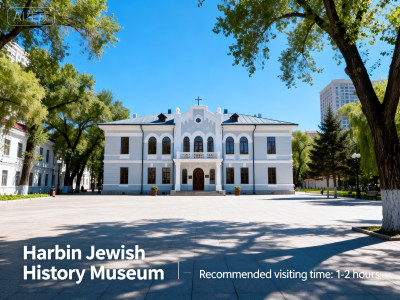
The Harbin Jewish History Museum is housed in the beautifully restored former Jewish Middle School building constructed in 1918 This museum tells the fascinating story of Harbins once thriving Jewish community which was one of the largest in East Asia during the early 20th century The Jewish community in Harbin began in the late 1890s when Jewish families fleeing persecution in Russia settled in this northeastern Chinese city Over the next few decades Harbin became home to over 20000 Jews who built synagogues schools hospitals newspapers and businesses contributing significantly to Harbins development as an international city The museum features three floors of exhibits with photographs documents artifacts and multimedia displays that chronicle the lives culture and contributions of Harbins Jewish residents Visitors can see original Torah scrolls religious artifacts household items business records and personal memorabilia that tell stories of resilience entrepreneurship and cultural exchange The museum also explores the complex historical context including the impact of World War II and the eventual departure of most Jewish residents in the 1950s
 Harbin
Central Avenue
Central Avenue known as Zhongyang Dajie is Harbins most famous pedestrian street stretching 1450 meters from Jingwei Street to the Flood Control Monument at the Songhua River This iconic thoroughfare serves as a living museum of architectural history showcasing over 70 Europeanstyle buildings from the late 19th and early 20th centuries The avenue was originally constructed in 1898 by Russian engineers and has evolved into the commercial and cultural heart of Harbin earning the nickname Eastern Moscow Walking along Central Avenue is like stepping back in time to when Harbin was a major hub of the Chinese Eastern Railway and an international crossroads where Russian Jewish Japanese and European cultures converged
 Jinan
Traditional Markets
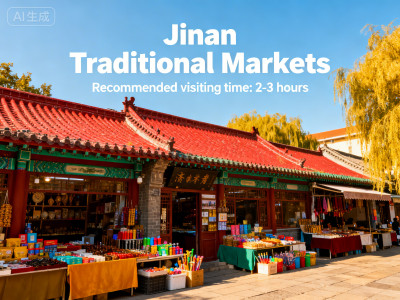
Jinan's traditional markets offer a fascinating glimpse into the daily life and rich cultural heritage of Shandong Province. These bustling marketplaces have been the commercial and social heart of the city for centuries, where locals gather to shop, socialize, and preserve age-old traditions. From the famous Furong Street Food Market to the historic Daming Lake Market, each venue tells a unique story of Jinan's development as a major trading hub along the ancient Grand Canal. The markets showcase traditional Shandong craftsmanship, local agricultural products, and authentic street food that has been passed down through generations. Visitors can witness the harmonious blend of ancient Chinese market culture with modern urban life, experiencing everything from traditional tea ceremonies to folk performances that bring the city's history to life.
 Jinan
Pagoda Forest
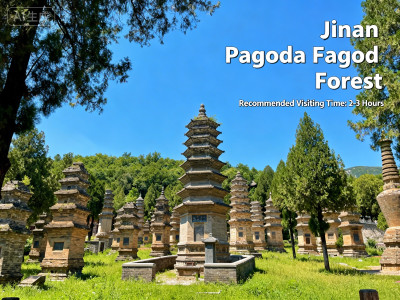
Located at the foot of Mount Tai in Jinan Shandong Province the Pagoda Forest is part of the ancient Lingyan Temple complex This remarkable collection features 167 stone and brick pagodas built between the Tang Dynasty 618907 and Qing Dynasty 16441911 making it one of Chinas largest and most historically significant pagoda forests Each pagoda serves as a tomb for eminent monks who lived and taught at Lingyan Temple over centuries The forest showcases exquisite Buddhist architecture with intricate carvings symbolic designs and diverse architectural styles that evolved through different dynasties The most famous is the Huichong Pagoda built in 753 AD during the Tang Dynasty which stands as the oldest and most artistically valuable structure The site represents a living museum of Chinese Buddhist history stone carving art and religious architecture offering visitors a serene journey through time amidst ancient pine trees and tranquil mountain scenery
 Jinan
Thousand Buddha Hall
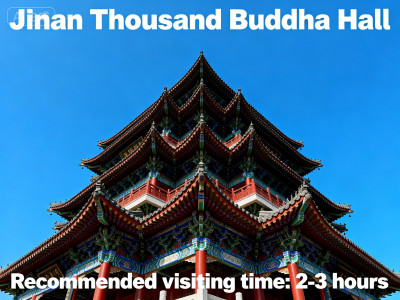
Thousand Buddha Hall also known as Thousand Buddha Mountain is one of Jinans most iconic historical and religious sites The mountain gets its name from the thousands of Buddha statues carved into the cliffs and caves during the Sui and Tang dynasties over 1400 years ago The main attraction is the Thousand Buddha Hall a magnificent temple complex built into the mountainside The site combines natural beauty with profound Buddhist heritage offering breathtaking views of Jinan city from its summit The mountain features numerous grottoes pavilions and ancient trees creating a serene spiritual atmosphere Visitors can explore the intricate stone carvings admire the ancient architecture and learn about Chinas rich Buddhist history The site also includes the Xingguo Temple one of the oldest Buddhist temples in Shandong province dating back to the Sui dynasty
 Jinan
Confucian Temple
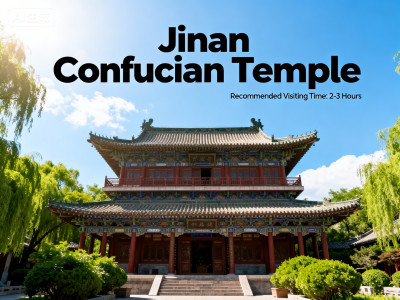
Located in the heart of Jinan, the Confucian Temple is a beautifully preserved architectural complex that dates back to the Northern Song Dynasty (960-1127 AD). This sacred site was established to honor Confucius and his teachings, serving as a center for Confucian rituals, education, and cultural activities throughout Chinese history. The temple complex features traditional Chinese architecture with elegant halls, pavilions, stone tablets, and ancient trees that create a serene atmosphere. The main hall, Dacheng Hall, is the architectural centerpiece where ceremonies honoring Confucius were held. Surrounding the temple is the famous Daming Lake, adding to the picturesque setting. The temple was not only a religious site but also served as an educational institution where scholars studied Confucian classics and prepared for imperial examinations. Today, it stands as a testament to Jinan's rich cultural heritage and the enduring influence of Confucian philosophy on Chinese society.
 Jinan
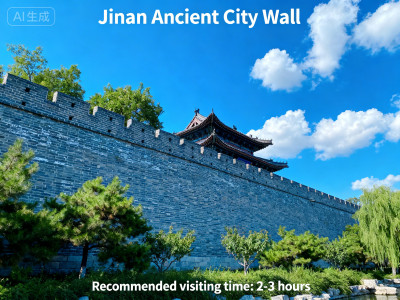
Ancient City Wall
The Ancient City Wall of Jinan also known as Jinan Old City Wall represents one of the most significant historical landmarks in Shandong Province Originally constructed during the Spring and Autumn Period around 600 BC the wall has undergone numerous reconstructions and expansions throughout various dynasties including the Han Tang Song Yuan Ming and Qing periods The current remaining sections showcase Ming Dynasty architecture from the 14th century when the wall was extensively rebuilt and fortified The wall originally stretched approximately 12 kilometers encircling the old city of Jinan with a height of 8 meters and width of 6 meters featuring four main gates facing the cardinal directions East West South and North The wall served not only as a military defense structure but also as a symbol of the citys prosperity and strategic importance as Jinan was historically known as the City of Springs and a crucial transportation hub connecting northern and southern China Today visitors can explore the bestpreserved sections near Heihuquan Black Tiger Spring and Baotu Spring areas where the ancient stonework blends harmoniously with Jinans famous spring water landscape The wall offers panoramic views of the modern city juxtaposed against historical architecture creating a unique cultural experience that bridges ancient and contemporary China
 Jinan
Xiaogong Island
Xiaogong Island also known as Little Duke Island is a picturesque island located in the center of Daming Lake in Jinan Shandong Province This tranquil island has been a cultural landmark since the Ming Dynasty when it was established as a private retreat for the Duke of Dezhou The island features traditional Chinese architecture including the famous Xiaogong Pavilion which offers panoramic views of Daming Lake and surrounding Jinan cityscape The islands lush gardens winding pathways and ancient willow trees create a peaceful escape from the bustling city below Xiaogong Island is particularly famous for its connection to Jinans nickname City of Springs as the crystal clear spring water from Daming Lake surrounds the island creating a unique aquatic landscape The island has been a source of inspiration for poets and scholars throughout Chinese history with many literary works composed in its serene environment
 Jinan
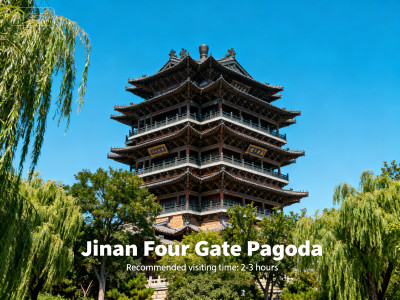
Four Gate Pagoda
The Four Gate Pagoda is a remarkable architectural treasure located at the foot of Mount Li in Jinan Shandong Province. Built during the Sui Dynasty around 581-618 AD this ancient stone pagoda stands as the oldest surviving pagoda in China and represents a significant milestone in Chinese Buddhist architecture. The pagoda gets its name from the four arched doorways that face the cardinal directions each leading to a central pillar carved with Buddhist statues. The structure is made entirely of bluish stone blocks without any mortar showcasing the advanced engineering skills of ancient Chinese craftsmen. Inside the pagoda visitors can see four exquisite stone Buddha statues each facing one of the four directions representing different aspects of Buddhist teachings. The surrounding area includes ancient pine trees one of which is over 1600 years old creating a serene atmosphere that transports visitors back to ancient times. The pagoda has survived numerous historical events including wars and natural disasters making it a testament to Chinese cultural resilience. Today it stands as a protected national cultural relic and a must-see destination for anyone interested in Chinese history Buddhism and ancient architecture.
Want the days already arranged?
Open the guidebook